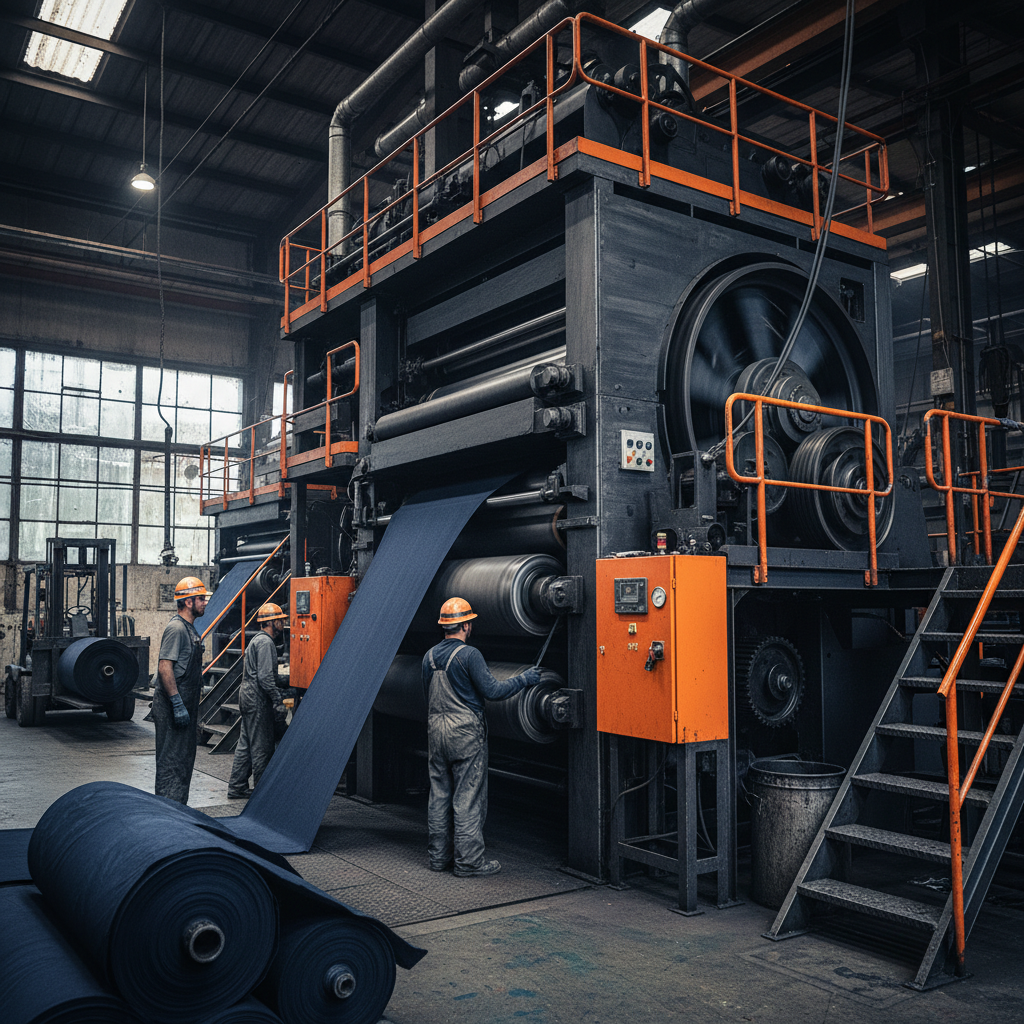
You know, the construction world's been buzzing about prefabrication lately. Everyone's chasing speed, lower costs… Honestly, it's a good thing, but it’s not as simple as slapping some panels together. You see a lot of designs that look good on paper, all clean lines and efficient layouts, but then you get on site and realize they forgot about, say, where the conduit runs or how a worker is actually going to reach something for maintenance. Have you noticed that? It’s the little things, always the little things.
Anyway, we’re focused on these modular enclosures for sensitive equipment – think telecom gear, control systems, that sort of thing. It’s not glamorous, but it’s essential. And it's a tricky business.
A lot of people think it’s just about the steel frame, but it’s way more than that.
The Rise of Modular Enclosures
Look, everything's going modular these days. It's faster, potentially cheaper… but it has to be done right. We’re talking about protecting expensive, delicate equipment. Strangely, I find a lot of manufacturers just don't get the on-site reality. They think about clean rooms and perfect conditions, not dust, vibration, and guys dropping tools.
We've seen a huge uptick in demand for enclosures that can withstand harsher environments – coastal areas, industrial plants, even remote cellular towers. It's not just about keeping the rain out anymore; it’s about corrosion resistance, temperature control, and security.
Design Pitfalls: Don't Trust the CAD
To be honest, the biggest headache is always the design. CAD drawings are great, but they don't tell you anything about access. I encountered this at a factory in Nanjing last time – beautiful design, but the engineers hadn’t factored in how you’d actually swap out a power supply. They crammed everything in there so tight, you needed three guys and a contortionist to get it done.
Another common mistake? Assuming everything is level and square on-site. It never is. You need to build in tolerances. A little wiggle room. It's infuriating to see a perfectly manufactured enclosure that doesn't fit because the concrete pad isn’t perfectly flat.
And ventilation! People always forget about ventilation. Equipment gets hot. Really hot. If you don’t account for heat dissipation, you're asking for trouble.
Materials: It's About the Feel
We primarily use galvanized steel for the frames – it’s robust, relatively inexpensive, and corrosion resistant. But the quality of the galvanization matters. You can tell a good batch by the smell. It has this slightly metallic, clean odor. A cheap batch… well, it smells like chemicals.
For the panels, we’ve experimented with a lot. Aluminum is lightweight, but dents easily. Stainless steel is durable, but expensive. We've settled on a composite material – a steel core with a polyurethane coating. It feels solid, it’s relatively lightweight, and it doesn’t rust. You can even write on it with a marker. That's a surprisingly useful feature.
The seals are crucial. We use neoprene gaskets – they’re flexible, weather-resistant, and they actually feel good when you compress them. Cheap rubber gaskets just crumble. Seriously.
Real-World Testing: Forget the Lab
Lab testing is fine, I guess. But it doesn't tell you anything about the real world. We put our enclosures through the wringer. We've driven over them with forklifts (don’t tell the boss), subjected them to salt spray tests that would make a sailor blush, and even left them baking in the desert sun for weeks.
The best test? Handing it over to a field technician and letting him install it. You see how they struggle, where they get frustrated, what they modify on the fly. That’s where you learn the most. They’ll tell you what’s wrong, believe me. They don't hold back.
Enclosure Material Performance
How They Actually Use It
You know, it's always surprising to see how people adapt things. We design these enclosures for a specific purpose, but the guys on the ground always find new uses for them. I once saw a crew using one as a makeshift workbench. Another time, someone was using it as a shelter during a rainstorm. They're resourceful, those guys.
They also tend to ignore the labels. You put a nice, clear warning sticker on there about grounding, and they just… ignore it. Later... Forget it, I won’t mention it.
Pros, Cons, and Customization
The biggest advantage is time savings, obviously. Prefabrication speeds up the installation process. It also reduces waste. And you get a consistent quality. But the downside? It’s less flexible. Once it's built, it's built.
We do offer customization. Last week, a customer needed a specific mounting bracket for a solar panel. It wasn't a big deal, but it required some extra engineering and fabrication. They wanted it powder-coated bright orange, for some reason. Bright orange! You get all sorts, I tell you.
It's all about finding the right balance between standardization and customization. Too much customization, and you lose the cost benefits. Too little, and you end up with something that doesn't meet the customer's needs.
A Shenzhen Story
Last month, that small boss in Shenzhen who makes smart home devices insisted on changing the interface to , even though we’d already tooled up for USB-A. He said it was “the future.” The result? A three-week delay, a lot of wasted tooling, and a very unhappy production manager. He kept saying something about "design thinking" and "user experience". Honestly, sometimes you just want to shake your head.
The thing is, he wasn’t wrong about being the future. But timing is everything. And sometimes, practicality trumps innovation. He was so focused on the idea that he didn't consider the reality.
It’s these little stories that keep me grounded. Remind me that I spend too much time looking at drawings and not enough time on site.
Key Material Comparison
| Material |
Cost (Relative) |
Weight (Relative) |
Corrosion Resistance |
| Galvanized Steel |
Medium |
High |
Good |
| Aluminum |
Medium-High |
Low |
Fair |
| Stainless Steel |
High |
High |
Excellent |
| Composite Material |
Medium |
Medium |
Very Good |
| Polycarbonate |
Low |
Low |
Fair |
| Fiberglass |
Medium |
Medium |
Good |
FAQS
Lead times depend on complexity and material availability, but generally, you’re looking at 4-6 weeks for a fully customized enclosure. We try to be upfront about timelines from the start, because things happen, you know? Supply chain issues, unexpected demand… it’s always something. We've been getting better at predicting these things though, and holding a little extra stock of critical materials.
Our enclosures are designed to withstand a wide range of temperatures, typically from -40°C to 85°C. We use materials with low thermal expansion coefficients and incorporate ventilation features to prevent overheating. But it really depends on the specific application and the equipment inside. We can add insulation or forced-air cooling if needed.
Most of our enclosures achieve an IP65 or IP66 rating, meaning they’re dust-tight and protected against powerful water jets. We use neoprene gaskets and sealant to ensure a watertight seal. However, it's important to note that "waterproof" is a relative term. Submerging the enclosure is generally not recommended! We often suggest adding a condensate drain in particularly humid environments.
We can customize pretty much everything: dimensions, mounting options, cutouts for connectors, paint colors, even adding internal mounting rails or shelves. We’ve done everything from simple label printing to completely redesigning the enclosure from scratch. The more specific you are, the better. Detailed drawings are always appreciated. But remember the Shenzhen story! Don’t ask for the impossible.
We primarily use galvanized steel, aluminum, stainless steel, and composite materials. We source our materials from reputable suppliers and ensure they meet our quality standards. We're also increasingly looking at sustainable materials, like recycled plastics, but they need to meet the same performance requirements. It’s a balancing act.
We offer a one-year warranty against defects in materials and workmanship. If something goes wrong during that period, we'll repair or replace the enclosure free of charge. However, the warranty doesn't cover damage caused by misuse, abuse, or acts of God. We have seen everything, you would be surprised. Proper installation and maintenance are key.
Conclusion
So, yeah, modular enclosures. They’re not glamorous, but they’re essential. They save time, reduce waste, and protect valuable equipment. It's about more than just steel and plastic; it’s about understanding the real-world challenges faced by the people who actually install and maintain this stuff.
Ultimately, whether this thing works or not, the worker will know the moment he tightens the screw. That’s what matters. Visit our website at indigo to learn more and get a quote.