
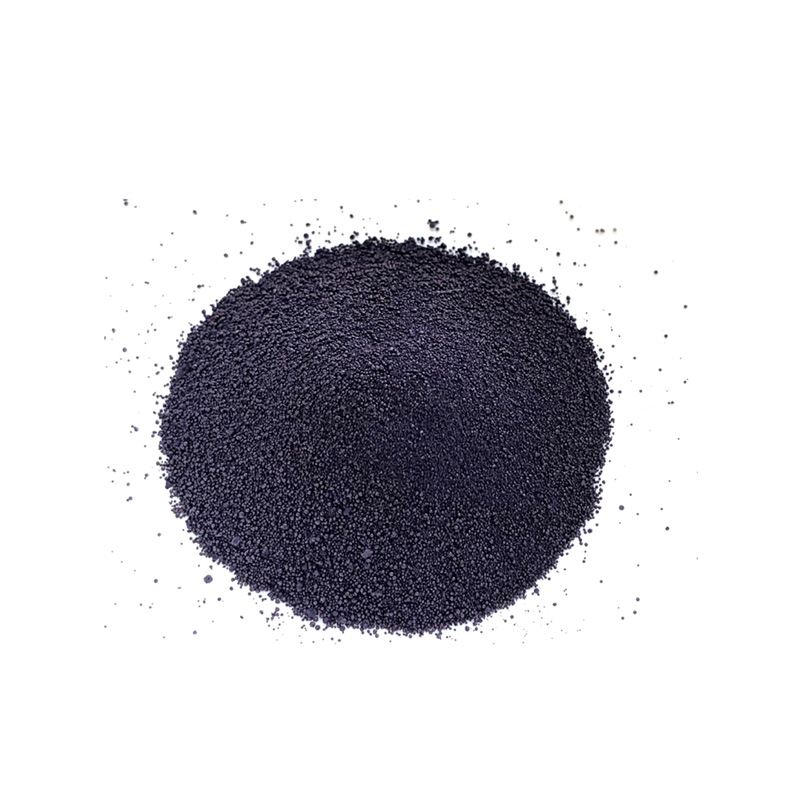
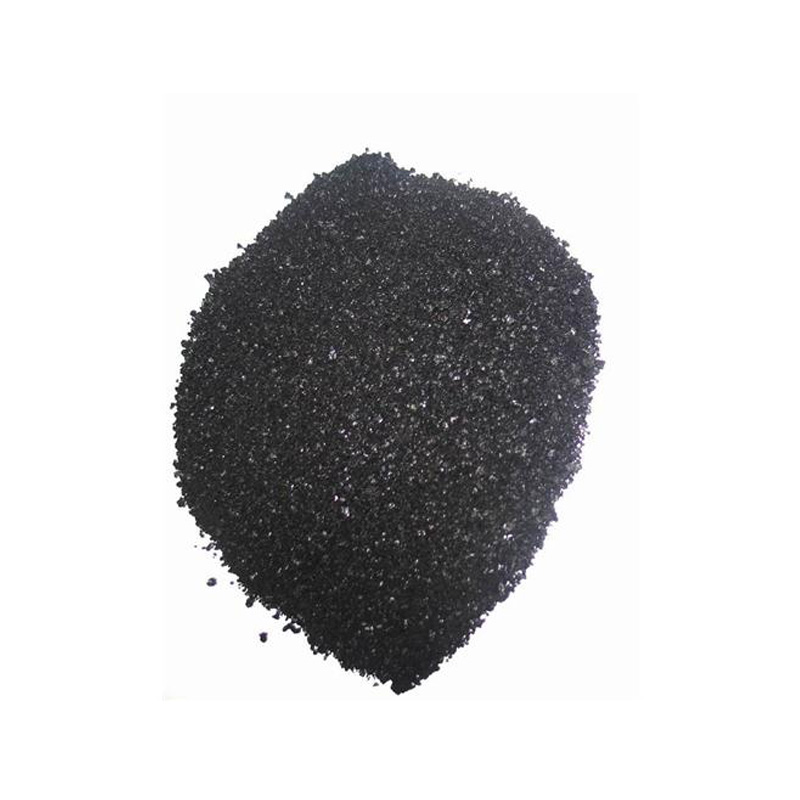
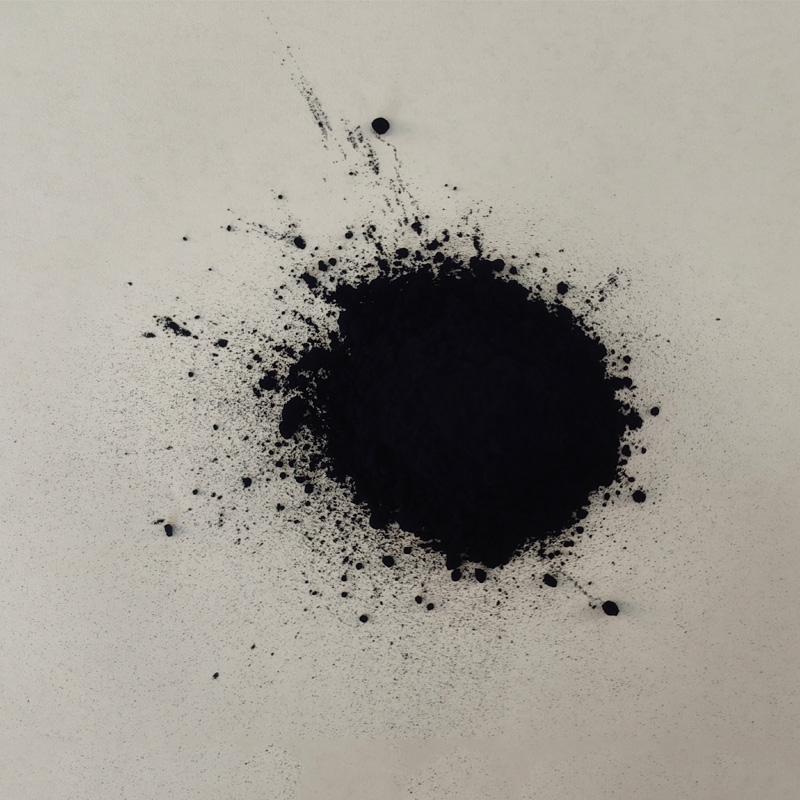
Nigeria's textile sector is currently navigating a transition from artisanal craftsmanship to large-scale industrialization. The high humidity and tropical climate of regions like Lagos and Kano significantly affect the drying and fixation processes of pure indigo dye, requiring chemically stable formulations that can withstand local environmental stress.
Economic fluctuations and the reliance on imported chemical precursors have created a gap in the supply of high-consistency bromo indigo powder. Local manufacturers often struggle with batch-to-batch inconsistency, which affects the export quality of Nigerian-made garments.
Despite these challenges, there is a surging demand for high-fastness dyes. The growth of the Nigerian fashion scene, particularly the blending of traditional patterns with modern denim, has pushed the market toward adopting professional-grade indigo source dye to ensure longevity and color depth.