
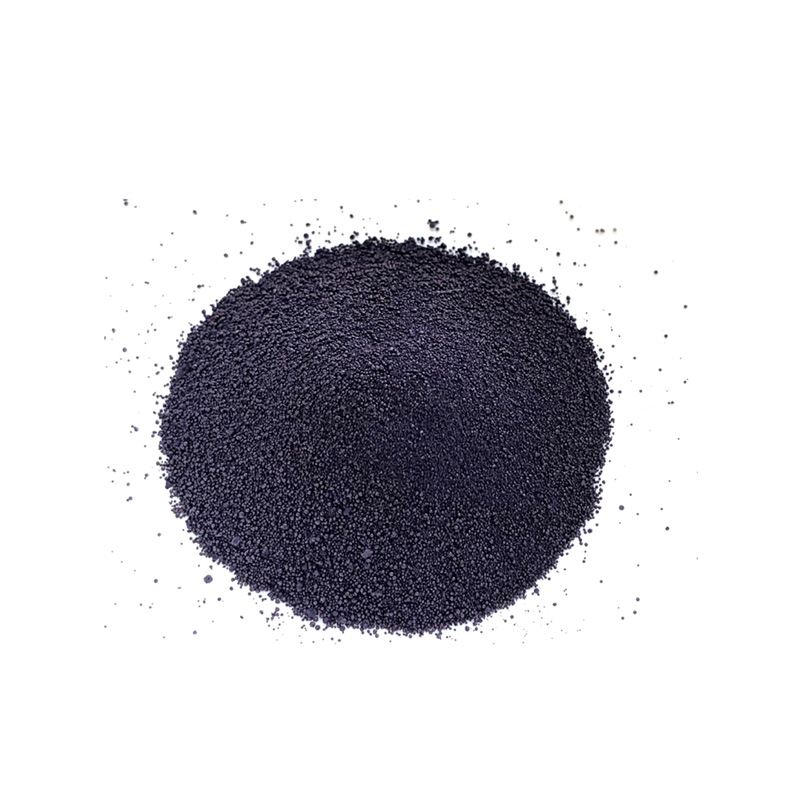
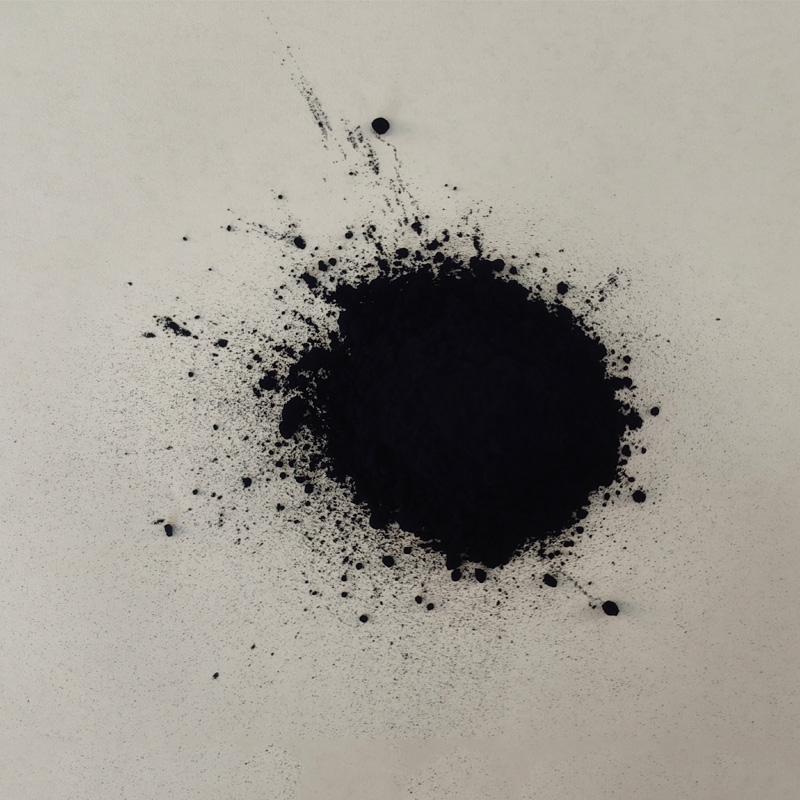
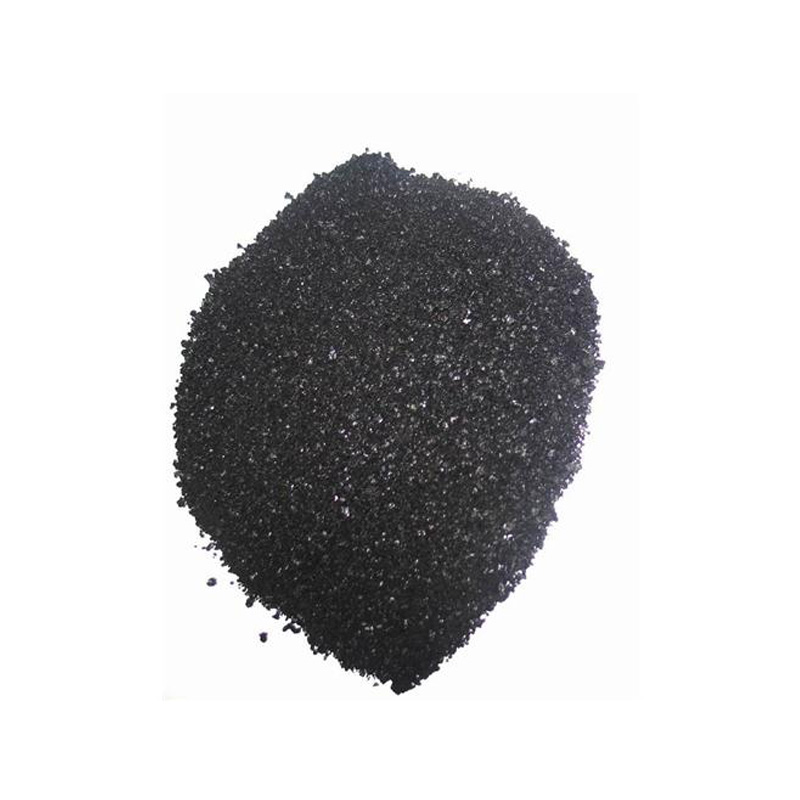
In the Democratic Republic of the Congo, the textile industry is currently transitioning from artisanal methods to small-scale industrialization. The high humidity of the Congo Basin presents significant challenges for the stability of sulphur black dyes, often leading to uneven fixation if not managed with precise chemical stabilizers.
Logistical constraints across the vast territory of the DRC make the sourcing of consistent indigo source dye difficult, forcing many local factories to rely on imported powders. There is a growing demand for high-purity reagents that can withstand the fluctuating temperatures of local workshops without compromising the color depth.
Economic shifts toward local garment production have increased the necessity for bromo indigo powder to achieve the standardized "denim look" required for urban markets in Kinshasa and Lubumbashi, moving away from inconsistent botanical extracts.