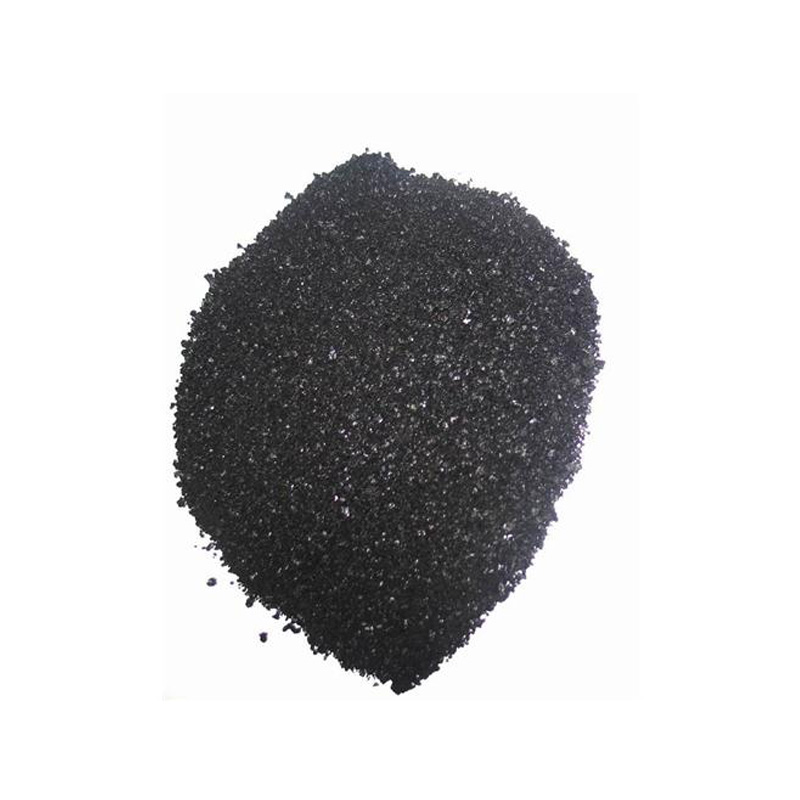
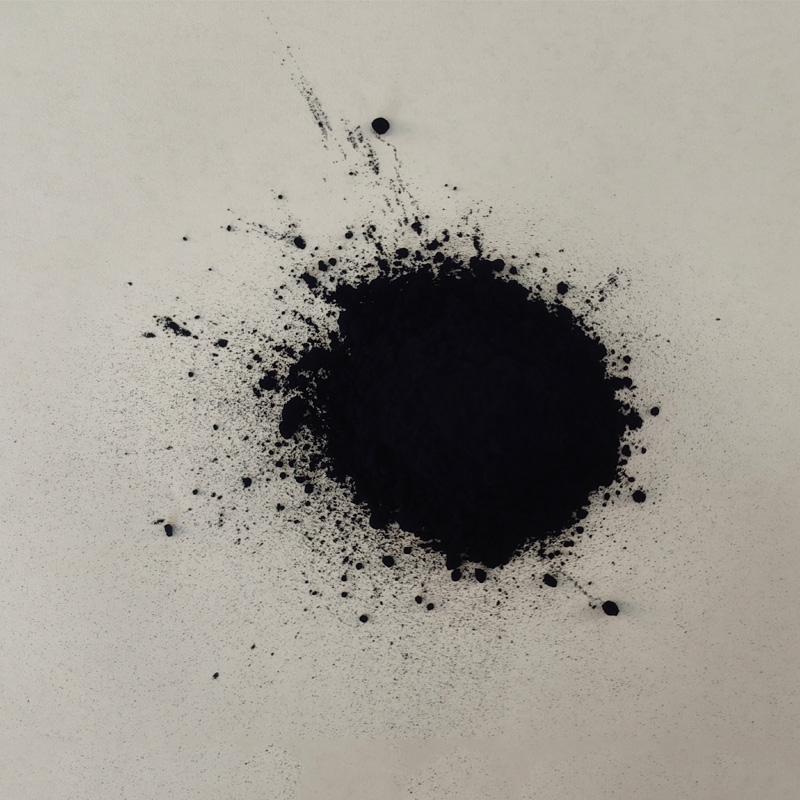
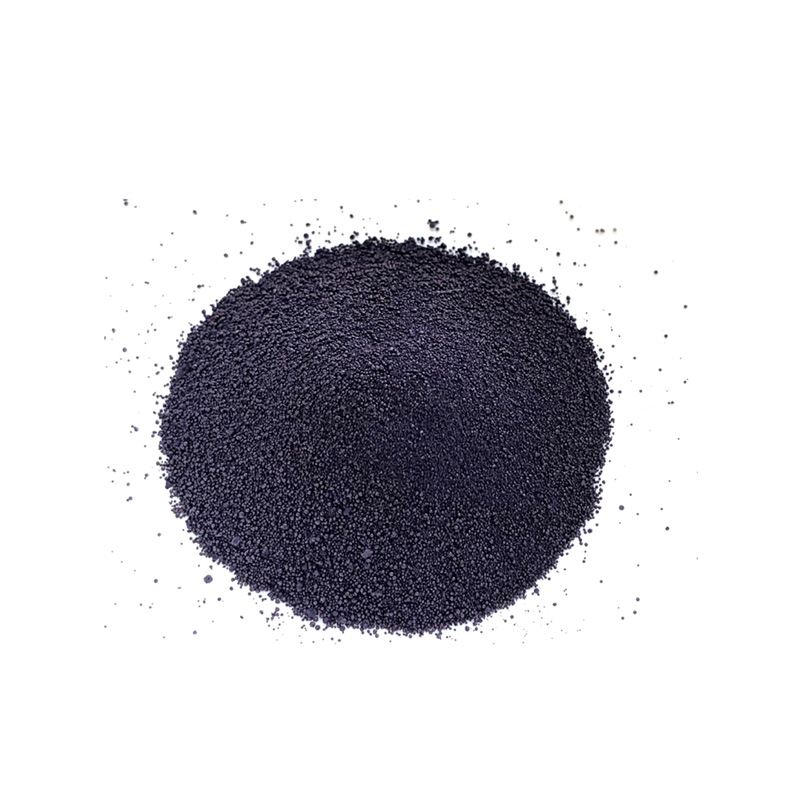
Industrial Dyeing Solutions for sulphur black dyes in Ghana

High-performance chemical coloring agents engineered for the West African textile industry, combining durability with precision shading.

Industrial Dyeing Solutions for sulphur black dyes in Ghana

Providing Ghana's manufacturing sector with premium grade dyes, ensuring color fastness and chemical stability for large-scale textile production.

Current State of Dye Manufacturing in Ghana

Analyzing the synergy between chemical raw materials and regional textile demands.

The Ghanaian textile market is currently characterized by a strong demand for deep, durable tones, where sulphur black dyes play a critical role in producing heavy-duty fabrics and traditional garments. Due to the humid tropical climate of Accra and Kumasi, the industry faces significant challenges regarding dye migration and moisture-induced fading.

Local manufacturers are increasingly shifting away from volatile organic compounds toward more stable pure indigo dye options to satisfy both domestic craftsmanship and international export standards. However, the supply chain for high-purity chemical precursors remains dependent on strategic imports to maintain consistency.

Despite these hurdles, the integration of bromo indigo powder has allowed local factories to achieve faster reduction rates and more uniform penetration in cotton blends, optimizing production cycles in the regional manufacturing hubs.

Evolution of Dyeing Technology in West Africa

From artisanal vats to automated chemical processing.

Market Development History

In the early 20th century, the region relied exclusively on botanical extracts. By the 1970s, the introduction of basic synthetic sulfur agents began to standardize the "black" and "dark blue" palettes essential for Ghanaian attire.

The 1990s marked a technical pivot where the transition to indigo source dye concentrations allowed for industrial-scale denim production, moving the industry from manual dipping to mechanized jet dyeing machines.

Entering the 2010s, the focus shifted toward "Eco-Efficiency." The adoption of pre-reduced powders reduced the need for heavy chemical reducing agents, significantly lowering the environmental impact on local water sources.

Future Development Trends

Sustainable Denim Innovation

The rise of natural indigo denim is predicted to grow as European export markets demand biodegradable and non-toxic dye cycles.

Digital Color Matching

Integration of AI-driven spectrophotometry will allow Ghanaian mills to match global color standards with 99% accuracy, reducing waste.

Waterless Dyeing Systems

Transitioning toward supercritical CO2 dyeing to eliminate the vast quantities of water typically required for sulfur and indigo processing.

Future Outlook for Chemical Dyeing in Ghana

Strategic directions for the next 3-5 years based on global search trends and industrial shifts.

Circular Economy Integration
Implementing closed-loop water systems to recycle sulfur agents and reduce chemical runoff into the Gulf of Guinea.
Bio-Synthetic Hybridization
Combining laboratory-pure pigments with natural Ghanaian botanical bases for unique "Afro-modern" textile aesthetics.
Low-Temperature Processing
Developing catalysts that allow dyeing at lower temperatures to reduce energy costs for SMEs in regional districts.
Supply Chain Digitalization
Using blockchain for raw material tracing to ensure "conflict-free" and "chemical-safe" sourcing for global audits.

Industry Outlook

Google search data indicates a growing trend in "sustainable fashion" within emerging African markets. This suggests that Ghana will transition from high-volume commodity dyeing to high-value, eco-certified textile production.

The future lies in the specialization of pigments. We expect a surge in demand for high-stability, low-impact powders that can be used in small-batch, high-margin artisanal luxury exports.

Localized Application Scenarios in Ghana

Practical implementation of advanced dyes in regional manufacturing.

1. Kente Cloth Industrialization

Using pure indigo dye to create deeper, more consistent blue backgrounds for contemporary Kente weaves, ensuring the colors do not bleed into contrasting gold threads.

2. Denim Manufacturing for Urban Youth

Application of natural indigo denim techniques for the burgeoning "Made in Ghana" streetwear brand movement, focusing on vintage washes and eco-friendly aesthetics.

3. Industrial Workwear Production

Utilizing sulphur black dyes for the production of durable overalls and uniforms for Ghana's mining and oil sectors, where abrasion resistance is paramount.

4. High-Efficiency Textile Mills

Integrating bromo indigo powder in automated dyeing lines in Tema to reduce reduction time by 20% and increase daily throughput.

5. Luxury Artisanal Exports

Leveraging a consistent indigo source dye to produce standardized, high-end indigo fabrics for the European and North American boutique markets.

Brand Story

Global Development Journey of Anping Wuxin Chemical Dye Co., Ltd.

Foundational Excellence

Established with a focus on high-purity organic pigments, solving the industry pain point of inconsistent color batches in large-scale production.

Technical Breakthroughs

Pioneered the stability of sulfur-based dyes, enabling manufacturers to achieve deep blacks without compromising fabric tensile strength.

Global Market Expansion

Extended operations into West Africa, tailoring chemical formulations to withstand tropical humidity and varying water hardness.

Sustainability Pivot

Invested in R&D for pre-reduced indigo solutions, reducing the global carbon footprint of the denim dyeing process.

Vision 2030

Committed to providing zero-waste chemical solutions for the next generation of textile manufacturers worldwide.

Comprehensive Product Portfolio for the Ghanaian Market

A curated selection of high-stability dyes designed for regional climatic and industrial conditions.

Common Questions from Ghanaian Textile Partners

Expert answers regarding dye application and stability in West Africa.

How does bromo indigo powder perform in high-humidity environments like Accra?

Our bromo indigo powder is engineered with enhanced moisture-barrier particles, ensuring it remains free-flowing and highly soluble even in humid conditions, preventing clumping during the reduction process.

What is the best way to apply sulphur black dyes to maintain fabric strength?

To prevent fiber degradation, we recommend a controlled pH environment and a gradual temperature ramp-up, which optimizes the bonding of sulphur black dyes without stressing the cellulose structure.

Can natural indigo denim be produced at a commercial scale in Ghana?

Yes, by combining botanical extracts with our stabilizing catalysts, mills can achieve the consistency required for natural indigo denim while maintaining the "hand-dyed" look desired by luxury markets.

Where can I source a stable indigo source dye for export-grade fabrics?

We provide a certified indigo source dye that meets international Oeko-Tex standards, ensuring that fabrics exported from Ghana to Europe or the US are free from restricted amines.

Is pure indigo dye compatible with synthetic blend fabrics?

Pure indigo dye is primarily optimized for cellulose fibers. For blends, we recommend a specialized pre-treatment process to ensure the dye adheres uniformly to the synthetic component.

How do I reduce water consumption when using industrial sulfur dyes?

Utilizing our high-concentration sulfur formulations allows for shorter rinse cycles and lower liquor ratios, significantly reducing the overall water footprint per kilogram of fabric.

Partner with the Dye Experts

Optimize your textile production with high-performance chemical solutions tailored for Ghana.

Contact Us Now

If you are interested in our products, you can choose to leave your information here, and we will be in touch with you shortly.