

ODM Vat Indigo - Reliable Industrial Vat Dye Solutions
ODM Vat Indigo: A Trusted Solution in Industrial Dyeing
If you’ve spent any time around textile or industrial dyeing floors, the name ODM Vat Indigo probably rings a bell. It’s a staple product that folks in this sector often mention when talking about reliability and consistency in vat dye applications. Frankly, after years working alongside engineers and production teams, I’ve come to appreciate the nuanced role it plays — beyond just being another chemical in the mix.
To start with, vat indigo isn’t an average dye; it’s a vat dye, meaning it undergoes a special reduction process that turns it soluble for fabric absorption before oxidizing back to its insoluble blue form. This process makes it incredibly colorfast and resistant to washing and wear, which is crucial for industries demanding durable textiles — think denim manufacturing or heavy-duty workwear. ODM’s formulation feels carefully balanced to optimize this reduction-oxidation cycle, ensuring consistent dye uptake without excessive chemical waste.
You know, it’s interesting how small variations in the chemical makeup or purity can cause all sorts of problems like uneven coloring, fabric damage, or even production downtime. What sets ODM Vat Indigo apart, in my experience, is their precise control over particle size and purity. They’ve clearly honed this over the years to deliver a product that integrates well into a range of vat dyeing setups — whether you are running continuous processes or batch dyeing. Oddly enough, some engineers I know swear by it because it “plays nice” even with older machinery.
Customization, too, is a big deal with ODM. If you call their technical team, you’ll notice they’re quite open to tweaking formulas based on customer feedback, fabric types, or even local water conditions. That kind of flexibility isn’t always common, frankly. I remember one client who struggled with low water pH ruining their shades; ODM worked closely with them to adjust the chemistry, and the results were almost immediate—better shade consistency, less waste, and happier operators.
| Specification | Details |
|---|---|
| Chemical Composition | Indigoid Vat Dye, >98% purity |
| Particle Size | Fine powder, median 5–10 µm |
| Solubility | Reduces to soluble form in alkaline bath |
| Shelf Life | 2 years in sealed packaging |
| Customization | Available upon request (particle size, purity) |
Now, when scouting for quality vat indigo, I often hear questions like: "How does ODM stack up against other producers?" It’s a valid question. To give you a clearer picture, here’s a quick comparison of ODM Vat Indigo with two other popular brands in this space:
| Feature | ODM Vat Indigo | Competitor A | Competitor B |
|---|---|---|---|
| Purity (%) | >98% | ~95–97% | ~96% |
| Particle Size (µm) | 5–10 | 10–15 | 8–12 |
| Customization | Yes | Limited | No |
| Price Competitiveness | Medium | Lower | Higher |
| Global Shipping | Yes | Yes | Limited regions |
Many industry insiders recount how switching to ODM helped reduce downtime caused by inconsistent dye quality and improved yield rates during production cycles. I recall a textile mill near Shanghai where the ODM product not only enhanced color depth but also lowered chemical residue, reducing rinsing needs. Small wins like those add up — especially when scale and cost-efficiency are non-negotiables.
In terms of environmental impact, vat dyes by nature can be challenging, but ODM appears to be mindful. They invest in quality control to minimize byproducts and support process safety guidelines, which, you know, is an essential factor given today’s stricter wastewater regulations worldwide. I’d say they’re on the right track, though there’s always room to improve.
So, if you’re in the market for a dependable vat indigo supplier that listens and adjusts to practical challenges, ODM Vat Indigo is worth serious consideration. It’s not just the chemistry; it’s the years of hands-on experience baked into their product and support.
Ultimately, in this field, trust forms over time — through consistent batches, open communication, and technical partnership. I suppose, if you ever need to combine tradition with innovation in vat dyeing, ODM will deliver that blend pretty well.
References:
- Industrial Dyeing Handbook, 2021 Edition
- Interview with Textile Process Engineers, 2019
- Wuxin Chemical Group Technical Reports, 2023
-
Mastering the Art of China Japanese Indigo Dyeing Traditions
NewsApr.16,2026
-
Exploring the Elegance of China Deep Indigo Color in Textiles
NewsApr.09,2026
-
Discover High Quality China Jeans Blue Indigo for Global Markets
NewsApr.07,2026
-
Exploring the Rich Tradition of China Natural Indigo Dyed Fabric
NewsApr.04,2026
-
Exploring China Indigo Color in Nature History and Modern Applications
NewsMar.31,2026
-
Discover High Quality China Pure Indigo Powder for Vibrant Natural Dyeing
NewsMar.28,2026
-
Exploring the Rich History of China True Blue Indigo Textiles
NewsMar.26,2026
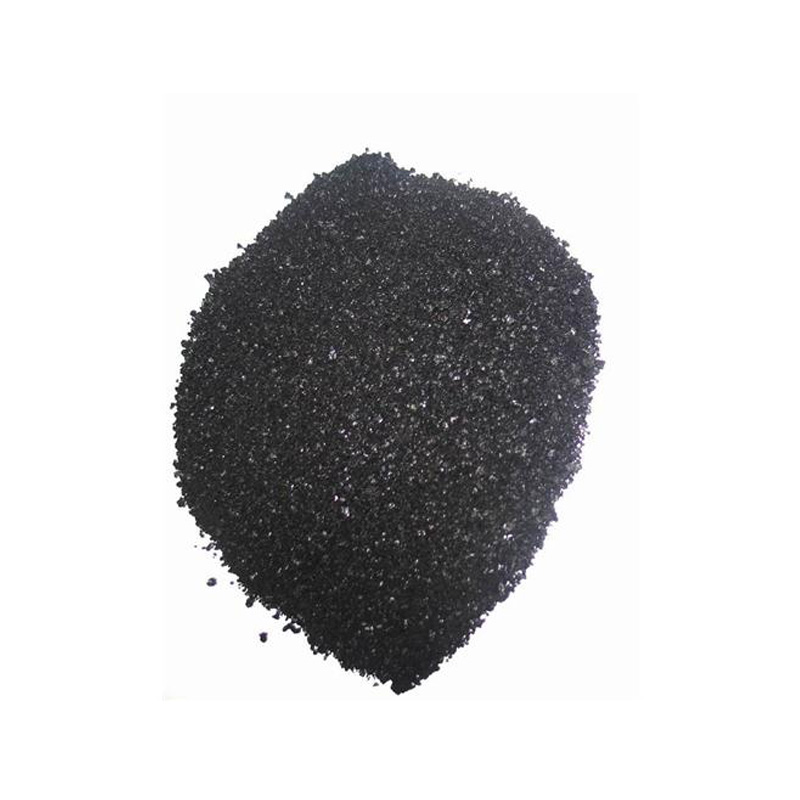
Sulphur Black
1.Name: sulphur black; Sulfur Black; Sulphur Black 1;
2.Structure formula:
3.Molecule formula: C6H4N2O5
4.CAS No.: 1326-82-5
5.HS code: 32041911
6.Product specification:Appearance:black phosphorus flakes; black liquid
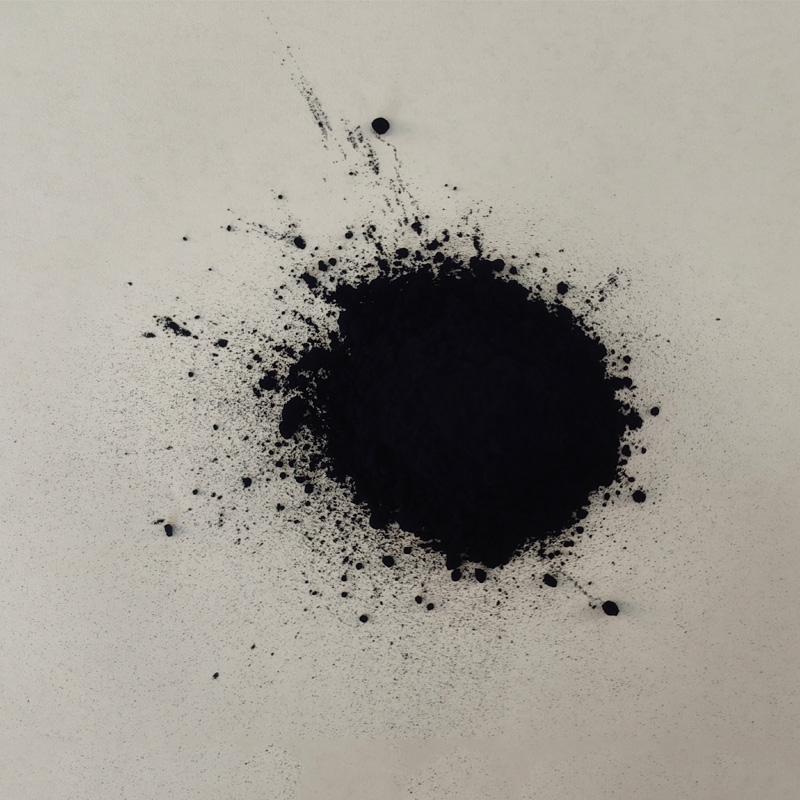
Bromo Indigo; Vat Bromo-Indigo; C.I.Vat Blue 5
1.Name: Bromo indigo; Vat bromo-indigo; C.I.Vat blue 5;
2.Structure formula:
3.Molecule formula: C16H6Br4N2O2
4.CAS No.: 2475-31-2
5.HS code: 3204151000 6.Major usage and instruction: Be mainly used to dye cotton fabrics.
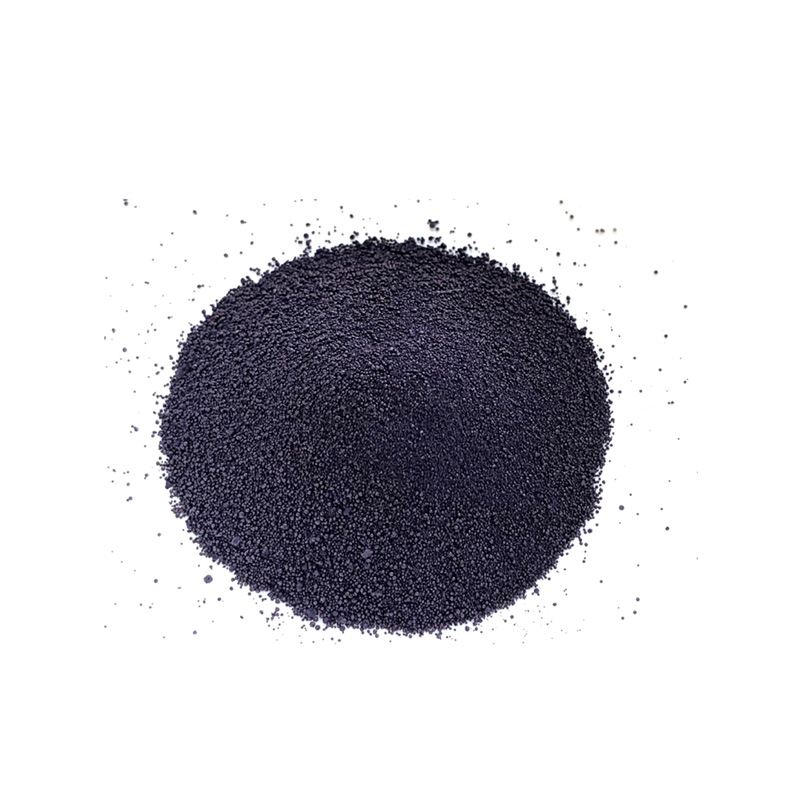
Indigo Blue Vat Blue
1.Name: indigo blue,vat blue 1,
2.Structure formula:
3.Molecule formula: C16H10N2O2
4.. CAS No.: 482-89-3
5.Molecule weight: 262.62
6.HS code: 3204151000
7.Major usage and instruction: Be mainly used to dye cotton fabrics.