Premium Dye Solutions for natural indigo denim in Vietnam

Empowering Vietnamese textile manufacturers with high-purity chemical agents and sustainable dyeing technologies for global competitiveness.

Premium Dye Solutions for natural indigo denim in Vietnam

Specializing in the supply of high-performance organic pigments and dyes tailored for the humid climate and industrial scale of the Vietnam textile hub.

The Current Landscape of Dyeing Industry in Vietnam

Analyzing the synergy between regional raw material availability and industrial demand.

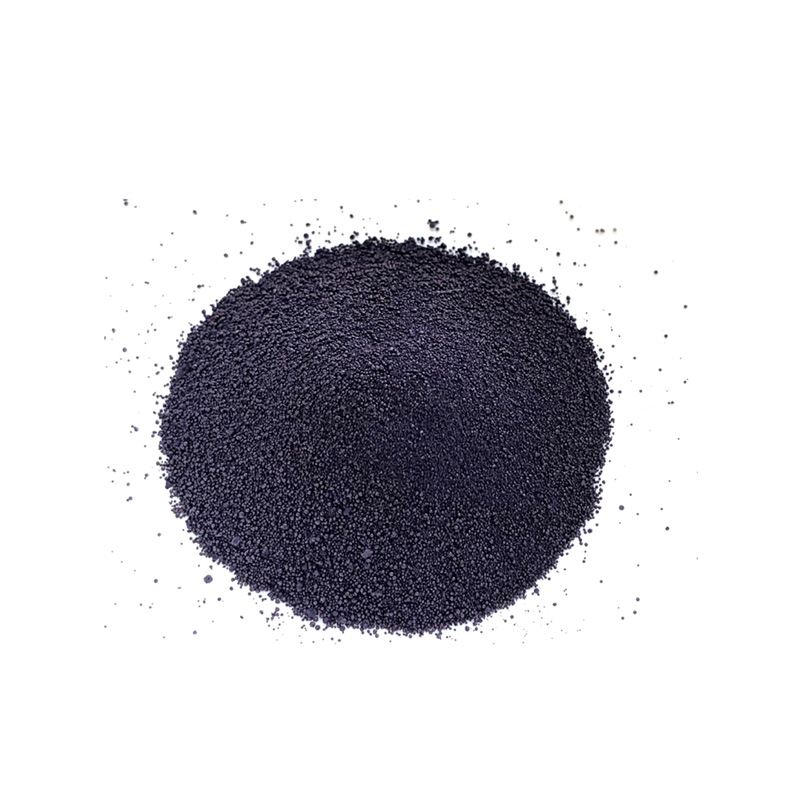
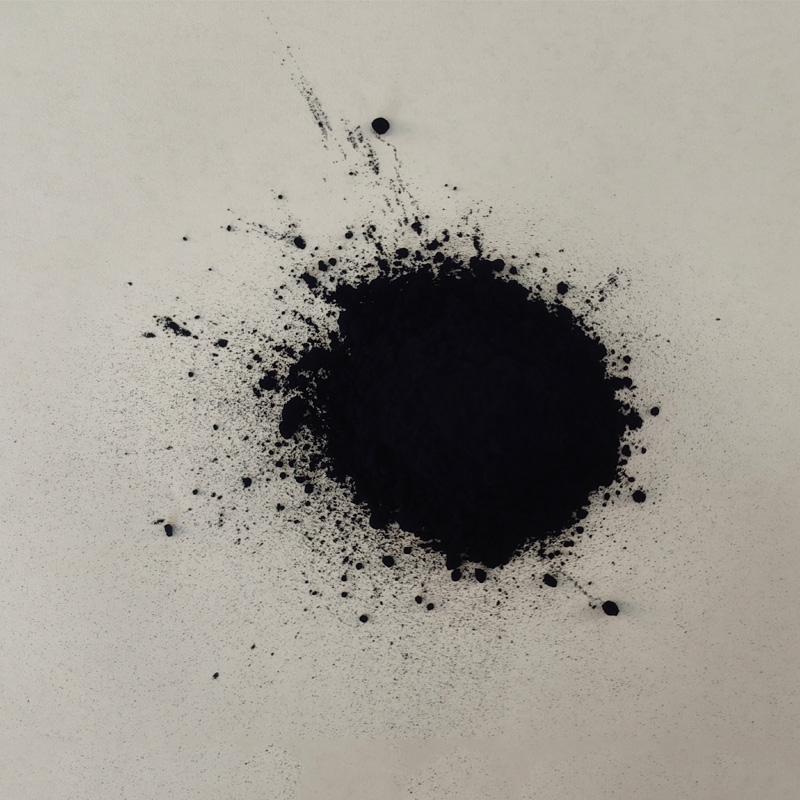
Vietnam's textile sector is currently transitioning from low-cost assembly to high-value material production. The high humidity and tropical climate of Asia - Vietnam demand specific chemical stability in dyes, making the use of pure indigo dye essential for ensuring color fastness in premium denim exports.

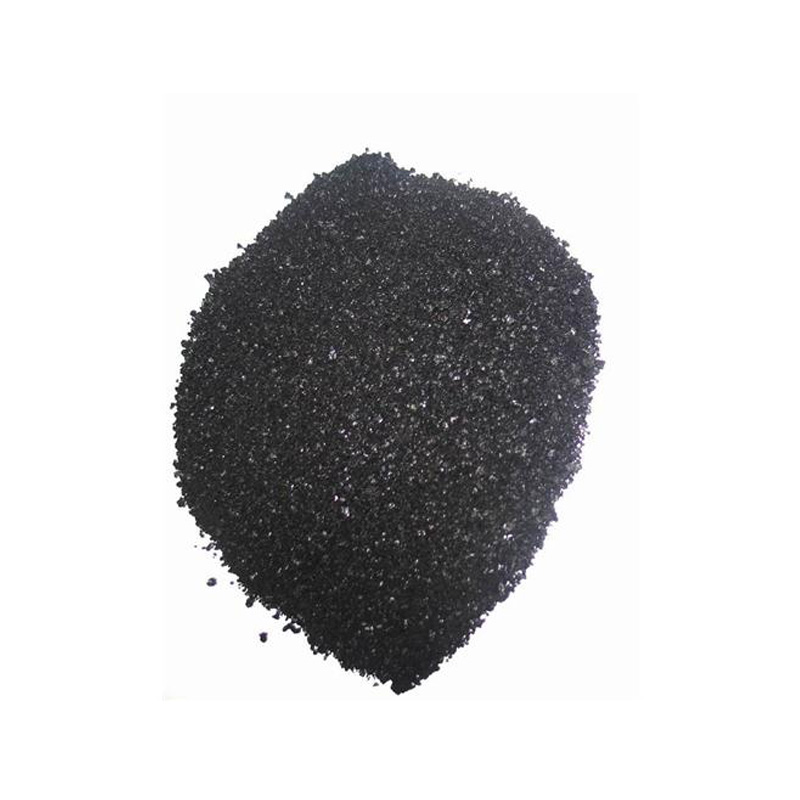
Economically, the shift toward sustainable fashion has pushed local factories to move away from traditional heavy-metal pigments toward more refined options like sulphur black dyes, which offer the deep saturation required by global brands while meeting stricter environmental discharge standards.

The market is currently characterized by a dual-track system: large-scale industrial zones in Binh Duong and Dong Nai utilizing advanced synthetic agents, and artisanal clusters reviving traditional methods using a reliable indigo source dye to cater to the growing "eco-friendly" luxury market.

Technical Evolution and Development Trajectory

From traditional vat dyeing to precision chemical engineering.

Market Development History

Between 1990 and 2010, the Vietnamese dyeing industry relied heavily on basic imported pigments with limited consistency. The focus was primarily on volume, using basic sulphur-based compounds for mass-market apparel.

From 2010 to 2020, a technical pivot occurred. The introduction of bromo indigo powder allowed for more precise shade control and faster reduction times, significantly increasing the throughput of denim factories in the region.

In the current era (2021-present), the focus has shifted to "Green Chemistry." The integration of automated dosing systems and bio-compatible carriers has redefined how pure pigments are applied to cotton and blended fabrics.

Future Development Trends

Digital Dyeing Integration

Expect a surge in AI-driven color matching that minimizes waste by precisely calculating the required ratio of indigo and auxiliary agents.

Closed-Loop Water Systems

Future facilities will implement zero-liquid discharge (ZLD) systems, requiring dyes with higher solubility and lower toxicity to facilitate recycling.

Bio-Synthetic Hybridization

The trend is moving toward combining synthetic efficiency with natural aesthetics, blending lab-grown indigo with organic bases for a sustainable footprint.

Industry Trends and Future Outlook

Strategic foresight for the next 3-5 years in the chemical dye sector.

Eco-Certification Demand
Increasing demand for OEKO-TEX and GOTS certified dyes as Vietnam exports more to the EU and US.
High-Concentration Formulas
Shift toward ultra-concentrated powders to reduce shipping costs and storage space in urban factories.
Automation Readiness
Dyes formulated for automatic dispensing systems to ensure batch-to-batch consistency.
Waste-Water Synergy
Development of dyes that are easier to precipitate and remove during the treatment process.

Industry Outlook

Google search trends indicate a significant spike in "sustainable denim" and "organic dyeing" queries within the Southeast Asian market. This suggests that the future of the Vietnamese dye industry lies in the intersection of chemical precision and environmental ethics.

We anticipate that within 5 years, the adoption of bio-based reducing agents will become standard, further enhancing the efficiency of indigo application while reducing the carbon footprint of the textile supply chain.

Localized Application Scenarios in Vietnam

Practical implementations of high-performance dyes across various Vietnamese production sectors.

1. Export-Grade Denim Production in Ho Chi Minh City

Utilizing bromo indigo powder to achieve the precise "vintage wash" required by high-end European fashion brands, ensuring rapid turnaround times.

2. Specialized Black Apparel for Industrial Uniforms

Applying high-stability sulphur black dyes to workwear fabrics that must withstand frequent heavy-duty washing and intense sunlight exposure.

3. Boutique Sustainable Fashion Labels in Hanoi

Implementation of natural indigo denim processes for artisanal collections, targeting the conscious consumer who values heritage and ecology.

4. Large-Scale Cotton Fabric Pre-treatment

Integrating a standardized indigo source dye for bulk fabric dyeing, creating a consistent base for subsequent garment-dyeing processes.

5. Luxury Silk and Linen Blends

Using ultra-purified pure indigo dye to maintain the delicacy of the fiber while achieving a deep, saturated blue that doesn't bleed.

Brand Story

Global Development Journey of Anping Wuxin Chemical Dye Co., Ltd.

Foundational Precision

Established with a mission to solve the inconsistency of organic pigments, we began by perfecting the synthesis of high-purity indigo bases.

Technological Breakthrough

We pioneered the optimization of bromo-based indigo powders, reducing chemical waste by 15% while improving color saturation.

Global Expansion

Expanding into Asia - Vietnam, we adapted our formulas to suit the tropical climate, ensuring our dyes remain stable under extreme humidity.

Sustainability Pivot

Investing in R&D to create eco-friendly sulphur dyes, bridging the gap between industrial efficiency and environmental responsibility.

Industry Leadership

Today, we stand as a trusted partner for the world's leading denim producers, delivering purity and performance in every gram of powder.

Comprehensive Dye Portfolio for Vietnam Market

A full suite of chemical solutions designed for maximum efficiency and environmental compliance.

Common Technical Inquiries in Vietnam

Expert answers to the most frequent challenges faced by local dye houses.

How does bromo indigo powder perform in high-humidity environments?

Our bromo indigo powder is treated with advanced anti-caking agents, preventing clumping and ensuring uniform dissolution even in the humid climate of Vietnam.

Can sulphur black dyes be used with sustainable finishing agents?

Yes, our sulphur black dyes are formulated to be compatible with most bio-based softeners and eco-friendly finishing resins used in modern textile mills.

What is the difference between natural indigo denim and synthetic indigo?

Natural indigo denim utilizes plant-derived pigments which offer unique aging properties, whereas synthetic versions provide higher consistency and scalability for mass production.

How to ensure the stability of indigo source dye during transport?

We use vacuum-sealed, UV-protected packaging to ensure the chemical integrity of the indigo source dye remains intact during sea freight to Vietnamese ports.

Is pure indigo dye compatible with automated dispensing systems?

Absolutely. Our pure indigo dye is micronized to a specific particle size that prevents clogging in automated dosing pumps and ensures a seamless mix.

What are the wastewater treatment requirements for these dyes?

Our dyes are designed for easy precipitation. We recommend standard coagulation and flocculation processes to meet the strict environmental laws of Vietnam.

Optimize Your Dyeing Process Today

Get professional technical support and high-purity chemical supplies delivered directly to your facility in Vietnam.

Contact Us Now

If you are interested in our products, you can choose to leave your information here, and we will be in touch with you shortly.