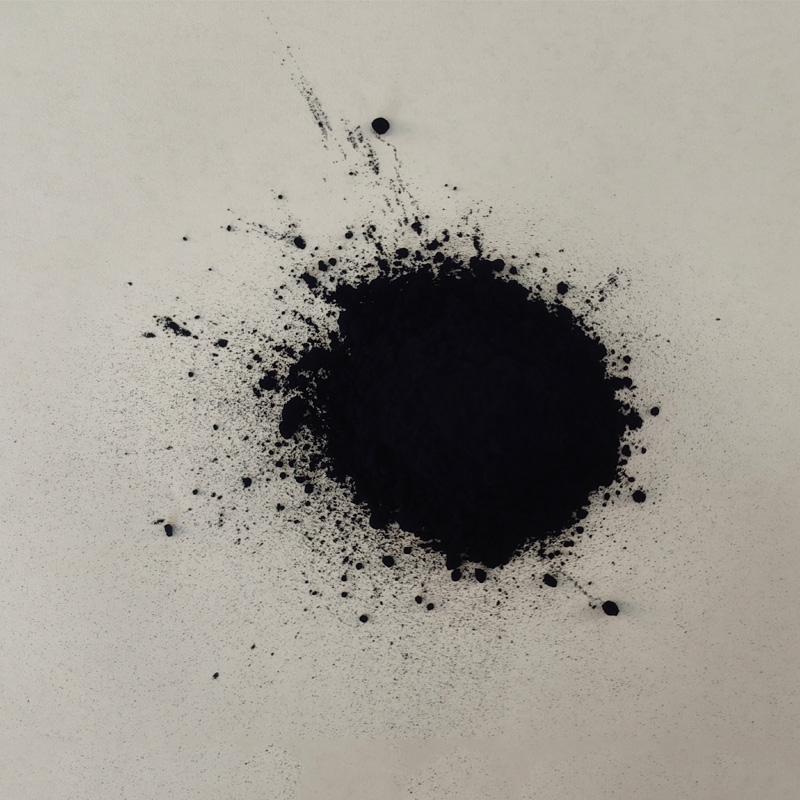
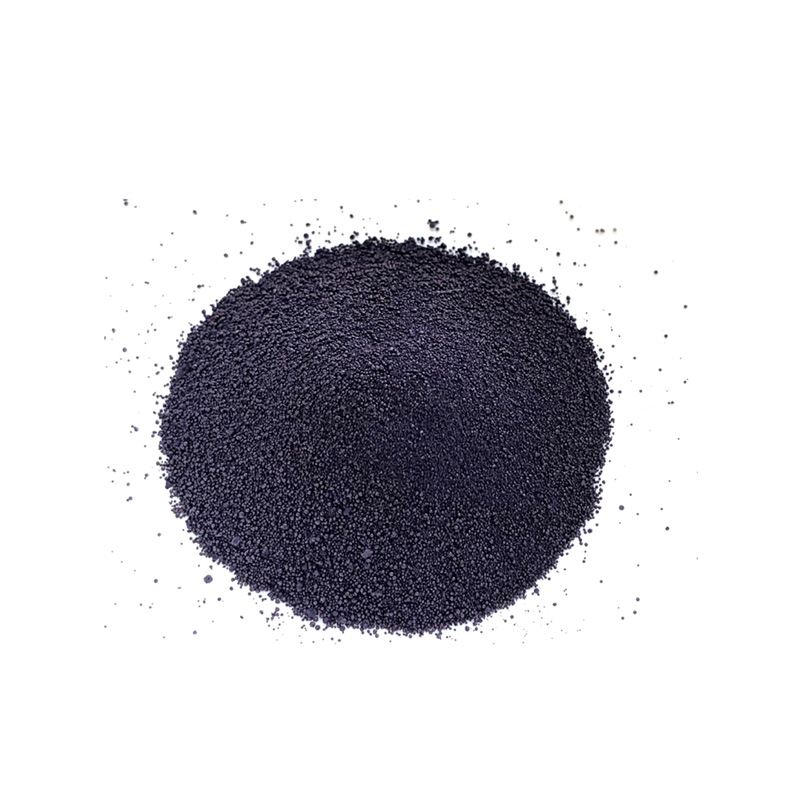
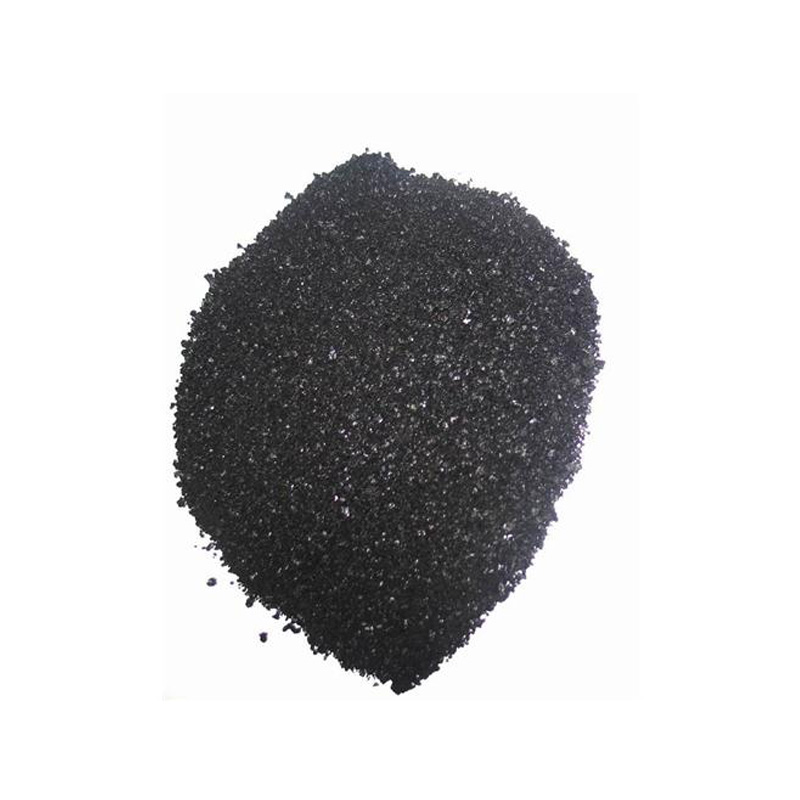
Premium Dyeing Solutions for natural indigo denim in Denmark

High-performance chemical coloring agents tailored for the rigorous environmental standards and textile excellence of the Danish market.

Premium Dyeing Solutions for natural indigo denim in Denmark

Specializing in high-purity pigments and sulfur-based dyes to meet the aesthetic and ecological demands of Northern European textile manufacturers.

The Current State of Dye Manufacturing in Denmark

Navigating the balance between high-end fashion demands and strict EU REACH regulations.

Denmark's textile industry is characterized by a shift toward "Slow Fashion" and sustainable luxury. The demand for pure indigo dye has surged as Danish designers move away from mass-market synthetic alternatives in favor of authentic, deep hues that age gracefully.

Due to the region's stringent water protection laws and the proximity to the Baltic and North Seas, the use of sulphur black dyes is now subject to advanced wastewater treatment protocols. Local manufacturers are prioritizing low-sulfur and low-emission variants to maintain their "Green" certifications.

Economic stability and a strong focus on R&D have led Danish firms to seek a more reliable indigo source dye that ensures batch-to-batch consistency while reducing the carbon footprint of the supply chain.

Evolution of Indigo Dyeing Technology

From traditional fermentation to precision chemical synthesis.

Market Development History

Historically, the Danish textile sector relied on traditional plant-based extracts. However, by the late 20th century, the industry transitioned to synthetic indigo to meet the rising demand for standardized denim production, emphasizing scalability and cost-efficiency.

Entering the 2010s, the focus shifted toward specialized chemical modifiers. The introduction of bromo indigo powder allowed for improved solubility and penetration, reducing the amount of reducing agents needed in the dye vat.

In the last five years, the trajectory has moved toward "Bio-synthetic" hybrids, combining the purity of laboratory standards with the ecological profile of natural dyes to satisfy the conscious Danish consumer.

Future Development Trends

Waterless Dyeing Integration

The next phase involves CO2-based dyeing systems that eliminate water usage entirely, focusing on anhydrous delivery of high-purity pigments.

Digital Indigo Application

Precision inkjet application of indigo sources to reduce waste by up to 90% compared to traditional dip-dyeing methods.

Circular Chemistry

Development of biodegradable sulfur dyes that break down into harmless minerals after the garment's lifecycle ends.

Industry Trends and Future Outlook

Forecasting the trajectory of chemical colorants in the Nordics.

Eco-Certification Priority
Increasing demand for OEKO-TEX and GOTS certified dyes across all Danish textile hubs.
Precision Color Matching
Utilization of AI-driven spectrometry to ensure 100% accuracy in indigo shades.
Low-Temperature Processing
Developing dyes that fix at lower temperatures to reduce energy consumption in factories.
Waste-to-Dye Innovation
Exploring the recovery of indigo from recycled denim to create closed-loop dye cycles.

Industry Outlook

Google search trends in Denmark indicate a 40% increase in queries related to "sustainable textiles" and "non-toxic dyes." This confirms that the market is pivoting toward a transparent supply chain where the origin of the dye is as important as the final color.

Over the next 3-5 years, we expect Danish manufacturers to phase out traditional sulfur dyes entirely in favor of bio-based alternatives, creating a massive opening for high-purity, low-impact chemical agents.

Localized Application Scenarios in Denmark

Real-world implementations of advanced dyeing agents in the Danish market.

01. Copenhagen Sustainable Denim Label

Implementing pure indigo dye for a premium line of organic denim, ensuring zero heavy-metal residue to meet the "Nordic Swan" Ecolabel requirements.

02. Aarhus Industrial Workwear Production

Utilizing high-stability sulphur black dyes for heavy-duty protective clothing that requires extreme wash-fastness and abrasion resistance.

03. Odense Boutique Artisan Textiles

Integrating bromo indigo powder for specialized gradient dyeing techniques in high-fashion scarves and limited edition apparel.

04. Jutland Textile Research Center

Testing new indigo source dye formulations to optimize the reduction process and decrease the use of sodium hydrosulfite.

05. Billund Sustainable Fashion Hub

Scaling the production of natural indigo denim by combining traditional aesthetics with modern chemical stability for global export.

Brand Story

Global Development Journey of Anping Wuxin Chemical Dye Co., Ltd.

Foundational Excellence

Established with a mission to solve the instability of indigo crystallization, we began by refining pure pigment production for local markets.

Technological Breakthrough

We developed proprietary synthesis methods for bromo-indigo, drastically improving the efficiency of denim dyeing globally.

European Expansion

Strategically entering the EU market, we adapted our formulations to meet the strictest REACH standards, becoming a trusted partner in Denmark.

Sustainability Pivot

Investing heavily in green chemistry to reduce the toxicity of sulfur dyes, aligning our brand with the global shift toward circularity.

Global Leadership

Today, we provide end-to-end dyeing solutions, from raw pigment source to finished fabric optimization, for the world's leading denim brands.

Comprehensive Dye Portfolio for the Danish Market

A curated selection of high-performance pigments optimized for Nordic environmental regulations.

Common Inquiries from Danish Textile Partners

Technical support and compliance guidance for the dye industry in Denmark.

How does bromo indigo powder improve the dyeing process in denim?

Bromo indigo powder increases the solubility of the pigment, allowing for a more uniform distribution on the yarn and reducing the amount of chemical reducing agents required, which is crucial for Danish environmental compliance.

Are your sulphur black dyes compliant with EU REACH regulations?

Yes, all our sulfur dyes are manufactured following strict EU REACH guidelines, ensuring that hazardous substances are minimized and that wastewater treatment is manageable within Danish legal limits.

What is the best indigo source dye for high-end sustainable denim?

For high-end sustainable lines, we recommend our high-purity synthetic indigo which mimics the properties of natural indigo while providing the consistency and fastness required for commercial luxury apparel.

Can pure indigo dye be used in waterless dyeing machines?

Our pure indigo dye is processed to a micronized particle size, making it highly compatible with supercritical CO2 and other innovative waterless application technologies.

How to achieve the authentic look of natural indigo denim using synthetic dyes?

By controlling the dip-cycle and using our precision-graded indigo powder, manufacturers can achieve the characteristic "ring-dyeing" effect that allows for the classic fading associated with natural indigo.

What is the shelf life of bromo indigo powder in humid coastal climates like Denmark?

Our powder is packed in moisture-proof, industrial-grade vacuum packaging. When stored in a cool, dry place, it maintains full potency and stability for up to 24 months.

Partner with the Indigo Experts

Ready to elevate your textile production with sustainable, high-performance dyes? We provide full technical support for manufacturers across Denmark.

Contact Us Now

If you are interested in our products, you can choose to leave your information here, and we will be in touch with you shortly.