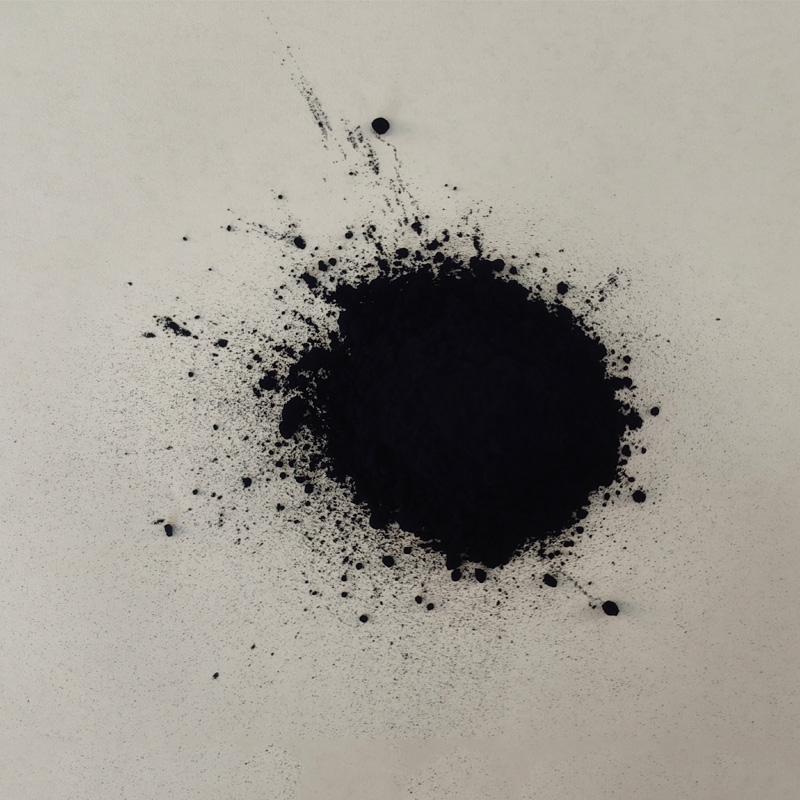
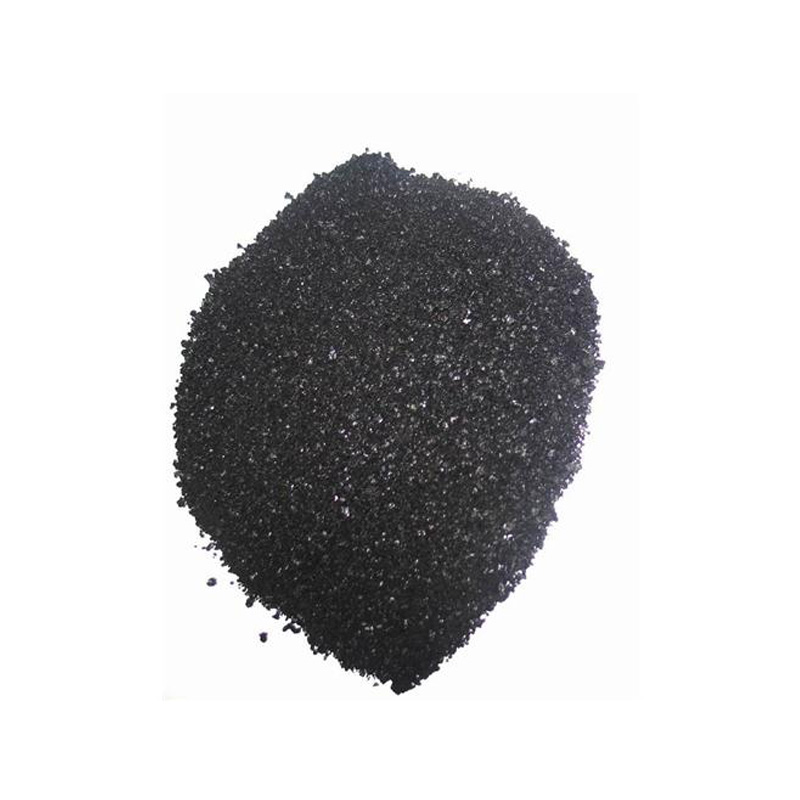
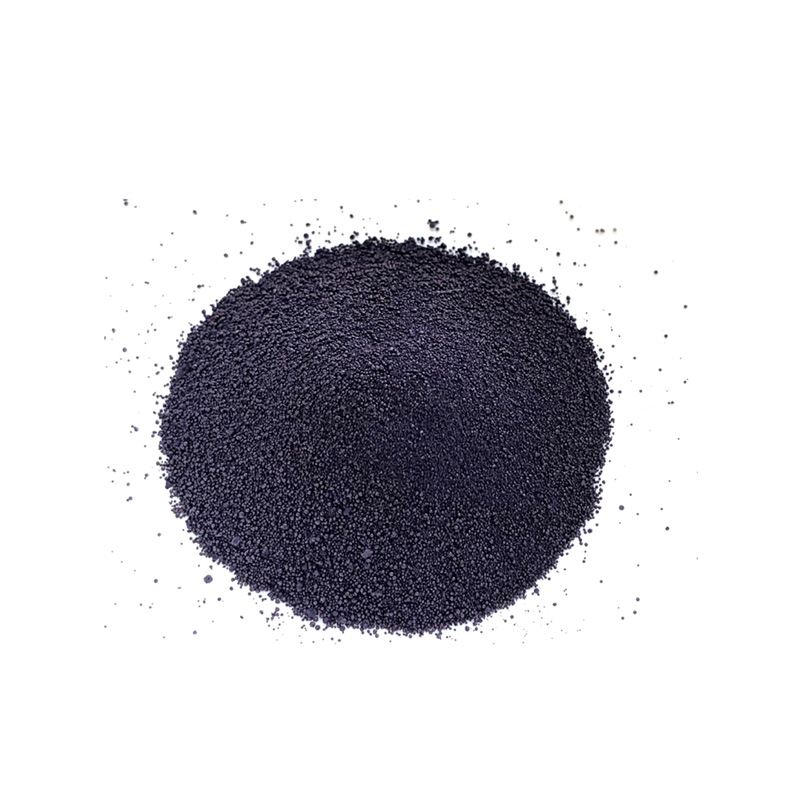
Premium Dyeing Solutions for sulphur black dyes in Cambodia

Empowering the Cambodian textile industry with high-performance chemical pigments and sustainable dyeing technologies for global export standards.

Premium Dyeing Solutions for sulphur black dyes in Cambodia

We provide high-purity chemical dyes tailored for Cambodia's booming garment sector, ensuring color fastness and environmental compliance for international brands.

Textile Chemical Landscape in Cambodia

Analyzing the intersection of garment manufacturing and chemical dye demand in Southeast Asia.

Cambodia's textile industry is a cornerstone of its national economy, primarily driven by the export of apparel. The demand for pure indigo dye has surged as the country shifts from basic assembly to high-value denim production to meet EU and US market requirements.

Due to the humid tropical climate of Cambodia, the stability of dye powders during storage and transportation is a critical challenge. Local factories require specialized bromo indigo powder that resists clumping and maintains consistent solubility in high-humidity environments.

Environmental regulations in Cambodian industrial zones are tightening. There is a significant move toward reducing sulfur emissions and water pollution, prompting a transition from traditional methods to more refined sulphur black dyes that offer better exhaustion rates and lower toxicity.

Evolution of Dyeing Technology in Cambodia

From artisanal coloring to industrial-scale chemical precision.

Market Development History

In the early 2000s, the Cambodian market relied heavily on imported pre-dyed fabrics. However, by 2010, the establishment of local dyeing houses created a surge in demand for raw indigo source dye to enable local color customization.

Between 2015 and 2020, the industry underwent a "Quality Revolution." Manufacturers shifted from low-cost, unstable pigments to standardized chemical powders, integrating automated dosing systems to ensure batch-to-batch consistency in denim shades.

Currently, the focus has shifted toward "Eco-Denim." The integration of natural indigo denim processes has become a competitive advantage for Cambodian factories seeking "Green Factory" certifications from global auditors.

Future Development Trends

Digital Dyeing Integration

We predict a shift toward precision digital application of dyes, reducing chemical waste by 30% over the next 3 years.

Bio-Based Pigment Adoption

Search trends indicate a rising demand for biodegradable auxiliaries that complement synthetic dyes to meet ESG goals.

Closed-Loop Water Systems

The implementation of zero-liquid discharge (ZLD) systems will become mandatory for large-scale dyeing plants in Cambodia by 2027.

Industry Trends and Future Outlook

Strategic directions for chemical dye application in the Cambodian textile hub.

Eco-Friendly Chemistry
Transitioning toward low-salt and low-water dyeing processes to protect Cambodian waterways.
High-Fixation Rates
Developing dyes with superior affinity to cotton fibers to reduce rinsing cycles in industrial plants.
Supply Chain Agility
Optimizing logistics for raw pigment delivery to ensure zero-downtime for Cambodian garment hubs.
Smart Color Matching
Using AI-driven spectroscopy to match pure dye shades with global fashion trends instantly.

Industry Outlook

The Cambodian dyeing sector is poised for a transformation from a labor-intensive model to a technology-driven one. As global brands demand higher traceability, the use of certified pure indigo dye will become the baseline for market entry.

Future growth will be characterized by the fusion of traditional craftsmanship and advanced chemical engineering, ensuring that Cambodian textiles remain competitive in an era of sustainable fashion.

Localized Application Scenarios in Cambodia

Practical implementations of high-grade dyes in the Cambodian industrial environment.

01. High-End Denim Export Production

Utilizing natural indigo denim techniques for luxury garment exports to the EU, focusing on the "vintage wash" aesthetic while maintaining strict OEKO-TEX compliance.

02. Industrial Workwear Dyeing

Application of heavy-duty sulphur black dyes for the production of durable uniforms for Cambodia's construction and logistics sectors, ensuring high rub-fastness.

03. Boutique Textile Artisanship

Implementing indigo source dye in small-to-medium enterprises (SMEs) to create traditional Cambodian patterns with modern color vibrancy.

04. Rapid-Response Fashion Cycles

Using bromo indigo powder for fast-fashion denim lines that require rapid dissolution and consistent shading for tight delivery deadlines.

05. Sustainable Apparel Initiatives

Combining pure indigo dye with water-saving dyeing machinery in Phnom Penh industrial zones to reduce the environmental footprint per garment.

Brand Story

Global Development Journey of Anping Wuxin Chemical Dye Co., Ltd.

Foundational Excellence

Established with a mission to solve the instability of organic pigments, we began by perfecting the synthesis of pure chemical dyes for the local market.

Technological Breakthrough

We pioneered advanced stabilization techniques for indigo powders, solving the critical pain point of oxidation during long-distance shipping.

Global Expansion

Expanding our footprint into Southeast Asia, specifically Cambodia, we adapted our chemical formulas to suit tropical industrial conditions.

Sustainability Shift

Investing in R&D to replace hazardous auxiliaries with eco-friendly alternatives, aligning our brand with global sustainable fashion trends.

Industry Leadership

Today, we stand as a trusted partner for the world's leading garment manufacturers, delivering purity, precision, and performance.

Comprehensive Dye Portfolio for Cambodia

A complete range of chemical solutions designed for the unique needs of the Cambodian textile market.

Cambodia Textile Dyeing FAQs

Expert answers to the most common technical questions from Cambodian manufacturers.

How to ensure the stability of bromo indigo powder in Cambodia's humidity?

We recommend vacuum-sealed packaging and climate-controlled storage. Our specialized formulation includes anti-caking agents specifically for tropical climates.

Which sulphur black dyes are best for high-rub-fastness denim?

Our refined sulphur black series offers superior molecular bonding to cotton, reducing pigment migration and increasing the life of the garment.

Can natural indigo denim be produced at an industrial scale in Cambodia?

Yes, by utilizing our standardized natural-base dyes and automated reduction vats, factories can achieve consistent shades across large batches.

What is the advantage of using a high-purity indigo source dye?

Higher purity eliminates unwanted impurities that cause spotting or uneven shading, resulting in a cleaner, more professional finish for export apparel.

How does pure indigo dye impact wastewater treatment in Phnom Penh plants?

Our pure dyes have higher exhaustion rates, meaning less dye remains in the effluent, significantly reducing the load on chemical wastewater treatment plants.

Are your chemical dyes compliant with EU REACH regulations for Cambodian exports?

Absolutely. All our products are formulated to meet and exceed REACH and OEKO-TEX Standard 100 requirements for the global market.

Ready to Elevate Your Textile Quality?

Contact our technical experts today for customized chemical dye solutions tailored for the garment industry in Cambodia.

Contact Us Now

If you are interested in our products, you can choose to leave your information here, and we will be in touch with you shortly.