Premium Indigo Solutions for pure indigo dye in Indonesia

Empowering the Indonesian textile industry with high-performance dyeing agents and sustainable pigment technologies for world-class denim production.

Premium Indigo Solutions for pure indigo dye in Indonesia

Providing an integrated ecosystem of high-purity dye powders and specialized chemicals tailored for the unique humidity and textile requirements of the Indonesian market.

The State of Textile Dyeing in Indonesia

Analyzing the intersection of traditional craftsmanship and industrial chemical demand.

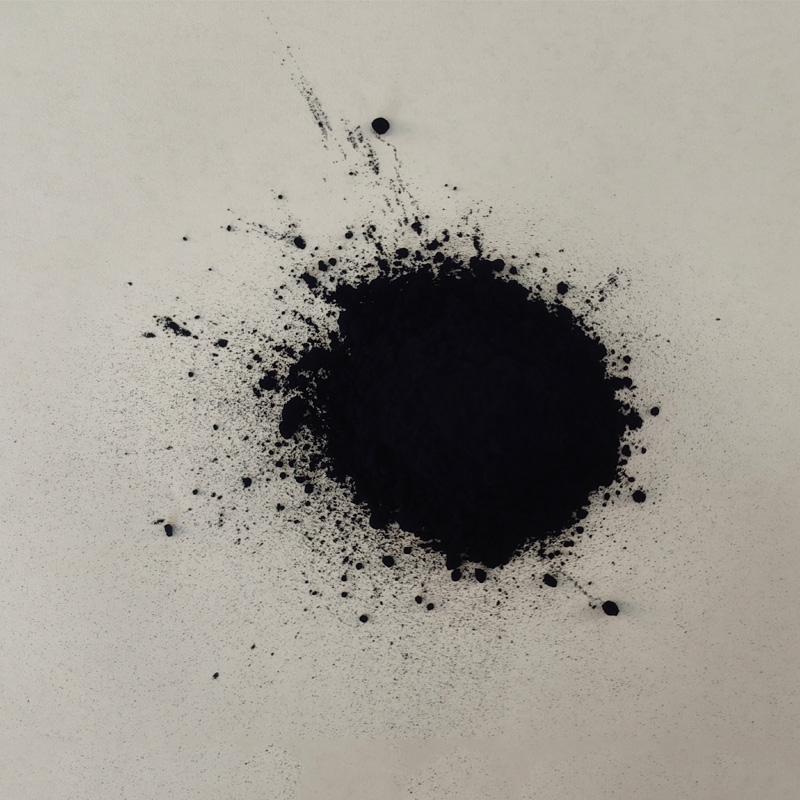
Indonesia's textile landscape is characterized by a massive scale of denim production, heavily influenced by the tropical humid climate which affects the reduction and oxidation processes of bromo indigo powder. Local manufacturers face the challenge of maintaining color consistency across high-volume batches while dealing with fluctuating water quality in industrial zones like West Java.

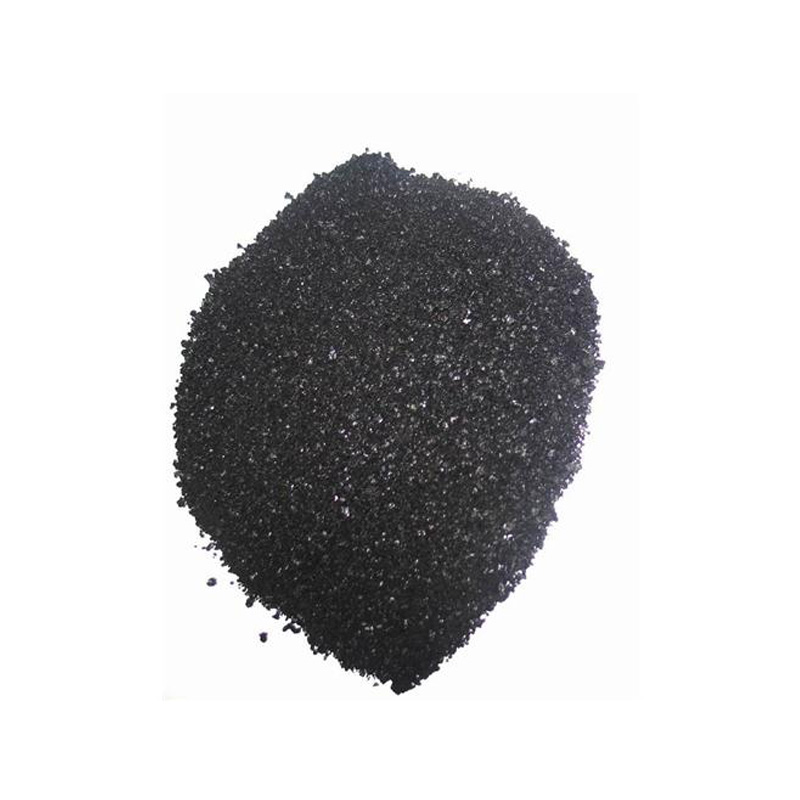
The market exhibits a strong dichotomy between artisanal batik-influenced dyeing and massive industrial garment exports. There is an increasing shift toward sulphur black dyes to achieve the deep, saturated tones required for modern streetwear, moving away from lower-stability alternatives.

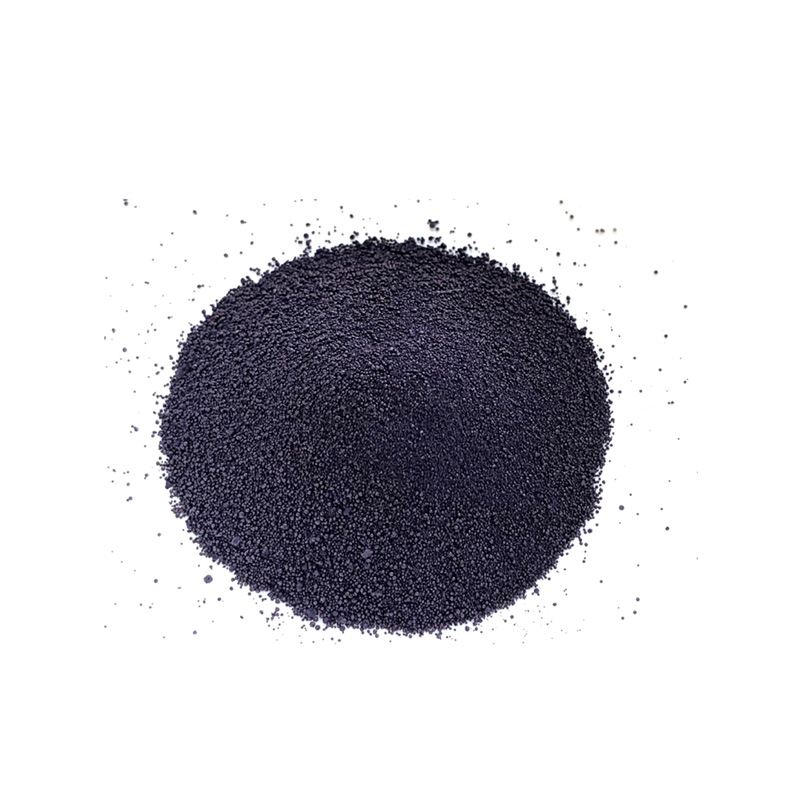
Economically, the push for "Making Indonesia 4.0" is forcing dye houses to optimize chemical consumption. This has created a surge in demand for a stable indigo source dye that minimizes wastewater toxicity and maximizes exhaustion rates on cotton fibers.

Evolution of Dyeing Technology in Indonesia

From botanical extraction to precision chemical synthesis.

Market Development History

In the early stages (pre-1990s), the region relied heavily on indigenous plant-based indigo. However, the rise of global denim exports necessitated the transition to synthetic precursors to ensure standardized shades and scalability.

Between 2000 and 2015, the industry adopted mass-market synthetic dyes. During this period, the implementation of natural indigo denim aesthetics was simulated using synthetic blends to balance cost and the "vintage" look demanded by Western markets.

From 2016 to the present, the focus has shifted toward "Green Chemistry." The introduction of highly soluble powders and pre-reduced forms has significantly reduced the reliance on harsh reducing agents like sodium hydrosulfite.

Future Development Trends

Eco-Friendly Reduction Systems

The shift toward electrochemical reduction of indigo to eliminate chemical waste in Indonesian effluent plants.

Digital Color Matching

Integration of AI-driven spectroscopy to ensure the pure indigo dye results are identical across different seasonal humidity levels.

Circular Textile Economy

Developing dyes that allow for easier pigment recovery and fabric recycling within the local garment ecosystem.

Industry Trends and Future Outlook

Strategic directions for Indonesia's chemical dyeing sector.

Sustainable Sourcing
Increased demand for bio-based precursors and low-impact chemical synthesis.
Precision Application
Using micronized powder for faster dissolution and better penetration.
Water Waste Reduction
Implementing closed-loop dyeing systems to minimize environmental runoff.
Automation Integration
Automated dosing systems for consistent dye bath concentrations.

Industry Outlook

Based on Google search trends in Southeast Asia, there is a marked increase in queries regarding "eco-friendly indigo" and "sustainable denim dyes." This indicates that Indonesian manufacturers are pivoting toward high-value, low-impact products to secure European and American export contracts.

The future will likely be dominated by "Smart Dyes" that require less water and energy. Companies that can integrate pure pigments with better solubility will lead the market in the next 3-5 years.

Localized Applications in Indonesia

Real-world implementation across the archipelago's textile hubs.

1. Bandung Denim Hub Production

Utilizing pure indigo dye for large-scale export denim, ensuring high rub-fastness and consistent deep-blue shades for global brands.

2. Solo Traditional-Modern Fusion

Applying natural indigo denim effects to hybrid fabrics that combine traditional batik patterns with modern denim durability.

3. Jakarta Fashion House Customization

Implementing sulphur black dyes for high-end designer streetwear that requires an absolute, non-fading deep black finish.

4. West Java Industrial Dye Houses

Optimization of bromo indigo powder in high-temperature baths to increase dye uptake and reduce water waste in mass production.

5. Sustainable Apparel Startups

Integration of a reliable indigo source dye for boutique brands focusing on organic cotton and low-chemical footprints.

Brand Story

Global Development Journey of Anping Wuxin Chemical Dye Co., Ltd.

Foundation of Excellence

Starting as a specialized local manufacturer, we focused on solving the core instability of indigo pigments for the regional market.

Technological Breakthrough

Developed advanced micronization techniques to improve the solubility of indigo powders, reducing waste for our clients.

Global Market Expansion

Expanded our footprint into Southeast Asia, specifically tailoring chemical formulations for the Indonesian climate.

Sustainability Commitment

Launched a series of eco-certified dyes to help textile mills meet stringent international environmental standards.

Industry Leadership

Today, we stand as a trusted partner for the world's leading denim producers, blending chemistry with creativity.

Complete Dye Portfolio for Indonesia

High-performance chemical solutions for every stage of textile production.

Indonesia Dyeing Industry FAQ

Answers to common technical challenges in the local market.

How to prevent ring dyeing when using bromo indigo powder in high humidity?

Ensure precise control of the reduction potential and utilize specialized wetting agents to improve the penetration of the dye into the fiber core.

What are the best practices for sulphur black dyes application on stretch denim?

Maintain a consistent temperature and use a controlled dosing system to prevent uneven absorption on elastane blends.

Is natural indigo denim compatible with industrial-scale washing processes?

Yes, but it requires specific fixing agents to ensure the "natural" look is preserved during heavy stone-washing or enzymatic treatments.

How to verify the purity of a wholesale indigo source dye?

We recommend HPLC analysis to check for residual precursors and ensuring a consistent particle size distribution via laser diffraction.

Why is pure indigo dye preferred over liquid indigo for long-distance shipping to Indonesia?

Powder forms offer higher concentration, lower shipping costs, and better stability during transit across varying temperatures.

Can we mix synthetic and natural indigo for custom shades?

Absolutely. This hybrid approach allows for the aesthetic of natural indigo with the fastness and stability of synthetic dyes.

Get Technical Support Today

Our experts are ready to help you optimize your dyeing process in Indonesia.

Contact Us Now

If you are interested in our products, you can choose to leave your information here, and we will be in touch with you shortly.