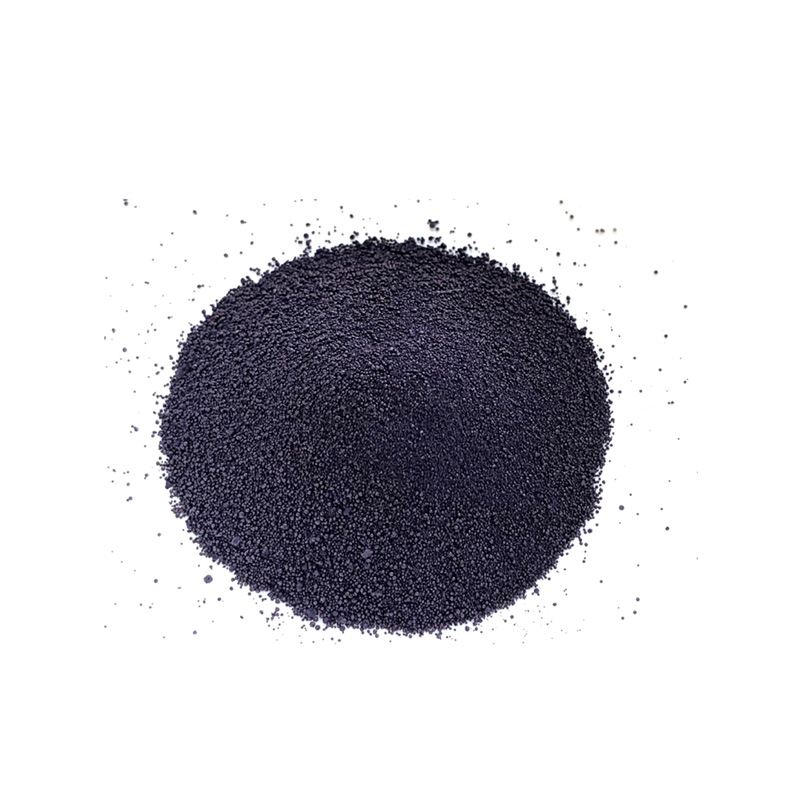
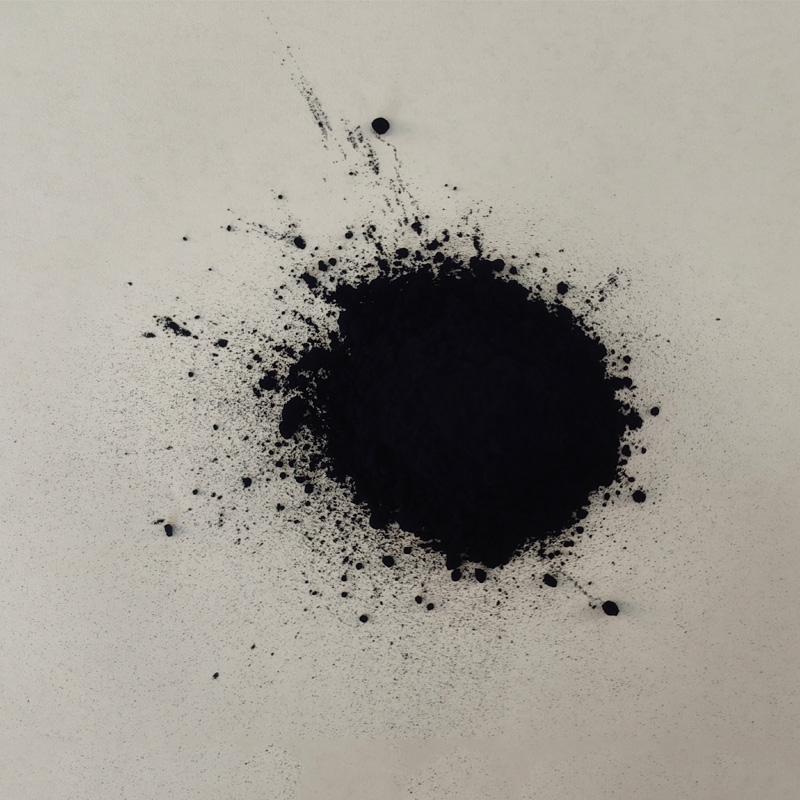
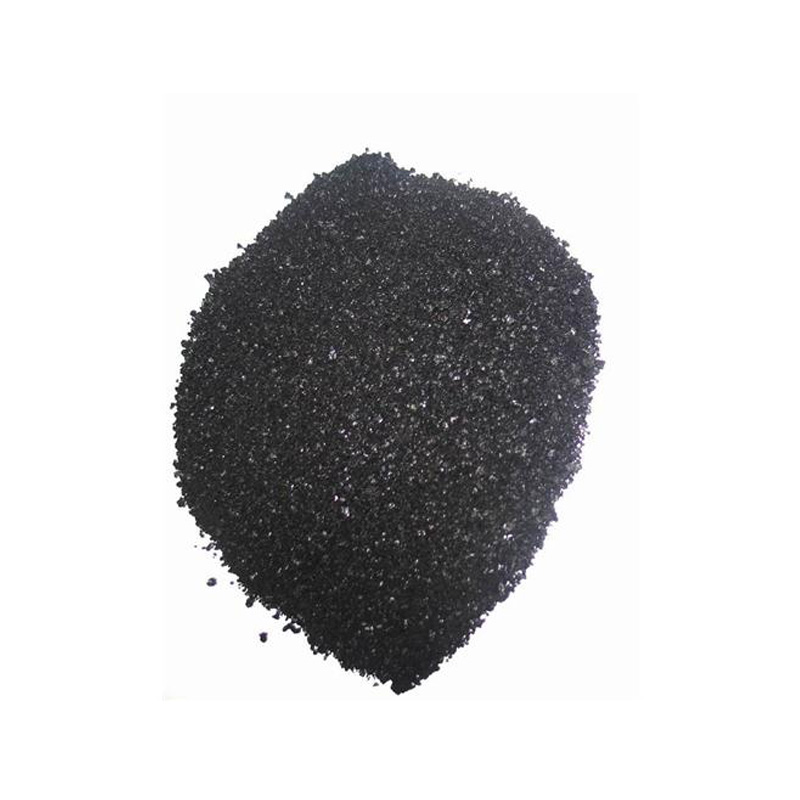
Premium natural indigo denim Dyeing Solutions for South Korea

Advanced chemical synthesis and sustainable coloring agents engineered for the high-precision textile requirements of the South Korean fashion and industrial markets.

Premium natural indigo denim Dyeing Solutions for South Korea

We provide an integrated portfolio of high-purity indigo derivatives and specialized sulphur dyes, ensuring South Korean manufacturers achieve superior color fastness and environmental compliance.

Current Landscape of Dyeing Industry in South Korea

Analysis of chemical raw material demands in the East Asian textile hub.

South Korea's textile industry is currently undergoing a transition towards "K-Fashion" high-value production. The demand for pure indigo dye has surged as local brands move away from mass-market commodities toward premium, artisanal denim with specific aging characteristics.

Due to strict environmental regulations by the South Korean Ministry of Environment, there is a critical shift toward low-pollution sulphur black dyes. Manufacturers are seeking chemicals that reduce wastewater toxicity while maintaining the deep, saturated blacks required for modern urban apparel.

The geography of South Korea, characterized by concentrated industrial clusters in Daegu and Gyeonggi, allows for rapid iteration in dye application. However, the reliance on imported indigo source dye creates a need for stable, high-consistency supply chains that can withstand global logistics fluctuations.

Evolution and Technical Trajectory of Dyeing Materials

From traditional vat dyeing to precision chemical synthesis.

Market Development History

In the 1980s and 90s, the South Korean market relied heavily on basic synthetic indigos. The primary focus was on volume and cost-efficiency, utilizing standard reduction methods that were chemically intensive.

Around 2010, the technical iteration shifted toward modified indigos. The introduction of bromo indigo powder allowed for better solubility and more precise shade control, catering to the burgeoning premium denim market in Seoul.

From 2020 to the present, the trajectory has moved toward "Green Chemistry." The industry now emphasizes bio-compatible auxiliaries and refined pigments that minimize the carbon footprint of the dyeing process.

Future Development Trends

Digital Dyeing Integration

Expect a surge in the use of dyes optimized for inkjet and digital application, reducing water consumption by up to 90%.

Closed-Loop Circularity

Development of dyes that are easily removable or recyclable, aligning with South Korea's goal of achieving carbon neutrality by 2050.

Bio-Synthetic Hybridization

The merger of traditional organic extracts with synthetic stability to create the next generation of sustainable indigoes.

Industry Trends and Future Outlook

Predicting the next 3-5 years of chemical innovation in South Korea.

Eco-Certification Shift
Increasing adoption of OEKO-TEX and bluesign standards across all Korean dye houses.
Precision Color Matching
AI-driven color formulation to reduce sample waste and speed up production cycles.
Waterless Dyeing Tech
Growth in CO2-dyeing technology to eliminate aqueous waste entirely.
Smart Supply Logistics
Blockchain tracking for dye origin to ensure ethical sourcing for global exports.

Industry Outlook

Based on Google search trends in the Asia-Pacific region, there is a growing interest in "sustainable luxury denim," which directly correlates with the demand for high-purity organic and synthetic hybrid dyes.

The South Korean market will likely lead the transition toward "intelligent coloring," where dyes are engineered to respond to specific pH or temperature changes for functional apparel.

Localized Application Scenarios in South Korea

Practical implementation of our chemical solutions in Korean textile hubs.

01. Premium Denim Manufacturing in Daegu

Utilizing high-grade pure indigo dye to create the signature deep-blue fade required by high-end Korean denim brands exported to Europe.

02. Urban Techwear Apparel in Seoul

Applying specialized sulphur black dyes for deep-black, water-resistant functional fabrics used in urban outdoor gear.

03. Artisanal "Slow Fashion" Studios

Providing concentrated indigo source dye for boutique workshops focusing on hand-dipped, traditional Korean aesthetics.

04. Industrial Workwear Production

Implementing bromo indigo powder for durable, high-rub-fastness uniforms used in the Korean shipbuilding and automotive sectors.

05. Sustainable Denim Startups

Integration of natural indigo denim pigments to meet the growing demand for vegan and eco-friendly textiles among Gen Z consumers.

Brand Story

Global Development Journey of Anping Wuxin Chemical Dye Co., Ltd.

Foundational Excellence

Established as a specialist in organic pigments, we focused on solving the inconsistency issues in raw dye powder stability.

Technical Breakthrough

Developed proprietary synthesis methods to increase the purity of indigo derivatives, reducing heavy metal residues.

Asian Market Expansion

Strategically entered the South Korean and Japanese markets, aligning our products with the strict quality standards of East Asian textile hubs.

Green Innovation

Launched a series of eco-friendly sulphur and indigo dyes to support the global transition toward sustainable fashion.

Global Leadership

Today, we serve as a trusted partner for the world's leading denim mills, providing chemical solutions that balance art and science.

Complete Dye Portfolio for South Korea Market

From high-purity powders to sustainable liquid sources.

South Korea Dyeing Industry FAQs

Expert answers to technical and regulatory questions.

How to ensure color consistency using bromo indigo powder in large batches?

Consistency is achieved by controlling the reduction rate and maintaining a precise pH balance in the vat, ensuring the powder is fully dissolved before textile immersion.

Are your sulphur black dyes compliant with Korean environmental laws?

Yes, our sulphur dyes are engineered to minimize sulfide discharge and are compliant with the latest South Korean wastewater standards.

What is the difference between pure indigo dye and standard synthetic indigo?

Pure indigo dye refers to a high-concentration pigment with minimal impurities, resulting in a more authentic "indigo" hue and better aging properties during washing.

Can natural indigo denim pigments be used in industrial-scale machinery?

Yes, by using optimized dispersing agents and specialized vatting techniques, our natural-based pigments can be scaled for industrial production.

How do I select the right indigo source dye for a "vintage" wash effect?

For vintage effects, we recommend a combination of pure indigo and specific auxiliaries that allow for uneven desorption during the stone-washing process.

What is the lead time for bulk chemical shipments to South Korea?

Depending on the volume and port of entry (Busan or Incheon), lead times typically range from 14 to 30 days with full customs documentation provided.

Partner with the Dyeing Experts

Ready to upgrade your textile production in South Korea? Our technical team is available for consultation on custom formulations.

Contact Us Now

If you are interested in our products, you can choose to leave your information here, and we will be in touch with you shortly.