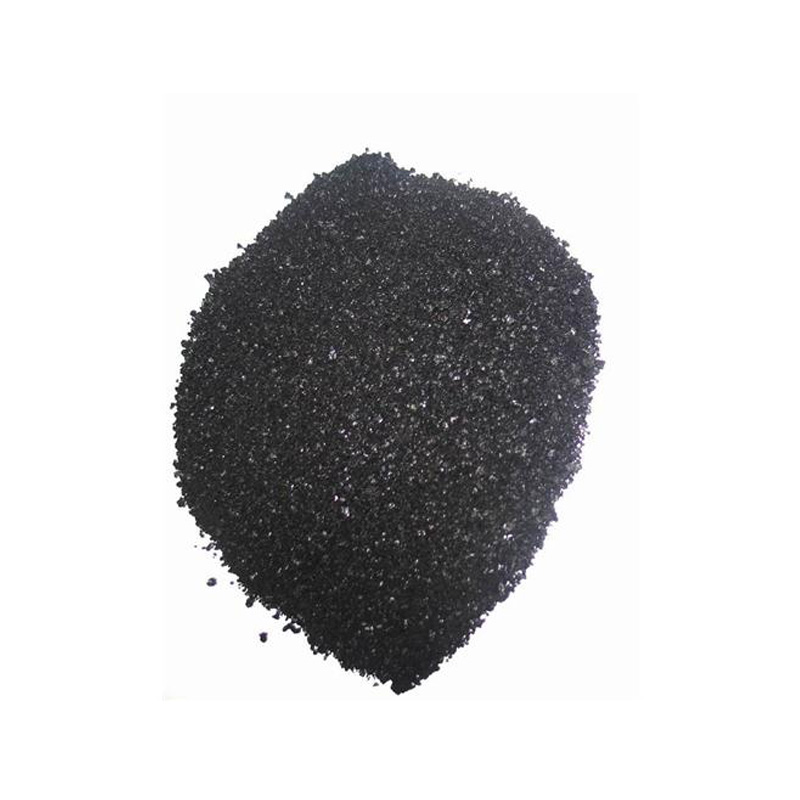
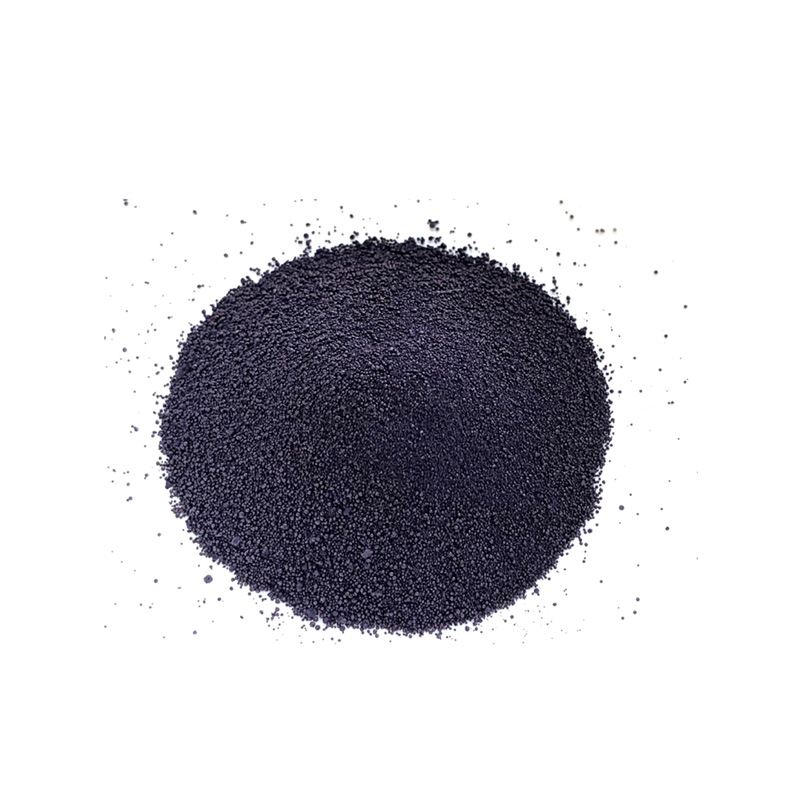
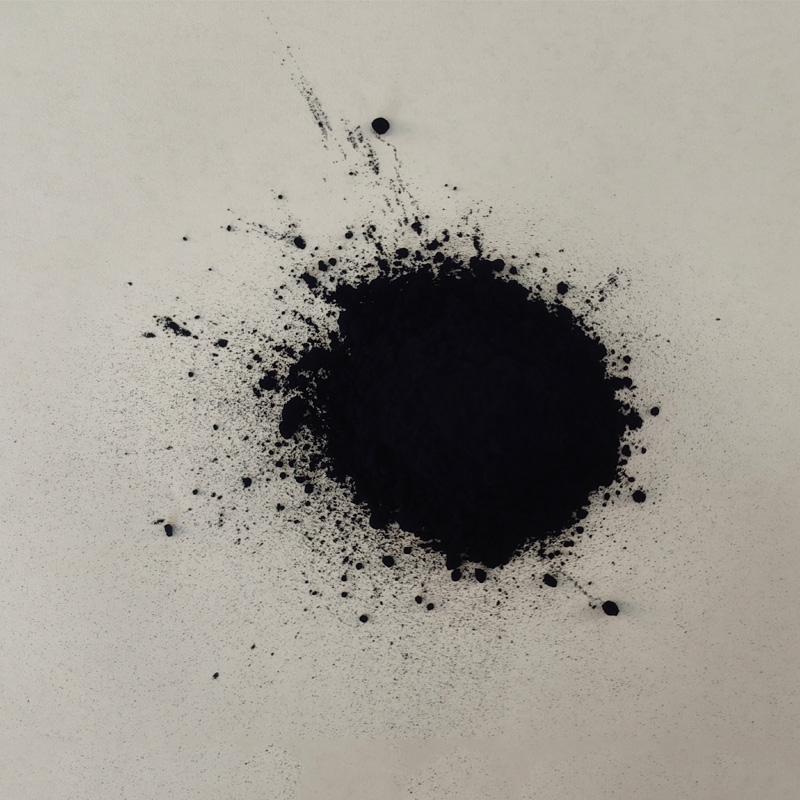
Premium natural indigo denim Solutions for Canada

High-performance chemical dye solutions engineered for the Canadian textile industry, ensuring sustainable brilliance and deep saturation.

Premium natural indigo denim Solutions for Canada

Providing Canadian manufacturers with the highest grade of vat and sulphur dyes to meet stringent environmental standards and premium fashion requirements.

The Current State of Dyeing Industry in Canada

Analyzing the intersection of environmental regulation and textile demand in North America.

The Canadian textile market is currently defined by a rigorous transition toward "Green Chemistry." With the federal government's commitment to reducing hazardous waste, manufacturers are shifting away from traditional heavy-metal based pigments toward pure indigo dye options that offer better biodegradability and lower toxicity.

Geographically, the industrial hubs in Ontario and Quebec face unique challenges due to extreme seasonal temperature fluctuations, which affect the solubility and stability of sulphur black dyes during the vatting process. This has led to an increased demand for chemically stabilized dye powders that maintain consistency regardless of ambient climate.

Furthermore, the rise of "Slow Fashion" in urban centers like Vancouver and Toronto has spiked the demand for indigo source dye that provides an authentic, heritage look while adhering to the Canada Consumer Product Safety Act (CCPSA).

Evolution of Indigo Dyeing Technology

From traditional fermentation to precision chemical synthesis.

Market Development History

In the early 20th century, the Canadian market relied heavily on imported raw organic indigo. However, by the 1960s, the industrialization of synthetic indigo streamlined mass production, allowing for the emergence of large-scale denim mills across the region.

Between 1990 and 2010, the focus shifted toward efficiency. The introduction of bromo indigo powder revolutionized the reduction process, allowing for faster dyeing cycles and reduced water consumption in industrial laundries.

From 2015 to the present, the trajectory has bent toward sustainability. The integration of digital dyeing and pre-reduced liquid forms has minimized the use of harsh reducing agents, aligning with Canada's carbon neutrality goals.

Future Development Trends

Bio-Synthetic Convergence

The next 3 years will see a surge in bio-engineered indigo that mimics the molecular structure of natural dyes but offers the scalability of synthetics.

Waterless Dyeing Systems

Driven by water scarcity in certain prairie provinces, CO2-based dyeing technologies will likely replace traditional aqueous vats.

AI-Driven Color Matching

Google search trends indicate a rise in "smart textile manufacturing," predicting a move toward AI-controlled dosing of dyes to eliminate batch variance.

Industry Trends and Future Outlook

Strategic forecasting for the North American chemical textile sector.

Eco-Certification Shift
Transitioning toward OEKO-TEX and GOTS certified dyes to meet Canadian retail compliance.
Low-Liquor Ratio Tech
Implementing advanced chemical formulations that require 40% less water for saturation.
Circular Dyeing Loops
Developing dyes that are easier to strip for textile-to-textile recycling processes.
Hyper-Local Sourcing
Reducing carbon footprints by establishing regional distribution hubs across Canada.

Industry Outlook

The Canadian market is expected to see a 5.2% CAGR in the organic and sustainable dye segment. As consumers increasingly scrutinize the chemical footprint of their clothing, the demand for transparent "source-to-shelf" dye chemistry will become the primary competitive advantage.

Strategically, the industry is moving toward a hybrid model where high-efficiency synthetic powders are blended with natural extracts to achieve the "vintage" aesthetic without sacrificing the durability required for winter-wear denim.

Localized Application Scenarios in Canada

Tailored solutions for diverse Canadian textile requirements.

1. High-End Denim Studios in Toronto

Utilizing pure indigo dye for artisanal, small-batch denim production that caters to the luxury eco-conscious market.

2. Industrial Workwear Plants in Alberta

Applying heavy-duty sulphur black dyes for oil-field apparel that requires extreme color fastness and resistance to chemical spills.

3. Sustainable Apparel Startups in Vancouver

Implementing natural indigo denim dyeing techniques to appeal to the West Coast's strong environmentalist consumer base.

4. Large-Scale Textile Mills in Quebec

Using bromo indigo powder to optimize throughput in mass-market denim production while maintaining strict effluent standards.

5. Heritage Clothing Restoration in Halifax

Employing precise indigo source dye for the restoration and custom tinting of historical naval and maritime textiles.

Brand Story

Global Development Journey of Anping Wuxin Chemical Dye Co., Ltd.

Foundational Excellence

Established as a specialized facility, we focused on solving the instability of vat dyes, creating a benchmark for purity in chemical synthesis.

Technological Breakthrough

Developed advanced powder stabilization techniques that allowed our dyes to be shipped globally without degradation of chemical activity.

Global Market Expansion

Expanded operations into North America, tailoring our formulations to meet the specific environmental laws of Canada and the USA.

Sustainable Pivot

Invested heavily in R&D to reduce sulfur and bromine emissions, leading the way in eco-friendly industrial dye manufacturing.

Vision 2030

Committing to a fully circular chemical model where every dye component is designed for recovery and reuse.

Comprehensive Dye Portfolio for the Canadian Market

A complete range of high-performance colorants for every industrial need.

Canadian Industry FAQ

Expert answers to common technical questions from local manufacturers.

How does bromo indigo powder impact water treatment in Canada?

Our optimized bromo indigo powder is designed for higher solubility, which significantly reduces the amount of undissolved residue in effluent streams, making it easier for Canadian plants to meet municipal wastewater standards.

Are sulphur black dyes compatible with low-temperature vatting?

Yes, our sulphur black dyes are formulated with specialized surfactants that prevent agglomeration even in the colder water temperatures typical of Canadian industrial zones.

What is the best indigo source dye for sustainable denim?

For those seeking a balance of ecology and performance, we recommend our pre-reduced indigo source dye, which eliminates the need for sodium hydrosulphite in the dye house.

Can natural indigo denim achieve consistent deep shades in mass production?

By utilizing our standardized natural indigo denim extracts, manufacturers can achieve high reproducibility and deep saturation while maintaining the "natural" label.

Is pure indigo dye compliant with Canadian chemical safety regulations?

Our pure indigo dye is fully compliant with all North American safety data sheet (SDS) requirements and is free from banned aromatic amines.

How to prevent streaking when using industrial indigo powders?

Streaking is often caused by poor dissolution. We recommend using our high-dispersibility powders combined with a calibrated agitation system to ensure a homogenous dye bath.

Get Expert Dye Consultation

Partner with the leading chemical dye experts to optimize your textile production in Canada.

Contact Us Now

If you are interested in our products, you can choose to leave your information here, and we will be in touch with you shortly.