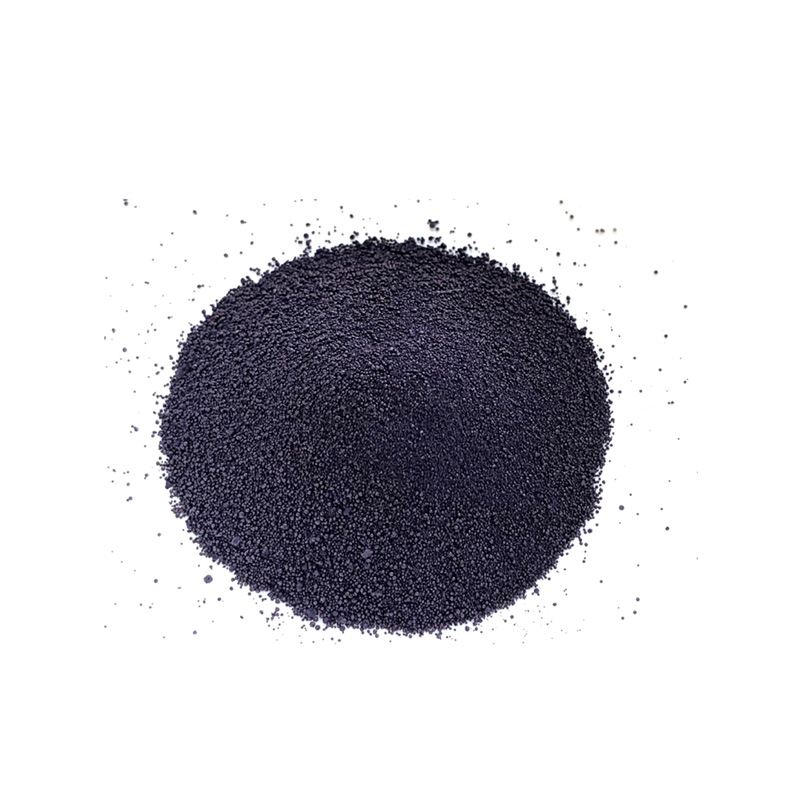
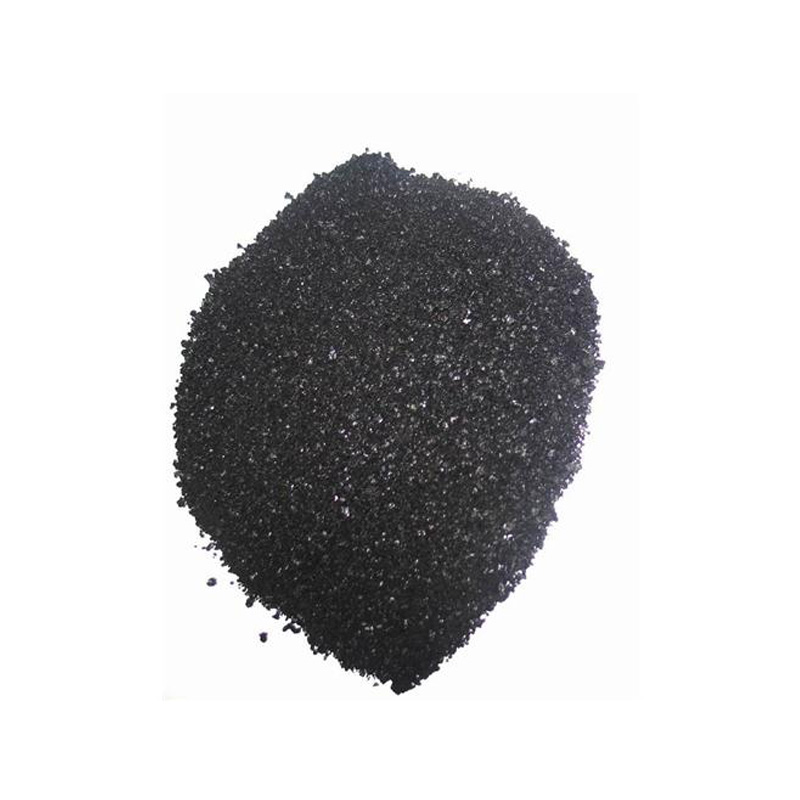
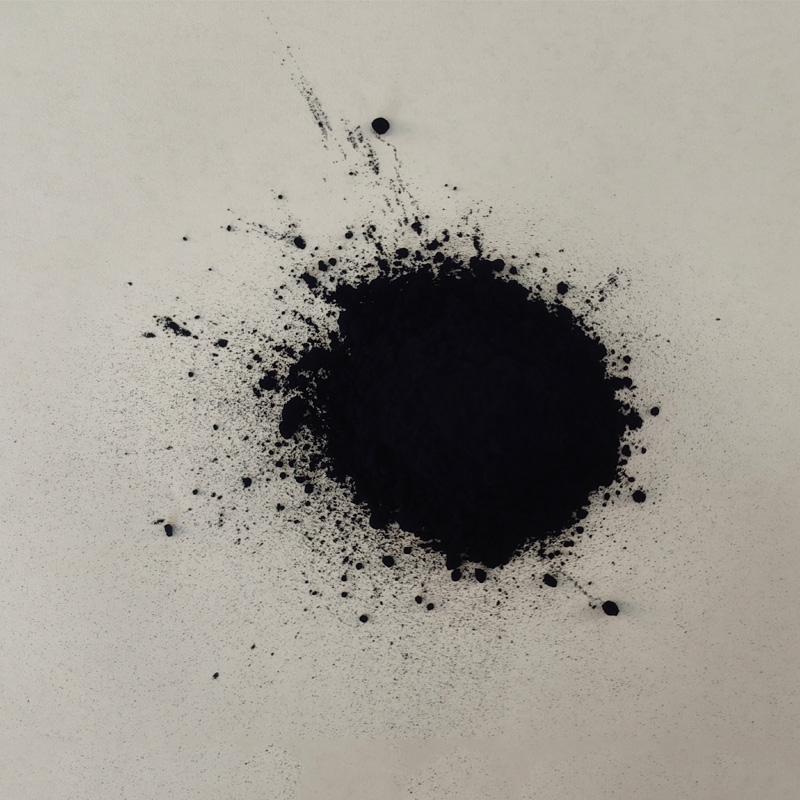
Premium Pure Indigo Dye Solutions for Malaysia Textile Industry

Advanced coloration technologies providing high-stability chemical pigments tailored for the Southeast Asian garment and denim markets.

Premium Pure Indigo Dye Solutions for Malaysia Textile Industry

Delivering industrial-grade dye precision and color consistency for Malaysia's growing chemical and textile manufacturing sectors.

Chemical Dyeing Landscape in Asia - Malaysia

Analyzing the intersection of humid tropical climates and high-performance chemical requirements.

The Malaysian manufacturing sector, particularly in states like Selangor and Johor, faces unique challenges due to extreme humidity and heat. This environment affects the stability of bromo indigo powder, requiring specialized storage and precise chemical formulations to prevent premature oxidation and ensure consistent shading on fabrics.

Economic shifts toward sustainable fashion have increased the demand for natural indigo denim. Local factories are transitioning from traditional vat dyeing to more efficient, automated systems that can handle the complex viscosity of high-purity pigments while meeting stringent wastewater regulations set by the Malaysian Department of Environment.

Furthermore, the competition in the regional apparel hub has forced a move toward high-contrast blacks. The widespread use of sulphur black dyes remains critical for the local market, but there is a growing need for low-sulfur, eco-friendly alternatives that maintain the deep penetration required for heavy-duty denim and workwear.

Evolution of Dyeing Technology in Malaysia

From traditional artisanal methods to precision chemical engineering.

Market Development History

During the 1980s and 90s, the Malaysian dyeing industry relied heavily on imported basic pigments and manual vat processes. The primary focus was on volume rather than precision, with basic indigo source dye being used in rudimentary dip-dyeing setups for local garment production.

By the mid-2000s, the industry saw a technological leap with the introduction of automated dyeing machines. This era marked the shift toward standardized chemical inputs, where the purity of the dye powder became the primary metric for quality control to avoid fabric streaks and uneven color distribution.

In the last decade, the focus has shifted toward "Green Chemistry." The integration of digital color matching and enzyme-based washing has redefined how pure indigo dye is applied, reducing water consumption by up to 40% in modern Malaysian textile mills.

Future Development Trends

Bio-Synthetic Integration

Merging bio-engineered pigments with traditional chemical structures to create hybrid dyes that offer the vibrancy of synthetics with the footprint of organics.

Closed-Loop Water Recovery

Implementation of advanced membrane filtration to recycle dye baths, specifically targeting the recovery of sulfur and indigo residues.

Smart Pigment Nano-Encapsulation

Developing nano-encapsulated dyes that release color only under specific thermal conditions, significantly reducing chemical waste during the application process.

Industry Outlook and Future Projections

Strategic forecasting for the chemical pigment sector in Southeast Asia.

Eco-Certification Drive
Shift toward OEKO-TEX and ZDHC compliance to enter European and US export markets.
Digital Colorization
AI-driven pigment mixing to achieve 99.9% color accuracy across different batches.
Sustainable Sourcing
Increased reliance on plant-derived indigo source dye for premium niches.
Waste Reduction
Adopting low-liquor ratio dyeing to minimize chemical discharge in river basins.

Industry Outlook

Google search trends indicate a significant rise in "sustainable denim production" within the Asia-Pacific region. This suggests that Malaysian manufacturers will increasingly pivot toward dyes that offer biodegradable properties without compromising the deep hues of traditional indigo.

Over the next 3-5 years, we expect the integration of IoT-enabled vats that can monitor the reduction state of dyes in real-time, ensuring that every meter of fabric achieves the exact shade requested by global fashion brands.

Localized Application Scenarios in Malaysia

Practical implementation of high-performance dyes in local industrial contexts.

01. Premium Denim Export Production

Using natural indigo denim techniques for luxury labels exported from Port Klang to high-end boutiques in Europe.

02. Industrial Workwear Manufacturing

Applying sulphur black dyes for heavy-duty uniforms used in Malaysia's oil and gas sector, ensuring maximum rub-fastness.

03. Boutique Artisan Textiles

Small-batch production of traditional batik-fusion wear utilizing pure indigo dye for an authentic, deep-blue aesthetic.

04. Fast Fashion Mass Production

Optimizing the use of bromo indigo powder in automated continuous dyeing ranges for rapid turnaround times.

05. Eco-Friendly Fabric Innovation

Developing "Organic-Line" fabrics by integrating indigo source dye with recycled cotton fibers for sustainable urban wear.

Brand Story

Global Development Journey of Anping Wuxin Chemical Dye Co., Ltd.

Foundational Excellence

Established as a specialist in sulfur and indigo chemistry, solving the industry's struggle with pigment instability and poor solubility.

Technological Breakthrough

Developed advanced purification processes that reduced impurities in indigo powders, setting a new standard for color brilliance.

Market Expansion

Successfully entered the Southeast Asian market, providing tailored chemical solutions for the humid climates of Malaysia and Vietnam.

Sustainable Transition

Invested in R&D to create low-impact dyes, addressing the global pain point of textile water pollution.

Global Leadership

Now a trusted partner for the world's leading denim brands, blending tradition with chemical innovation.

Comprehensive Dye Portfolio for Malaysia

A full range of chemical solutions designed for stability, vibrancy, and industrial efficiency.

Common Questions for Malaysian Dye Manufacturers

Technical guidance and troubleshooting for local textile producers.

How does high humidity in Malaysia affect bromo indigo powder stability?

High humidity can lead to clumping and premature oxidation. We recommend vacuum-sealed packaging and temperature-controlled storage to maintain the chemical activity of the powder.

What is the best way to achieve deep blacks using sulphur black dyes on denim?

To ensure maximum penetration, a precise reduction process using sodium hydrosulfite is required, combined with optimized temperature controls to prevent uneven shading.

Can natural indigo denim be produced at an industrial scale in Southeast Asia?

Yes, by utilizing stabilized liquid concentrates and automated vat systems, manufacturers can achieve the aesthetic of natural indigo with industrial consistency.

How do I verify the purity of an indigo source dye?

Purity is verified through HPLC (High-Performance Liquid Chromatography) testing to ensure the absence of unwanted organic impurities that cause color shifting.

What are the environmental regulations for using pure indigo dye in Malaysia?

Factories must adhere to the Environmental Quality Act 1974, ensuring that wastewater is treated to remove chemical residues before discharge into water bodies.

Which dye is better for rub-fastness in tropical climates?

For high-friction workwear, sulfur-based dyes generally offer superior rub-fastness compared to basic indigos, provided the soaping process is executed correctly.

Consult Our Dyeing Experts

Optimize your textile production with high-stability pigments delivered directly to your facility in Malaysia.

Contact Us Now

If you are interested in our products, you can choose to leave your information here, and we will be in touch with you shortly.