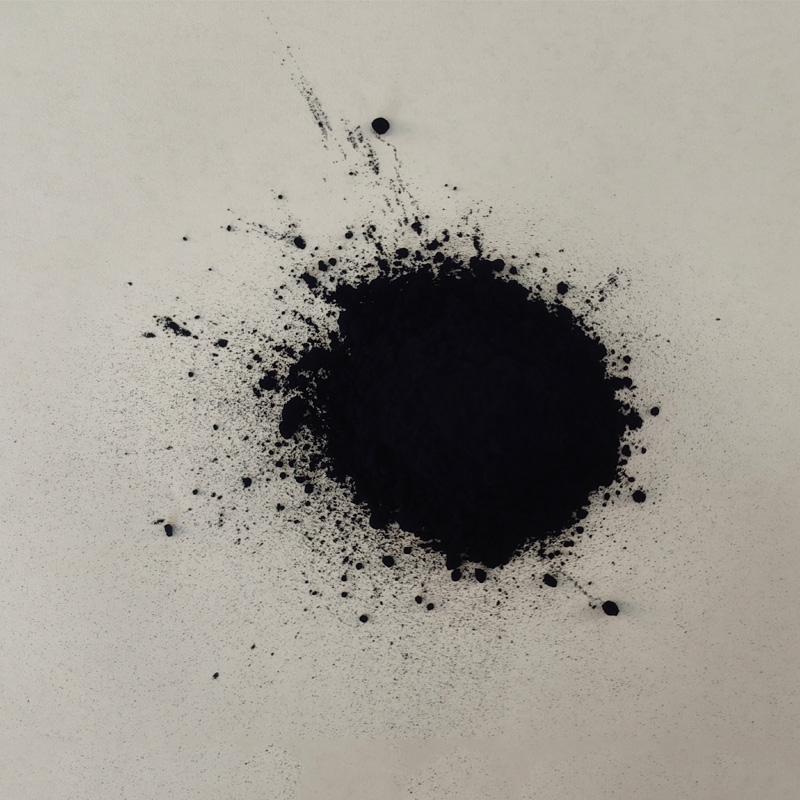
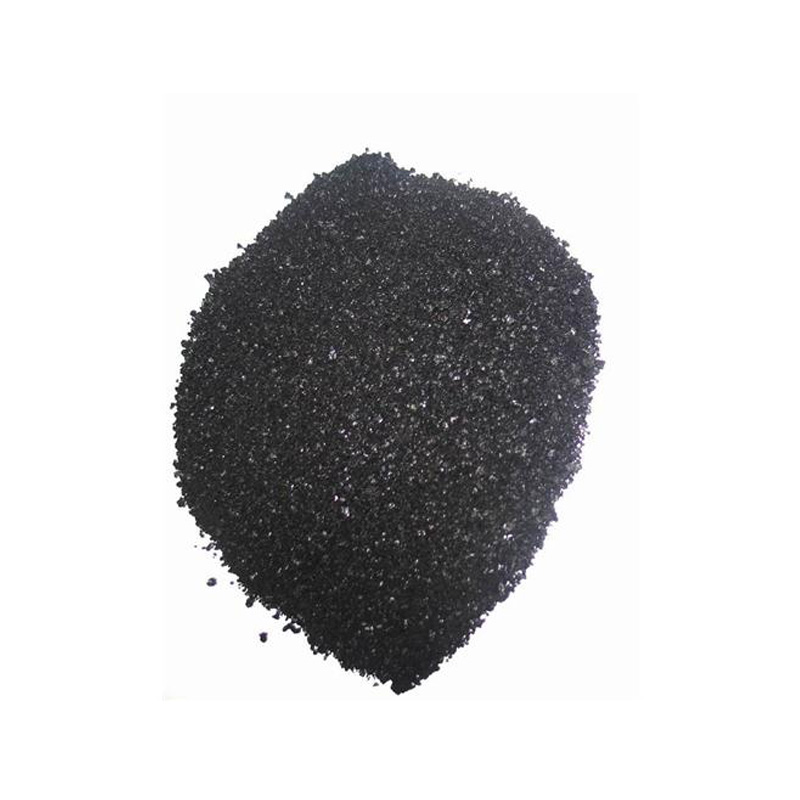
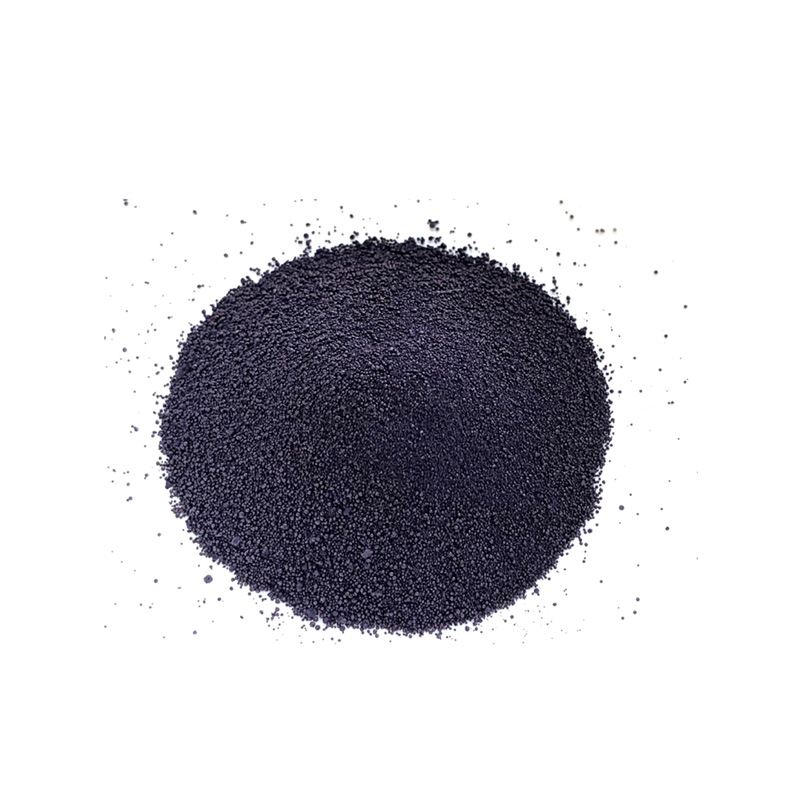
Premium sulphur black dyes Solutions for Thailand Textile Industry

Empowering Thai garment manufacturers with high-performance coloring agents and sustainable denim dyeing technologies.

Premium sulphur black dyes Solutions for Thailand Textile Industry

We provide a comprehensive range of professional dye chemicals tailored for the high-humidity environment and industrial standards of the Thai textile sector, ensuring color fastness and efficiency.

Current State of Dyeing Industry in Thailand

Analyzing the intersection of environmental regulations and production demands in Southeast Asia.

Thailand remains a pivotal hub for textile manufacturing in Asia, characterized by a strong tradition in denim and apparel. However, the industry currently faces pressure from strict wastewater treatment regulations and the tropical climate, which affects the drying and curing processes of pure indigo dye applications.

The market is seeing a significant shift toward high-efficiency chemicals. Manufacturers in Bangkok and Samut Prakan are increasingly adopting bromo indigo powder to achieve more consistent shades with lower water consumption, responding to the national "BCG" (Bio-Circular-Green) economic model.

Despite the rise of synthetics, there is a growing niche for premium, artisan-grade textiles. This has led to a resurgence in the demand for natural indigo denim, as local brands seek to blend traditional Thai craftsmanship with modern sustainable fashion trends.

Evolution and Trajectory of Dyeing Technology

From traditional vat dyeing to precision chemical engineering.

Market Development History

In the 1980s and 90s, Thailand's dyeing sector relied heavily on traditional vat processes and basic sulphur compounds. The focus was primarily on volume, with limited control over the chemical purity of the indigo source dye used in large-scale denim mills.

Between 2000 and 2015, the industry transitioned toward synthetic optimization. The introduction of standardized powder dyes allowed for better automation in dyeing machines, significantly reducing the batch-to-batch variation that previously plagued local exporters.

From 2016 to the present, the focus has shifted toward "Eco-Efficiency." The integration of pre-reduced dyes and low-salt formulations has become the benchmark, aligning Thai production with global REACH and OEKO-TEX standards.

Future Development Trends

Digital Color Management

The adoption of AI-driven dosing systems will minimize waste and ensure that complex shades of sulphur black are achieved with mathematical precision.

Bio-Synthetic Hybrids

Expect a rise in hybrid dyeing methods that combine the stability of synthetic agents with the organic appeal of natural extracts to meet the "Green Textile" demand.

Waterless Dyeing Technology

Investment in supercritical CO2 dyeing and foam application techniques will likely peak in the next 5 years to eliminate water pollution in the Chao Phraya river basin.

Industry Trends and Future Outlook

Strategic directions for the next generation of chemical dyes in Asia.

Eco-Friendly Compliance
Accelerating the transition to ZDHC (Zero Discharge of Hazardous Chemicals) standards across all Thai dye houses.
Process Automation
Implementing automated powder feeding systems to reduce human error in chemical mixing.
Performance Enhancement
Developing dyes with higher solubility to shorten dyeing cycles and reduce energy costs.
Sustainable Sourcing
Transitioning to bio-based precursors for indigo derivatives to reduce carbon footprint.

Industry Outlook

Based on regional search trends and economic forecasts, the Thai textile market is shifting from "mass production" to "value-added production." This means a higher demand for specialized dyes that can create unique effects for high-end denim.

The convergence of environmental sustainability and technological efficiency will define the winners in the market. Companies that can provide consistent, low-impact chemical solutions will dominate the supply chain in Southeast Asia.

Localized Application Scenarios in Thailand

Practical implementations of high-performance dyes in the Thai textile ecosystem.

1. Export-Grade Denim Production in Samut Prakan

Using bromo indigo powder to achieve the precise "vintage wash" look required by European and US fashion brands, ensuring high color consistency across millions of meters of fabric.

2. Artisan Indigo Workshops in Chiang Mai

Implementing natural indigo denim techniques for high-value, handcrafted textiles that target the luxury sustainable tourism market.

3. Industrial Workwear Dyeing in Chonburi

Applying sulphur black dyes for durable, fade-resistant uniforms used in the automotive and electronics manufacturing plants of the Eastern Economic Corridor (EEC).

4. Boutique Fashion Labels in Bangkok

Utilizing pure indigo dye for small-batch, high-precision coloring of contemporary Thai streetwear, emphasizing sharp color contrast and modern aesthetics.

5. Large-Scale Fabric Mills in Central Thailand

Optimizing the supply chain with a stable indigo source dye to reduce raw material volatility and ensure continuous production cycles for global garment exports.

Brand Story

Global Development Journey of Anping Wuxin Chemical Dye Co., Ltd.

Foundation and Vision

Established with a commitment to chemical excellence, we began by solving the most basic stability issues in industrial dye manufacturing.

Technical Breakthroughs

We invested heavily in R&D to create high-purity indigo derivatives, reducing the impurity levels that caused spotting in premium denim.

Global Market Expansion

Expanding our footprint into Southeast Asia, we tailored our formulations to suit the unique climatic conditions of markets like Thailand.

Sustainability Pivot

Recognizing the environmental impact, we developed a new generation of low-salt and low-emission dyeing agents.

Industry Leadership

Today, we stand as a trusted partner for the world's leading textile mills, blending traditional chemistry with future-proof sustainability.

Complete Dye Portfolio for the Thailand Market

A curated selection of high-performance chemical agents for every textile need.

Common Questions from Thai Textile Partners

Expert answers to technical challenges in denim and sulphur dyeing.

How does humidity in Thailand affect bromo indigo powder stability?

High humidity can cause clumping. We recommend climate-controlled storage and the use of our anti-caking formulations to maintain optimal solubility.

Can sulphur black dyes be used for eco-certified garments in Asia?

Yes, our latest sulphur black series is developed to be compliant with ZDHC and OEKO-TEX standards, ensuring minimal hazardous discharge.

What is the best way to apply pure indigo dye for luxury denim?

For luxury finishes, we suggest a multi-dip process with precise pH control to ensure deep penetration and a characteristic "ring" effect during fading.

How do I distinguish a high-quality indigo source dye from generic options?

Quality is determined by the purity level and the absence of soluble impurities, which prevent streaks and uneven coloring in large batches.

Is natural indigo denim feasible for mass production in Thailand?

While more challenging, using semi-automated vat systems and our stabilizing agents makes natural indigo production viable for premium mid-scale lines.

What are the shipping requirements for chemical dyes into Thailand?

We provide all necessary MSDS and COA documentation to ensure smooth customs clearance and compliance with Thai industrial safety laws.

Get Expert Technical Support

Our engineers are ready to help you optimize your dyeing process in Thailand. Contact us for samples and technical consultations.

Contact Us Now

If you are interested in our products, you can choose to leave your information here, and we will be in touch with you shortly.