

Sustainable Solutions with Odm Plant Based Indigo Dye | Wuxin Group
Odm Plant Based Indigo Dye is a key solution in the industry, specifically within sustainable textile manufacturing and eco-conscious colorants. This article explores how Wuxin Group supports professionals with durable, high-performance products, and explains why this product is an ideal choice for businesses aiming to enhance both quality and sustainability.
Table of Contents
- Odm Plant Based Indigo Dye Overview
- Benefits & Use Cases of Odm Plant Based Indigo Dye
- Cost, Maintenance & User Experience
- Sustainability & Market Trends
Odm Plant Based Indigo Dye Overview
At its core, Odm Plant Based Indigo Dye is a natural indigo dye extracted sustainably from plant sources, designed for textile dyeing applications where ecological impact is a major concern. Unlike synthetic indigo, this plant-based variant retains the rich, authentic deep blue hues synonymous with classic denim and apparel textiles, but with the added bonus of biodegradability and a significantly lower environmental footprint.
- Derived primarily from indigofera or woad plants, processed through fermentation techniques to enhance colorfastness.
- Typically offered as a powder or liquid concentrate, suitable for various textile treatments.
| Specification | Details |
|---|---|
| Form | Powder / Liquid concentrate |
| Color Intensity | High depth & uniformity |
| Application Methods | Dip dye, vat dyeing, batch processing |
| Color Fastness (Washing) | Grade 3+ (ISO standards) |
| Packaging | 25kg bags / 200L drums |
Benefits & Use Cases of Odm Plant Based Indigo Dye
If you’re in the garment or home textiles business, you know how tricky it is to deliver consistent color quality while facing mounting pressure to improve sustainability. Here, Odm Plant Based Indigo Dye stands out. Its natural origins ensure it’s less toxic and safer for factory workers and end users, while offering excellent wash and light fastness that brand managers crave. Oddly enough, manufacturers report that the plant-based dye even feels softer on fibers than synthetic variants, which kind of helps explain its appeal for premium denim lines.
- Perfect for eco-conscious denim producers looking to reduce their chemical footprint.
- Widely used in casual wear, children's clothing, and home textiles like upholstery and curtains.
- Offers stable color results that meet industry fastness tests, which is key in B2B environments.
Cost, Maintenance & User Experience
Naturally, one of the biggest questions for procurement teams is cost-effectiveness. While plant-based dyes can initially seem pricier compared to synthetic indigo, the total cost of ownership often balances out thanks to reduced waste treatment expenses and regulatory compliance fees. The durability and vibrant longevity of the dye contribute to excellent ROI—as many customers have shared anecdotally, garments maintain color longer with less fading.
- Lower environmental disposal costs mean savings not always visible upfront.
- Maintenance for dyes is minimal, though operators should ensure fermentation conditions if applying in-house.
- Feedback from textile mills highlights ease of integration into existing indigo dye vats.
Sustainability & Market Trends
Sustainability isn’t just a buzzword anymore; it’s a fundamental shift in how producers and buyers think. The global market demand for natural dyes like Odm Plant Based Indigo Dye is projected to grow steadily, boosted by stricter environmental regulations and rising consumer awareness. Brands increasingly seek verification of eco-credentials, pushing their supply chains to embrace natural alternatives and transparent sourcing.
- Government initiatives and certifications incentivize adoption.
- Many mills are innovating fermentation techniques to scale up plant-based dye production.
- Consumers often pay premiums for sustainably dyed products—a positive cycle for B2B partners.
| Feature | Odm Plant Based Indigo Dye | Traditional Synthetic Indigo | Other Natural Dyes |
|---|---|---|---|
| Environmental Impact | Low (biodegradable & low-toxicity) | High (chemical waste concerns) | Varies (some water intensive) |
| Color Fastness | Good (Grade 3+) | Very Good (Grade 4) | Moderate to Poor |
| Safety for Workers | High (non-toxic) | Moderate (chemical exposure risks) | Generally safe |
| Cost Implications | Moderate to high | Lower upfront | Varies |
Frequently Asked Questions about Odm Plant Based Indigo Dye
- What is Odm Plant Based Indigo Dye and how does it work?
- Odm Plant Based Indigo Dye is an eco-friendly dye made from natural plant sources, such as indigofera leaves. It works by binding its color molecules to textile fibers through a vat dyeing process, where the dye is reduced in oxygen-free conditions before fabric immersion, producing a lasting deep blue color.
- What are the main benefits of using Odm Plant Based Indigo Dye in industrial applications?
- Key benefits include lower environmental toxicity, improved worker safety, excellent color fastness, and compatibility with existing dyeing infrastructure—all translating into better product quality and sustainable manufacturing.
- How does Odm Plant Based Indigo Dye compare to traditional alternatives?
- Compared to synthetic indigo, it has the advantage of being biodegradable and less chemically hazardous. While colorfastness is slightly lower, ongoing innovations close this gap. Its sustainability credentials often outweigh marginal differences for many B2B customers.
- What industries can benefit most from Odm Plant Based Indigo Dye implementation?
- Primarily apparel manufacturers, especially denim and casual wear producers, as well as home textile companies focused on eco-friendly products. Some automotive and industrial textile segments interested in sustainable materials also explore its application.
Conclusion on Odm Plant Based Indigo Dye from china
To sum up, Odm Plant Based Indigo Dye effectively balances tradition and innovation, giving businesses a viable path toward greener dyeing without major performance sacrifices. For B2B decision makers eyeing quality, sustainability, and competitive differentiation, it’s worth a closer look.
— Visit our website: https://www.wuxin-group.com
Reflecting on this, plant-based dyes feel like a quiet revolution quietly reshaping how industries approach color. It might just be the start of many natural textile solutions rising in the years ahead.
- International Organization for Standardization (ISO) Color Fastness Standards.
- Textile Exchange, 2023 Market Report on Sustainable Fibers and Dyes.
- Wuxin Group Product Documentation and Case Studies, 2024.
-
Mastering the Art of China Japanese Indigo Dyeing Traditions
NewsApr.16,2026
-
Exploring the Elegance of China Deep Indigo Color in Textiles
NewsApr.09,2026
-
Discover High Quality China Jeans Blue Indigo for Global Markets
NewsApr.07,2026
-
Exploring the Rich Tradition of China Natural Indigo Dyed Fabric
NewsApr.04,2026
-
Exploring China Indigo Color in Nature History and Modern Applications
NewsMar.31,2026
-
Discover High Quality China Pure Indigo Powder for Vibrant Natural Dyeing
NewsMar.28,2026
-
Exploring the Rich History of China True Blue Indigo Textiles
NewsMar.26,2026
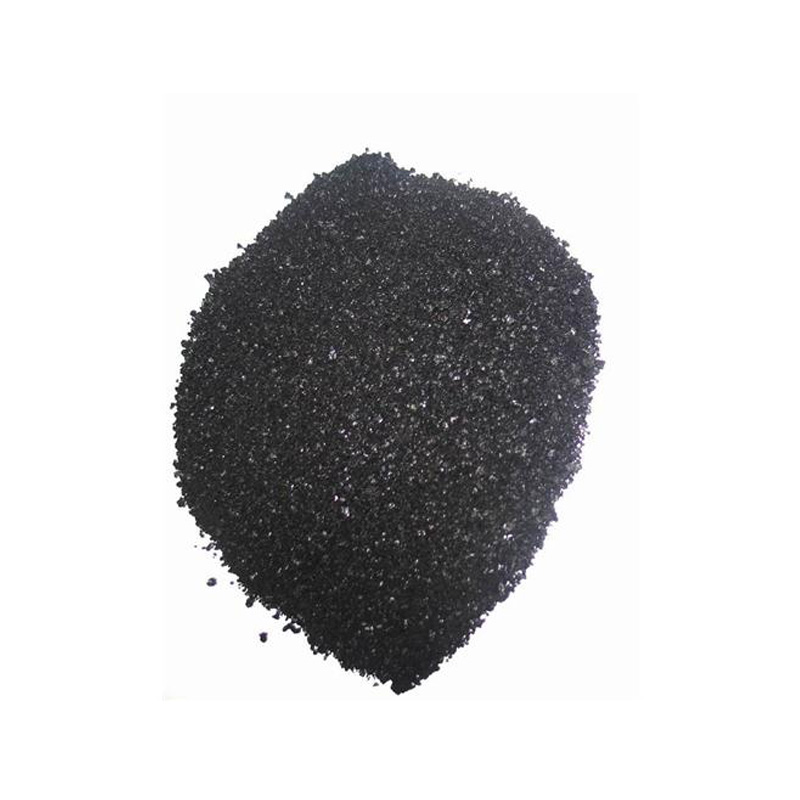
Sulphur Black
1.Name: sulphur black; Sulfur Black; Sulphur Black 1;
2.Structure formula:
3.Molecule formula: C6H4N2O5
4.CAS No.: 1326-82-5
5.HS code: 32041911
6.Product specification:Appearance:black phosphorus flakes; black liquid
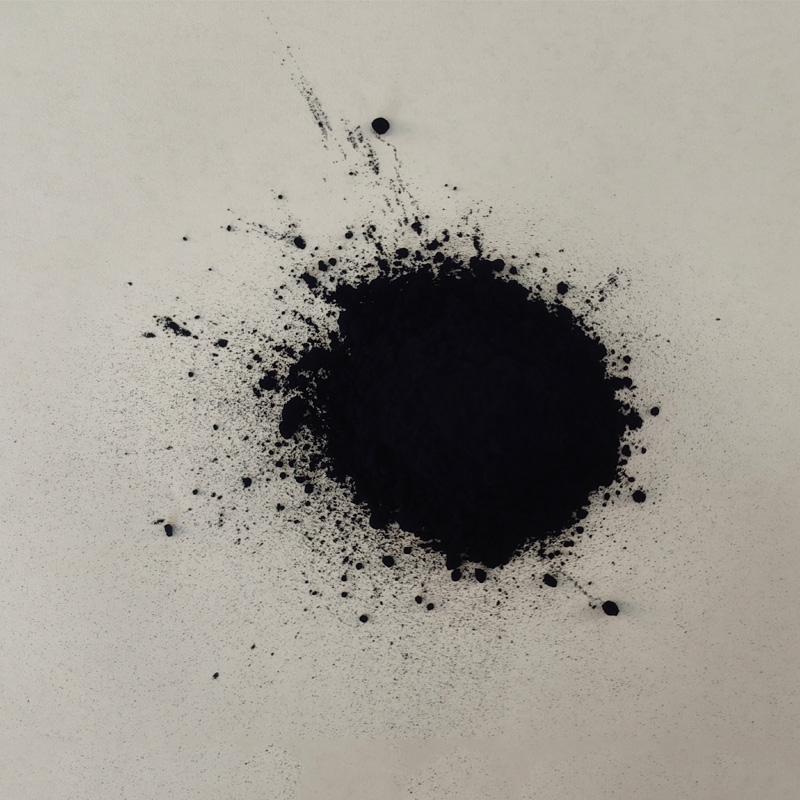
Bromo Indigo; Vat Bromo-Indigo; C.I.Vat Blue 5
1.Name: Bromo indigo; Vat bromo-indigo; C.I.Vat blue 5;
2.Structure formula:
3.Molecule formula: C16H6Br4N2O2
4.CAS No.: 2475-31-2
5.HS code: 3204151000 6.Major usage and instruction: Be mainly used to dye cotton fabrics.
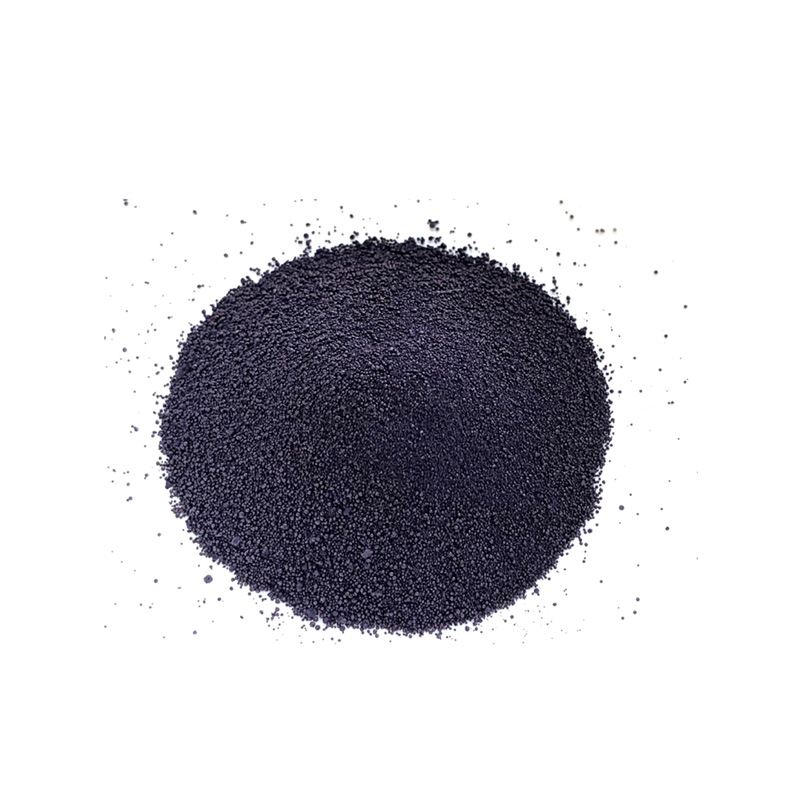
Indigo Blue Vat Blue
1.Name: indigo blue,vat blue 1,
2.Structure formula:
3.Molecule formula: C16H10N2O2
4.. CAS No.: 482-89-3
5.Molecule weight: 262.62
6.HS code: 3204151000
7.Major usage and instruction: Be mainly used to dye cotton fabrics.