

The Application Of Sulfur Black In The Textile Industry
In recent years, with increasing attention to environmental protection and sustainable development, the use of traditional dyes has been increasingly restricted. In this context, sulfer black has received widespread attention due to its unique properties and superior application effects. Sulfur based dyes are an important category of dyes widely used in the textile industry, especially in the dyeing process of cotton fabrics and other natural fibers.
Sulfur black has high color intensity and glossiness, which enables it to achieve vivid color effects in textile dyeing
One of its important features is good light and wash resistance, which allows fabrics dyed with sulphur black to maintain color for a long time and not easily fade. In addition, the stability of sulfur based dyes at high temperatures provides strong guarantees for their application in the textile industry, especially suitable for industrial dyeing processes with large-scale production.
The economy of sulfur black is another significant advantage
Compared with other dyes, sulphur black dyes have relatively lower costs and simpler dyeing processes, which is beneficial for reducing production costs and improving economic benefits. In today's increasingly competitive global business environment, reducing production costs is an important strategy for textile enterprises to enhance market competitiveness, and sulfur based dyes precisely meet this demand.
Although sulfur black has many advantages in the textile industry, its use is not without controversy
At present, there are still certain concerns about the safety of some sulfur based dyes due to their impact on life, health, and the environment. Some incompletely evaluated sulphur black dyes may pose potential risks to human health, and if the wastewater generated during the dyeing process is not properly disposed of, it may also cause environmental pollution. Therefore, how to effectively manage and control the use of sulfur black powder has become an urgent problem to be solved. Related industries should strengthen research on sulfur based dyes and explore more environmentally friendly and safe dyeing technologies to reduce their impact on the environment.
In summary, the application of sulphur black suppliers in the textile industry has demonstrated its superior performance and economy, becoming an important component of the modern textile industry. However, in the face of increasingly strict environmental regulations and market demand, textile enterprises should pay more attention to safety and environmental protection when using sulfur based dyes, and promote sustainable development. Therefore, researchers and enterprises in the industry should strengthen cooperation and jointly develop new dye technologies to strive for the production of green textiles.
-
Mastering the Art of China Japanese Indigo Dyeing Traditions
NewsApr.16,2026
-
Exploring the Elegance of China Deep Indigo Color in Textiles
NewsApr.09,2026
-
Discover High Quality China Jeans Blue Indigo for Global Markets
NewsApr.07,2026
-
Exploring the Rich Tradition of China Natural Indigo Dyed Fabric
NewsApr.04,2026
-
Exploring China Indigo Color in Nature History and Modern Applications
NewsMar.31,2026
-
Discover High Quality China Pure Indigo Powder for Vibrant Natural Dyeing
NewsMar.28,2026
-
Exploring the Rich History of China True Blue Indigo Textiles
NewsMar.26,2026
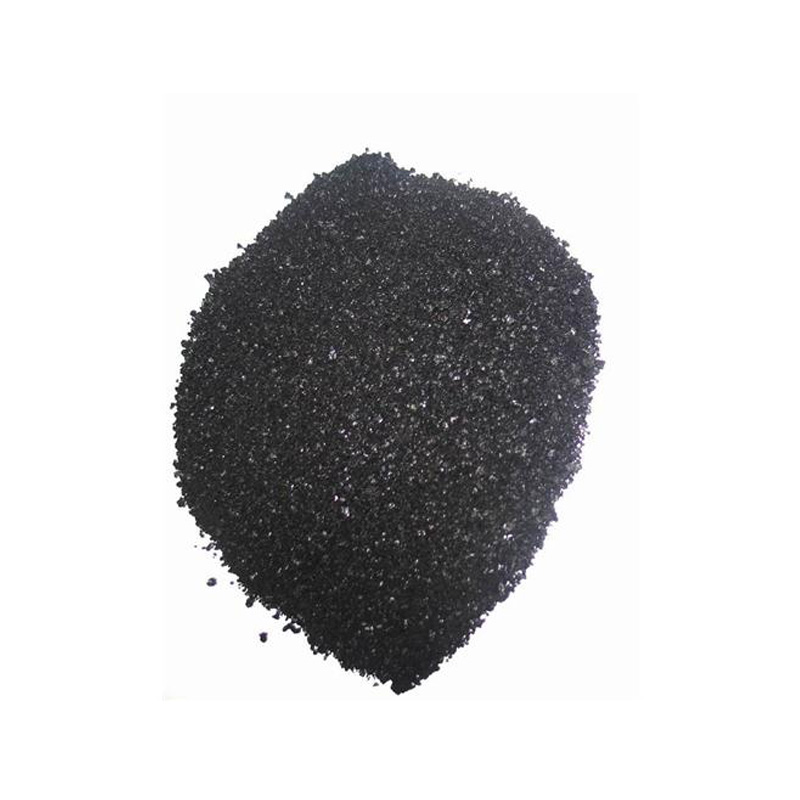
Sulphur Black
1.Name: sulphur black; Sulfur Black; Sulphur Black 1;
2.Structure formula:
3.Molecule formula: C6H4N2O5
4.CAS No.: 1326-82-5
5.HS code: 32041911
6.Product specification:Appearance:black phosphorus flakes; black liquid
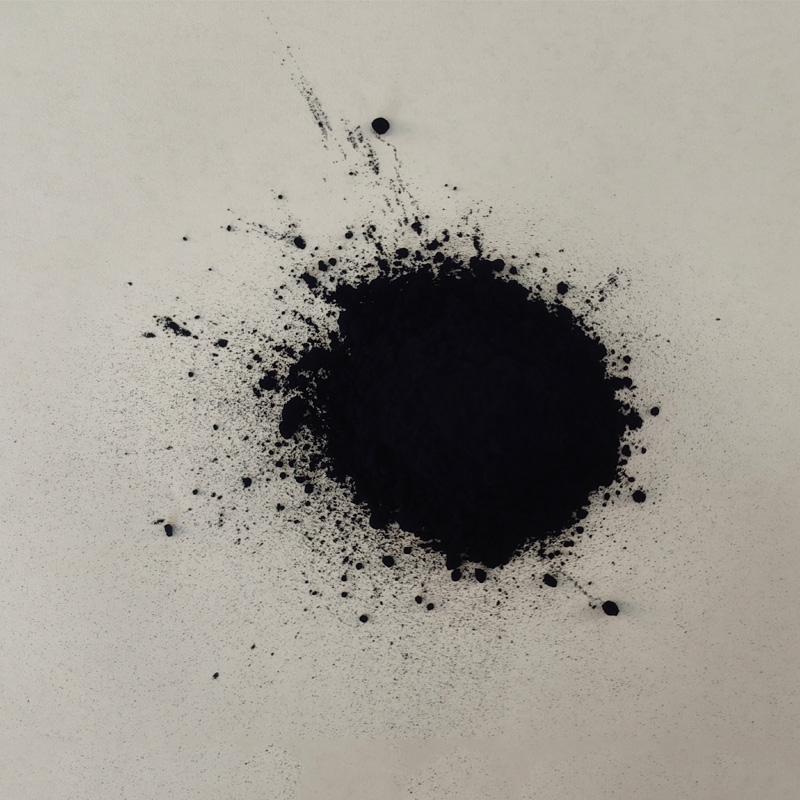
Bromo Indigo; Vat Bromo-Indigo; C.I.Vat Blue 5
1.Name: Bromo indigo; Vat bromo-indigo; C.I.Vat blue 5;
2.Structure formula:
3.Molecule formula: C16H6Br4N2O2
4.CAS No.: 2475-31-2
5.HS code: 3204151000 6.Major usage and instruction: Be mainly used to dye cotton fabrics.
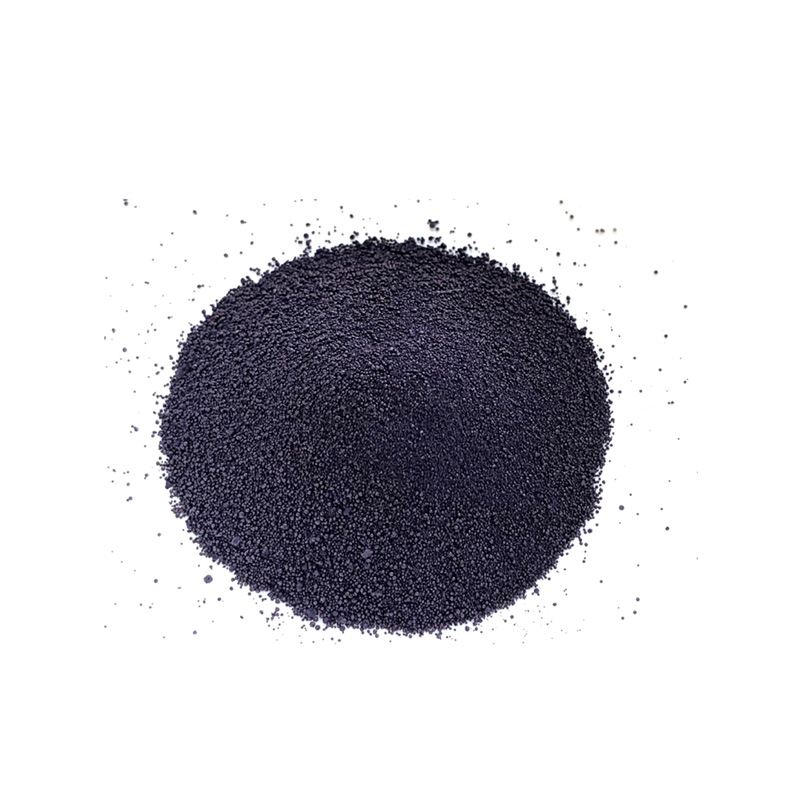
Indigo Blue Vat Blue
1.Name: indigo blue,vat blue 1,
2.Structure formula:
3.Molecule formula: C16H10N2O2
4.. CAS No.: 482-89-3
5.Molecule weight: 262.62
6.HS code: 3204151000
7.Major usage and instruction: Be mainly used to dye cotton fabrics.