The global textile industry has long been defined by the iconic hue of indigo dye denim, a material that transcends mere fashion to become a symbol of durability and timeless style. From its origins as rugged workwear to its current status as a staple in luxury wardrobes, the science behind the dyeing process remains a critical driver of quality and aesthetic appeal in the garment sector.
Understanding the complexities of indigo dyeing is essential for manufacturers and brands striving to balance high-performance textile requirements with the growing demand for sustainable production. The unique "ring-dyeing" characteristic of indigo, where the pigment remains on the surface of the yarn, allows for the celebrated fading and distressing effects that give denim its personalized character over time.
In a competitive global market, mastering the application of indigo dye denim allows producers to optimize cost efficiency while meeting strict international quality standards. By exploring the intersection of chemical innovation and artisanal craftsmanship, the industry continues to evolve, ensuring that denim remains both functional and fashionable.
The Chemical Composition of Indigo Dye Denim
At its core, indigo dye denim relies on a unique chemical property: the pigment is insoluble in water. To bond the color to the cotton fibers, the dye must first undergo a reduction process—typically using sodium hydrosulfite—to become "leuco-indigo," a soluble form that can penetrate the fabric. Once the fabric is exposed to oxygen during the dipping process, the dye reverts to its insoluble blue state, trapping the pigment on the fiber surface.
This specific molecular behavior is what enables the distinct "fade" associated with high-quality denim. Because the indigo does not fully penetrate the core of the yarn, repeated friction and washing wear away the surface pigment, revealing the white center of the cotton thread. This chemical nuance is why synthetic alternatives often struggle to replicate the authentic depth and aging process of traditional indigo.
Global Market Dynamics and Production Standards
The global demand for indigo dye denim is driven by a complex interplay of fast-fashion trends and a growing appreciation for heritage raw denim. According to industrial textile reports, the denim market maintains a steady CAGR, with a significant shift toward high-efficiency dyeing plants in Asia and Latin America. These regions are increasingly adopting ISO standards to ensure that the chemical runoff from indigo vats is minimized, reflecting a global push toward environmental accountability.
One of the primary challenges facing the industry is the volatility of raw material costs, particularly for the reducing agents required for the dyeing process. Manufacturers are now forced to choose between traditional high-yield methods and more expensive, eco-friendly alternatives. This tension has led to a bifurcated market: mass-market denim focusing on cost-efficiency, and premium "selvedge" denim focusing on the purity and depth of the indigo saturation.
Furthermore, the adoption of ZDHC (Zero Discharge of Hazardous Chemicals) guidelines has revolutionized how indigo dye denim is produced. By eliminating harmful substances from the dyeing cycle, factories are not only meeting legal requirements in the EU and US but are also improving the safety of the working environment for thousands of textile workers worldwide.
Technical Application Methods in Textile Mills
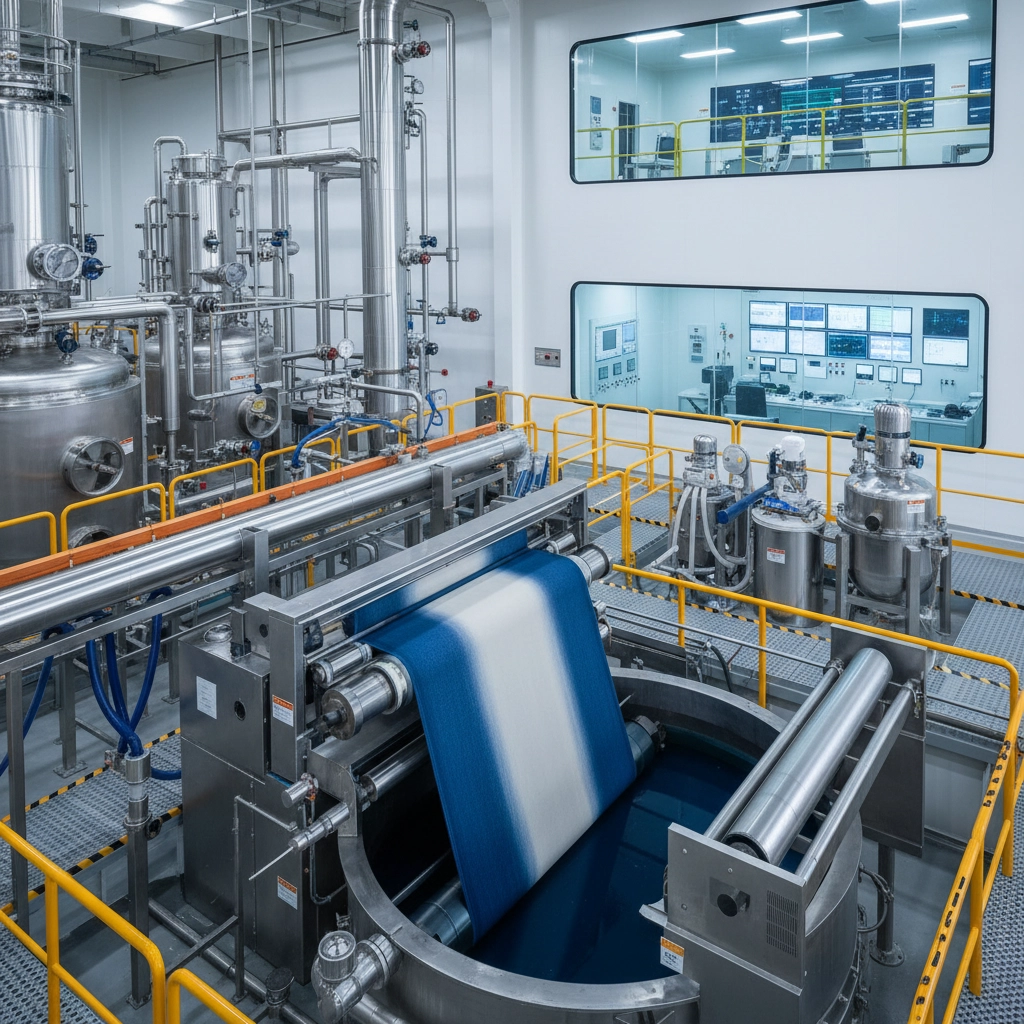
In professional textile mills, the application of indigo dye denim is achieved through a process known as "rope dyeing" or "slasher dyeing." Rope dyeing is the gold standard for premium denim, where yarns are gathered into ropes and passed through multiple dye vats. This ensures a consistent color depth and maintains the characteristic ring-dyeing effect that is highly prized by connoisseurs of raw denim.
To optimize the efficiency of indigo dye denim production, engineers carefully calibrate the pH levels and temperature of the dye baths. A slight deviation in acidity can lead to uneven shading or "streaking," which renders the fabric unsuitable for high-end garment construction. Modern automated dosing systems now allow for real-time adjustments to maintain perfect color consistency across thousands of meters of fabric.
Beyond the initial dip, the curing process is vital. The fabric must be dried and set in a way that locks the indigo onto the fiber without stripping the surface. This balance is delicate; over-processing can lead to a "flat" look, while under-processing results in excessive bleeding, which may exceed the permissible limits set by international retail standards for indigo dye denim.
Performance Metrics for Color Fastness and Durability
Evaluating the quality of indigo dye denim requires a rigorous set of performance metrics. The most critical is "crocking," which measures the amount of color that transfers from the fabric to another surface through rubbing. While some crocking is expected and even desired in denim, industrial standards require a balance to ensure the garment doesn't stain accompanying white clothing or footwear.
Another key metric is light-fastness, which determines how well the indigo resists fading when exposed to UV rays. Since denim is often worn outdoors, the chemical stability of the pigment is paramount. Advanced formulations of indigo dye denim now incorporate stabilizers that protect the blue hue from rapid degradation without sacrificing the natural aging process.
Indigo Dye Denim Quality Metric Comparison
Sustainable Innovations in Indigo Dyeing
The environmental footprint of indigo dye denim has historically been high due to the use of harsh reducing agents like sodium hydrosulfite, which release sulfates into waterways. To combat this, the industry is pivoting toward "pre-reduced indigo," which eliminates the need for onsite reduction chemicals, significantly reducing water pollution and energy consumption during the dyeing process.
Furthermore, the emergence of bio-synthetic indigo—produced via fermentation of sugar by genetically modified bacteria—offers a promising future. This innovation allows for the production of indigo dye denim without the reliance on petroleum-based precursors, aligning the textile industry with global carbon-neutral goals and the circular economy.
Economic Impact of Premium Indigo Pigments
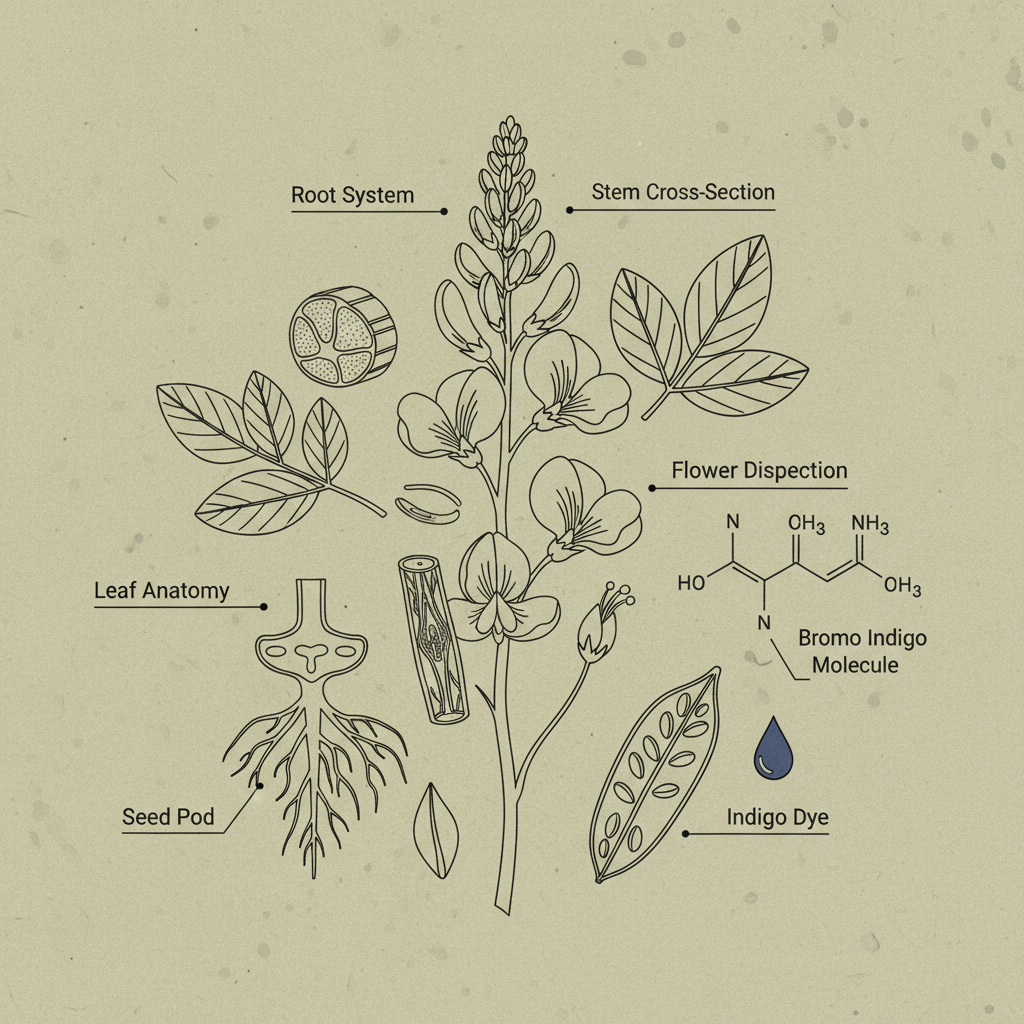
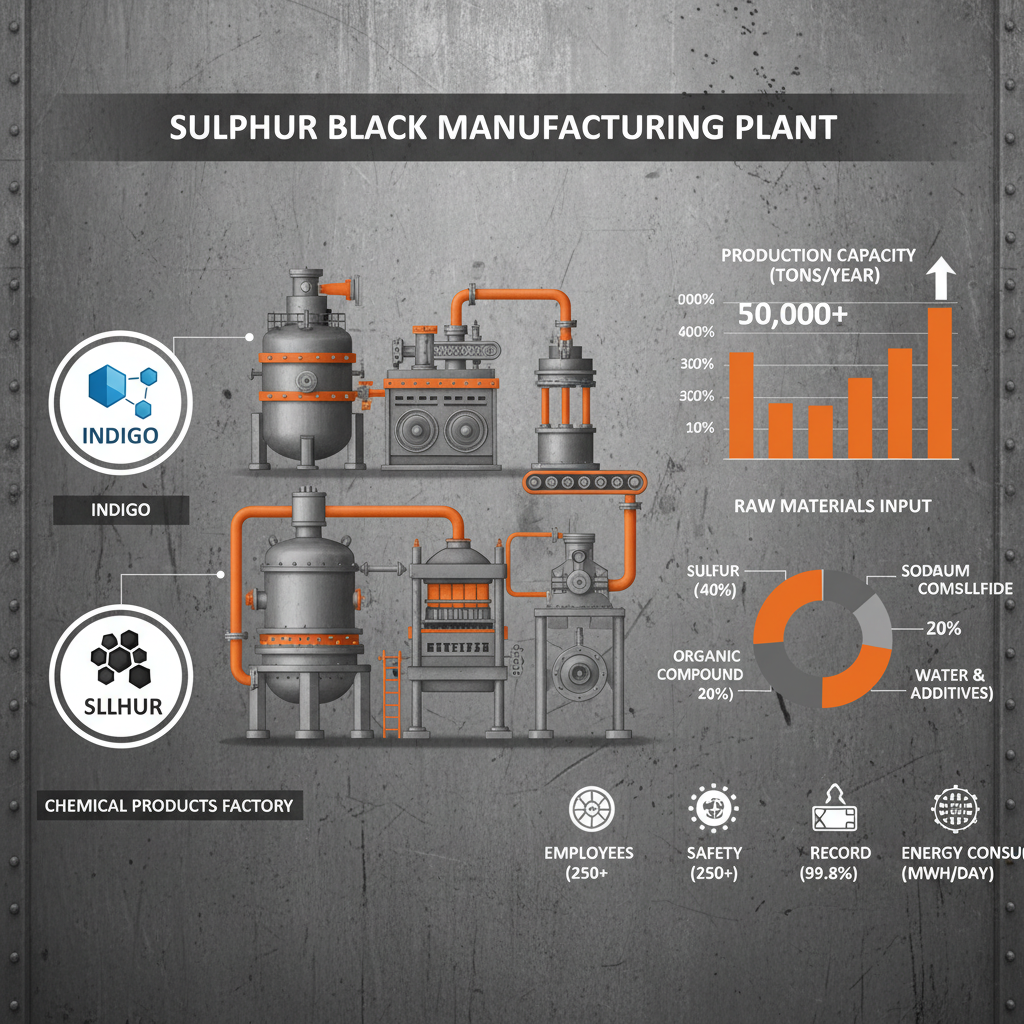
The choice of pigment significantly affects the market positioning and price point of indigo dye denim. High-purity pigments, such as those found in Bromo Indigo or specialized Sulphur Black blends, allow manufacturers to create deep, saturated tones that command a premium price in the luxury market. These high-end dyes provide a level of color depth that cheaper alternatives cannot match.
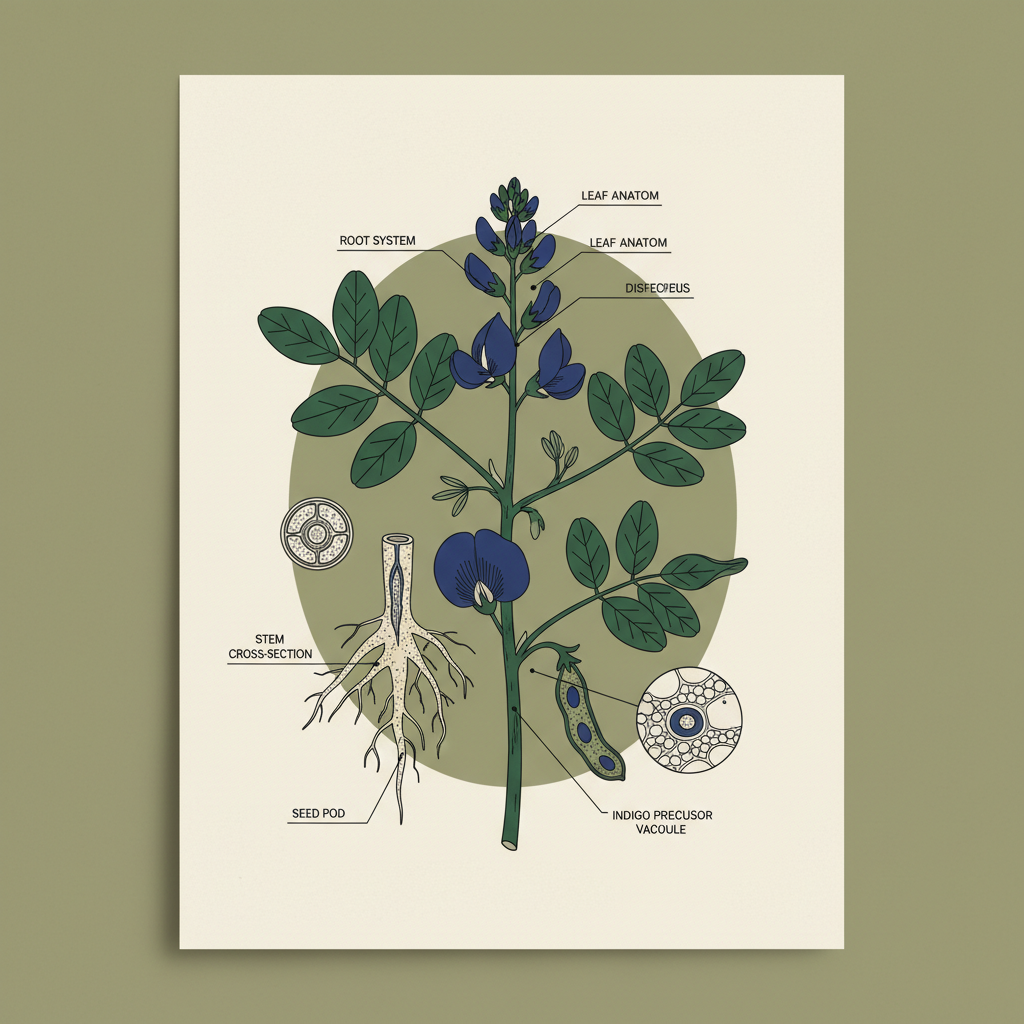
From a supply chain perspective, the integration of specialized dye houses has created a niche economy. Small-scale artisans and large-scale factories both rely on a consistent supply of high-quality indigo precursors. The ability to provide consistent, batch-to-batch color accuracy is the primary differentiator for dye suppliers, directly impacting the yield and profitability of denim brands.
Additionally, the rise of "sustainable luxury" has increased the value of organic and naturally derived indigo dye denim. Consumers are now willing to pay a significant surcharge for denim that is certified as eco-friendly, turning sustainability from a regulatory burden into a competitive economic advantage.
Comparative Analysis of Dyeing Technologies
Comparing different technologies for indigo dye denim reveals a clear trade-off between production speed and aesthetic quality. Slasher dyeing is significantly faster and more cost-effective for mass production, but it often lacks the depth of color found in rope-dyed fabrics. For brands targeting the "heritage" market, the slower, more expensive rope method is indispensable.
Modern foam dyeing technology is another disruptive innovation. By applying indigo via a foam medium rather than a water bath, manufacturers can reduce water usage by up to 90%. This technology represents the next frontier for indigo dye denim, offering a path to maintain the classic look while drastically reducing the industrial footprint.
Ultimately, the selection of dyeing technology depends on the target demographic. While the general consumer may prioritize price and fast delivery, the denim enthusiast looks for specific "slub" patterns and authentic wear-and-tear, which can only be achieved through precise, high-quality indigo application.
Analysis of Indigo Dyeing Technologies and Performance
| Dyeing Method |
Water Usage |
Color Depth |
Production Speed |
| Rope Dyeing |
High |
Excellent (10/10) |
Slow |
| Slasher Dyeing |
Medium |
Good (7/10) |
Fast |
| Foam Dyeing |
Very Low |
Fair (6/10) |
Medium |
| Bio-Indigo |
Low |
Very Good (9/10) |
Medium |
| Pre-Reduced Dye |
Medium |
Good (8/10) |
Fast |
| Natural Vat Dye |
Very High |
Unique (10/10) |
Very Slow |
FAQS
Synthetic indigo is produced chemically and offers extreme consistency and scalability, making it ideal for mass production. Natural indigo is derived from plants (like Indigofera tinctoria) and provides a more organic, varied hue that is highly prized in artisan denim. While natural indigo is more sustainable, it is significantly harder to standardize for large-scale manufacturing.
This happens because of "ring-dyeing." The indigo pigment does not penetrate the center of the cotton yarn but sits on the surface. As the fabric is worn and rubbed, the surface indigo wears away, exposing the white core of the yarn. This process creates the unique fade patterns, such as whiskers and honeycombs, that denim lovers desire.
Traditionally, yes, due to the use of strong reducing agents and high water consumption. However, the industry is shifting toward pre-reduced indigo, foam dyeing, and bio-synthetic pigments to reduce the chemical load and water waste, making modern indigo dye denim production much cleaner than it was two decades ago.
Crocking refers to the transfer of indigo dye from the fabric surface to another surface through friction. It is a natural characteristic of indigo because the dye is not fully bonded within the fiber. In the industry, it is measured to ensure the transfer is within an acceptable range so it doesn't excessively stain other materials.
To preserve the deep blue of indigo dye denim, it is recommended to wash garments sparingly, use cold water, and turn them inside out. Avoiding harsh detergents and avoiding the dryer (air drying instead) will prevent the surface pigment from stripping away too rapidly.
The most common include synthetic indigo powders, pre-reduced indigo liquids, and specialized variants like Bromo Indigo for specific shades. Additionally, complementary dyes like Sulphur Black are often used to create deep charcoal or black-indigo hybrid tones for modern fashion collections.
Conclusion
The journey of indigo dye denim from its chemical foundations to its global market dominance reflects the broader evolution of the textile industry. By balancing the technical requirements of color fastness and durability with the artistic desire for natural fading, manufacturers have created a fabric that is as resilient as it is versatile. The integration of sustainable technologies, such as bio-indigo and waterless dyeing, ensures that this iconic material can continue to thrive in an environmentally conscious era.
Looking forward, the future of denim lies in the synergy between traditional craftsmanship and digital chemical precision. Brands and manufacturers who invest in high-purity pigments and eco-friendly processes will not only secure their place in the luxury market but will also lead the way toward a more sustainable textile future. To explore high-quality dye solutions and professional textile components, visit our website: www.wuxin-group.com.