The allure of the indigo dye color has captivated civilizations for millennia, evolving from a rare luxury reserved for royalty to the foundational pigment of the global denim industry. Understanding the chemistry and application of this unique hue is not merely a matter of aesthetics but a deep dive into the intersection of organic chemistry and textile engineering. In today's competitive manufacturing landscape, mastering the nuances of indigo allows producers to balance vibrant visual appeal with the rigorous demands of industrial durability.
Globally, the demand for high-quality indigo blue continues to surge, driven by a resurgence in sustainable fashion and the timeless popularity of blue textiles. However, the industry faces a critical juncture where traditional dyeing methods must evolve to meet strict environmental standards and efficiency benchmarks. The challenge lies in achieving a consistent, deep indigo dye color while reducing the chemical footprint and water consumption associated with the reduction process.
By exploring the technical properties and innovative applications of indigo, manufacturers can unlock new levels of product value. From the classic depth of Sulphur Black to the specialized brilliance of Bromo Indigo, the variety of available pigments ensures that every textile application—whether high-fashion or heavy-duty industrial wear—can achieve the perfect shade. This guide provides a comprehensive technical and commercial overview of the indigo dye color ecosystem.
Global Relevance of Indigo Dye Color
The global significance of indigo dye color is reflected in its omnipresence across diverse markets, from the high-streets of New York to the manufacturing hubs of Southeast Asia. According to industrial textile reports, the blue pigment segment remains one of the most stable yet demanding sectors of the chemical industry, as it requires a precise balance of solubility and fastness.
In the modern era, the relevance of this pigment has shifted toward "green chemistry." With ISO standards pushing for lower VOC emissions and reduced water pollution, the industry is redefining how the indigo dye color is synthesized and applied, moving away from harsh reducing agents toward more bio-compatible catalysts.
Technical Definition and Industrial Meaning
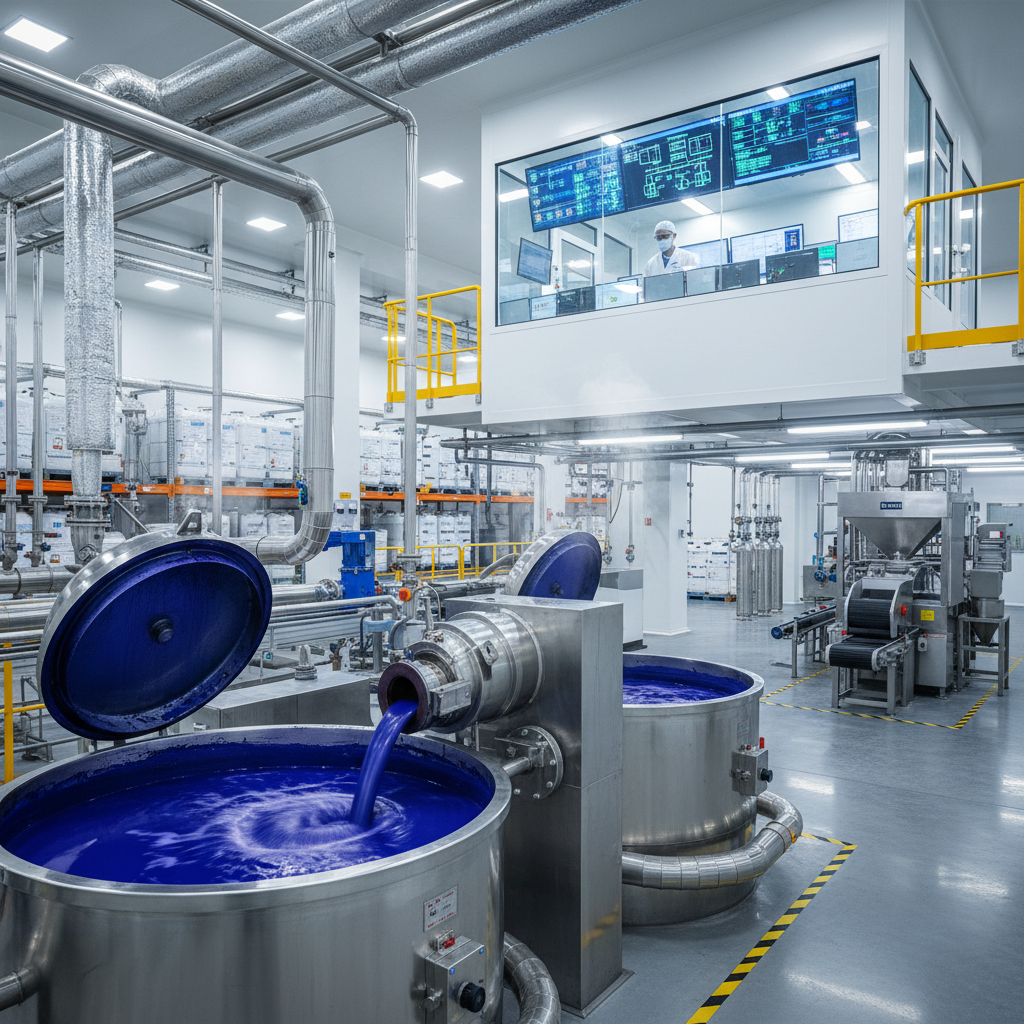
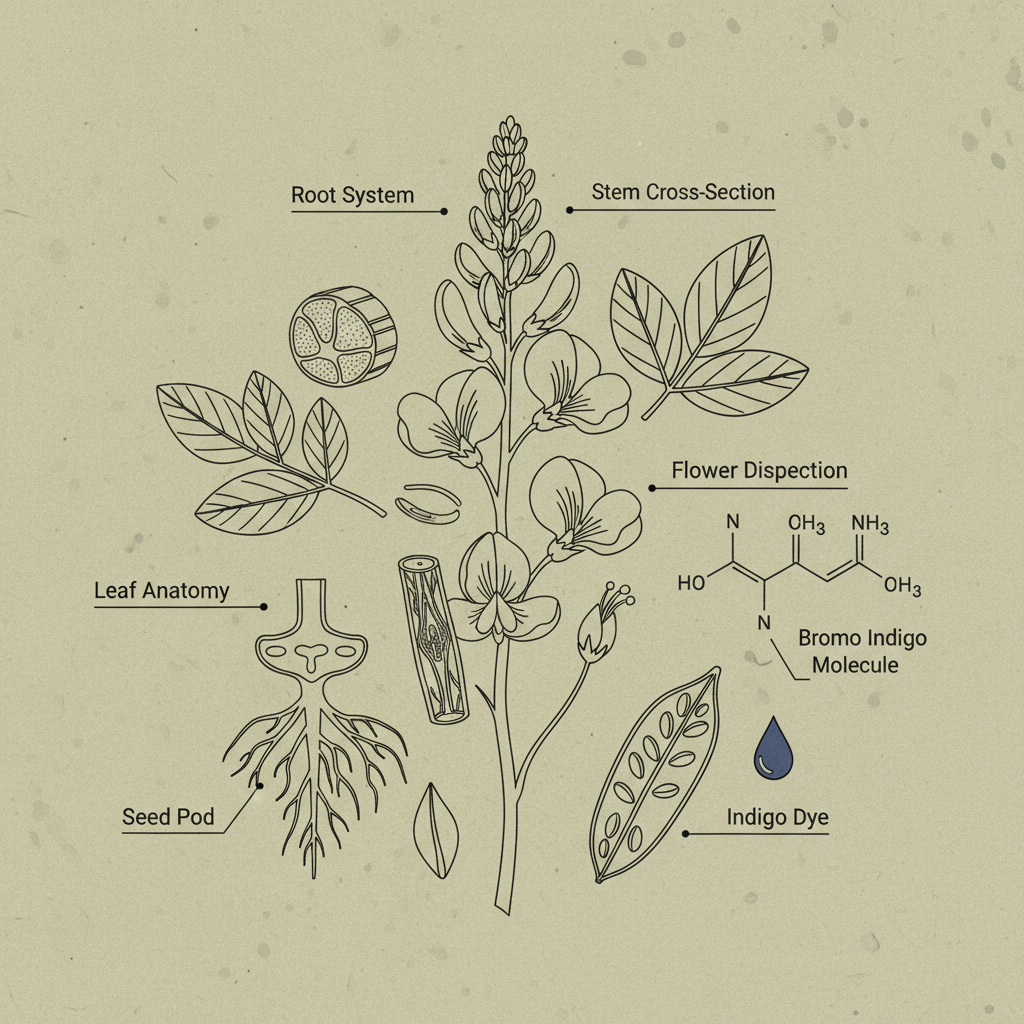
In simple technical terms, indigo dye color is derived from the organic compound indigotin. Unlike many other dyes, indigo is insoluble in water, meaning it must be converted into a soluble "leuco" form through a chemical reduction process before it can penetrate the fibers of a fabric. Once the fabric is exposed to oxygen, the dye reverts to its insoluble blue state, locking the color within the fiber structure.
From an industrial perspective, this "ring dyeing" characteristic is what gives denim its iconic fade. The dye does not fully penetrate the core of the yarn, allowing for localized abrasion that creates the unique wear patterns consumers desire. This makes indigo dye color fundamentally different from reactive or disperse dyes, which aim for total saturation.
For modern humanitarian and industrial needs, the stability of indigo-dyed materials is paramount. Whether used in protective workwear or sustainable consumer apparel, the ability of the indigo dye color to withstand repeated washing while maintaining a professional aesthetic makes it a cornerstone of the global chemical textile trade.
Core Components of Quality Indigo Pigments
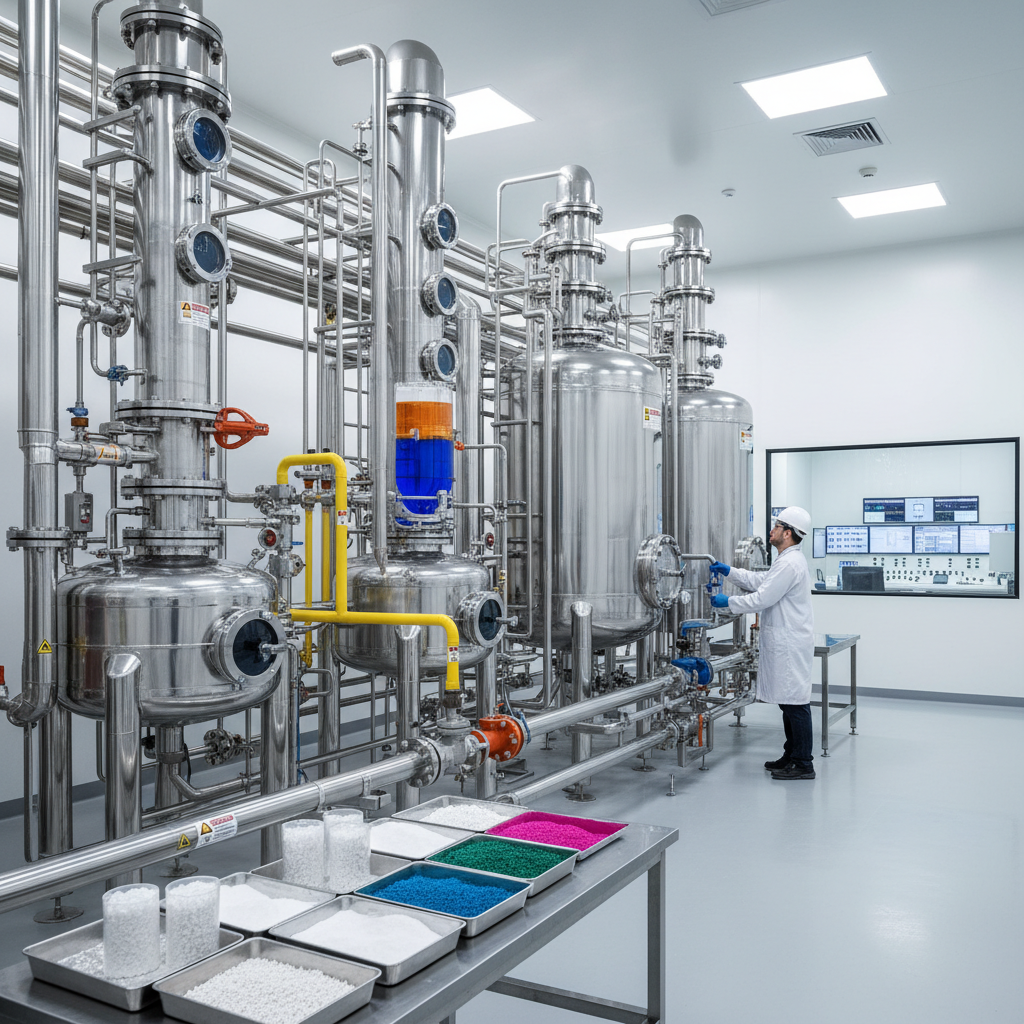
Achieving a premium indigo dye color depends on several critical factors, the first being purity. High-purity pigments prevent the appearance of "specking" or uneven streaks in the final fabric, ensuring a smooth, commercial-grade finish that meets the expectations of global brands.
Another essential component is solubility and dispersion. Since the indigo dye color requires a reduction phase, the ease with which the pigment disperses in the dye vat directly impacts the efficiency of the process and the consistency of the shade across thousands of meters of fabric.
Finally, light-fastness and rub-fastness determine the longevity of the product. A superior indigo dye color must resist premature fading from UV exposure while allowing for the controlled, natural aging process that is characteristic of high-end indigo blue products.
Practical Application Performance Metrics
When evaluating the performance of various indigo solutions, manufacturers look at a combination of saturation depth and chemical stability. The indigo dye color is not a monolith; variations such as Bromo Indigo provide different intensities and bonding strengths depending on the substrate.
To optimize production, it is necessary to compare different application methods. Whether using traditional vat dyeing or modern foam dyeing, the goal is to maximize the "exhaustion rate"—the percentage of dye that actually adheres to the fabric—thereby reducing waste and lowering costs.
Performance Comparison of Indigo Dye Color Methods
Global Use Cases Across Textile Sectors
The application of indigo dye color extends far beyond simple denim jeans. In the realm of luxury fashion, high-density indigo blue is used for tailored blazers and premium outerwear, where the depth of the color signifies quality and exclusivity. These applications require a higher concentration of pigment and precise curing temperatures to ensure the color remains vivid.
In industrial zones, indigo-dyed fabrics are often blended with synthetic fibers to create durable workwear. For instance, in heavy-duty utility garments, the indigo dye color is paired with Sulphur Black to create dark, stain-resistant textiles that maintain their professional look even in harsh environments. This versatility makes indigo a strategic asset for manufacturers serving both the retail and industrial sectors.
Long-Term Value and Sustainability Gains
Investing in a high-quality indigo dye color provides significant long-term economic value by reducing the rate of product returns due to uneven fading or poor wash-fastness. When a manufacturer uses stable, high-grade indigo, they build brand trust and customer loyalty, as the garment ages gracefully over time.
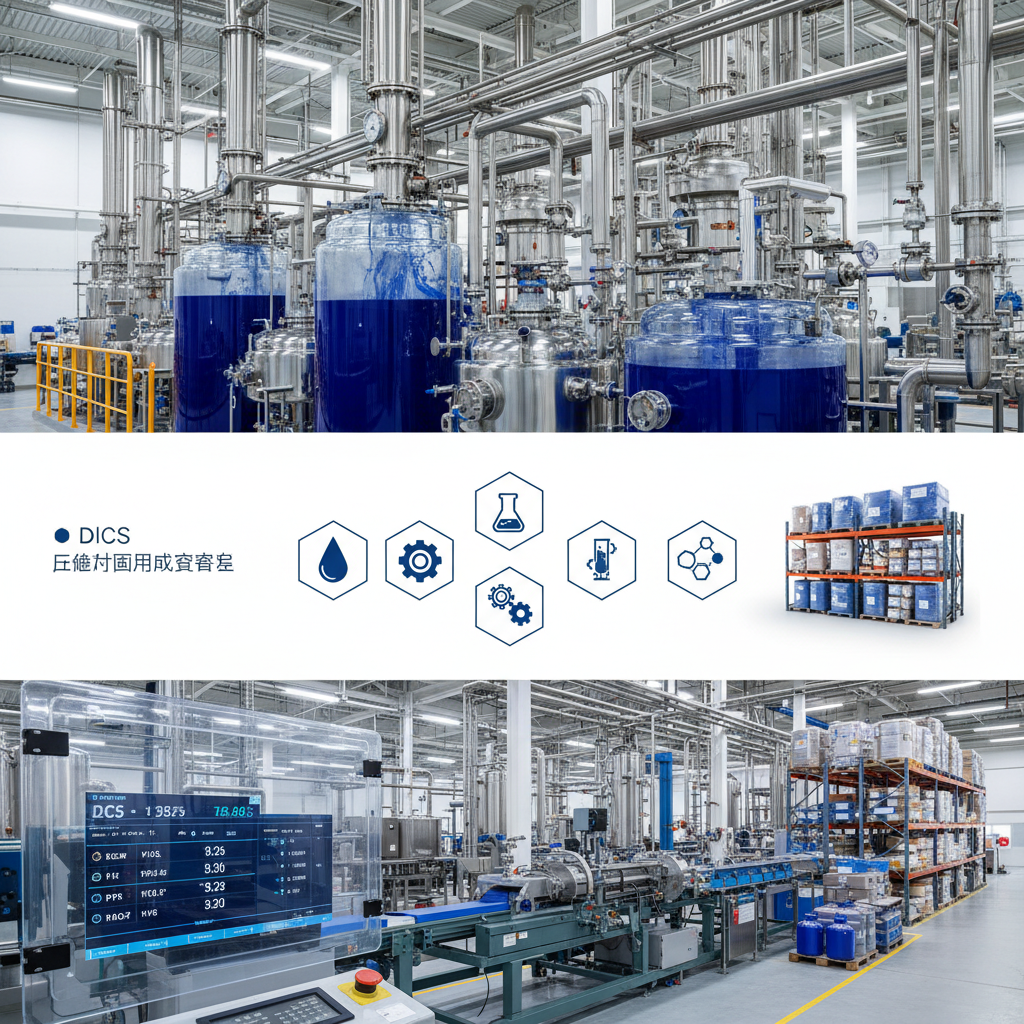
From a sustainability angle, the shift toward pre-reduced indigo liquids has revolutionized the factory floor. By eliminating the need for on-site reduction using sodium hydrosulfite, companies can drastically reduce their water toxicity and energy consumption, aligning their production with global ESG (Environmental, Social, and Governance) goals.
Moreover, the emotional value of the indigo dye color—often associated with reliability, trust, and timelessness—allows brands to position their products as "slow fashion." This shift from disposable clothing to durable, lifelong pieces creates a logical and emotional bridge between the manufacturer and the conscious consumer.
Future Innovations in Indigo Dyeing
The future of indigo dye color is being rewritten by biotechnology and digital transformation. One of the most exciting frontiers is the development of "bio-indigo," produced through fermented bacteria rather than petroleum-based chemicals. This innovation promises a carbon-neutral path to achieving the same deep blue hues without the environmental toll.
Parallel to this, digital inkjet printing for indigo is emerging as a viable alternative to immersion dyeing. By applying the indigo dye color only where needed through precise digital droplets, manufacturers can reduce water usage by up to 90%, effectively transforming the dyeing process into a high-tech printing operation.
Automation and AI are also playing a role in color matching. Real-time spectroscopic analysis now allows factories to adjust the indigo dye color in the vat instantly, ensuring that every batch is identical regardless of temperature fluctuations or water quality, thereby eliminating costly waste.
Comparative Analysis of Indigo Dye Color Technologies
| Technology Type |
Eco-Impact Score |
Color Depth |
Cost Efficiency |
| Traditional Vat Dye |
4/10 |
High |
Moderate |
| Pre-reduced Indigo |
7/10 |
Very High |
High |
| Bio-Synthetic Indigo |
9/10 |
Moderate |
Low (Current) |
| Digital Indigo Print |
10/10 |
Variable |
Moderate |
| Foam Dyeing Tech |
8/10 |
High |
High |
| Electro-chemical Indigo |
8/10 |
High |
Moderate |
FAQS
Unlike reactive dyes that bond chemically to the fiber, indigo dye color sits on the surface of the yarn. This "ring dyeing" effect is what allows denim to fade over time, creating the unique worn-in look that is impossible to achieve with other blue pigments.
Consistency is achieved by controlling the pH level and the reduction potential of the dye vat. Using pre-reduced indigo liquid and automated dosing systems helps eliminate human error and ensures a uniform shade across all production runs.
Traditional methods use harsh chemicals like sodium hydrosulfite. However, modern innovations such as bio-indigo and electro-chemical reduction are making the process significantly more eco-friendly by reducing water waste and eliminating toxic by-products.
Yes, while indigo is most common on cotton, it can be applied to linen, hemp, and certain synthetic blends. However, the bonding strength and the final shade may vary depending on the fiber's porosity and chemical composition.
Standard Indigo Blue is the classic pigment used for general denim. Bromo Indigo is a modified version that often offers different solubility profiles and a more intense, deeper saturation, making it ideal for high-fashion "dark indigo" garments.
To improve fastness, manufacturers use specialized fixing agents and optimize the oxidation process after dyeing. For the consumer, washing in cold water and avoiding direct sunlight helps preserve the depth of the indigo blue.
Conclusion
The mastery of indigo dye color is a sophisticated blend of ancient artistry and cutting-edge chemical engineering. From the critical importance of purity and dispersion to the adoption of sustainable bio-technologies, the journey of indigo reflects the broader evolution of the global textile industry. By focusing on high-performance pigments and eco-efficient application methods, manufacturers can deliver products that are not only visually stunning but also environmentally responsible and economically viable.
As we look toward the future, the integration of digital printing and carbon-neutral chemistry will further elevate the standards of indigo production. For businesses seeking to stay competitive, the key lies in adopting these innovations while maintaining the timeless appeal of the classic blue hue. We invite you to explore our professional range of dye solutions to enhance your product quality. Visit our website: www.wuxin-group.com