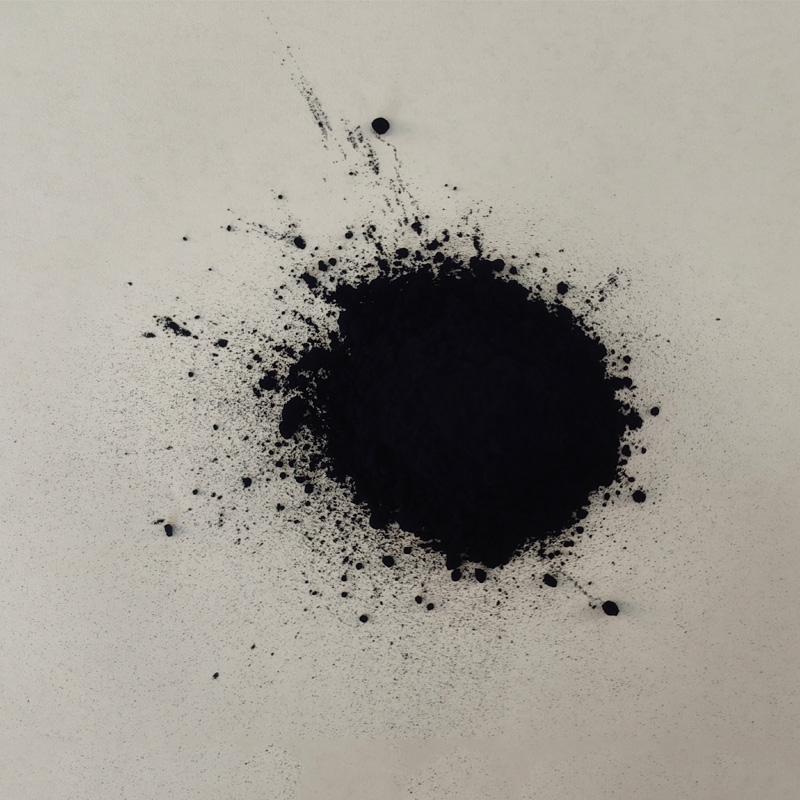
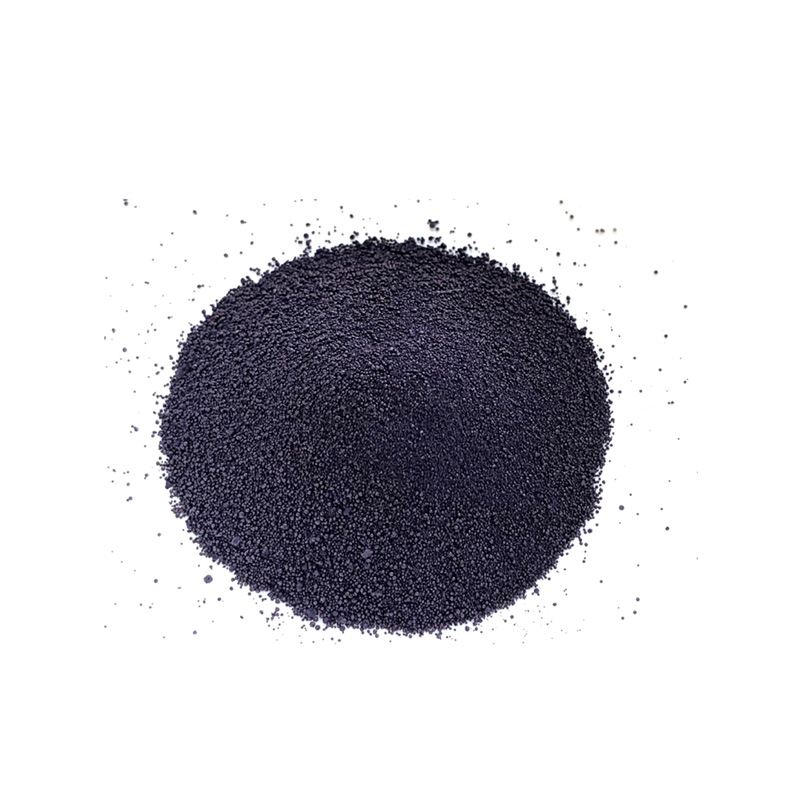
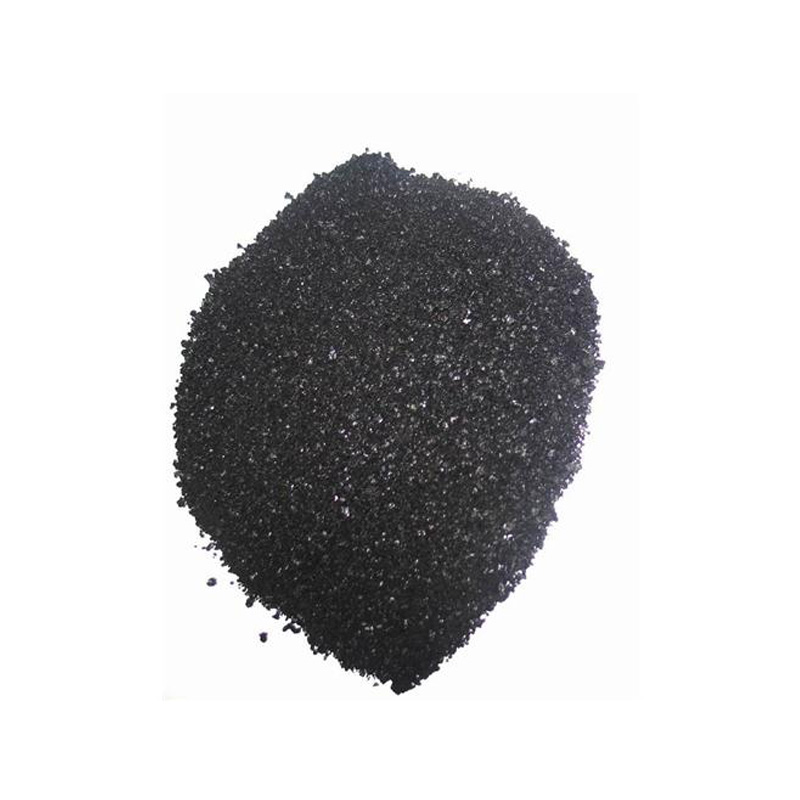
Uruguay Industrial Dyeing Solutions with pure indigo dye

Providing high-performance chemical colorants and sustainable dyeing agents tailored for the Uruguayan textile and leather manufacturing sectors.

Uruguay Industrial Dyeing Solutions with pure indigo dye

We integrate advanced chemical engineering with local Uruguayan industrial needs to deliver premium dyes that ensure color fastness, environmental compliance, and cost-efficiency for textile producers.

Current State of Dyeing Industry in Uruguay

Analyzing the intersection of South American textile traditions and modern chemical requirements.

The manufacturing landscape in Uruguay is characterized by a strong emphasis on high-quality leather and specialized textile exports. Currently, there is a significant shift toward integrating natural indigo denim production to cater to the growing global demand for sustainable fashion, leveraging Uruguay's commitment to green energy.

However, many local facilities still struggle with the consistency of imported raw materials. The demand for sulphur black dyes remains high for the footwear and upholstery industries, yet there is a critical need for suppliers who can provide technical support for wastewater treatment to meet strict local environmental regulations.

The market is currently transitioning from bulk generic imports to specialized, high-purity chemical agents. The adoption of bromo indigo powder is increasing among boutique denim manufacturers in Montevideo who seek a more refined and controllable dyeing process compared to traditional methods.

Evolution and Trajectory of Chemical Dyeing

From artisanal vats to precision chemical engineering in the Southern Cone.

Market Development History

In the early 20th century, Uruguay's dyeing sector relied heavily on organic matter and rudimentary fermentation. By the 1970s, the industry transitioned toward synthetic chemistry, introducing basic sulfur-based dyes to support the expanding leather export market.

The turn of the millennium marked a pivotal shift toward standardization. Between 2000 and 2015, the introduction of stable indigo source dye formulations allowed local factories to achieve the deep, consistent hues required for international denim brands.

Since 2018, the trajectory has been defined by "Green Chemistry." The industry is now moving away from heavy-metal catalysts toward biodegradable agents and high-purity synthetic substitutes that mimic natural properties without the volatility.

Future Development Trends

Digital Color Matching Integration

Predictive AI is being used to calibrate the exact concentration of dyes, reducing waste and ensuring that the first dip achieves the target shade.

Eco-certified Synthetic Hybrids

A move toward dyes that combine the performance of synthetics with the ecological footprint of organic sources to satisfy EU import standards.

Waterless Dyeing Technologies

The implementation of supercritical CO2 dyeing to eliminate water usage entirely in the denim production cycle.

Industry Trends and Future Outlook

Strategic forecasting for the chemical dyestuff market in Uruguay.

Sustainable Sourcing
Increased demand for bio-based indigo derivatives to reduce the chemical oxygen demand (COD) in textile effluent.
Precision Application
Shift toward micro-powdered dyes that allow for rapid dissolution and more uniform coloring in automated systems.
Circular Chemistry
Development of dye recovery systems that allow manufacturers to recapture and reuse unfixed pigment.
Regulatory Alignment
Adapting dye chemistry to meet the evolving REACH and OECD standards for chemicals exported from Uruguay.

Industry Outlook

Based on Google search trends for "sustainable textiles South America," there is a marked increase in queries regarding eco-friendly pigments. We predict that within the next 3-5 years, the Uruguayan market will see a 25% increase in the adoption of low-temperature dyeing processes to reduce carbon footprints.

Furthermore, the integration of high-purity bromo indigo powder will likely become the standard for high-end apparel, as manufacturers pivot from mass production to "slow fashion" and customized artisanal batches.

Localized Application Scenarios in Uruguay

Real-world implementations of advanced dyes in the Uruguayan industrial ecosystem.

1. Premium Denim Production in Montevideo

Utilizing high-concentration pure indigo dye to create deep indigo shades for boutique denim brands exporting to the North American market.

2. Industrial Footwear Dyeing in the Interior

Application of sulphur black dyes for heavy-duty work boots and leather gear, ensuring high rub-fastness and resistance to weathering.

3. Eco-Textile Startups in Punta del Este

Implementing natural indigo denim processes for high-end sustainable resorts and sustainable beachwear labels.

4. Large-scale Fabric Finishing Plants

Using optimized indigo source dye in continuous dyeing ranges to maintain color uniformity across thousands of meters of fabric.

5. Specialty Leather Finishing Shops

Integrating bromo indigo powder for precision shading in luxury leather handbags and accessories.

Brand Story

Global Development History of Anping Wuxin Chemical Dye Co., Ltd.

Foundational Excellence

Established as a pioneer in the dyestuff industry, focusing on the purity and stability of core chemical components.

Technological Breakthrough

Innovated a proprietary synthesis method for indigo derivatives, solving the common problem of pigment precipitation.

Global Expansion

Extended operations into South America, establishing a robust supply chain to serve the growing Uruguayan textile sector.

Eco-Innovation Phase

Launched a line of low-impact dyes, reducing hazardous waste by 30% while maintaining industrial-grade intensity.

Industry Leadership

Recognized globally for bridging the gap between high-performance chemical dyeing and environmental sustainability.

Complete Dye Product Portfolio for Uruguay

A comprehensive range of high-purity colorants designed for the Southern Cone's specific industrial climate.

Common Industrial Dyeing FAQs in Uruguay

Expert answers to technical challenges faced by local manufacturers.

How to improve the solubility of bromo indigo powder in local water conditions?

We recommend adjusting the pH levels and using a high-shear mixing system to ensure the powder is fully dispersed before adding it to the textile bath.

What is the best method for fixing sulphur black dyes on Uruguayan leather?

Using a controlled temperature gradient and a specific tanning agent ensures that the sulphur bonds penetrate deep into the hide for maximum durability.

Is natural indigo denim production viable for large-scale exports from Uruguay?

Yes, by combining artisanal natural sources with synthetic stabilizers, you can achieve the scale and consistency required for international retail.

How does an indigo source dye differ from generic indigo powders?

An indigo source dye is a refined precursor that offers better chemical stability and more predictable shading than raw powders.

What are the environmental advantages of using pure indigo dye?

Pure formulations reduce the presence of unwanted chemical by-products, making the wastewater treatment process more efficient and less costly.

Which dyes are most resistant to the humid climate of South America?

Sulphur-based and high-purity synthetic indigos provide the best resistance to humidity and UV exposure, preventing color fading.

Optimize Your Dyeing Process Today

Get expert consultation and high-performance chemical solutions for your manufacturing plant in Uruguay.

Contact Us Now

If you are interested in our products, you can choose to leave your information here, and we will be in touch with you shortly.