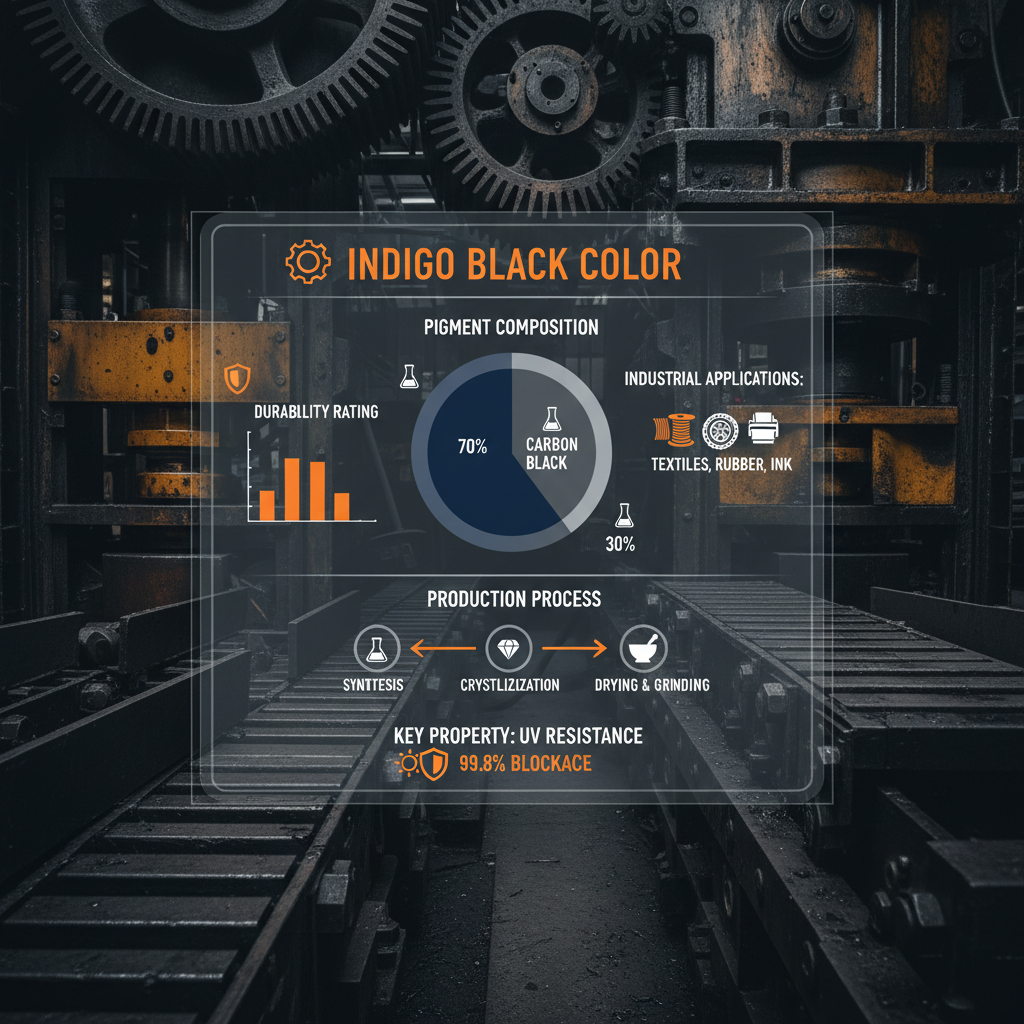
The world of color is vast and nuanced, but certain shades hold a particular resonance, evoking feelings of sophistication, depth, and mystery. Among these, the combination of indigo and black stands out as a powerful and versatile palette. This indigo black color isn't simply a mix; it represents a spectrum of possibilities, from the deep, inky blues of twilight to the stark, commanding presence of pure black. Understanding this palette is crucial for designers, artists, and industries seeking to create impactful visuals and products.
Globally, the appeal of indigo black color transcends cultural boundaries. Historically, indigo dyes were highly prized commodities, traded along ancient routes and symbolizing status and wealth. Today, this color scheme is prevalent in fashion, technology, automotive design, and even within the psychological understanding of branding. The demand for sophisticated, premium aesthetics drives its continued relevance, impacting economies and influencing consumer choices worldwide. Its adaptability across diverse fields makes a solid grasp of its applications increasingly vital.
Indigo black color is much more than just a visual preference; it represents an aesthetic that communicates quality, strength, and understated elegance. This particular blend is increasingly sought after in sectors demanding a premium feel, and an understanding of its nuances allows businesses and creatives to tap into a highly effective communication tool. It's a color scheme that doesn’t just look good – it performs well.
The Significance of Indigo Black Color
Indigo black color has a rich historical and cultural significance, evolving from a symbol of royalty and spiritual power to a contemporary aesthetic choice. Historically, the sourcing of indigo was a complex process, making the color expensive and reserved for elites. This legacy of exclusivity imbues the shade with an inherent sense of quality and distinction.
Today, indigo black color continues to be valued for its versatility and ability to convey a range of emotions and messages. Its sophisticated appeal makes it a popular choice for brands aiming to project an image of luxury, innovation, and trustworthiness. The color is frequently used in branding, packaging, and product design, creating a lasting impression on consumers.
Defining the Indigo Black Color Spectrum
Indigo black color isn’t a single, monolithic hue. It represents a gradient, a subtle interplay between deep indigo blues and rich blacks. This spectrum allows for incredible customization and nuance, ranging from nearly pure black with a hint of indigo undertones to bolder shades where the indigo is more prominent. Designers often manipulate the ratio to achieve specific aesthetic effects.
Understanding the underlying color theory is crucial. Indigo, positioned between blue and violet, is associated with intuition, wisdom, and spirituality. Black symbolizes power, elegance, and sophistication. When combined, the resulting indigo black color inherits these qualities, creating a dynamic and impactful aesthetic.
The precise definition of indigo black color can vary depending on the color space used (RGB, CMYK, Pantone). However, generally, it will feature a high proportion of blue and black values, with careful calibration to achieve a balanced and harmonious look. This is particularly important when translating the color across different media.
Core Elements of Indigo Black Color Application
The successful application of indigo black color relies on several core elements. First, tonal balance is critical. Achieving the right ratio of indigo to black is crucial for avoiding a color that appears too harsh or too washed out. Skillful manipulation of this balance allows for a wide range of visual effects.
Secondly, texture and finish significantly impact how indigo black color is perceived. Matte finishes convey a sense of sophistication and subtlety, while glossy finishes offer a more modern and dynamic look. The choice of finish should align with the overall aesthetic goals of the design.
Thirdly, context and contrast play a vital role. Indigo black color works exceptionally well when paired with complementary colors, such as gold, silver, or muted earth tones. These combinations create visual interest and enhance the overall impact of the design. Careful consideration of surrounding colors is paramount.
Practical Applications in Diverse Industries
The versatility of indigo black color makes it highly sought-after across numerous industries. In fashion, it’s often used in high-end garments, accessories, and footwear to convey luxury and sophistication. The deep, rich hues enhance the perceived value and quality of the products.
In automotive design, indigo black color is a popular choice for exterior paint finishes, signaling prestige and innovation. It's also frequently used for interior trim and upholstery, creating a sense of luxury and comfort. The color’s ability to hide imperfections makes it ideal for automotive applications.
Evaluation of Indigo Black Color Methods
Advantages and Long-Term Value Proposition
The advantages of utilizing indigo black color are multi-faceted. From a marketing perspective, it inherently communicates a sense of quality and premium value. Consumers often associate this color scheme with sophisticated brands and high-end products, resulting in increased brand perception and customer loyalty.
Long-term, this association translates into sustainable brand equity and increased profitability. The color’s timeless appeal ensures that designs incorporating it remain relevant and stylish over time, reducing the need for frequent rebranding or aesthetic overhauls. This consistency builds trust and reinforces brand identity.
Emerging Trends and Future Innovations
The future of indigo black color is tied to innovations in materials science and sustainable dye technologies. Researchers are actively exploring bio-based indigo dyes derived from plant sources, reducing the environmental impact of color production. These eco-friendly alternatives will become increasingly important as sustainability concerns grow.
Digital printing techniques also offer exciting possibilities. Advanced color management systems and high-resolution printers allow for precise control over the indigo black color spectrum, enabling designers to create highly customized and nuanced effects. The integration of augmented reality (AR) and virtual reality (VR) will further enhance the immersive experience of these colors.
Furthermore, the increasing demand for personalized products will drive the development of on-demand color customization services, allowing consumers to tailor the indigo black color scheme to their individual preferences. This trend will reshape the relationship between brands and consumers, fostering greater engagement and loyalty.
Challenges and Innovative Solutions
One challenge associated with indigo black color is achieving consistent reproduction across different media. Variations in printing processes, screen calibrations, and material properties can lead to discrepancies in the final output. This necessitates rigorous color management protocols and quality control measures.
Innovative solutions include utilizing spectrophotometers for precise color measurement and employing advanced color profiling software to ensure accurate color conversion. Collaboration between designers, printers, and material suppliers is also crucial for minimizing inconsistencies.
Another challenge is the potential for fading or discoloration over time, particularly in textiles exposed to sunlight. To address this, manufacturers are developing UV-resistant dyes and protective coatings that enhance the color’s longevity and prevent premature fading. Nano-technology is also showing promise in creating highly durable and colorfast indigo black color pigments.
Summary of Challenges and Solutions for Indigo Black Color Application
| Challenge |
Impact on indigo black color |
Solution |
Implementation Cost |
| Color Consistency |
Variations across different platforms lead to brand inconsistency. |
Spectrophotometry & Color Profiling |
Medium |
| Color Fading |
Reduced aesthetic appeal & longevity of products. |
UV-Resistant Dyes & Coatings |
High |
| Sustainable Sourcing |
Traditional indigo dyeing processes are environmentally damaging. |
Bio-Based Indigo Dyes |
Medium |
| Cost of Production |
High-quality indigo dyes can be expensive. |
Process Optimization & Bulk Purchasing |
Low |
| Material Compatibility |
Indigo dyes may not bond effectively with all materials. |
Pre-Treatment & Dye Selection |
Low-Medium |
| Color Perception |
Subjectivity in color interpretation. |
Standardized Viewing Conditions & Color Charts |
Low |
FAQS
Achieving a true indigo black color in digital design requires careful color profiling and calibration. Start by using a well-defined color space (like sRGB or Adobe RGB). Utilize color management systems in your design software to ensure consistent color rendering across different devices. Regularly calibrate your monitor using a spectrophotometer to ensure accuracy. When selecting color values, prioritize a balance between blue and black, and avoid overly saturated hues. Testing the color across various screens is crucial.
The texture of a material dramatically affects how indigo black color is perceived. Matte textures absorb more light, creating a softer, more subdued indigo black color that conveys elegance and sophistication. Glossy textures reflect more light, resulting in a brighter, more dynamic look. Rough textures can add depth and dimension, while smooth textures offer a cleaner, more refined appearance. The chosen texture should complement the overall design aesthetic.
Yes, indigo black color is exceptionally well-suited for minimalist design. Its understated elegance and ability to convey sophistication without being overly flashy align perfectly with the principles of minimalism. When used in minimalist designs, indigo black color often serves as the dominant color, creating a sense of calm and focus. Its versatility allows it to be paired with neutral tones or subtle accents for a refined look.
Excellent complementary colors for indigo black color include gold, silver, copper, and muted earth tones like beige and cream. Gold and silver provide a luxurious contrast, enhancing the sense of sophistication. Earth tones offer a softer, more natural pairing, creating a harmonious and balanced aesthetic. Light grays can also work well, providing subtle contrast without overpowering the indigo black color. The choice of complementary color depends on the desired mood and overall design.
Ensuring color consistency when printing designs with indigo black color requires meticulous attention to detail. Use a standardized color space (like CMYK) and provide a precise color swatch to the printer. Request a proof before the full print run to verify the color accuracy. Work with a reputable printer who has experience with color management and utilizes calibrated equipment. Consider the type of paper stock, as it can influence the final color output.
Yes, there is growing research and development into eco-friendly alternatives to traditional indigo dyes. Bio-based indigo dyes derived from plant sources, such as woad and indigofera, are gaining popularity. These dyes offer a more sustainable alternative to synthetic indigo, reducing the environmental impact of the dyeing process. Other innovations include using natural mordants to enhance colorfastness and developing waterless dyeing techniques to minimize water consumption.
Conclusion
Indigo black color is more than just a shade; it’s a powerful aesthetic choice with deep historical roots and a versatile application across diverse industries. Its ability to convey sophistication, quality, and trustworthiness makes it a valuable asset for brands and designers seeking to create impactful visuals. Understanding the nuances of this color, from tonal balance to material texture, is crucial for maximizing its potential.
As we move forward, the demand for sustainable and innovative color solutions will continue to drive advancements in indigo dye technologies. By embracing these advancements and prioritizing responsible practices, we can harness the enduring appeal of indigo black color while minimizing its environmental footprint. For further exploration and bespoke solutions tailored to your needs, visit our website: www.wuxin-group.com