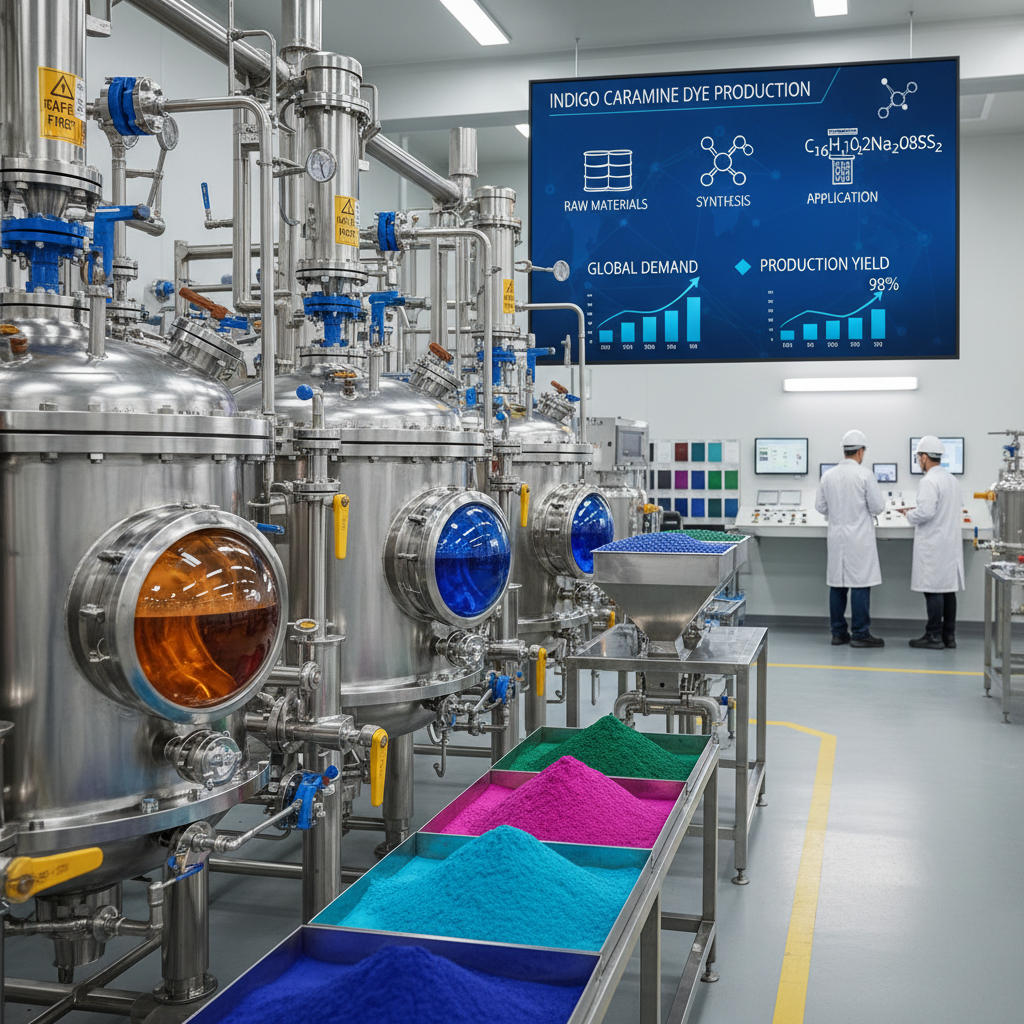
The global chemical industry relies heavily on high-performance colorants to meet the rigorous demands of textiles, pharmaceuticals, and biological research. Among these, indigo carmine dye stands out as a versatile sulfonated derivative of indigo, offering water solubility and a brilliant blue hue that traditional indigo lacks. Understanding the nuances of this compound is essential for manufacturers seeking to balance aesthetic vibrancy with technical stability.
From an industrial perspective, the transition toward specialized dyes allows for greater precision in application, whether it is for medical diagnostics or high-end fabric coloring. The significance of indigo carmine dye extends beyond simple pigmentation; its role as a biological marker and a precise industrial additive makes it a cornerstone in several high-value supply chains globally.
By exploring the chemical properties, application methods, and future sustainability of this dye, businesses can optimize their production processes and ensure compliance with international safety standards. This guide provides a comprehensive deep dive into how indigo carmine dye functions as a critical asset in modern chemical manufacturing.
The Chemical Fundamentals of indigo carmine dye
At its molecular core, indigo carmine dye is a sulfonated version of indigo. Unlike the original indigo, which is nearly insoluble in water and requires a reducing agent (like sodium hydrosulfite) to become soluble, the addition of sulfonic acid groups makes indigo carmine readily soluble in aqueous solutions. This chemical modification simplifies the dyeing process and expands the dye's utility into fields where rapid solubility is a prerequisite.
This structural advantage ensures that the color distributes evenly across substrates without the need for complex chemical baths. In the realm of organic pigments, such a transition from insoluble to soluble represents a significant leap in operational efficiency, reducing the energy and time required for industrial application.
Global Market Relevance and Industry Context
The demand for high-purity indigo carmine dye has seen a steady rise, driven by the growth of the pharmaceutical and diagnostic sectors. According to global chemical trade data, the shift toward more precise "marker dyes" has pushed the industry away from bulk pigments toward specialized chemicals that offer high biocompatibility and predictable reaction rates.
One of the primary challenges the industry faces is the volatility of raw material costs and the tightening of environmental regulations regarding wastewater discharge. The adoption of water-soluble dyes like indigo carmine helps mitigate some of these issues by allowing for more controlled dosing, which reduces the amount of chemical waste compared to traditional vat dyeing processes.
In regions like Southeast Asia and Europe, the textile industry is increasingly integrating these specialized dyes to create "smart fabrics" and medical-grade textiles. This global trend underscores the transition of indigo carmine dye from a niche laboratory reagent to a critical industrial component.
Technical Core Components and Solubility Factors
The primary factor governing the efficacy of indigo carmine dye is its solubility profile. The presence of the sulfonate group increases the polarity of the molecule, allowing it to form strong hydrogen bonds with water molecules. This ensures that the dye remains stable in solution even at varying concentrations.
Another critical component is its light-fastness and thermal stability. While water-soluble dyes are often perceived as less durable than insoluble pigments, indigo carmine dye is engineered to maintain color integrity under standard industrial processing temperatures, making it suitable for a wide array of synthetic and natural fibers.
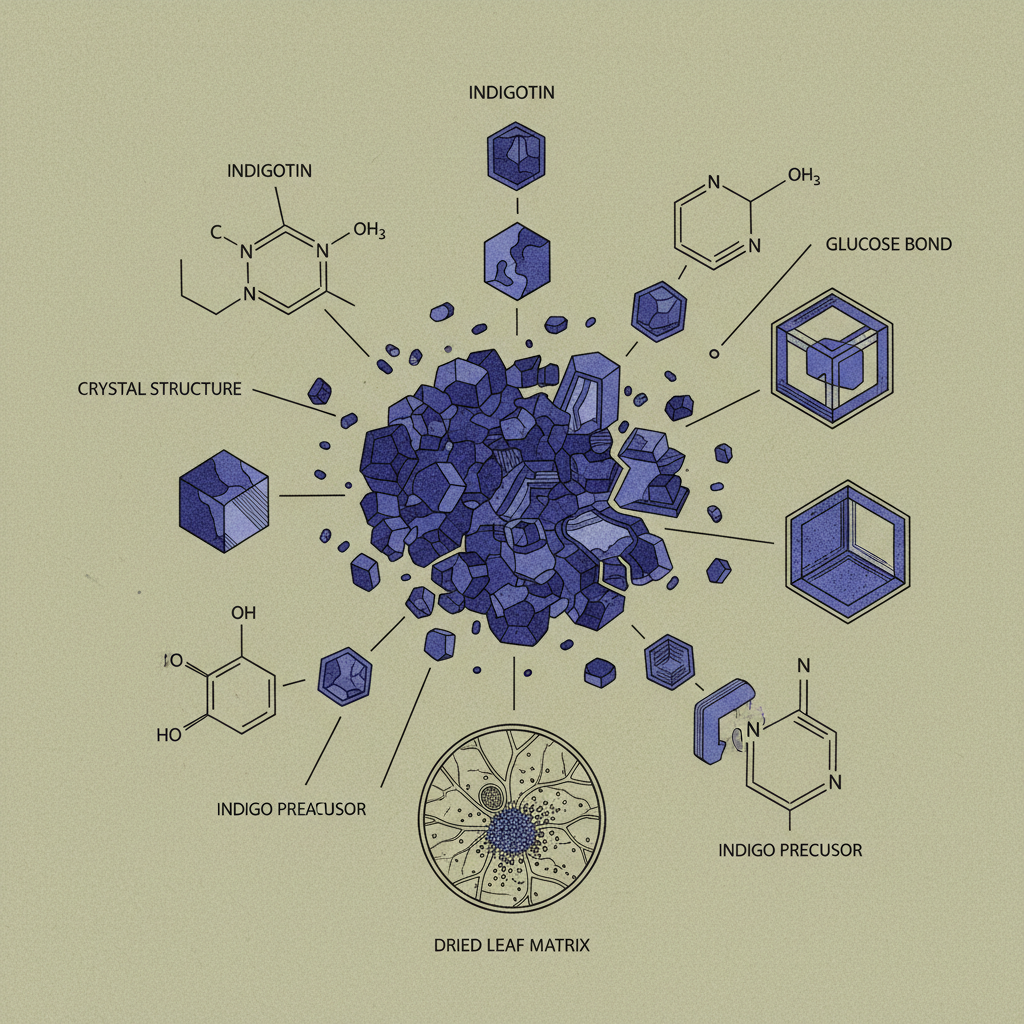
Furthermore, the purity levels of the dye—specifically the absence of heavy metal contaminants—determine its suitability for medical use. High-grade indigo carmine dye undergoes rigorous filtration and crystallization processes to ensure that it meets the E-E-A-T standards of purity required for clinical diagnostics.
Comparative Performance Metrics in Application
When evaluating the performance of indigo carmine dye against other blue colorants, two metrics stand out: diffusion rate and color saturation. Because of its ionic nature, it penetrates porous materials much faster than traditional indigo, which is vital for high-throughput manufacturing environments where cycle time is a key KPI.
Additionally, the cost-to-benefit ratio of using sulfonated dyes is often superior when factoring in the reduction of auxiliary chemicals. By eliminating the need for heavy reducing agents, the total cost of ownership for the dyeing process is lowered, and the environmental footprint is significantly reduced.
Industrial Performance Ratings of indigo carmine dye Variations
Global Application Case Studies
In the medical field, indigo carmine dye is widely utilized as a diagnostic agent during surgical procedures, particularly in the identification of ureters and the detection of lymphatic leakage. Its ability to remain visible without causing systemic toxicity makes it a gold standard in urological surgery across North America and Europe.
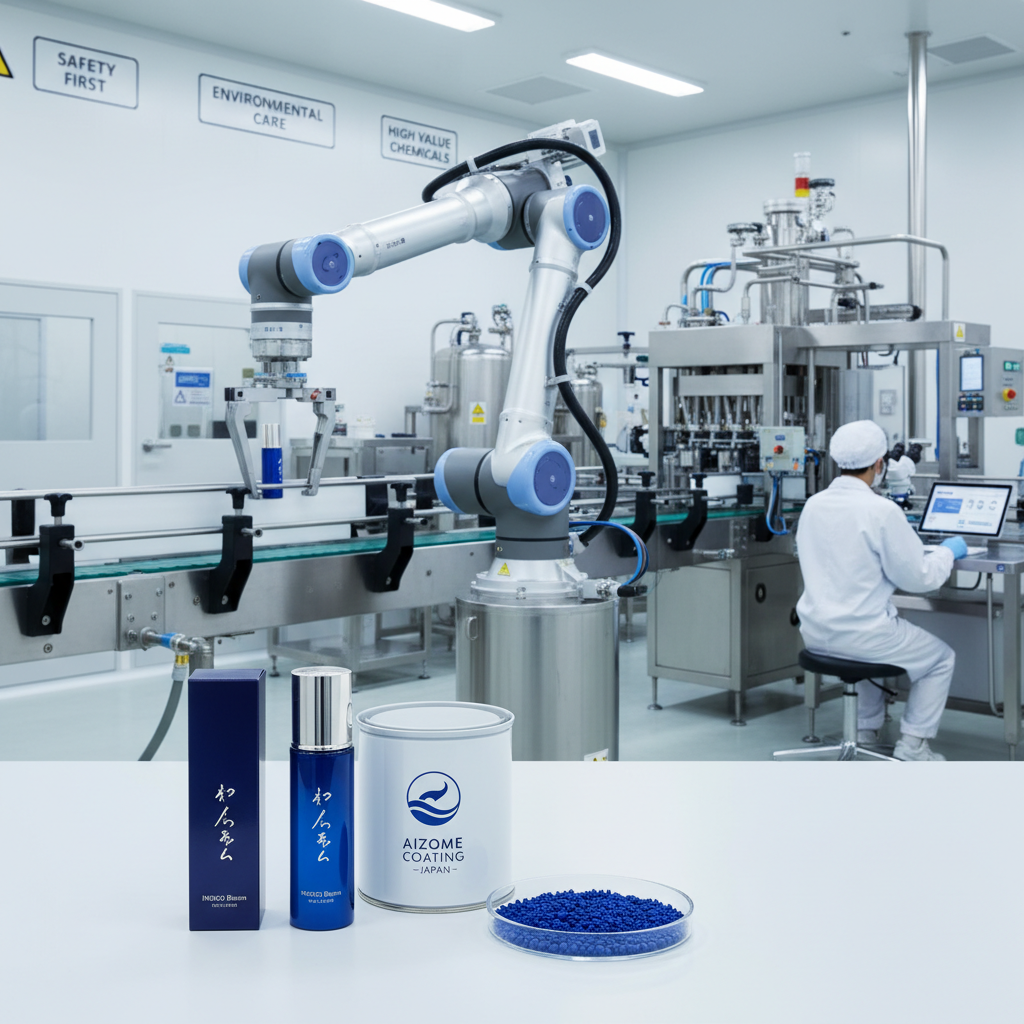
Beyond the clinic, the dye finds extensive use in the food and cosmetic industries as a coloring agent (CI 73015). For example, in high-end cosmetic formulations in Japan and South Korea, it is used to achieve specific "deep sea blue" tones that are stable across different pH levels, ensuring that the product appearance remains consistent from production to consumer use.
Long-term Value and Sustainability Advantages
The long-term value of investing in indigo carmine dye lies in its contribution to "Green Chemistry." By reducing the reliance on harsh solvents and reducing agents typically associated with indigo dyeing, manufacturers can lower their VOC (Volatile Organic Compound) emissions and improve worker safety within the factory.
From a reliability standpoint, the consistent batch-to-batch purity of synthetic indigo carmine ensures that end-products meet strict international quality controls. This reliability builds trust between the chemical supplier and the manufacturer, reducing the risk of costly product recalls due to color drifting or contamination.
Ultimately, the shift toward these soluble dyes reflects a broader industrial commitment to sustainability. The ability to recycle water more effectively when using indigo carmine dye provides a logical and emotional appeal to brands that want to market themselves as eco-friendly and socially responsible.
Future Innovations in Synthetic Dyeing
The future of indigo carmine dye is closely tied to the digital transformation of the textile industry. We are seeing the emergence of "digital ink" formulations where soluble dyes are optimized for inkjet printing on fabrics. This allows for incredibly precise patterns and a massive reduction in water waste, as the dye is applied only where needed.
Moreover, research into bio-based precursors is promising. Scientists are exploring ways to synthesize the sulfonated indigo structure using microbial fermentation, which would further decouple the production of indigo carmine dye from petroleum-based feedstocks. This innovation would align the product with the goals of a circular economy.
Automation in the dosing process is also playing a role. AI-driven systems can now monitor the concentration of the dye in real-time, adjusting the flow to ensure perfect color matching while minimizing waste, thus maximizing the economic efficiency of the dye's application.
Comparative Analysis of indigo carmine dye Implementation Strategies
| Application Sector |
Purity Requirement |
Primary Benefit |
Environmental Impact |
| Medical Diagnostics |
Ultra-High (>99%) |
Biocompatibility |
Low/Controlled |
| Textile Printing |
Industrial Grade |
Rapid Diffusion |
Moderate |
| Cosmetics |
High (FDA/EU) |
pH Stability |
Low |
| Food Coloring |
Food Grade |
Water Solubility |
Low |
| Laboratory Research |
Analytical Grade |
Clear Visual Marker |
Very Low |
| Industrial Coatings |
Technical Grade |
Cost Efficiency |
Moderate |
FAQS
The primary difference is solubility. While regular indigo is insoluble in water and requires a chemical reduction process to be applied to fabrics, indigo carmine dye is sulfonated, making it naturally water-soluble. This allows for easier application, more precise dosing, and use in biological and medical fields where insoluble pigments would be impractical.
Yes, provided it meets the specific purity grades required for those sectors. In medical contexts, it is used as a diagnostic marker due to its low toxicity. In the food industry, it is approved as a coloring agent (CI 73015) in many jurisdictions, though users must ensure they are purchasing "Food Grade" or "Pharmaceutical Grade" versions to avoid industrial impurities.
It generally reduces the footprint compared to traditional indigo. Because indigo carmine dye does not require strong reducing agents like sodium hydrosulfite, the wastewater produced contains fewer harsh chemicals. This makes the effluent treatment process more efficient and less damaging to local aquatic ecosystems.
While it is highly versatile, its performance varies by fiber. It works exceptionally well on natural fibers like cotton and silk due to its solubility. However, for certain synthetic fibers, a mordant or a specific fixative may be required to ensure the dye binds permanently to the polymer chain and maintains light-fastness over time.
To maintain the integrity of indigo carmine dye, it should be stored in a cool, dry place, away from direct sunlight. Exposure to intense UV rays can cause photodegradation of the chromophore, leading to a loss of color intensity. Airtight containers are recommended to prevent moisture absorption (hygroscopy), which can cause clumping of the powder.
Importing requires strict adherence to the SDS (Safety Data Sheet) and COA (Certificate of Analysis) documentation. Manufacturers should ensure the supplier provides ISO-compliant certification and that the dye is classified correctly under the Harmonized System (HS) codes for organic dyes to ensure smooth customs clearance and compliance with local chemical regulations like REACH in Europe.
Conclusion
In summary, indigo carmine dye represents a critical evolution in the field of organic pigments, bridging the gap between the timeless aesthetic of indigo and the technical requirements of modern industry. Its unique water solubility, coupled with high purity and versatility, makes it indispensable across the medical, cosmetic, and textile sectors. By optimizing the balance between chemical efficiency and environmental responsibility, this dye provides a sustainable pathway for high-performance coloring.
Looking forward, the integration of bio-synthetic production and digital application methods will likely further enhance the value proposition of indigo carmine dye. For businesses aiming to lead in innovation and sustainability, adopting these advanced dyeing solutions is not just a technical choice, but a strategic investment in quality and ecological stewardship. We invite you to explore our full range of high-purity dyes to elevate your production standards. Visit our website: www.wuxin-group.com