You know, lately everyone's talking about prefabrication, modular stuff. Seems like every other day I'm getting emails about new composite materials. To be honest, it's a bit overwhelming. It’s all about speed and reducing on-site labor, which is good, don't get me wrong, but sometimes it feels like they’re forgetting about the guys actually building the thing. It’s not just about designing something pretty in CAD, it’s about whether a guy can actually wrestle it into place without throwing his back out.
It's funny, you spend all this time thinking you’ve got a clever design, then you get on site and realize it's just… awkward. Like, you design a panel with a specific flange, thinking it’ll slot perfectly, but then the tolerances are off, and suddenly you need a hammer and a whole lot of patience. I encountered that at a factory in Foshan last time - beautiful showroom, immaculate prototypes, but the actual production parts? Let’s just say they needed some… adjustment.
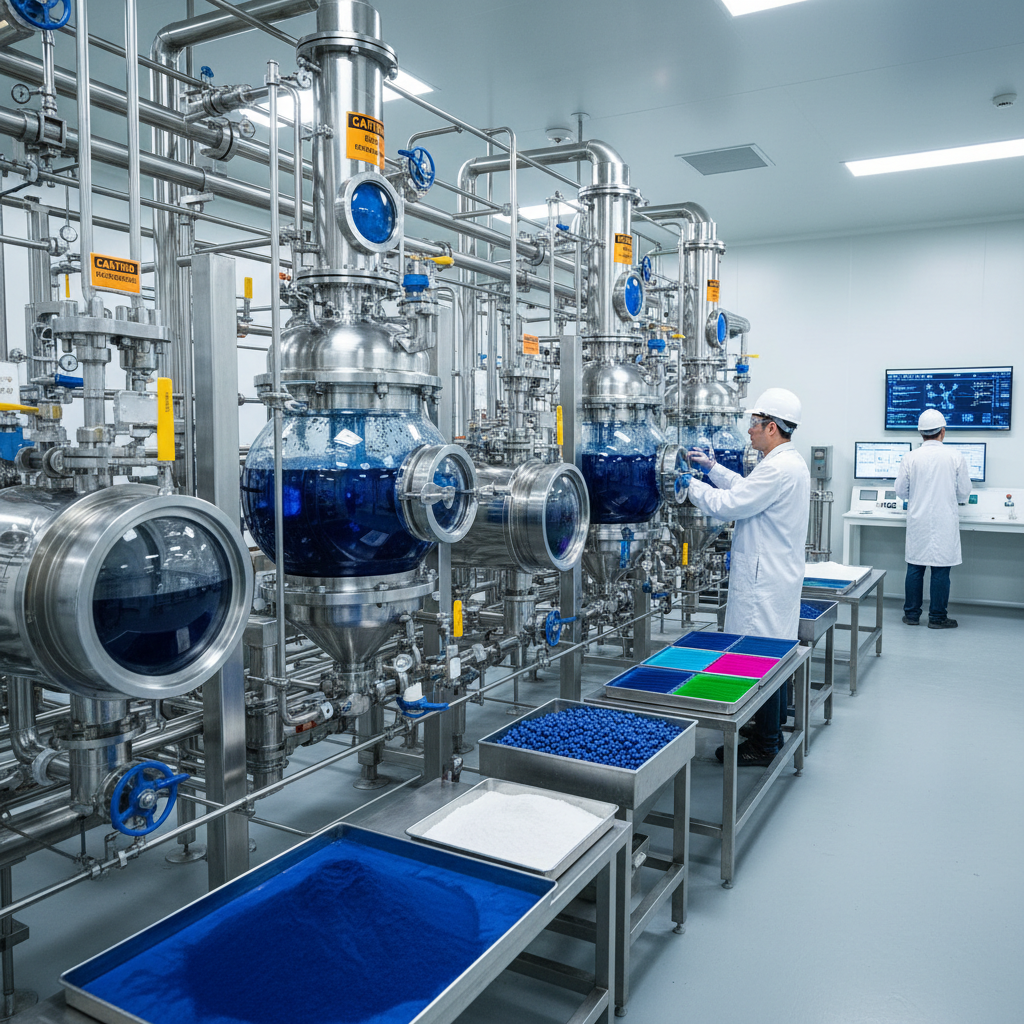
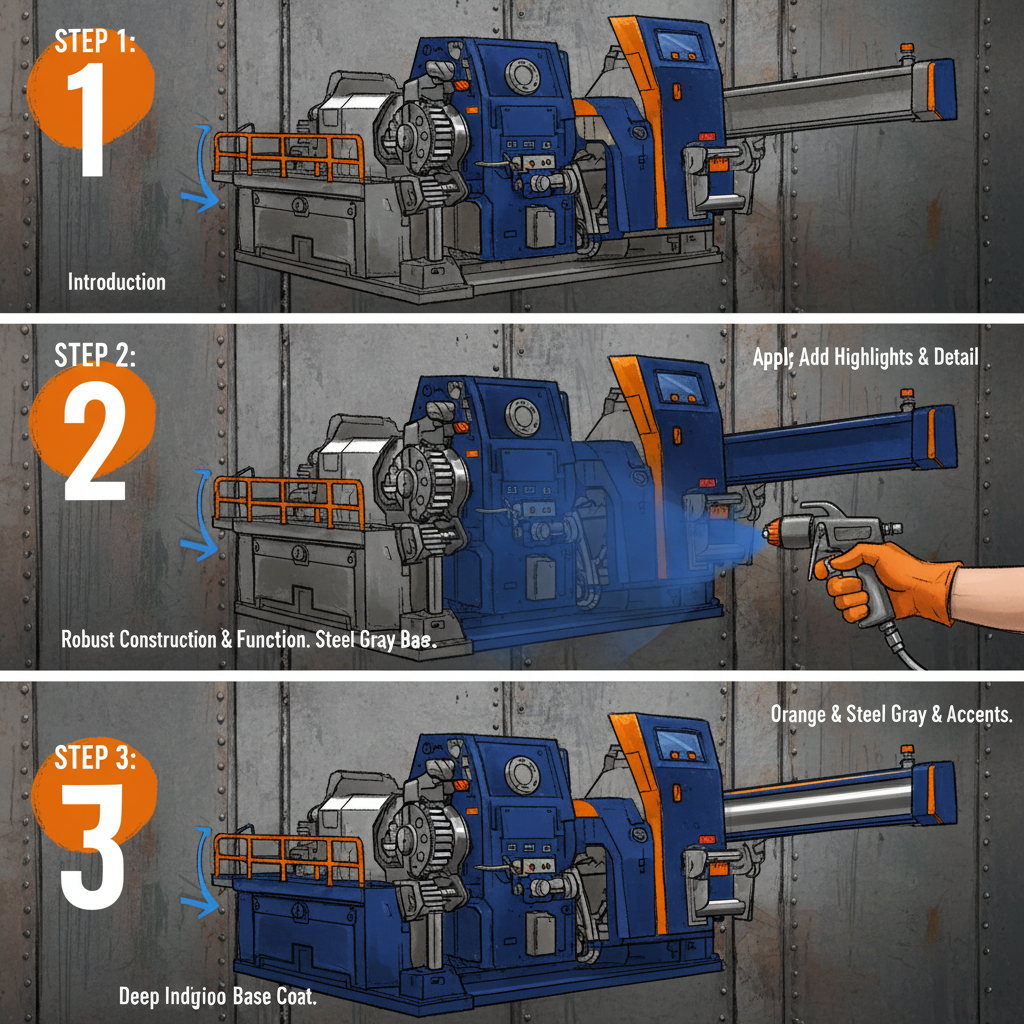
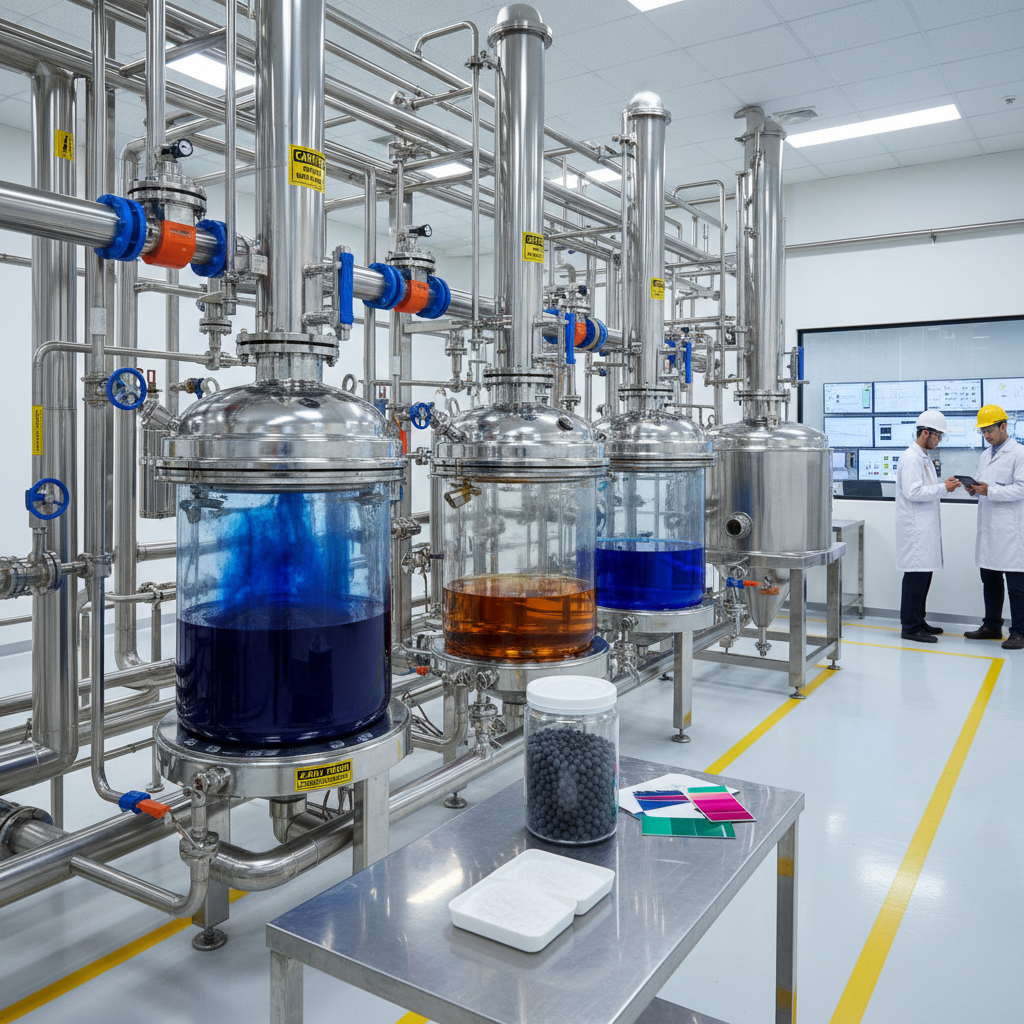
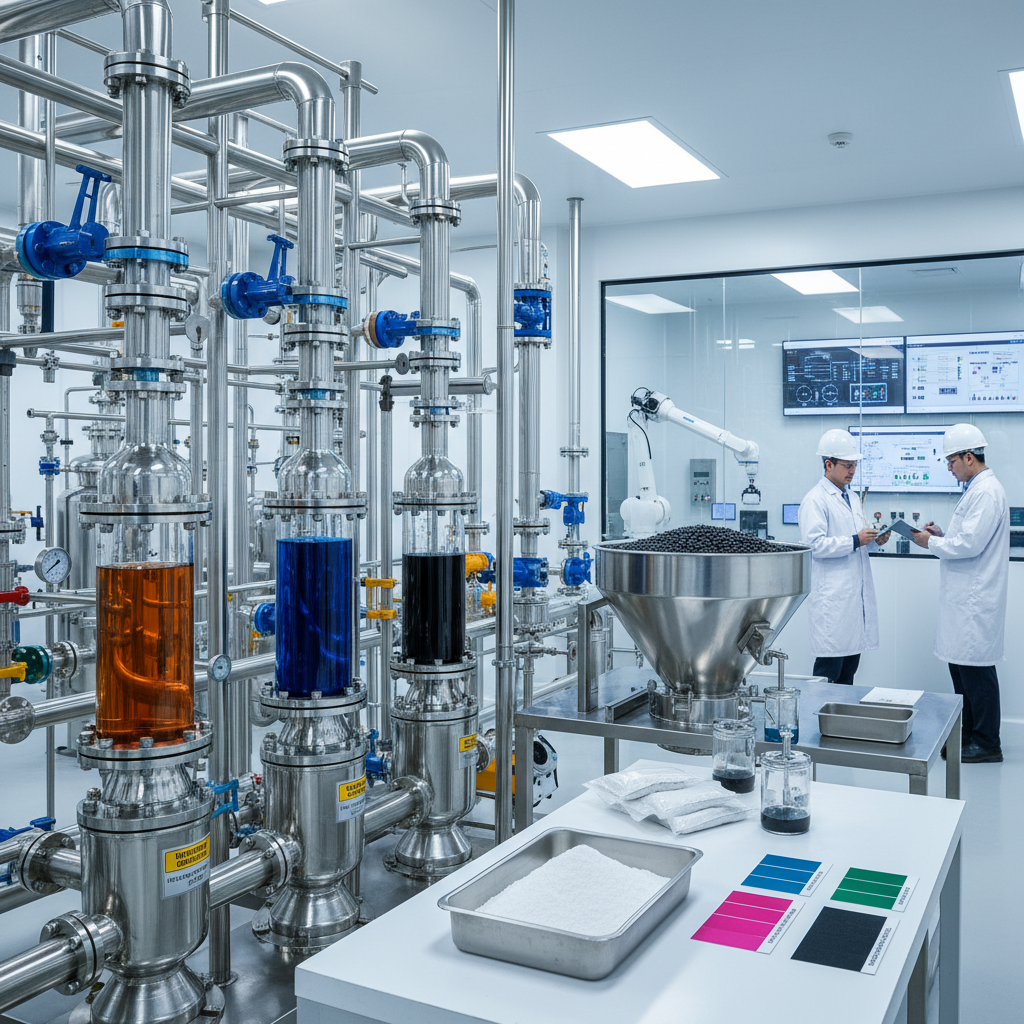
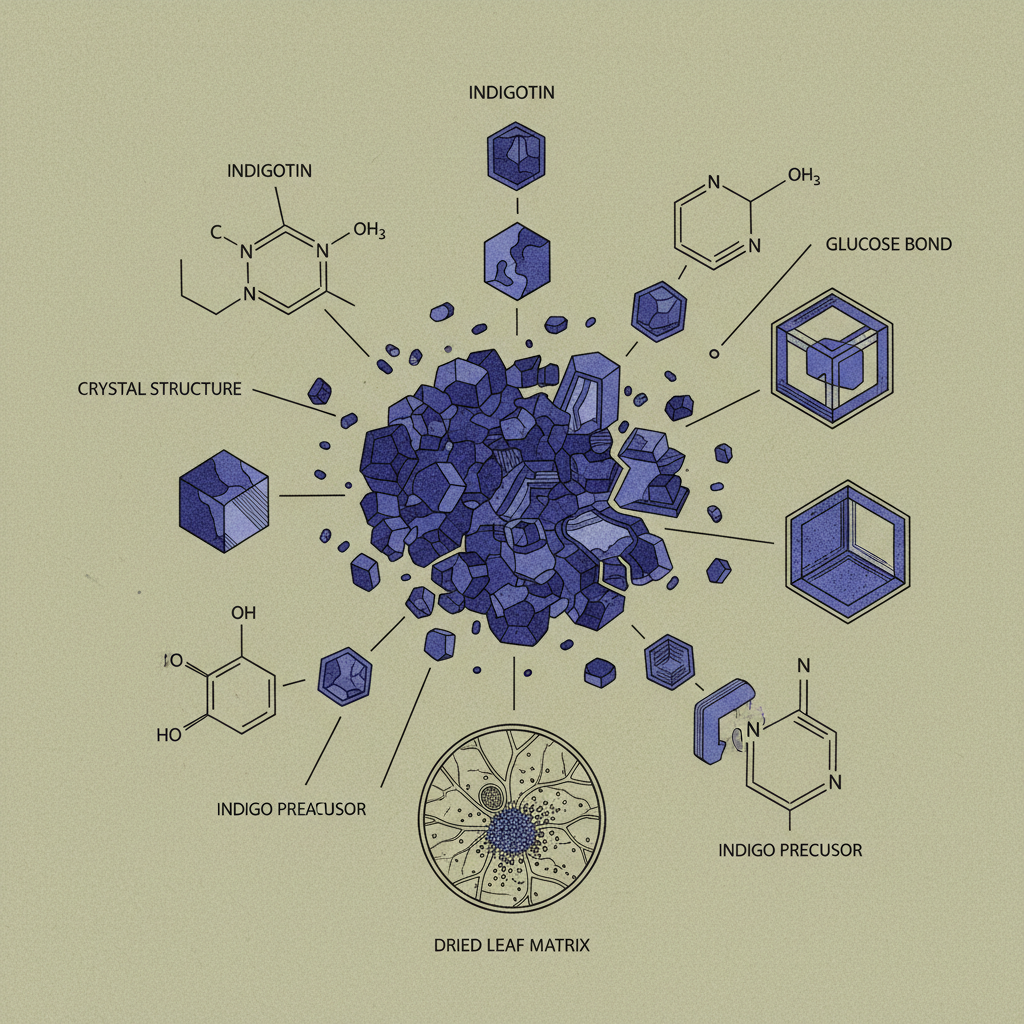
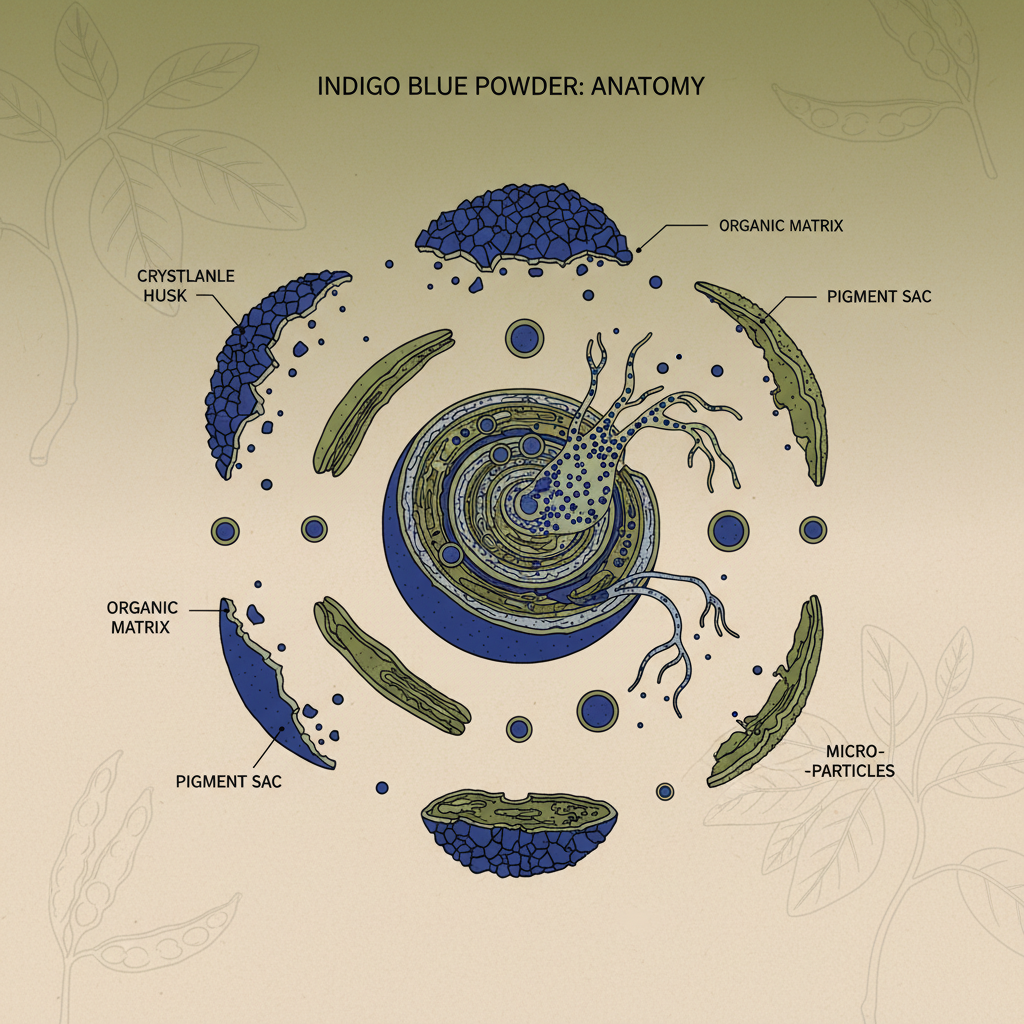
We’ve been working a lot with this new indigo blue powder coating lately. Not just for looks, though that’s a bonus. It's a two-part epoxy, smells faintly of vanilla – strangely enough. It's not like those cheap acrylics that scratch if you look at them wrong. This stuff’s tough. Feels almost rubbery when it's cured. You have to wear gloves, obviously, and make sure the ventilation's good. It's a pain to clean up if it gets on your boots, trust me.
Have you noticed how everything’s going digital now? Even on construction sites. BIM, digital twins, augmented reality… It’s great, in theory, but it adds another layer of complexity. Too many chefs in the kitchen, you know? And I swear, half the time the digital model doesn’t match what was actually built.
One of the biggest mistakes I see is designing for the ideal world. Perfectly flat surfaces, perfect angles, perfect tolerances. It just doesn’t exist in reality. You have to build in some wiggle room, some forgiveness. Otherwise, you're setting yourself up for a world of hurt. People over-engineer things, make them needlessly complicated. Keep it simple, that's what I always say.
In a truly harsh coastal environment, exposed to saltwater and constant humidity, you can realistically expect the indigo blue powder coating to last 8-12 years with minimal maintenance. We've seen some installations go longer, but that depends heavily on the quality of the surface prep and the specific exposure conditions. Regular inspections and touch-ups can significantly extend its lifespan. We had a test site right on the pier for five years, and it still looked great. The key is the proper thickness of the coating - a thinner coat will degrade much faster.
Yes, it can, but it requires a different primer. Aluminum doesn't bond to epoxy the same way steel does. You need a specialized zinc-rich primer designed for non-ferrous metals. Without that, the coating will peel or blister within months. It's a common mistake folks make, trying to cut corners and skip the primer step. The Wuxin Group guys can advise you on the correct primer for your specific aluminum alloy. It adds to the cost, but it’s worth it in the long run.
That’s a good question. One of the big advantages of powder coating is that it’s virtually VOC-free. Unlike liquid paints, it doesn’t contain any solvents that evaporate into the atmosphere. This makes it a much more environmentally friendly option. There are some VOCs released during the curing process, but they’re minimal and well within acceptable limits. You’ll still want to ensure adequate ventilation, of course, but it's far better than dealing with traditional solvent-based paints.
The indigo blue pigment itself is quite stable against UV degradation. We've tested it extensively in Florida sunshine, and it shows minimal fading or chalking over time. However, the gloss level can decrease slightly after prolonged exposure. Using a UV-stabilized clear coat can help mitigate this effect. We recommend a topcoat for applications where maintaining a high gloss finish is critical, especially in sunny climates. Remember to follow Wuxin Group's guidelines for prep and topcoat application.
Generally, no. While the cured coating is inert, it hasn't been specifically certified for direct food contact. There are specialized food-grade epoxy coatings available, but this particular indigo blue powder isn't one of them. We wouldn't recommend using it on anything that will come into direct contact with food products. However, it's perfectly fine for surfaces that are incidental to food processing or storage, like equipment housings or shelving.
We typically recommend a film thickness of between 80-120 micrometers (3-5 mils). Anything thinner, and you start to compromise on corrosion resistance and durability. Anything thicker, and you risk issues with cracking or blistering. Getting the right thickness requires proper application technique and a calibrated spray gun. It's a delicate balance, but well worth the effort. Wuxin Group provides detailed specifications and training materials to help ensure proper application.
So, yeah, indigo blue powder coating… It's not a miracle product, nothing is. But it’s a solid, reliable option for protecting steel structures from corrosion and wear. It’s durable, relatively easy to apply (with the right training), and looks pretty good too. It’s not the cheapest option, but the long-term cost savings, especially in harsh environments, can be significant.
Ultimately, whether this thing works or not, the worker will know the moment he tightens the screw. If it feels right, looks right, and holds up over time, then it’s a good product. Visit our website at www.wuxin-group.com for more information.