

Benefits and Innovations of High Quality Indigo Dyeing Machines in Modern Textile Manufacturing
High Quality Indigo Dyeing Machine: A Global Perspective
In an age where sustainability and efficiency in textile production are more important than ever, the high quality indigo dyeing machine has emerged as a quiet hero in fashion and industrial dyeing processes. Indigo, that classic blue pigment beloved everywhere from denim jeans to high fashion, requires precise technological handling to achieve the perfect depth and consistency. Yet, beyond just a splash of color, these machines symbolize a fusion of tradition and innovation that impacts manufacturing industries across continents.
Understanding the value of these machines goes beyond the surface of fabric aesthetics. It’s about environmental impact, cost savings, production scalability, and ensuring consistent product quality in an increasingly globalized textile market. Sound niche? Maybe, but consider that over 10 billion denim garments are made annually worldwide according to recent reports, generating billions in revenue but also substantial environmental footprints—there’s something powerful about the technology that dyes that iconic indigo blue efficiently and responsibly.
The Global Context: Why Does High Quality Indigo Dyeing Matter?
The textile industry ranks among the top consumers of water and chemicals globally. A 2017 UNIDO report estimates that textile dyeing and finishing can account for up to 20% of industrial water pollution worldwide. High quality indigo dyeing machines address major challenges: lowering water and energy consumption, improving dye fixation rates, and reducing waste. In places like Bangladesh and Vietnam — major textile hubs — regulations and market pressures now push for greener and more cost-effective dyeing technologies.
But it's not just about the environment. Precision dyeing machines allow factories to meet tighter quality standards demanded by brands globally while also tackling fluctuating raw material costs. The right equipment helps avoid overconsumption and re-dyeing — issues that can eat into margins badly. Oddly enough, for all the mass production, a dash of artistry and engineering precision remains crucial in every batch of indigo denim.
What Exactly Is a High Quality Indigo Dyeing Machine?
Simply put, a high quality indigo dyeing machine is specialized equipment designed to apply indigo dye to yarns or fabrics with superior control over color uniformity, absorption, and environmental safety. Unlike older methods that required manual dye baths or rudimentary rollers, these machines often use advanced hydraulics, controlled temperature zones, and eco-friendly processes.
These machines are the backbone of modern denim manufacturing — many operate continuously rather than in batches, minimizing human error and maximizing throughput. They also reflect broader industrial trends: automation, tighter process control, and integration with digital systems that track quality in real-time.
Core Components That Make the Difference
1. Durability and Build Quality
Heavy-duty stainless steel parts, resistant to corrosive chemicals, ensure longevity. I noticed many factories investing more upfront, finding that rugged machines save downtime and replacement costs long-term.
2. Scalability and Throughput
From small batch machines for boutique textile producers to industrial-scale systems processing hundreds of meters of fabric per hour, flexibility matters. Customizable speeds and batch sizes mean manufacturers can respond quickly to market demand.
3. Energy and Water Efficiency
This is where the sustainability conversation gets tangible. Modern machines recycle water in closed loops, use low-temperature dye baths, and optimize chemical use — reducing their environmental footprint.
4. Automation and Digital Control
Intelligent sensors monitor the dyeing process, adjusting parameters in real time to keep color consistent, reduce waste, and flag maintenance needs. It’s almost like the machine is learning as it works.
5. Ease of Maintenance
Smart design choices, like modular components, quick access panels, and self-cleaning cycles, translate into less downtime and lower labor costs.
Technical Specifications of a Typical High Quality Indigo Dyeing Machine
| Feature | Specification |
|---|---|
| Maximum Fabric Width | 1800 mm |
| Dyeing Speed | 30–70 m/min (adjustable) |
| Water Consumption | |
| Energy Usage | Approx. 18 kWh per 100 kg fabric |
| Automation Level | PLC controlled with touchscreen interface |
| Material Feed | Yarn or piece dyed fabric |
Where Are These Machines Making a Real Difference?
Across Asia, Africa, and even parts of Eastern Europe, the high quality indigo dyeing machine powers textile hubs catering to global brands and local markets. Take Bangladesh’s knitwear clusters, for example: thanks to newer indigo dyeing technology, factories are slashing water use by 30% while improving fabric quality — a win-win for environment and business.
In developed markets like Italy and Portugal, these machines enable artisanal designers to experiment with sustainable indigo shades without sacrificing throughput or finish quality. Even remote industrial zones in Latin America are beginning to adopt modular dyeing solutions, bringing textile production closer to emerging consumer bases.
Vendor Comparison: Leading Manufacturers Specializing in Indigo Dyeing Tech
| Vendor | Machine Model | Capacity | Eco Features | Price Range (USD) |
|---|---|---|---|---|
| Wuxin Group | WX-Indigo Pro 3000 | Up to 200 kg/hour | Water recycling; Low-temp dyeing | $150,000 - $220,000 |
| BlueDye Tech | BD Indigo Master | 150 kg/hour | Energy-efficient motors; PLC | $130,000 - $190,000 |
| EcoDyes Inc. | Eco Indigo Series | 100 kg/hour | Zero effluent tech; Solar ready | $180,000 - $240,000 |
Advantages and Long-Term Value of Investing in Quality Machines
Frankly, investing in a high quality indigo dyeing machine feels like betting on a smarter future. Manufacturers see upfront capital replacement balanced by lower utility bills, fewer product defects, and less environmental regulation risk. Plus, having a proven machine earns trust from brands increasingly sensitive to supply chain sustainability.
On the social side, better machines improve worker safety by reducing exposure to harmful chemicals and manual labor. You get consistent colorways batch after batch, which is crucial for brand identity. These benefits often compound: sustainability leads to brand loyalty, which leads to stronger sales. Oddly enough, a dyeing machine becomes part of that chain of trust.
Emerging Trends Worth Watching
- Digital Integration: IoT sensors track dye chemical loads and water usage, enabling predictive maintenance and process optimization.
- Green Chemistry: New organic indigo substitutes paired with machines designed to process them efficiently.
- Automation Advances: Robots handling fabric feeding and packaging to minimize human error.
- Energy Innovations: Solar-assisted heating and heat recovery systems reduce reliance on fossil fuels.
Challenges and How Industry Experts Are Tackling Them
Despite exciting advances, challenges remain. Initial investment costs can deter smaller manufacturers, and retrofitting older plants is often complex. Operating advanced machines also requires skilled technicians — a gap in many emerging markets.
Experts recommend phased upgrades coupled with training programs. Collaborative vendor partnerships allow trial periods and tailored financing. Additionally, modular machine designs simplify installation and maintenance without major factory downtime.
FAQ: Practical Questions About High Quality Indigo Dyeing Machines
- How does a high quality indigo dyeing machine reduce environmental impact?
- Modern machines use closed-loop water recycling and lower temperature processes, significantly cutting water and energy consumption compared to traditional dyeing. This reduces wastewater and chemical discharge.
- Can these machines handle different types of fabrics?
- Yes, many machines are designed for both yarn and piece-dyed fabric, accommodating cotton, blends, and specialty textiles with configurable settings.
- What maintenance is required to keep these machines efficient?
- Regular cleaning to avoid dye build-up, timely replacement of seals and filters, and software updates for automated components help maintain performance.
- Are these machines suitable for small batch or artisanal producers?
- Absolutely. Some models offer adjustable batch sizes and speeds, making them versatile for boutique designers or experimental dye lots.
- How can companies in remote regions acquire and install these machines?
- Working with vendors offering modular units and remote technical support can ease deployment challenges. Local partnerships for training also help ensure smooth operations.
Wrapping It Up: Why High Quality Indigo Dyeing Machines Matter Long-Term
It feels like we're witnessing a quiet revolution in textile dyeing technology. The high quality indigo dyeing machine isn’t just about getting the perfect shade of blue anymore — it represents smart, sustainable manufacturing aligning with global economic and environmental goals. From reducing water pollution to giving manufacturers a competitive edge, it’s an investment with a ripple effect across industries and communities. If you're in textile production or consultancy, keeping an eye on these machines — and maybe even considering integration — is a savvy move.
Interested in learning more? Visit our website at Wuxin Group for detailed product info, customized solutions, and expert advice.
Mini takeaway: Investing in advanced indigo dyeing machines is not only a smart business step but also a key contributor to sustainable textile manufacturing worldwide.
References
-
Mastering the Art of China Japanese Indigo Dyeing Traditions
NewsApr.16,2026
-
Exploring the Elegance of China Deep Indigo Color in Textiles
NewsApr.09,2026
-
Discover High Quality China Jeans Blue Indigo for Global Markets
NewsApr.07,2026
-
Exploring the Rich Tradition of China Natural Indigo Dyed Fabric
NewsApr.04,2026
-
Exploring China Indigo Color in Nature History and Modern Applications
NewsMar.31,2026
-
Discover High Quality China Pure Indigo Powder for Vibrant Natural Dyeing
NewsMar.28,2026
-
Exploring the Rich History of China True Blue Indigo Textiles
NewsMar.26,2026
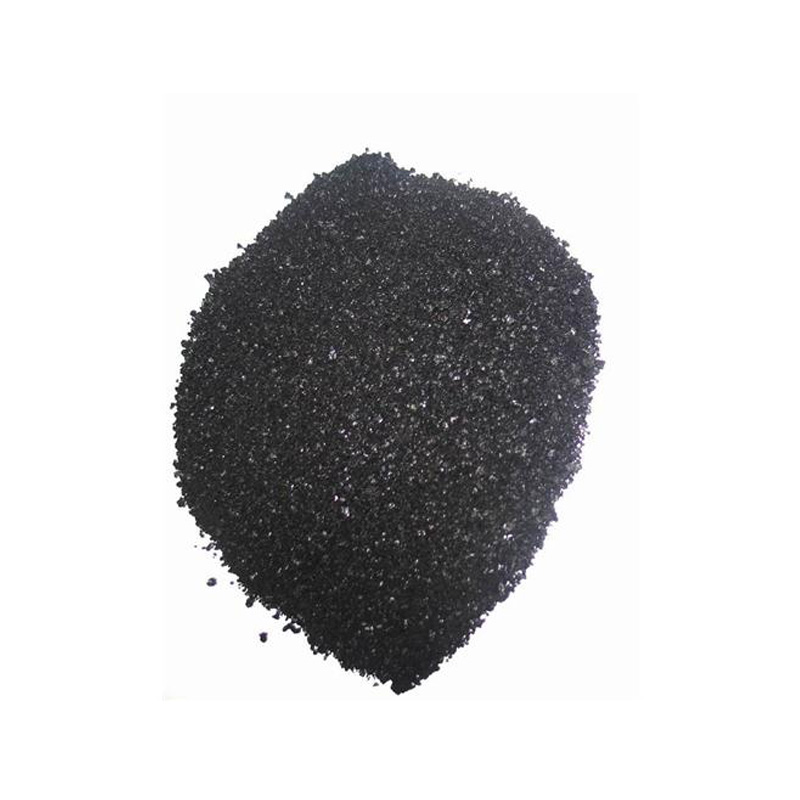
Sulphur Black
1.Name: sulphur black; Sulfur Black; Sulphur Black 1;
2.Structure formula:
3.Molecule formula: C6H4N2O5
4.CAS No.: 1326-82-5
5.HS code: 32041911
6.Product specification:Appearance:black phosphorus flakes; black liquid
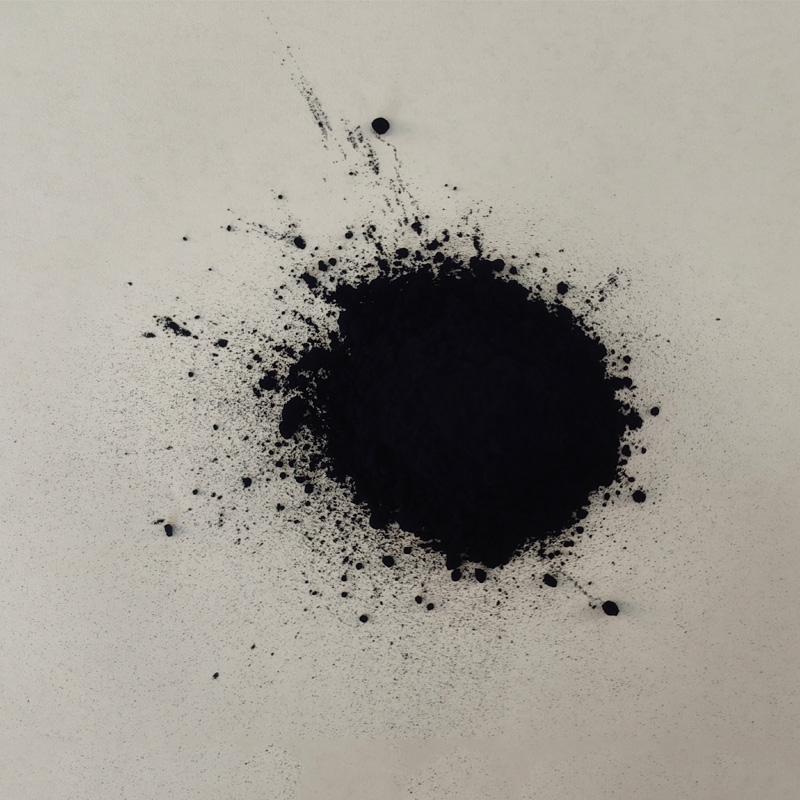
Bromo Indigo; Vat Bromo-Indigo; C.I.Vat Blue 5
1.Name: Bromo indigo; Vat bromo-indigo; C.I.Vat blue 5;
2.Structure formula:
3.Molecule formula: C16H6Br4N2O2
4.CAS No.: 2475-31-2
5.HS code: 3204151000 6.Major usage and instruction: Be mainly used to dye cotton fabrics.
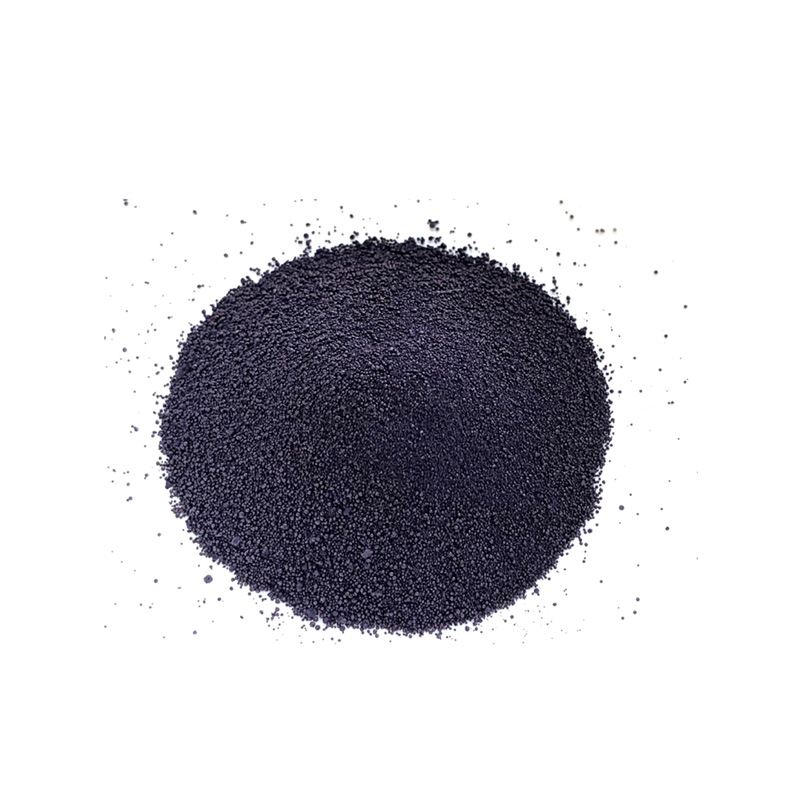
Indigo Blue Vat Blue
1.Name: indigo blue,vat blue 1,
2.Structure formula:
3.Molecule formula: C16H10N2O2
4.. CAS No.: 482-89-3
5.Molecule weight: 262.62
6.HS code: 3204151000
7.Major usage and instruction: Be mainly used to dye cotton fabrics.