

High Quality Organic Indigo Powder: Sustainable Natural Dye for Modern Industry
Understanding High Quality Organic Indigo Powder: A Blue That Means Business
Indigo has been enchanting humanity for centuries – from ancient textiles to modern natural dyes. But what really sets high quality organic indigo powder apart today isn’t just its deep, rich color or its historic charm. It’s the remarkable blend of sustainability, purity, and scalability that this natural pigment delivers in the 21st century. This article dives into why this natural dye matters globally, its core attributes, how it’s used, and what lies ahead for this iconic blue powder.
The Global Relevance of High Quality Organic Indigo Powder
In a world increasingly conscious about ecological footprints and ethical sourcing, natural materials like organic indigo powder are gaining momentum. According to reports by the United Nations Environment Programme (UNEP), textile industries account for nearly 20% of global industrial water pollution—often due to synthetic dyes. Shifting to high quality organic indigo powder helps curb this issue by promoting eco-friendly dyeing methods.
But there’s more: countries in Africa, South Asia, and South America, historically cultivating indigo plants (Indigofera species), benefit from this eco-circular economy by certifying organic practices that improve farmers’ livelihoods. Industry insiders estimate organic indigo’s market growth will compound at over 7% annually through 2030, fueled by rising demand for sustainable fashion and natural cosmetics. Yet challenges persist, especially regarding purity standards and supply chain transparency.
Mini takeaway: The shift towards organic indigo powder is not just about color but balancing tradition, environment, and trade equity worldwide.
What Exactly Is High Quality Organic Indigo Powder?
Simply put, high quality organic indigo powder is a finely milled pigment derived naturally from the leaves of certain leguminous plants, primarily Indigofera tinctoria, grown under organic agricultural practices. Unlike synthetic dyes, it contains zero harmful chemicals and is processed to preserve its molecular integrity — yielding a vibrant, consistent blue that’s both skin-safe and biodegradable.
In modern industrial use, this powder finds itself at the crossroads of sustainable fashion brands, artisan dyers, and even pharmaceutical applications due to its antiseptic properties. In humanitarian contexts, craft cooperatives in developing regions use it to bolster local economies while adhering to environmentally responsible cultivation and harvesting techniques.
Mini takeaway: This powder is not just a dye; it symbolizes organic purity backed by centuries of cultural significance and modern ethical demands.
Key Aspects That Define High Quality Organic Indigo Powder
1. Purity & Organic Certification
Certification—whether by USDA Organic, EU Organic, or local agencies—guarantees no synthetic fertilizers, pesticides, or chemical processing. It’s the backbone of defining “high quality.” This purity reduces allergic reactions in textiles and cosmetic products.
2. Color Consistency & Vibrancy
The dyed hue must be uniformly deep and stable through wash and light exposure. Achieving this depends on refined extraction methods and powder fineness.
3. Source Sustainability
Responsible farming involves crop rotation, water-wisely harvesting, and fair labor. Sustainable sourcing ensures longevity amid increasing global demand.
4. Particle Size & Solubility
Smaller particle size improves dispersion in dye baths, making color application more efficient and less resource-consuming.
5. Scalability & Supply Chain Transparency
For businesses, verifying origin and volume consistency is vital. Blockchain and other digital tracking tools are shaping new standards here.
| Parameter | Typical Value | Unit |
|---|---|---|
| Purity (Indigo content) | 85–92 | % |
| Moisture Content | 3–5 | % |
| Particle Size (D50) | 12–18 | microns |
| pH (1% solution) | 6.5–7.5 | |
| Color Fastness (Wash) | 5 (ISO scale) |
How High Quality Organic Indigo Powder is Changing Industries Worldwide
In traditional textile hubs like India and Bangladesh, organic indigo empowers artisan workshops to tap into high-end export markets, traveling from Pakistani hand-block prints to Japanese denim manufacturers demanding eco-conscious materials.
Meanwhile, sustainable fashion labels in Europe and the US promote it as a centerpiece in their “green” collections. The cosmetics industry is no stranger either — soothing blue hues in lip balms and skin products owe their natural appeal to indigo’s antioxidant properties.
Humanitarian projects in rural Africa employ organic indigo cultivation to generate income and conserve biodiversity simultaneously—a neat example of community-driven sustainable development.
Mini takeaway: Whether textile mills or grassroots farms, organic indigo powder connects diverse stakeholders in a shared eco-progress journey.
The Many Benefits of Choosing Organic Indigo
- Environmental Sustainability: Less toxic byproducts and water usage reduce ecological pressures.
- Economic Empowerment: Certification adds value to farmers’ crops, fostering fair trade.
- Health Safety: Naturally hypoallergenic dyes avoid skin irritations common with synthetics.
- Rich Aesthetic Quality: The powder yields deep blues with subtle, nuanced hues that synthetic dyes struggle to replicate.
On an emotional note, using organic indigo connects users to centuries of craftsmanship, respect for nature, and a sense of trust in transparency. It’s not just dyeing fabric — it’s doing something ethical and meaningful every step of the way.
Looking Forward: Innovation & Trends in Organic Indigo Production
Advances in digital farming and blockchain tracing are helping verify each batch’s origin, a game-changer for brands aiming to prove authenticity. And with the rise of automated extraction technologies, producers are squeezing out more indigo with less waste—all while maintaining the powder’s organic integrity.
Perhaps most exciting is synthetic biology research aiming to create biologically derived indigo variants without agricultural constraints. It sounds futuristic yet holds promise for more consistent supply chains with minimized environmental footprints.
Challenges & How the Industry is Addressing Them
Frankly, maintaining consistent quality from farm to factory is a persistent headache. Weather variability, smallholder know-how gaps, and certification costs all block faster scaling. Plus, natural powder can degrade if not stored properly.
Innovative approaches include farmer training programs, cooperative sourcing, and better packaging solutions to extend shelf life. Companies are also exploring hybrid supply chains mixing organic farming with lab-assisted quality control to keep customers happy and earth-friendly too.
| Vendor | Certification | Typical Purity | Price Per Kg (USD) | Sustainability Initiatives |
|---|---|---|---|---|
| IndiPure Farms | USDA Organic, Fair Trade | 90% | 45–50 | Community education & regenerative farming |
| EcoIndigo Collective | EU Organic | 88% | 48–52 | Water recycling & fair wages |
| BlueHarvest Naturals | USDA Organic | 92% | 50–55 | Solar-powered processing |
FAQ: Your Organic Indigo Questions Answered
Q1: How do I verify that indigo powder is truly organic?
Look for certifications from reputable organizations such as USDA Organic, EU Organic, or Fair Trade. These require rigorous on-site audits and forbid synthetic chemicals. Also, ask for batch test reports showing purity levels and contaminants.
Q2: Can I use organic indigo powder for skin-sensitive products?
Yes, one of the big advantages is its hypoallergenic nature compared to synthetic dyes. Many cosmetic brands use it in lip balms and lotions. Still, perform a patch test first if you have sensitive skin.
Q3: What storage conditions preserve organic indigo powder quality?
Store in airtight, moisture-proof containers, away from direct sunlight and heat. Temperature fluctuations accelerate degradation, so a stable cool dry place is ideal.
Q4: Is organic indigo powder cost-effective for large-scale textile production?
While pricier than synthetic dyes upfront, the overall sustainability, regulatory advantages, and premium branding help balance costs. Plus, waste reduction and water savings bring downstream benefits.
Conclusion: Why High Quality Organic Indigo Powder is Worth Your Attention
To sum up, the growing adoption of high quality organic indigo powder reflects a broader cultural and industrial shift towards authenticity, sustainability, and responsibility. It’s more than a pigment; it’s a statement — about respecting nature, empowering communities, and innovating without compromise. For brands, artisans, or eco-conscious consumers, it offers compelling value and a story worth telling.
If you want to explore this vibrant world further, I highly recommend visiting our website where detailed product lines and expert guidance await: high quality organic indigo powder.
References:
-
Mastering the Art of China Japanese Indigo Dyeing Traditions
NewsApr.16,2026
-
Exploring the Elegance of China Deep Indigo Color in Textiles
NewsApr.09,2026
-
Discover High Quality China Jeans Blue Indigo for Global Markets
NewsApr.07,2026
-
Exploring the Rich Tradition of China Natural Indigo Dyed Fabric
NewsApr.04,2026
-
Exploring China Indigo Color in Nature History and Modern Applications
NewsMar.31,2026
-
Discover High Quality China Pure Indigo Powder for Vibrant Natural Dyeing
NewsMar.28,2026
-
Exploring the Rich History of China True Blue Indigo Textiles
NewsMar.26,2026
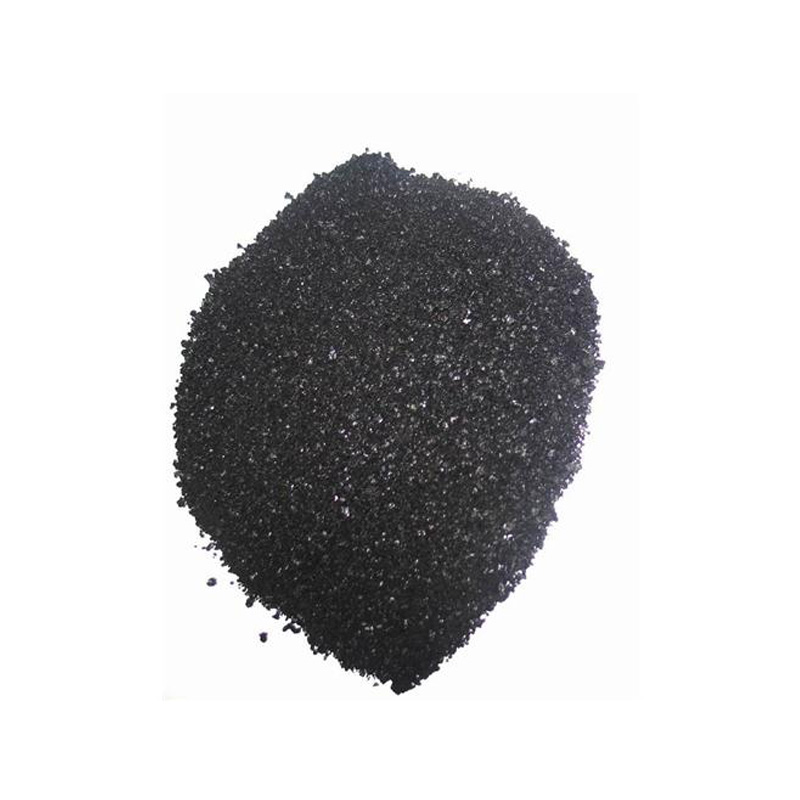
Sulphur Black
1.Name: sulphur black; Sulfur Black; Sulphur Black 1;
2.Structure formula:
3.Molecule formula: C6H4N2O5
4.CAS No.: 1326-82-5
5.HS code: 32041911
6.Product specification:Appearance:black phosphorus flakes; black liquid
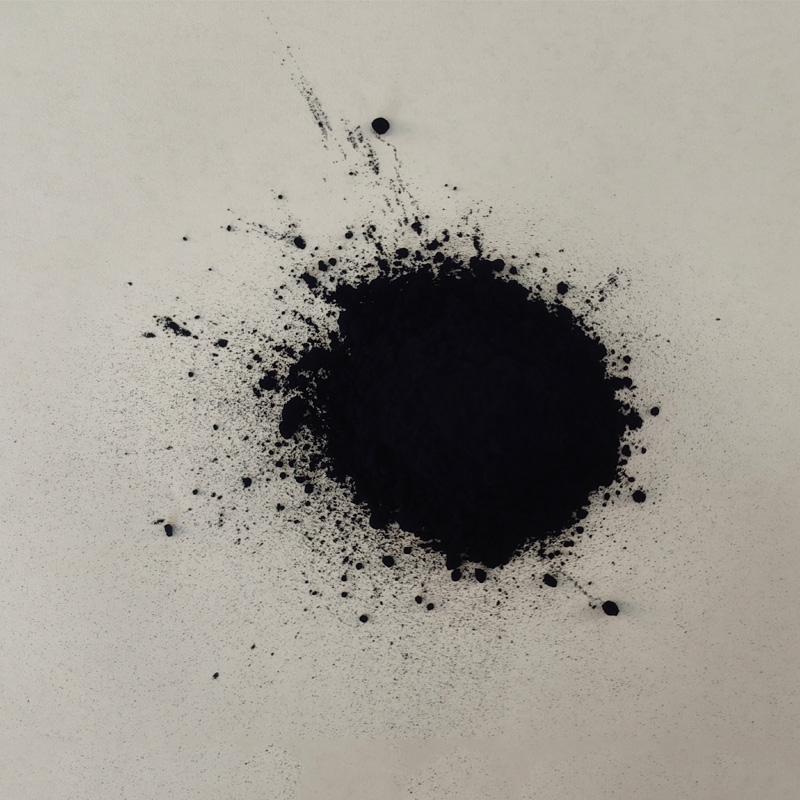
Bromo Indigo; Vat Bromo-Indigo; C.I.Vat Blue 5
1.Name: Bromo indigo; Vat bromo-indigo; C.I.Vat blue 5;
2.Structure formula:
3.Molecule formula: C16H6Br4N2O2
4.CAS No.: 2475-31-2
5.HS code: 3204151000 6.Major usage and instruction: Be mainly used to dye cotton fabrics.
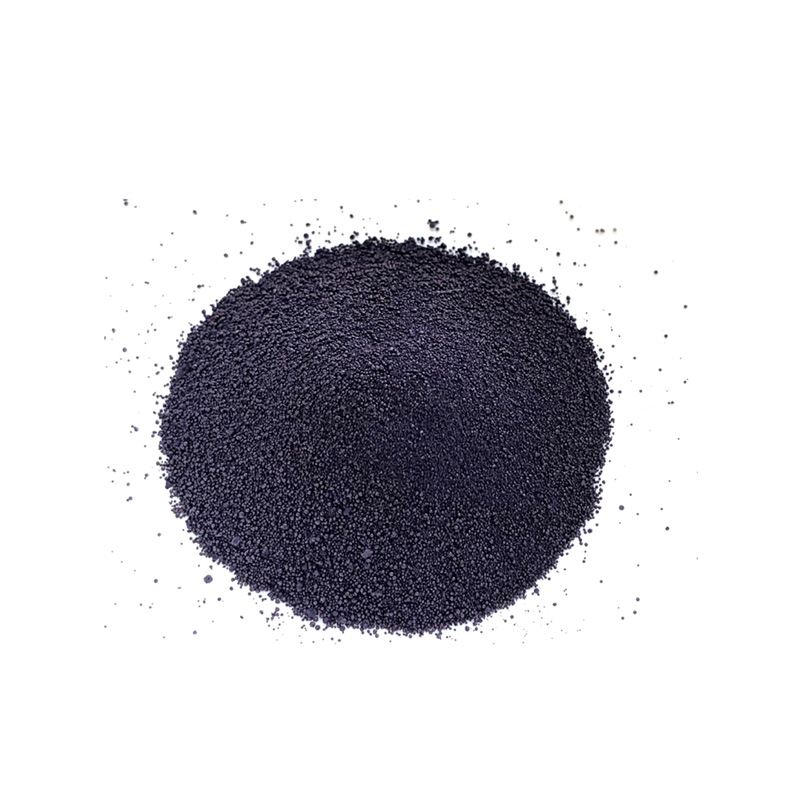
Indigo Blue Vat Blue
1.Name: indigo blue,vat blue 1,
2.Structure formula:
3.Molecule formula: C16H10N2O2
4.. CAS No.: 482-89-3
5.Molecule weight: 262.62
6.HS code: 3204151000
7.Major usage and instruction: Be mainly used to dye cotton fabrics.