

Exploring China Natural Indigo Fabric Its History Production and Sustainable Applications
China Natural Indigo Fabric: A Comprehensive Guide
Natural indigo fabric has a rich history, deeply rooted in traditional textile practices across cultures worldwide. Originating from the indigofera plant, this vibrant dye offers a unique aesthetic and eco-friendly alternative to synthetic dyes. China, with its long tradition of textile production, is now a key player in the sourcing and export of high-quality china natural indigo fabric. This article will explore the origins, production methods, benefits, and applications of this beautiful and sustainable material. Whether you are a fashion designer, textile enthusiast, or sourcing agent, understanding the nuances of natural indigo fabric will be invaluable.
The History and Origins of Natural Indigo
The story of indigo dates back thousands of years. Evidence suggests its use as a dye in India, Egypt, and Mesoamerica as early as 3000 BCE. Traditionally, indigo was extracted from plants of the genus Indigofera, with Indigofera tinctoria being the most prominent species. The dyeing process was often complex and labor-intensive, involving fermentation and oxidation. China's involvement in indigo cultivation and trade began centuries ago, evolving into a significant industry today. Modern Chinese production combines traditional techniques with advanced processing methods to create a diverse range of indigo-dyed fabrics.
Key Highlights: China's longstanding textile traditions and advancements in processing contribute to the high quality and availability of natural indigo fabric worldwide.
The Production Process of Natural Indigo Fabric
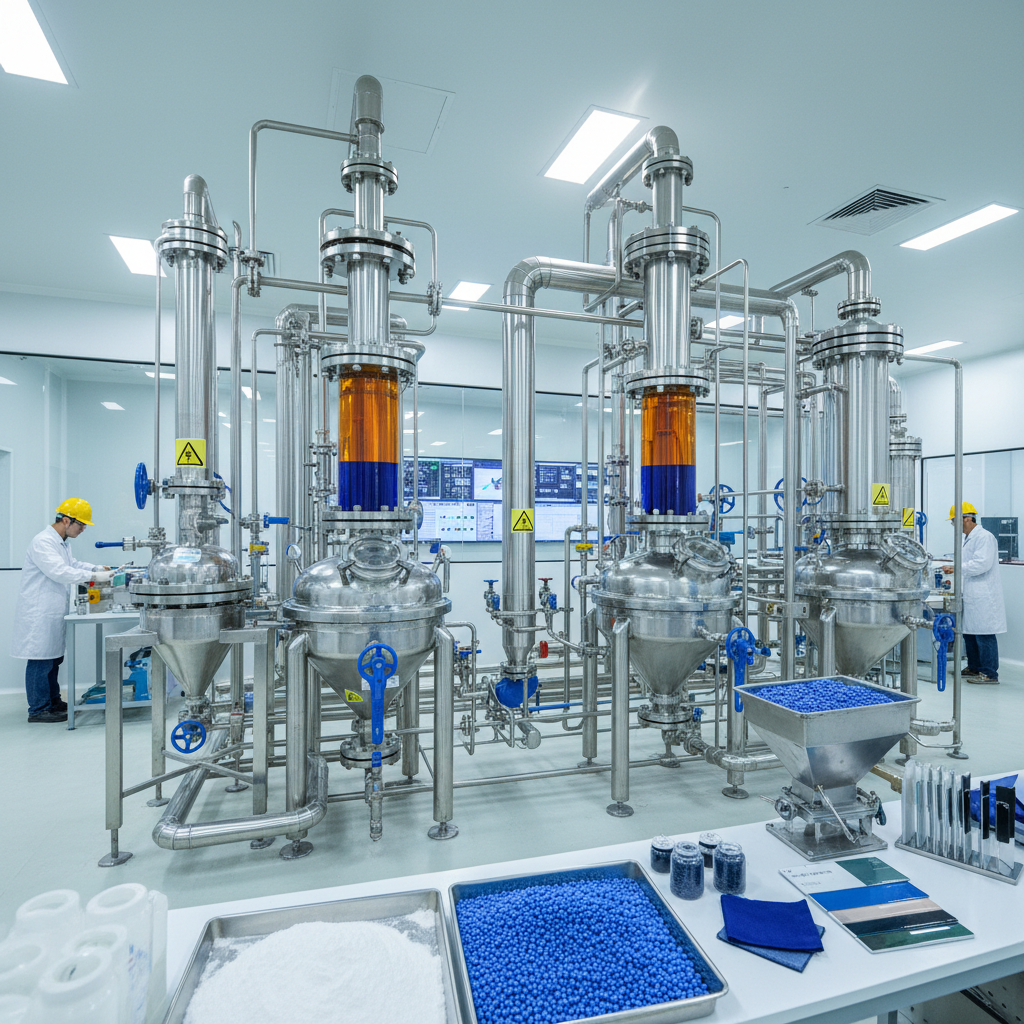
Producing natural indigo fabric involves several stages, from plant cultivation to the final dyed product. The indigo leaves are harvested and steeped in water, initiating a fermentation process. This process breaks down the indigotin, the pigment responsible for the blue color. The resulting liquid is then oxidized, causing the indigotin to precipitate out and form a sediment. This sediment is combined with alkaline substances to create a dye vat. Fabrics are repeatedly dipped into the vat, allowing the indigo to bond with the fibers. The process requires careful control of pH and temperature to achieve consistent color and depth. Wuxin Group specializes in sustainable and ethical production of natural indigo fabrics.
Production Steps:
• Harvesting Indigofera tinctoria leaves
• Fermentation to extract indigotin
• Oxidation and sediment formation
• Dye vat preparation
• Multiple dipping and oxidation cycles
China Natural Indigo Fabric vs. Synthetic Indigo: A Comparison
While synthetic indigo is widely used due to its lower cost and easier production, it lacks the unique characteristics and environmental benefits of natural indigo. Synthetic indigo relies on petroleum-based chemicals, whereas natural indigo is derived from a renewable plant source. Natural indigo fabrics often have a softer hand feel and a subtle variation in color, giving each piece a unique character. The environmental impact of synthetic indigo production is also significantly higher, involving hazardous waste and pollution. Choosing china natural indigo fabric supports sustainable practices and reduces your environmental footprint.
Applications of China Natural Indigo Fabric
Natural indigo fabric is incredibly versatile and used in a wide array of applications. It's a popular choice for denim, shirting, dresses, and other apparel items. Beyond fashion, it’s also used in home textiles like bedding, curtains, and upholstery. The unique color and texture of natural indigo fabrics add a touch of sophistication and authenticity to any product. The growing demand for sustainable and ethically produced textiles is driving increased interest in china natural indigo fabric within the global market.

Sourcing Natural Indigo Fabric from China: Key Considerations
When sourcing natural indigo fabric from China, it’s crucial to work with reputable suppliers who prioritize sustainability and ethical production practices. Look for suppliers with certifications that verify the origin and authenticity of the indigo dye. Consider factors like fabric weight, weave, and color fastness to ensure the fabric meets your specific requirements. Wuxin Group offers a wide range of natural indigo fabrics with detailed specifications and quality assurance.
Conclusion: Embracing the Beauty and Sustainability of Natural Indigo
Choosing china natural indigo fabric is an investment in both quality and sustainability. Its rich history, unique aesthetic, and eco-friendly production process make it a compelling choice for designers, manufacturers, and consumers alike. By supporting responsible sourcing and production practices, you can contribute to a more sustainable textile industry.
Frequently Asked Questions (FAQs)
What is the colorfastness of natural indigo fabric?
Colorfastness can vary depending on the dyeing process and the fabric itself. However, well-dyed natural indigo fabric typically exhibits good colorfastness to washing and light. Proper washing techniques, such as using cold water and mild detergent, can help preserve the color for longer. It's important to note that natural indigo may fade slightly over time, which is part of its unique charm. Higher quality fabrics and skilled dyeing processes yield better colorfastness.
Is natural indigo fabric suitable for all types of garments?
Natural indigo fabric is versatile and can be used for a wide range of garments, including jeans, shirts, dresses, and jackets. It's particularly well-suited for casual wear due to its comfortable and breathable nature. However, it may not be ideal for garments requiring extremely high colorfastness or resistance to harsh chemicals. The fabric weight and weave should also be considered based on the intended application.
How can I care for natural indigo fabric garments?
To maintain the color and quality of natural indigo fabric garments, it's best to wash them in cold water with a mild detergent. Avoid using bleach or harsh chemicals. Turn the garment inside out before washing to minimize fading. Hang dry in the shade, as direct sunlight can also cause fading. Iron on a low setting if needed.
What are the environmental benefits of using natural indigo?
Natural indigo is a sustainable alternative to synthetic indigo, as it's derived from a renewable plant source and requires fewer harmful chemicals in its production. This reduces water pollution, minimizes carbon emissions, and promotes biodiversity. By choosing natural indigo, you're supporting a more environmentally responsible textile industry.
-
Mastering the Art of China Japanese Indigo Dyeing Traditions
NewsApr.16,2026
-
Exploring the Elegance of China Deep Indigo Color in Textiles
NewsApr.09,2026
-
Discover High Quality China Jeans Blue Indigo for Global Markets
NewsApr.07,2026
-
Exploring the Rich Tradition of China Natural Indigo Dyed Fabric
NewsApr.04,2026
-
Exploring China Indigo Color in Nature History and Modern Applications
NewsMar.31,2026
-
Discover High Quality China Pure Indigo Powder for Vibrant Natural Dyeing
NewsMar.28,2026
-
Exploring the Rich History of China True Blue Indigo Textiles
NewsMar.26,2026
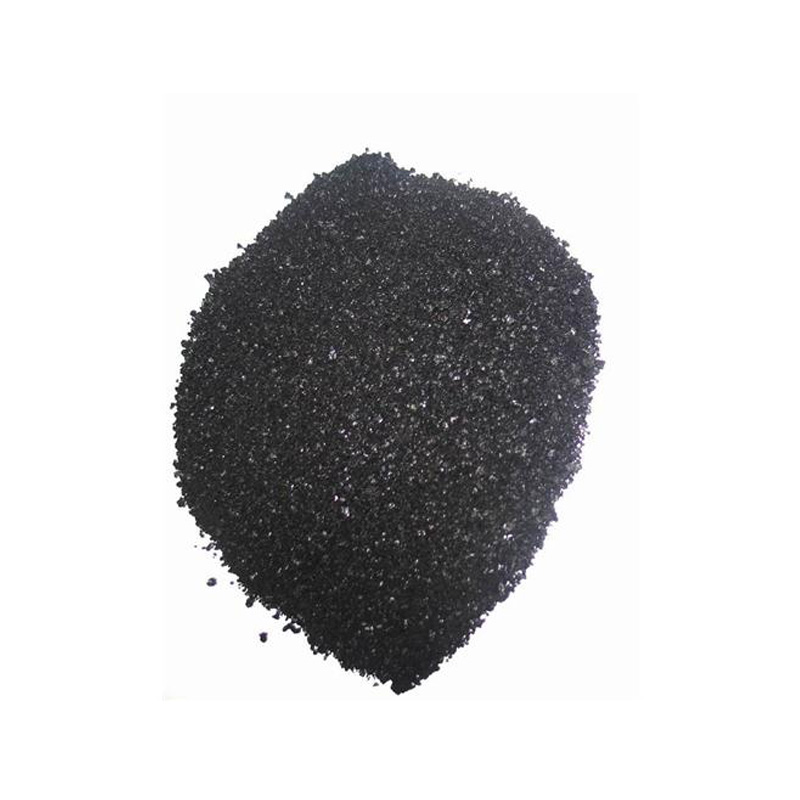
Sulphur Black
1.Name: sulphur black; Sulfur Black; Sulphur Black 1;
2.Structure formula:
3.Molecule formula: C6H4N2O5
4.CAS No.: 1326-82-5
5.HS code: 32041911
6.Product specification:Appearance:black phosphorus flakes; black liquid
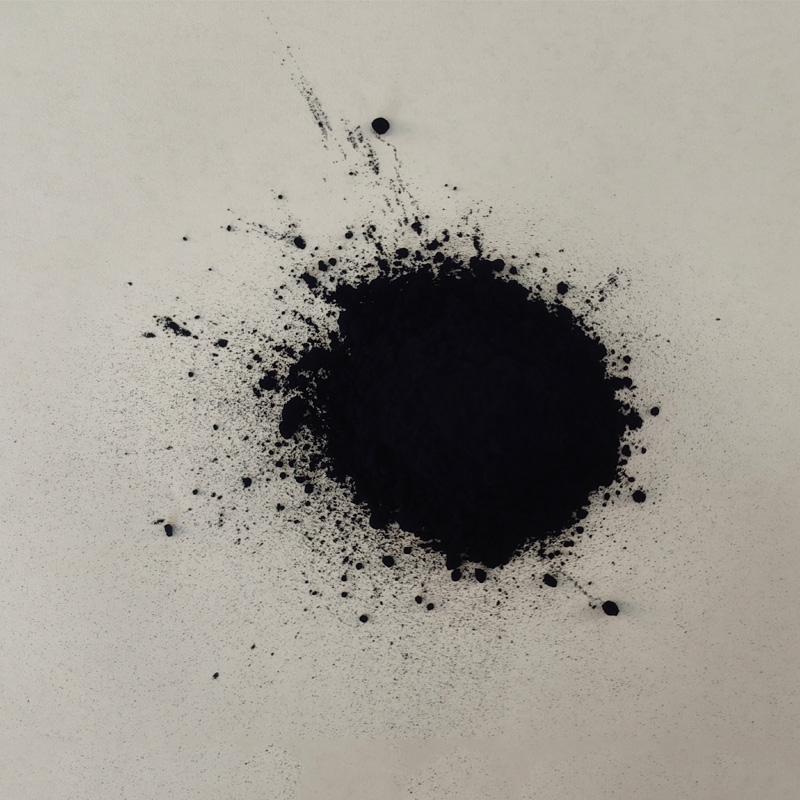
Bromo Indigo; Vat Bromo-Indigo; C.I.Vat Blue 5
1.Name: Bromo indigo; Vat bromo-indigo; C.I.Vat blue 5;
2.Structure formula:
3.Molecule formula: C16H6Br4N2O2
4.CAS No.: 2475-31-2
5.HS code: 3204151000 6.Major usage and instruction: Be mainly used to dye cotton fabrics.
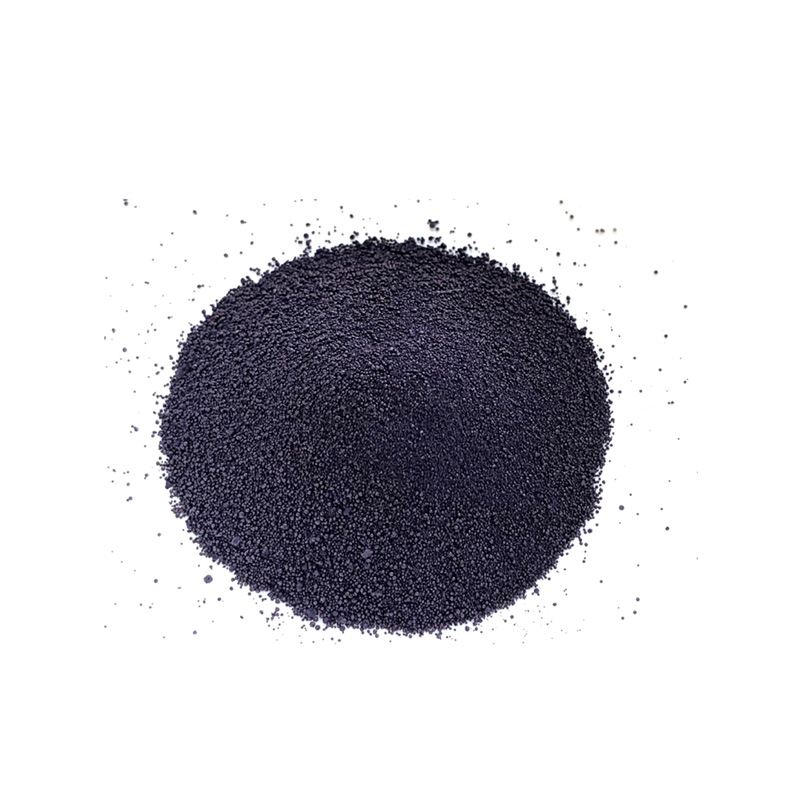
Indigo Blue Vat Blue
1.Name: indigo blue,vat blue 1,
2.Structure formula:
3.Molecule formula: C16H10N2O2
4.. CAS No.: 482-89-3
5.Molecule weight: 262.62
6.HS code: 3204151000
7.Major usage and instruction: Be mainly used to dye cotton fabrics.