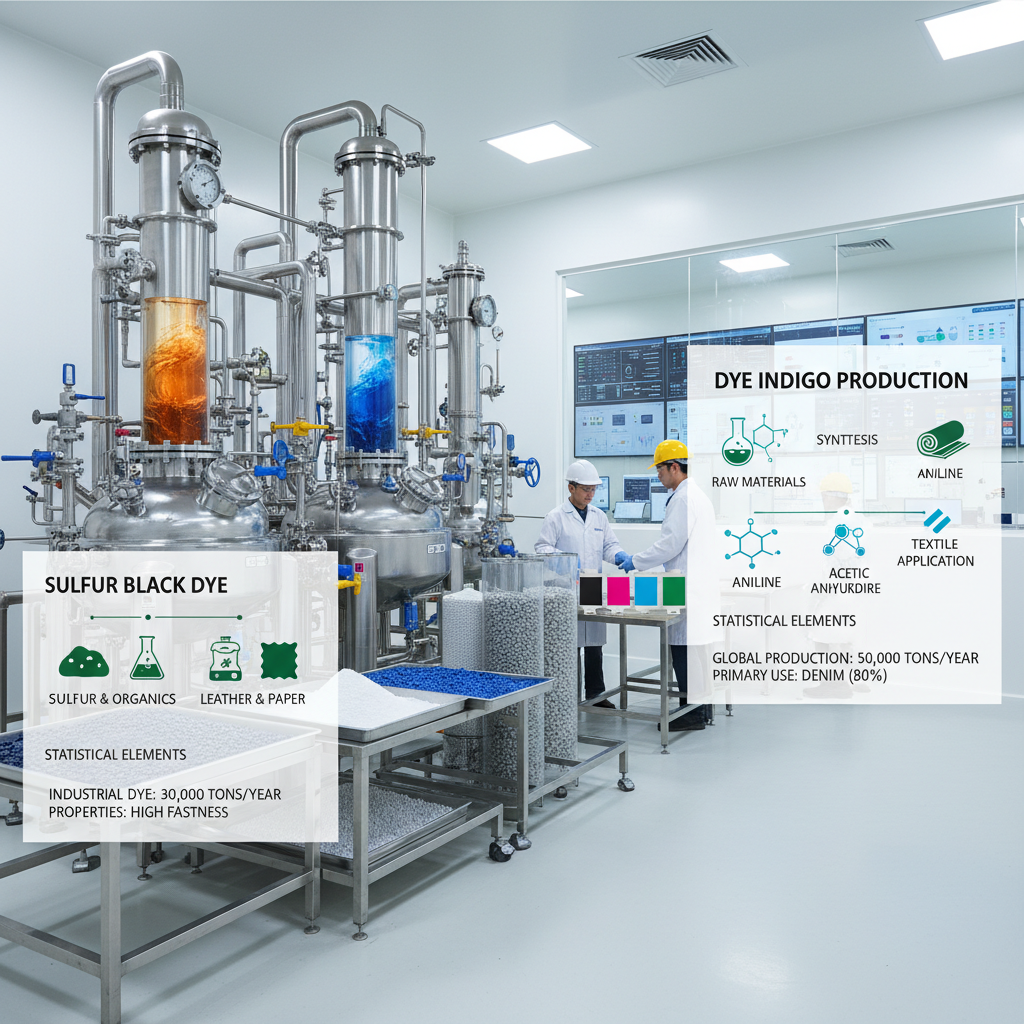
Dye indigo, a natural dye historically sourced from the Indigofera plant, boasts a rich and complex history intertwined with global trade, cultural practices, and textile innovation. From ancient civilizations to modern denim production, its enduring appeal stems from its unique color, relative lightfastness, and versatile application across a wide range of fabrics. Understanding dye indigo is crucial not only for textile historians and designers, but also for those interested in sustainable dyeing practices and the revival of traditional crafts.
The global market for indigo dyes, both natural and synthetic, remains significant, driven primarily by the demand for denim jeans. However, growing consumer awareness of environmental issues is fueling a renewed interest in naturally derived indigo, prompting research into more sustainable extraction and dyeing methods. This shift necessitates a comprehensive understanding of the properties, production, and potential applications of dye indigo across diverse industries.
The study of dye indigo extends beyond its aesthetic qualities, encompassing economic implications for producing regions, the environmental impact of both natural and synthetic production, and the social significance of indigo-dyed textiles in various cultures. A robust knowledge base surrounding dye indigo empowers informed decision-making in textile production, promotes responsible sourcing, and fosters the preservation of cultural heritage.
The Historical Development of dye indigo
The history of dye indigo stretches back millennia, with evidence of its use dating to ancient civilizations in India, Egypt, and Peru. Archaeological findings reveal indigo-dyed textiles from as early as the 3rd millennium BCE. Its value as a commodity fueled trade routes and played a crucial role in the economies of producing regions.
From its early association with royalty and religious ceremonies, dye indigo evolved into a staple in everyday clothing, particularly with the advent of denim in the 19th century. The industrial revolution brought about the synthesis of indigo, initially challenging natural indigo’s dominance but eventually coexisting alongside it as demand surged. The historical trajectory of dye indigo reflects a fascinating interplay of cultural significance, economic forces, and technological advancements.
Chemical Composition and Properties of dye indigo
Dye indigo, in its pure form, is a dark blue crystalline solid with the chemical formula C16H10N2O2. It belongs to the vat dye family, renowned for its insolubility in water until reduced to a soluble leuco form. This leuco form readily impregnates textile fibers, and upon exposure to air, oxidizes back to the insoluble indigo, resulting in a durable and vibrant color.
The unique molecular structure of dye indigo contributes to its characteristic hue and exceptional colorfastness. Variations in indigo concentration and dyeing techniques can produce a range of blue shades, from light pastel blues to deep, saturated indigos. Understanding these chemical properties is fundamental to achieving desired color outcomes and optimizing dyeing processes.
Beyond its core chemical properties, dye indigo exhibits a slight fluorescence, adding to its visual appeal. Its ability to absorb specific wavelengths of light is responsible for its intense blue coloration, making it a coveted dye for centuries. Further research into its molecular interactions continues to unlock new applications and refine existing techniques.
Natural vs. Synthetic dye indigo Production
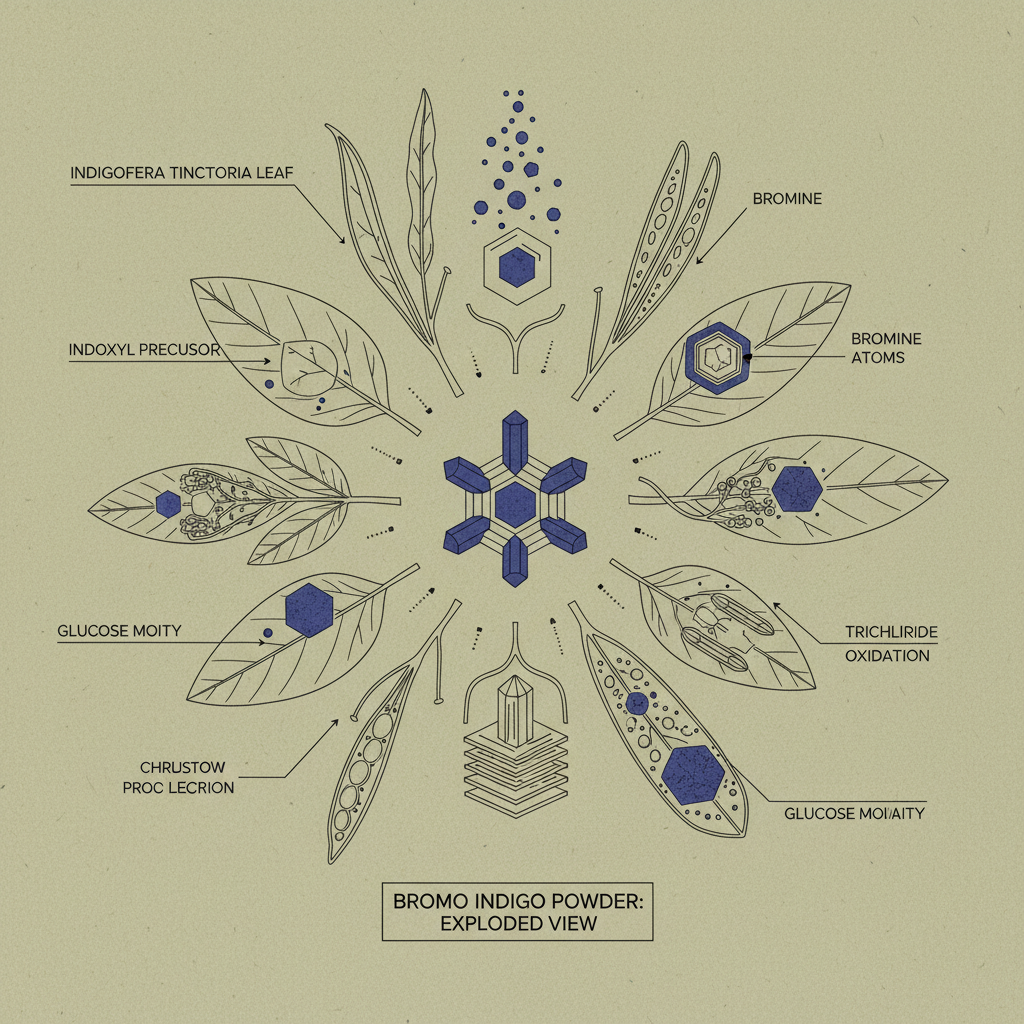
Historically, dye indigo was exclusively derived from plants, primarily Indigofera tinctoria. The traditional extraction process involved steeping the leaves in water, followed by fermentation and oxidation to precipitate the indigo pigment. This method, while labor-intensive, yielded a high-quality dye cherished for its subtle nuances. dye indigo continues to be produced using these methods, appealing to consumers seeking sustainable and artisanal products.
In the late 19th century, the synthesis of indigo revolutionized the industry. German chemist Adolf Bayer developed a commercially viable process for producing synthetic indigo from coal tar derivatives. Synthetic indigo offered cost-effectiveness and scalability, quickly becoming the dominant source of the dye for mass production, particularly for denim.
Today, both natural and synthetic indigo coexist in the market. Synthetic indigo accounts for the vast majority of global production due to its affordability and consistency. However, growing concerns about the environmental impact of synthetic dye production are driving renewed interest in sustainable natural indigo sources and improved extraction techniques.
Durability and Colorfastness of dye indigo
Dye indigo is renowned for its exceptional durability and colorfastness, making it a preferred choice for textiles intended for long-term use. The dye molecules form strong bonds with the fiber, resisting fading and bleeding even after repeated washing and exposure to light.
The colorfastness of dye indigo is directly related to the quality of the dye, the dyeing technique employed, and the type of fabric used. Vat dyeing, the most common method for applying indigo, ensures deep penetration of the dye into the fibers, resulting in superior color retention.
Colorfastness Ratings of Different Indigo Dyeing Methods
Global Applications of dye indigo in Textiles
The most prominent application of dye indigo is in the production of denim jeans, a global fashion staple. The iconic indigo-dyed denim fabric has become synonymous with casual wear and represents a significant portion of the overall dye indigo market. dye indigo is also used to dye other cotton fabrics, creating a variety of clothing items such as shirts, dresses, and workwear.
Beyond apparel, dye indigo finds applications in home textiles, including upholstery, curtains, and bedding. It is also used in traditional crafts such as Japanese shibori and African adire textiles, where intricate resist-dyeing techniques create unique and stunning patterns.
Environmental Impact of dye indigo Dyeing
The dyeing process, regardless of the dye used, can have significant environmental consequences. Synthetic indigo production often involves the use of hazardous chemicals and generates substantial wastewater containing pollutants. Improper disposal of this wastewater can contaminate water sources and harm ecosystems.
Natural indigo production, while generally more sustainable, also presents environmental challenges. The cultivation of indigo plants requires land and water resources, and the traditional fermentation process can produce unpleasant odors. However, advancements in sustainable farming practices and eco-friendly extraction methods are minimizing these impacts.
Efforts to mitigate the environmental impact of dye indigo dyeing include the development of closed-loop dyeing systems, the use of enzymatic reduction processes, and the adoption of more sustainable dye sources. These innovations aim to reduce water consumption, minimize chemical usage, and promote responsible waste management.
Innovations in dye indigo Dyeing Techniques
Recent years have witnessed a surge in innovative dye indigo dyeing techniques, driven by a desire for greater sustainability, efficiency, and creative expression. Laser technology is increasingly used to create distressed denim finishes, reducing water and chemical consumption compared to traditional methods.
AirDye technology utilizes air instead of water to transfer dye onto fabrics, drastically reducing water usage and wastewater generation. Furthermore, research into bio-based indigo alternatives and the development of more efficient reduction processes promise to further minimize the environmental footprint of dye indigo dyeing.
Summary of Innovations in dye indigo Dyeing Techniques
| Technique Name |
Environmental Impact |
Cost Efficiency |
Creative Potential |
| Laser Finishing |
High – Reduced water & chemical use |
Medium – Initial investment required |
High – Precise and detailed effects |
| AirDye Technology |
Very High – Nearly zero water usage |
Medium – Requires specialized equipment |
Medium – Suitable for various patterns |
| Bio-Based Indigo |
High – Renewable and biodegradable |
Low-Medium – Currently more expensive |
High – Unique shade variations |
| Enzymatic Reduction |
Medium – Reduced chemical usage |
High – Cost-effective alternative |
Medium – Consistent results |
| Plasma Treatment |
Medium – Reduced water consumption |
Medium – Moderate investment |
High – Enhanced dye uptake |
| Microbial Dyeing |
High – Environmentally friendly process |
Low-Medium – Still in development |
Medium – Potential for new shades |
FAQS
Natural indigo is extracted from the Indigofera plant through a fermentation process, resulting in a dye with slight variations in shade and a unique character. Synthetic indigo is chemically produced, offering consistent color and lower cost. While synthetic indigo dominates the market, natural indigo is gaining popularity due to its sustainability and artisanal appeal. The choice often depends on budget, desired aesthetic, and environmental considerations.
The environmental impact of dye indigo depends on the production method. Synthetic indigo can generate hazardous waste, while natural indigo requires land and water. However, innovations like closed-loop dyeing, enzymatic reduction, and sustainable farming practices are minimizing the environmental footprint of both types. Choosing responsibly sourced dye indigo is key to supporting eco-friendly textile production.
Indigo-dyed garments are best washed inside out in cold water with a mild detergent. Avoid harsh chemicals like bleach. Hand washing or gentle machine washing is recommended. Line drying in the shade helps preserve the color. Some fading is natural with indigo, contributing to the garment’s unique character, but these steps can minimize excessive fading.
Indigo discharge is a technique where dye indigo is removed from denim to create lighter shades or patterns. It's often used to create the "worn" or "distressed" look in jeans. This is typically achieved using chemical agents that break down the indigo molecules, offering a cost-effective way to produce various denim finishes.
While traditionally used on cotton, dye indigo can be applied to other natural fibers like linen and silk, although the results may vary. The dyeing process might require adjustments to ensure proper dye absorption and colorfastness. Synthetic fibers generally don't absorb indigo well, limiting its application on these materials.
Several organizations and suppliers specialize in sustainably sourced dye indigo. Look for certifications like GOTS (Global Organic Textile Standard) or Fair Trade. Researching brands committed to ethical and environmentally responsible practices is also a good starting point. Online marketplaces focused on sustainable textiles are increasingly offering natural indigo options.
Conclusion
Dye indigo, with its captivating history and enduring appeal, continues to play a vital role in the textile industry and beyond. From its ancient origins to modern innovations, dye indigo represents a fascinating intersection of culture, technology, and sustainability. Understanding its chemical properties, production methods, and environmental implications is crucial for responsible and informed decision-making.
As consumer demand for sustainable and ethically produced goods grows, the future of dye indigo lies in embracing innovative dyeing techniques, prioritizing responsible sourcing, and preserving the rich heritage of this remarkable natural dye. We encourage you to explore further and discover the transformative power of dye indigo. Visit our website at www.wuxin-group.com to learn more about our commitment to quality and sustainability in dye indigo production.