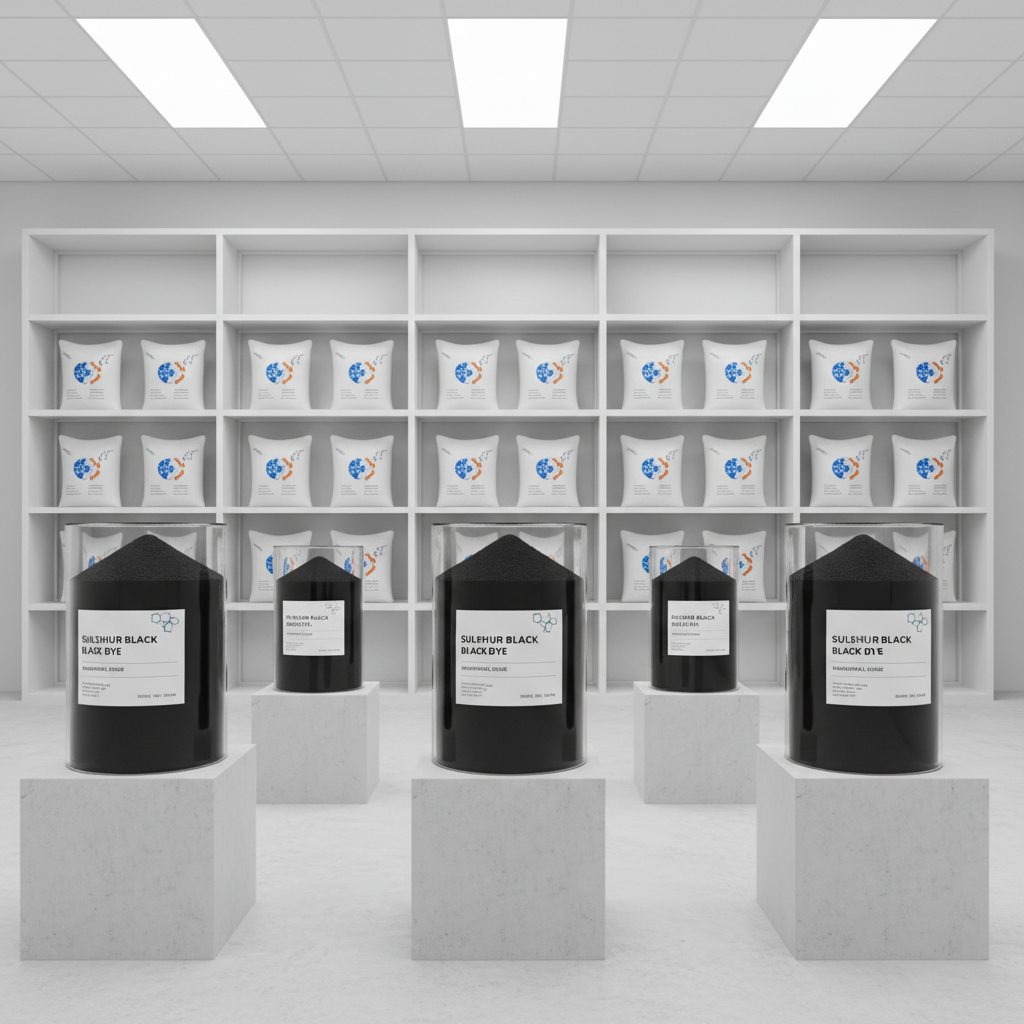
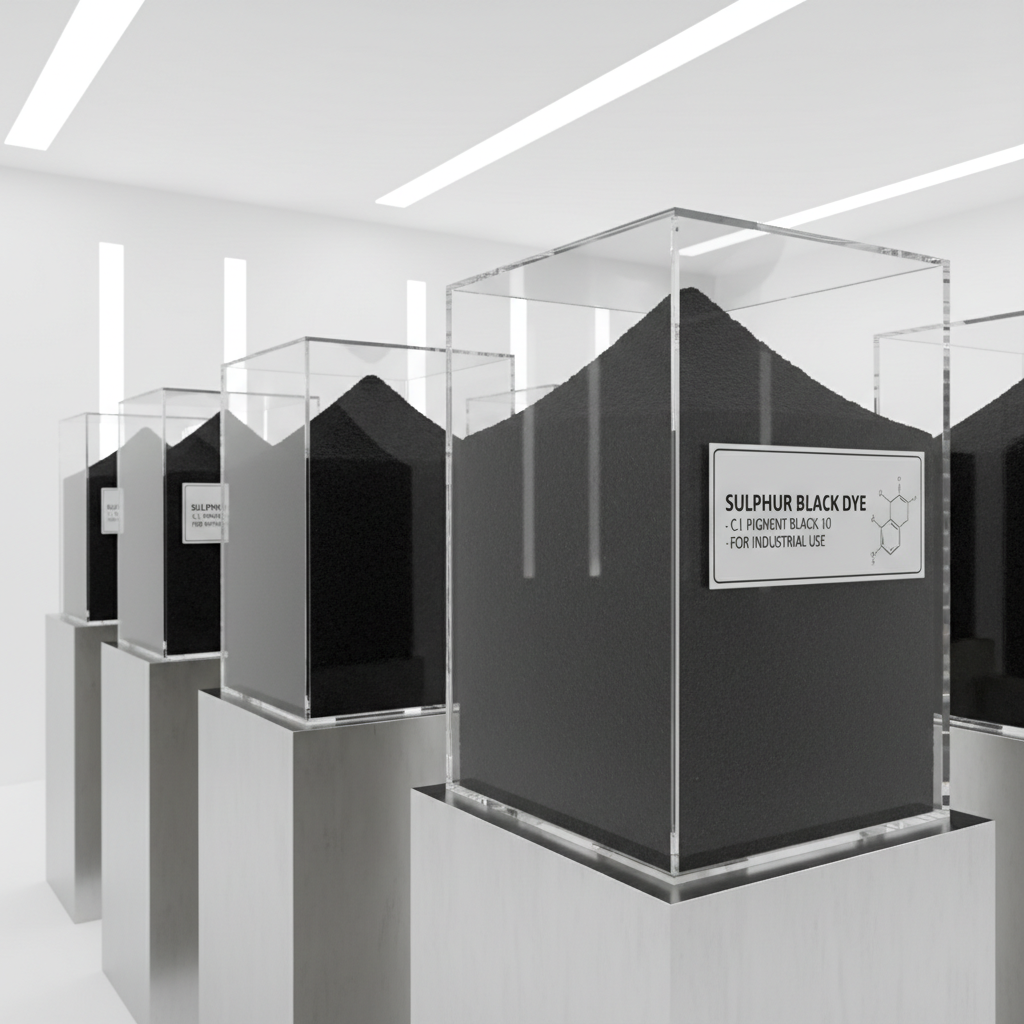
Sulphur black dyes represent a crucial category within the textile industry, prized for their deep, rich black shade and cost-effectiveness. Globally, these dyes find extensive application in coloring cotton, linen, and viscose rayon fabrics, serving a diverse range of sectors from apparel and home textiles to industrial fabrics. Understanding the nuances of sulphur black dyes – their production, application, and environmental considerations – is vital for sustainable textile manufacturing and responsible sourcing practices.
The demand for sulphur black dyes is substantial, mirroring the worldwide consumption of textiles. Emerging economies, particularly in Asia, drive significant growth in this sector. However, traditional production methods often raise environmental concerns due to the generation of sulphide-rich wastewater. Innovation in dye chemistry and wastewater treatment technologies is therefore paramount to mitigate these impacts and ensure the long-term viability of sulphur black dye usage.
These dyes hold a unique position in the market due to their relatively low cost compared to other black dye options. This makes them particularly important for mass-market clothing and applications where budget is a primary concern. However, increasingly stringent environmental regulations are pushing the industry towards more sustainable alternatives and improved manufacturing processes.
Introduction to Sulphur Black Dyes
Sulphur black dyes, renowned for their intense black coloration, stand as one of the most widely utilized dye classes in the textile industry, especially for cellulosic fibers. The production process historically involves complex chemical reactions using sulphur and organic compounds, resulting in a dye that delivers excellent wash fastness and cost-effectiveness.
The significance of these dyes extends beyond purely aesthetic qualities; their affordability makes them indispensable in various applications, contributing substantially to global textile production volumes. However, modern concerns regarding environmental impact are driving a shift towards cleaner production methods and innovative dye formulations, influencing the future of sulphur black dye applications.
Defining Sulphur Black Dyes
Sulphur black dyes are a class of water-insoluble dyes that are applied to textiles in a reduced, soluble form (leuco form). The dyeing process involves impregnating the fabric with the soluble dye, followed by oxidation to regenerate the insoluble dye within the fiber. These dyes are complex mixtures of polymeric organic sulphur compounds, rather than a single chemical entity, contributing to their unique properties.
Their primary connection to modern industry lies in the mass production of affordable and durable textiles. They provide a critical coloring solution for items like workwear, denim, and a wide range of clothing where a deep black hue and resistance to repeated washing are essential. Their importance also extends to industrial applications, such as dyeing canvas and other heavy-duty fabrics.
The versatility and relatively low cost of sulphur black dyes make them a cornerstone of textile coloration, particularly in applications where high performance and affordability are paramount. This makes them integral to meeting the global demand for accessible and functional textiles.
Key Characteristics of Sulphur Black Dyes
Durability is a defining characteristic of sulphur black dyes. They exhibit excellent resistance to washing, light, and rubbing, ensuring that dyed fabrics retain their color even after repeated use and exposure to the elements. This makes them ideal for workwear, outdoor textiles, and items requiring long-lasting color fidelity.
Cost-efficiency is another significant advantage. Sulphur black dyes are comparatively inexpensive to produce, translating to lower costs for textile manufacturers and ultimately, more affordable products for consumers. This has contributed to their widespread adoption in the mass-market textile industry.
Shade Depth and Consistency: Sulphur black dyes are capable of producing deep, rich black shades, making them highly sought after for applications where a strong black color is desired. Maintaining consistent shade across large production runs is also achievable with proper process control.
Relatively Easy Application: While the dyeing process requires careful control of reduction and oxidation steps, it is generally considered relatively straightforward, particularly for experienced dyehouse operators.
Global Applications of Sulphur Black Dyes
The primary application of sulphur black dyes is in the coloration of cellulosic fibers like cotton, linen, and viscose rayon. This translates to their extensive use in the apparel industry, particularly for jeans, t-shirts, and other everyday clothing items. Significant volumes are also utilized in the production of workwear, where durability and colorfastness are paramount.
Geographically, the largest consumers of sulphur black dyes are concentrated in regions with substantial textile manufacturing industries, including China, India, Bangladesh, and Pakistan. These countries serve as major hubs for global textile production, driving the demand for cost-effective dyeing solutions.
Beyond apparel, sulphur black dyes find applications in industrial textiles, such as canvas, tarpaulins, and filter fabrics, where their strength and resistance to degradation are crucial. In remote industrial zones where cost is a critical factor, these dyes offer a viable and reliable coloring option.
Sulphur Black Dye Application Breakdown
Advantages and Value Proposition
The primary advantage of sulphur black dyes lies in their cost-effectiveness. Compared to alternative black dye options, they offer a significant price advantage, making them particularly appealing for large-scale textile production. This translates to lower manufacturing costs and more affordable products for consumers.
Furthermore, sulphur black dyes provide excellent wash and light fastness, ensuring that dyed fabrics maintain their color intensity and appearance even after repeated washing and prolonged exposure to sunlight. This durability is crucial for applications requiring long-lasting coloration and is a key driver of their continued use in workwear and outdoor textiles.
Future Trends in Sulphur Black Dye Technology
One significant trend is the development of more environmentally friendly production processes. Research is focused on reducing the generation of sulphide-rich wastewater and finding alternative reducing agents to minimize environmental impact.
Another emerging area is the exploration of bio-based sulphur sources as a sustainable alternative to traditional sulphur obtained from fossil fuels. This aligns with the growing demand for bio-based and renewable materials in the textile industry and aims to reduce the carbon footprint of dye production.
Challenges and Mitigation Strategies
The major challenge associated with sulphur black dyes is the environmental impact of their production and application. The generation of sulphide-rich wastewater is a significant concern, requiring substantial investment in wastewater treatment facilities.
To mitigate this, innovative wastewater treatment technologies, such as sulphide oxidation and biological treatment, are being implemented. Furthermore, closed-loop systems that recycle and reuse water and chemicals are gaining traction.
Another challenge is the potential for colour variations and inconsistencies due to the complex nature of the dye mixture. Improved process control, standardized dye formulations, and advanced analytical techniques can help address this issue and ensure consistent dye quality.
Summary of Sulphur Black Dye Challenges and Mitigation Strategies
| Challenge |
Severity (1-10) |
Mitigation Strategy |
Implementation Cost (1-10) |
| Wastewater Sulphide Content |
9 |
Advanced Wastewater Treatment (Sulphide Oxidation) |
8 |
| Inconsistent Dye Shade |
7 |
Improved Process Control & Standardized Formulations |
5 |
| Reliance on Fossil Fuel Sulphur |
6 |
Bio-Based Sulphur Sourcing |
7 |
| Potential for Hydrogen Sulphide Gas Release |
8 |
Improved Ventilation and Safety Protocols |
4 |
| Regulatory Compliance Costs |
7 |
Investing in Sustainable Technologies |
6 |
| Limited Shade Range Compared to Reactive Dyes |
5 |
Combining with Other Dye Classes for Expanded Palette |
3 |
FAQS
The main environmental concern is the generation of sulphide-rich wastewater during the dyeing process. This wastewater requires extensive treatment to remove sulphides, preventing their release into the environment and associated pollution. Additionally, the sourcing of sulphur itself can have environmental impacts depending on the production methods used. Sustainable practices are focused on reducing sulphide levels and exploring bio-based sulphur sources.
Sulphur black dyes require a reduction step to become soluble for application, followed by oxidation to re-form the insoluble dye within the fibre. Reactive dyes, on the other hand, form a covalent bond directly with the fiber. This means reactive dyes typically offer brighter shades and better wash fastness but are generally more expensive and can also have environmental concerns related to reactive byproducts.
Sulphur black dyes perform best on cellulosic fibers such as cotton, linen, and viscose rayon. They are not typically used on synthetic fibers like polyester or nylon. The dye's affinity for cellulose contributes to its excellent wash fastness on these materials, making it ideal for durable garments and industrial textiles.
Research is ongoing to develop more sustainable alternatives. These include using bio-based sulphur sources, optimizing dye formulations to reduce sulphide generation, and implementing advanced wastewater treatment technologies. Some companies are also exploring alternative black dyes derived from natural sources, though these often come with trade-offs in terms of cost and performance.
Oxidation is a critical step in sulphur black dyeing. After the fabric is impregnated with the reduced, soluble dye, an oxidizing agent (like hydrogen peroxide or sodium hypochlorite) is used to convert the dye back to its insoluble form within the fiber. This oxidation process fixes the dye and ensures its wash fastness.
Manufacturers can adopt several strategies, including implementing closed-loop water recycling systems, using more efficient dyeing machinery, optimizing dye formulations to reduce chemical usage, and investing in advanced wastewater treatment facilities. Regular monitoring and process control are also essential for minimizing waste and ensuring consistent dye quality.
Conclusion
Sulphur black dyes remain a vital component of the textile industry, providing a cost-effective and durable solution for coloring cellulosic fibers. Their widespread application underscores their importance in meeting global textile demand, particularly in regions with large-scale manufacturing operations. However, the environmental challenges associated with their production and application necessitate a continued focus on innovation and sustainable practices.
Looking ahead, the future of sulphur black dyes hinges on the development and implementation of cleaner production technologies, improved wastewater treatment methods, and a commitment to responsible sourcing of raw materials. By embracing these advancements, the textile industry can minimize the environmental footprint of sulphur black dyes while continuing to leverage their valuable properties and affordability. For more information and to explore sustainable solutions, visit our website: sulphur black dyes