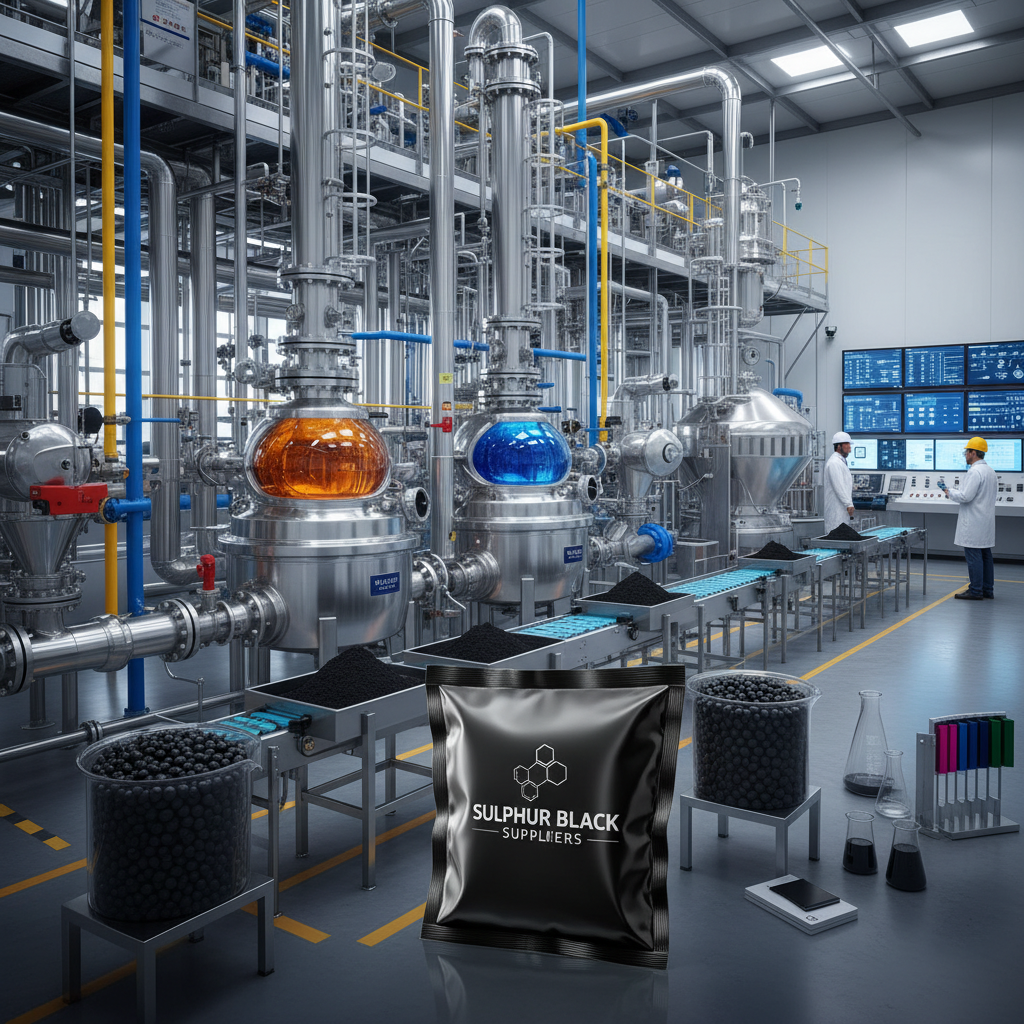
Sulphur black suppliers play a critical role in a diverse range of industries, from textiles and leather to specialty chemical manufacturing. Understanding the global landscape of these suppliers is essential for businesses seeking reliable sourcing, consistent quality, and competitive pricing. The demand for sulphur black, a vital dye, is consistently high, making the efficient operation of these suppliers paramount to maintaining supply chains across multiple sectors. Access to dependable sulphur black suppliers is crucial for ensuring production continuity and meeting market demands.
The importance of sulphur black suppliers extends beyond mere material provision. Their expertise in handling, processing, and delivering this specialized dye influences product quality, environmental impact, and regulatory compliance. Fluctuations in the supply chain, geopolitical factors, and evolving environmental regulations all affect the availability and cost of sulphur black, impacting businesses reliant on this critical component. Choosing the right supplier requires careful consideration of factors like production capacity, quality control measures, and logistical capabilities.
This exploration delves into the intricacies of sulphur black suppliers, examining their core functions, global applications, advantages, future trends, and the challenges they face. We aim to provide a comprehensive understanding of this vital industry, equipping businesses and stakeholders with the knowledge to make informed decisions and navigate the complexities of the sulphur black supply chain.
Introduction to Sulphur Black Suppliers
Sulphur black suppliers are specialized companies responsible for the production, processing, and distribution of sulphur black dye. These suppliers cater to a wide range of industries, including textile manufacturing, leather processing, and various chemical applications. Their core function is to ensure a consistent supply of high-quality sulphur black dye that meets the stringent requirements of their diverse customer base.
The effectiveness of these suppliers directly impacts the quality and efficiency of downstream industries. A reliable sulphur black supplier provides not only the dye itself but also technical expertise, logistical support, and adherence to environmental and safety standards. Consequently, selecting a reputable supplier is a critical component of successful operations for businesses dependent on this essential dye.
The Global Relevance of Sulphur Black Suppliers
The demand for sulphur black dye is globally significant, primarily driven by the extensive textile industry, particularly in Asia. Countries like China, India, and Bangladesh are major consumers of sulphur black due to their large-scale textile production. According to industry reports, the global textile dyes market is estimated to be worth billions of dollars, with sulphur black representing a substantial share.
However, the industry faces challenges related to environmental sustainability and responsible chemical management. Increasingly stringent regulations regarding wastewater treatment and chemical discharge are influencing the operations of sulphur black suppliers. The United Nations Environment Programme (UNEP) highlights the importance of minimizing the environmental impact of textile dyeing processes, pushing suppliers to adopt cleaner production technologies. This trend underscores the need for suppliers to prioritize eco-friendly practices.
The reliability of sulphur black suppliers directly affects global supply chains. Disruptions caused by political instability, natural disasters, or production issues can lead to shortages and price increases, impacting numerous industries. Maintaining a diversified supplier network and robust inventory management are essential strategies for mitigating these risks, particularly in today's interconnected global economy.
Defining Sulphur Black Suppliers
Sulphur black suppliers are entities that specialize in the manufacture and distribution of sulphur black dye, a complex inorganic dye commonly used for coloring cotton, wool, and other cellulosic fibers. They range from large-scale manufacturers with integrated production facilities to smaller distributors who source from larger producers. Their operations involve not only the chemical production of the dye itself but also quality control, packaging, logistics, and customer support.
The role of sulphur black suppliers extends beyond simply providing a product; they act as crucial partners to industries that rely on consistent dye quality and availability. They often provide technical expertise related to dye application, troubleshooting, and adherence to industry standards. Understanding the specific properties of sulphur black – its solubility, fastness, and compatibility with various fibers – is critical for ensuring optimal results in the dyeing process.
The connection to modern industry and humanitarian needs lies in the essential role textiles play in clothing, healthcare, and various other applications. Ensuring a stable supply of sulphur black supports the production of these essential goods, contributing to economic stability and societal well-being. Furthermore, responsible sulphur black suppliers are increasingly focused on minimizing the environmental impact of their processes, aligning with global sustainability goals.
Key Characteristics of Leading Sulphur Black Suppliers
Leading sulphur black suppliers demonstrate several key characteristics that set them apart. First, a robust quality control system is paramount, ensuring consistent dye quality and adherence to international standards like ISO 9001. This involves rigorous testing throughout the production process, from raw material sourcing to final product packaging. Second, a substantial production capacity is essential to meet the demands of large-scale customers and maintain reliable supply.
Third, a commitment to environmental responsibility is increasingly crucial. Suppliers are adopting cleaner production technologies, minimizing waste generation, and implementing effective wastewater treatment systems. Fourth, efficient logistics and a global distribution network are vital for timely delivery to customers worldwide. Finally, a strong technical support team is invaluable for assisting customers with dye application and troubleshooting.
Sulphur Black Supplier Performance Metrics
Global Applications and Use Cases
Sulphur black dye finds its primary application in the textile industry, where it is used to color a vast array of fabrics, particularly cotton and cellulosic materials. It's widely employed in the production of workwear, denim, and other durable textiles that require deep, lasting black shades. The automotive industry also uses sulphur black-dyed fabrics for interior components.
Beyond textiles, sulphur black is utilized in the leather industry for coloring leather products, and in certain specialty chemical applications. In remote industrial zones where access to diverse dyes may be limited, sulphur black provides a reliable and cost-effective coloring solution. In post-disaster relief operations, the availability of sulphur black for producing essential clothing and textiles can be crucial for meeting the immediate needs of affected populations.
Advantages of Partnering with Reliable Suppliers
Partnering with reputable sulphur black suppliers offers numerous advantages. Cost efficiency is a significant benefit, as these suppliers can leverage economies of scale and optimized production processes to offer competitive pricing. Reliability of supply is another key advantage, ensuring uninterrupted production for downstream industries.
Furthermore, reliable suppliers prioritize sustainability, minimizing environmental impact and adhering to responsible chemical management practices. This not only enhances the brand image of their customers but also contributes to a more sustainable textile industry. The consistent quality of dye provided by these suppliers translates to improved product quality and reduced rework, ultimately enhancing customer satisfaction.
Future Trends and Innovations in Sulphur Black Supply
The future of sulphur black supply is likely to be shaped by several key trends. Increased emphasis on sustainable production practices will drive innovation in cleaner dyeing technologies and waste reduction strategies. Digital transformation, including the use of data analytics and supply chain traceability, will enhance transparency and efficiency.
Automation in production processes will lead to greater consistency and reduced costs. The development of bio-based alternatives to traditional sulphur black dyes is also an area of growing interest, driven by the demand for more eco-friendly materials. Furthermore, stricter environmental regulations worldwide will necessitate continuous improvement in wastewater treatment and chemical handling practices.
Innovative packaging solutions designed to minimize waste and improve transportation efficiency are also anticipated. Ultimately, the future of sulphur black supply will be defined by a commitment to sustainability, innovation, and responsible chemical management.
Challenges and Solutions in Sulphur Black Supply
One of the primary challenges facing sulphur black suppliers is managing the environmental impact of their production processes. Traditional methods can generate significant wastewater containing harmful chemicals. Another challenge is ensuring consistent dye quality amidst fluctuating raw material prices and supply chain disruptions. A further issue is compliance with increasingly stringent environmental regulations.
Solutions include investing in advanced wastewater treatment technologies, such as membrane filtration and chemical oxidation, to reduce pollution. Implementing robust quality control systems and diversifying raw material sourcing can mitigate quality inconsistencies and supply chain risks. Collaborating with research institutions to develop more sustainable dyeing processes and bio-based alternatives is also crucial.
Adopting circular economy principles, such as recycling dye waste and recovering valuable materials, can further minimize environmental impact and enhance resource efficiency. Leveraging digital technologies for supply chain traceability and optimization will improve transparency and responsiveness.
Summary of Challenges and Solutions for Sulphur Black Suppliers
| Challenge |
Impact |
Solution |
Implementation Cost (1-10) |
| Wastewater Pollution |
Environmental Damage, Regulatory Fines |
Advanced Wastewater Treatment |
8 |
| Quality Inconsistency |
Product Defects, Customer Dissatisfaction |
Robust Quality Control Systems |
7 |
| Regulatory Compliance |
Operational Restrictions, Legal Issues |
Proactive Environmental Monitoring |
6 |
| Raw Material Volatility |
Price Fluctuations, Supply Disruptions |
Diversified Sourcing |
5 |
| Supply Chain Disruptions |
Production Delays, Inventory Shortages |
Strategic Inventory Management |
4 |
| Lack of Sustainability |
Negative Brand Perception, Environmental Impact |
Investment in Green Technologies |
9 |
FAQS
When selecting a sulphur black supplier, prioritize factors like quality control certifications (e.g., ISO 9001), production capacity to meet your demands, environmental compliance, logistical capabilities for timely delivery, and technical support for addressing any dye-related issues. It's also important to assess their reputation and financial stability. Ensure the supplier can consistently deliver the required grade of sulphur black while adhering to your sustainability goals.
Request samples and conduct thorough testing to verify the dye’s purity, color strength, solubility, and fastness properties. Confirm the supplier provides a Certificate of Analysis (COA) with each batch, detailing the dye’s specifications. Establish clear quality control protocols and work with a supplier willing to collaborate on optimizing dye application for your specific processes. Regular audits of the supplier's facilities can also provide assurance.
Look for suppliers committed to responsible chemical management, minimizing waste generation, and treating wastewater effectively. Inquire about their environmental certifications and compliance with relevant regulations. Prioritize suppliers who are actively investing in cleaner production technologies and reducing their carbon footprint. Consider the use of dyes with lower environmental impact, if available.
Supply chain disruptions, whether due to geopolitical events, natural disasters, or logistical challenges, can significantly impact the availability and price of sulphur black. Diversifying your supplier network, maintaining strategic inventory levels, and establishing strong relationships with multiple suppliers can mitigate these risks. Transparency and proactive communication throughout the supply chain are essential.
Current trends include the development of more sustainable dyeing processes, the exploration of bio-based alternatives to traditional sulphur black dyes, and the integration of digital technologies for supply chain optimization and traceability. There is also a growing focus on reducing water consumption and minimizing the use of hazardous chemicals in the dyeing process. Suppliers are increasingly investing in research and development to address these challenges.
Typical lead times can vary depending on the supplier's location, production capacity, and your order volume. Generally, expect a lead time of 2-6 weeks for standard orders. Larger or customized orders may require longer lead times. It’s crucial to communicate your requirements well in advance and establish clear communication channels with your supplier to ensure timely delivery. Always factor in potential delays due to unforeseen circumstances.
Conclusion
In conclusion, sulphur black suppliers are fundamental to a vast network of industries, driving production across textiles, leather, and specialty chemicals. Their ability to consistently deliver high-quality dye, adapt to evolving environmental regulations, and maintain supply chain stability is crucial for the success of their customers. A strategic partnership with a reliable supplier offers significant advantages, including cost efficiency, improved product quality, and a commitment to sustainability.
Looking ahead, the future of sulphur black supply will be shaped by innovation in cleaner production technologies, digital transformation, and a growing emphasis on circular economy principles. Businesses seeking to navigate this dynamic landscape should prioritize suppliers who demonstrate a commitment to sustainability, transparency, and continuous improvement. Visit our website at www.wuxin-group.com to learn more about how we can support your sulphur black sourcing needs.