

Exploring the Rich Tradition of China Natural Indigo Dyed Fabric
China Natural Indigo Dyed Fabric: A Comprehensive Guide
Natural indigo dyeing is an ancient art form originating in many parts of the world, but China boasts a rich history and continued mastery of this technique. China natural indigo dyed fabric is highly sought after for its unique color, sustainable qualities, and cultural significance. This article will delve into the process, benefits, applications, and where to source high-quality indigo fabrics. Understanding the nuances of this fabric can help you make informed decisions for your textile projects.
The Art of Natural Indigo Dyeing in China
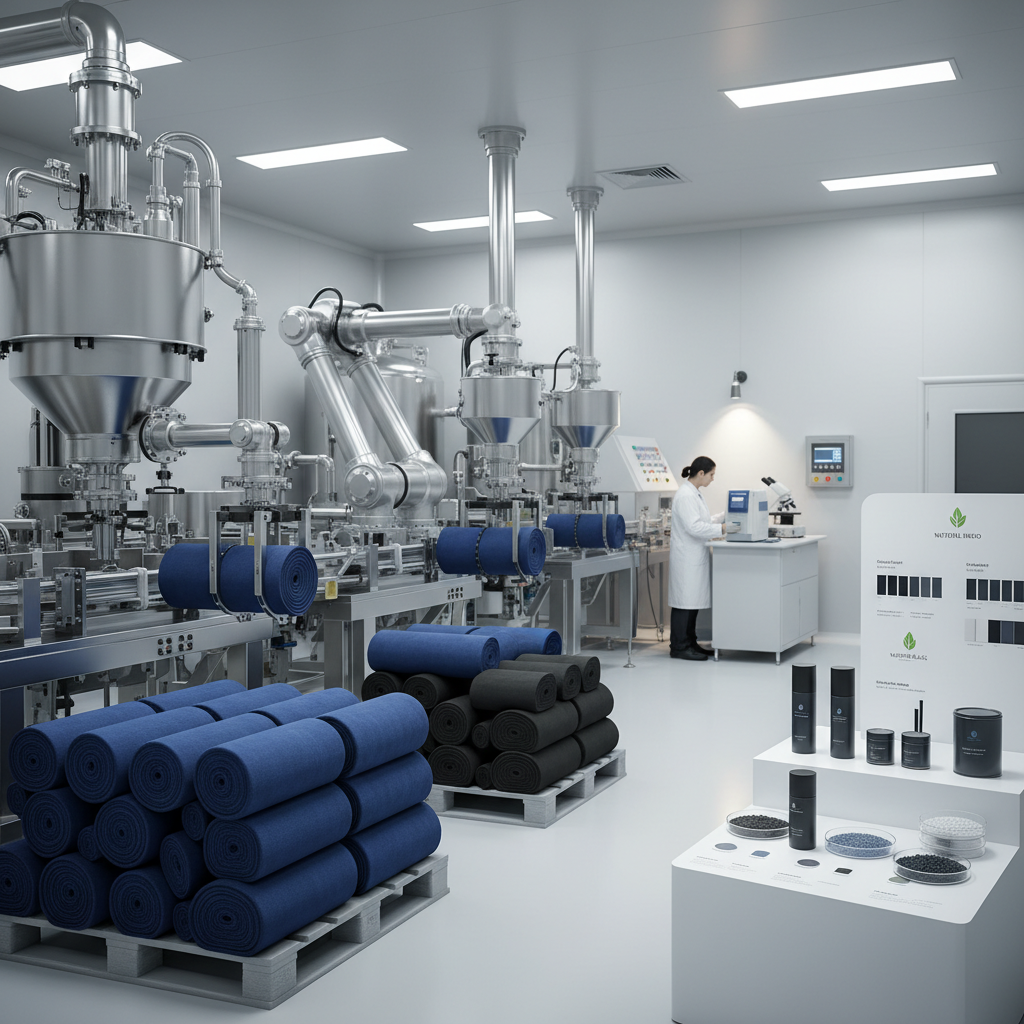
Unlike synthetic indigo, natural indigo is derived from plants – primarily Indigofera tinctoria. In China, the process typically involves several steps: harvesting the indigo leaves, fermenting them to extract the dye, and then repeatedly dipping the fabric into the dye bath to achieve the desired shade. The beauty of natural indigo lies in its subtle variations; no two pieces are exactly alike. Skilled artisans carefully control the fermentation and dyeing processes to achieve rich, complex hues. The history of indigo dyeing in China dates back thousands of years, with regional variations and unique techniques developed over time. Wuxin Group specializes in sourcing and supplying authentic, high-quality Chinese natural indigo dyed fabrics.
Key Highlights: Natural indigo dyeing is an eco-friendly process, relying on plant-based materials and traditional techniques. The resulting fabrics are renowned for their unique color variations and comfortable feel.
Benefits of China Natural Indigo Dyed Fabric
Choosing natural indigo dyed fabric offers several advantages. It is significantly more environmentally friendly than fabrics dyed with synthetic indigo, reducing water pollution and minimizing the use of harmful chemicals. Indigo dye also has natural antibacterial properties. The dyeing process often enhances the softness and breathability of the fabric. Furthermore, the unique color variations and organic aesthetic appeal to consumers seeking sustainable and artisan-made products. Many believe that natural indigo fabrics possess a calming and grounding energy, adding an extra layer of value for mindful consumers.
Environmental Benefits:
• Reduces water pollution.
• Minimizes the use of harmful chemicals.
• Sustainable and eco-friendly.
• Supports traditional craftsmanship.
China Natural Indigo Dyed Fabric vs. Synthetic Indigo
While synthetic indigo offers consistent color and lower production costs, it falls short in sustainability and aesthetic appeal. Natural indigo fabrics possess a depth of color and subtle nuances that synthetic dyes cannot replicate. Synthetic indigo production contributes to significant water pollution due to the release of toxic chemicals. In contrast, natural indigo dyeing, when practiced responsibly, minimizes environmental impact. The growing demand for eco-conscious products is driving a resurgence in the popularity of natural indigo.
Applications of China Natural Indigo Dyed Fabric
The versatility of China natural indigo dyed fabric makes it ideal for a wide range of applications. It's popular for creating apparel, including jeans, shirts, dresses, and outerwear. It’s also widely used in home textiles such as bedding, curtains, and upholstery. The unique aesthetic lends itself well to artisanal crafts, including bags, accessories, and wall hangings. The demand for sustainable textiles is driving increased usage in eco-conscious fashion and interior design projects.
Sourcing High-Quality Natural Indigo Fabric from China
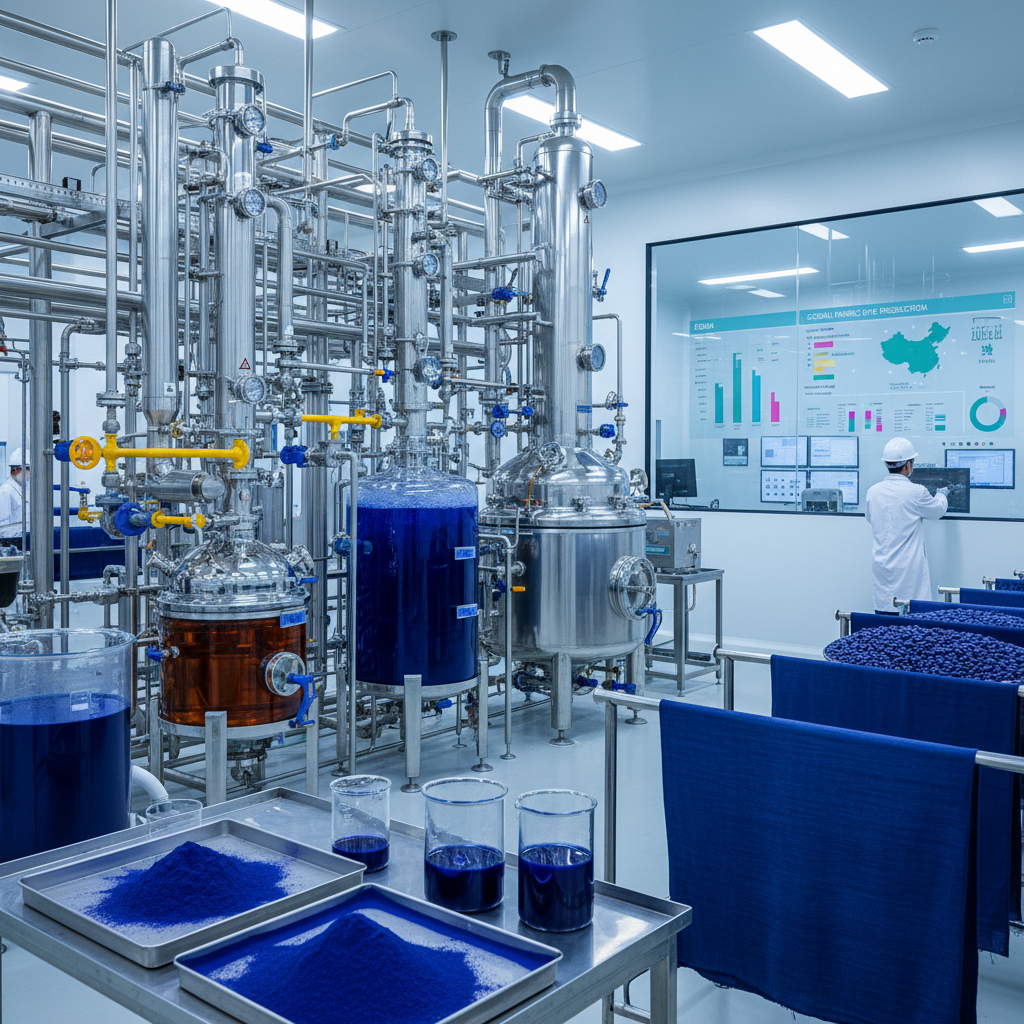
When sourcing China natural indigo dyed fabric, it’s crucial to partner with a reputable supplier. Wuxin Group offers a wide selection of fabrics, ensuring quality control and ethical sourcing. Look for suppliers who can provide certifications verifying the authenticity of the natural indigo dye and adherence to sustainable practices. Consider factors such as fabric weight, weave, and colorfastness to meet your specific project requirements.
Conclusion: Embrace the Beauty of Natural Indigo
Choosing China natural indigo dyed fabric is a step towards sustainable and aesthetically pleasing textile solutions. Its rich history, unique qualities, and eco-friendly nature make it a compelling choice for designers, manufacturers, and consumers alike. Wuxin Group is dedicated to providing high-quality, ethically sourced indigo fabrics to meet your needs.
Frequently Asked Questions (FAQs)
How do I care for natural indigo dyed fabric?
To maintain the vibrancy of natural indigo dyed fabric, hand wash in cold water with a mild detergent. Avoid harsh chemicals, bleach, and direct sunlight during drying. Turn the garment inside out before washing to minimize fading. Iron on a low setting if needed. With proper care, natural indigo dyed fabric can retain its beautiful color for years. Natural indigo fades with washing, which is part of its unique charm, creating a vintage and worn-in look.
Is natural indigo fabric colorfast?
Natural indigo is less colorfast than synthetic dyes, meaning it may fade over time with repeated washing and exposure to sunlight. However, certain techniques, such as using a mordant during the dyeing process, can improve colorfastness. The degree of fading is often considered part of the fabric's aesthetic appeal, creating a unique, lived-in look. Washing the fabric separately for the first few washes can help minimize color transfer to other garments.
What are the different shades of indigo achievable?
The shade of indigo can vary greatly depending on the number of dye dips, the fermentation process, and the type of fabric. Multiple dips result in deeper, more intense shades, while fewer dips create lighter, more subtle hues. Different techniques can also produce variations in tone and texture. Shades range from pale sky blue to deep, almost black indigo.
Where does the indigo come from for Wuxin Group’s fabrics?
Wuxin Group partners with trusted growers and artisans in China who practice sustainable indigo cultivation and traditional dyeing techniques. We prioritize sourcing from suppliers who adhere to ethical and environmentally responsible practices, ensuring the authenticity and quality of our natural indigo fabrics.
-
Mastering the Art of China Japanese Indigo Dyeing Traditions
NewsApr.16,2026
-
Exploring the Elegance of China Deep Indigo Color in Textiles
NewsApr.09,2026
-
Discover High Quality China Jeans Blue Indigo for Global Markets
NewsApr.07,2026
-
Exploring China Indigo Color in Nature History and Modern Applications
NewsMar.31,2026
-
Discover High Quality China Pure Indigo Powder for Vibrant Natural Dyeing
NewsMar.28,2026
-
Exploring the Rich History of China True Blue Indigo Textiles
NewsMar.26,2026
-
Exploring the Rich Heritage of China Tie Dye with Indigo and Artisanal Techniques
NewsMar.24,2026
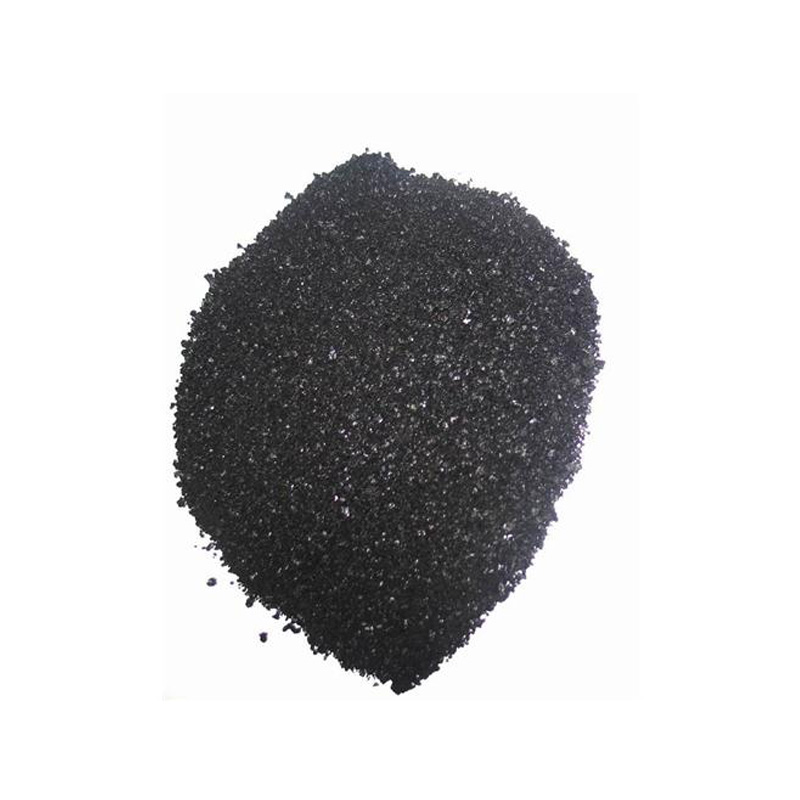
Sulphur Black
1.Name: sulphur black; Sulfur Black; Sulphur Black 1;
2.Structure formula:
3.Molecule formula: C6H4N2O5
4.CAS No.: 1326-82-5
5.HS code: 32041911
6.Product specification:Appearance:black phosphorus flakes; black liquid
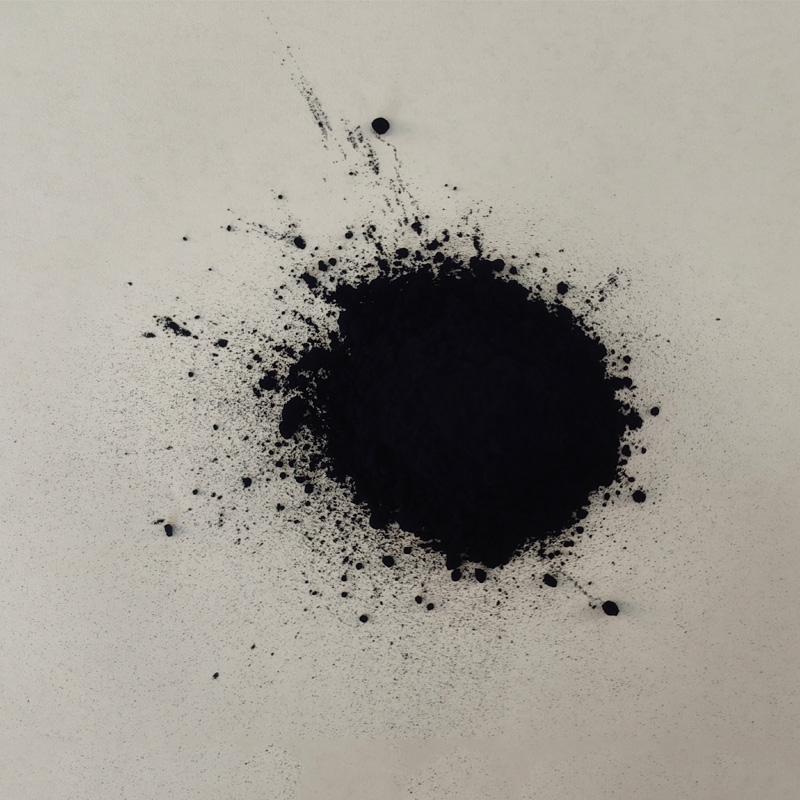
Bromo Indigo; Vat Bromo-Indigo; C.I.Vat Blue 5
1.Name: Bromo indigo; Vat bromo-indigo; C.I.Vat blue 5;
2.Structure formula:
3.Molecule formula: C16H6Br4N2O2
4.CAS No.: 2475-31-2
5.HS code: 3204151000 6.Major usage and instruction: Be mainly used to dye cotton fabrics.
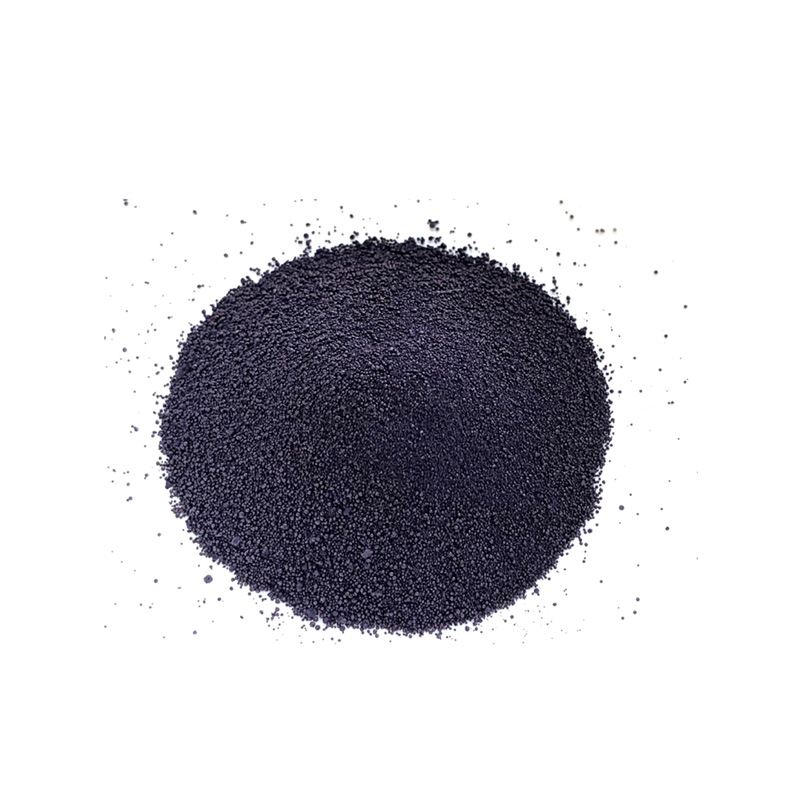
Indigo Blue Vat Blue
1.Name: indigo blue,vat blue 1,
2.Structure formula:
3.Molecule formula: C16H10N2O2
4.. CAS No.: 482-89-3
5.Molecule weight: 262.62
6.HS code: 3204151000
7.Major usage and instruction: Be mainly used to dye cotton fabrics.