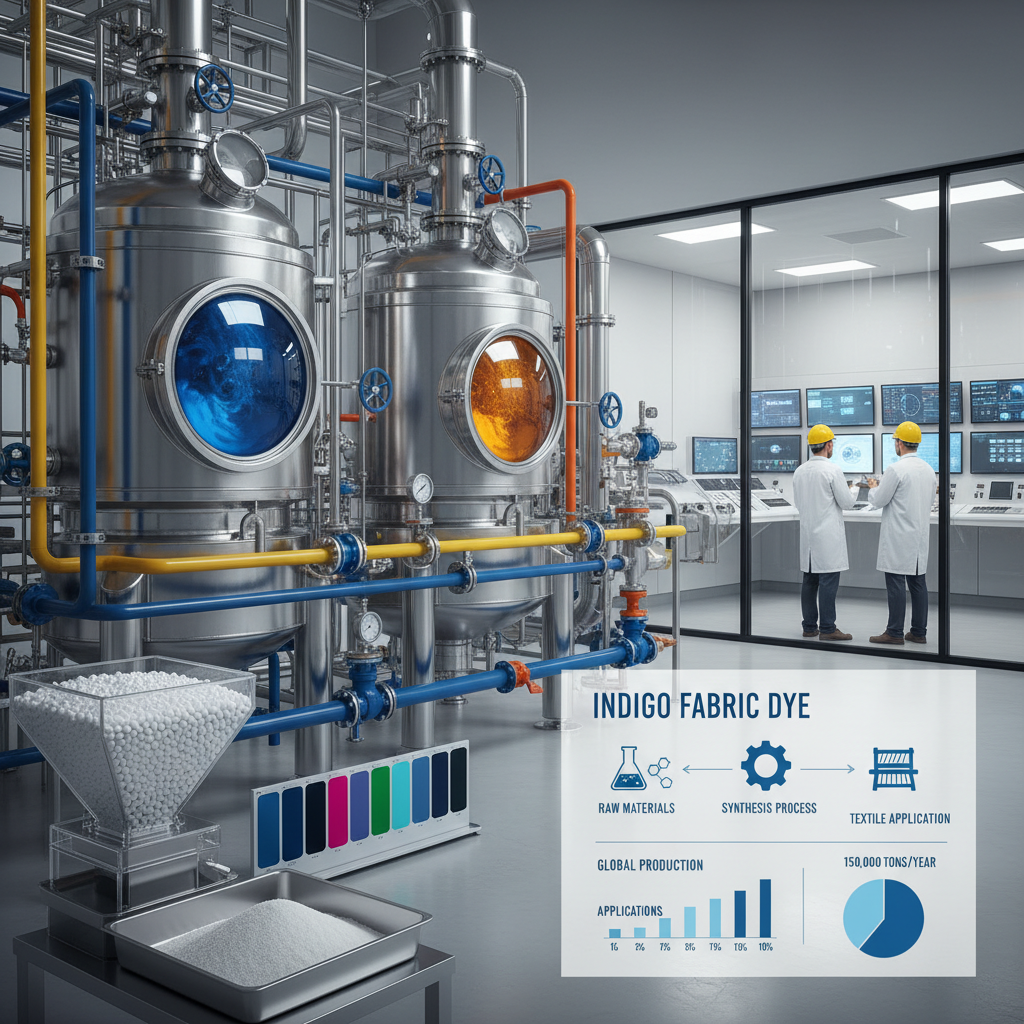
The global textile industry has long been defined by its relationship with color, and few hues carry as much historical and commercial weight as the deep, timeless blue provided by indigo fabric dye. From ancient artisanal vats to the high-speed automated lines of modern denim factories, the quest for the perfect shade of blue remains a driving force in chemical engineering and fashion design. Understanding the nuances of this pigment is essential for manufacturers aiming to balance aesthetic appeal with industrial efficiency.
In today's market, the demand for high-quality indigo fabric dye transcends simple coloration; it is about achieving specific fading patterns, ensuring color fastness, and meeting stringent environmental regulations. As the world shifts toward sustainable production, the chemical composition of indigo—whether synthetic or natural—determines the carbon footprint and water usage of the entire garment lifecycle. This makes the selection of the right dye a strategic decision for brand longevity and environmental compliance.
By exploring the technical properties, application methods, and future innovations of indigo dyeing, stakeholders can optimize their production chains. Whether utilizing Indigo Blue for classic denim, Bromo Indigo for specialized tones, or Sulphur Black for contrasting depths, the goal is to merge traditional artistry with modern scientific precision. This comprehensive guide delves into the mechanics and market dynamics of indigo fabric dye to provide a roadmap for superior textile finishing.
The Global Industrial Significance of Indigo Fabric Dye
On a global scale, indigo fabric dye is the backbone of the multi-billion dollar denim industry. According to textile trade data, millions of tons of indigo-dyed cotton are produced annually, with Asia and North America leading the consumption. The unique "ring dyeing" effect—where the dye adheres to the outside of the yarn while leaving the core white—is what allows denim to develop the characteristic fades that consumers prize.
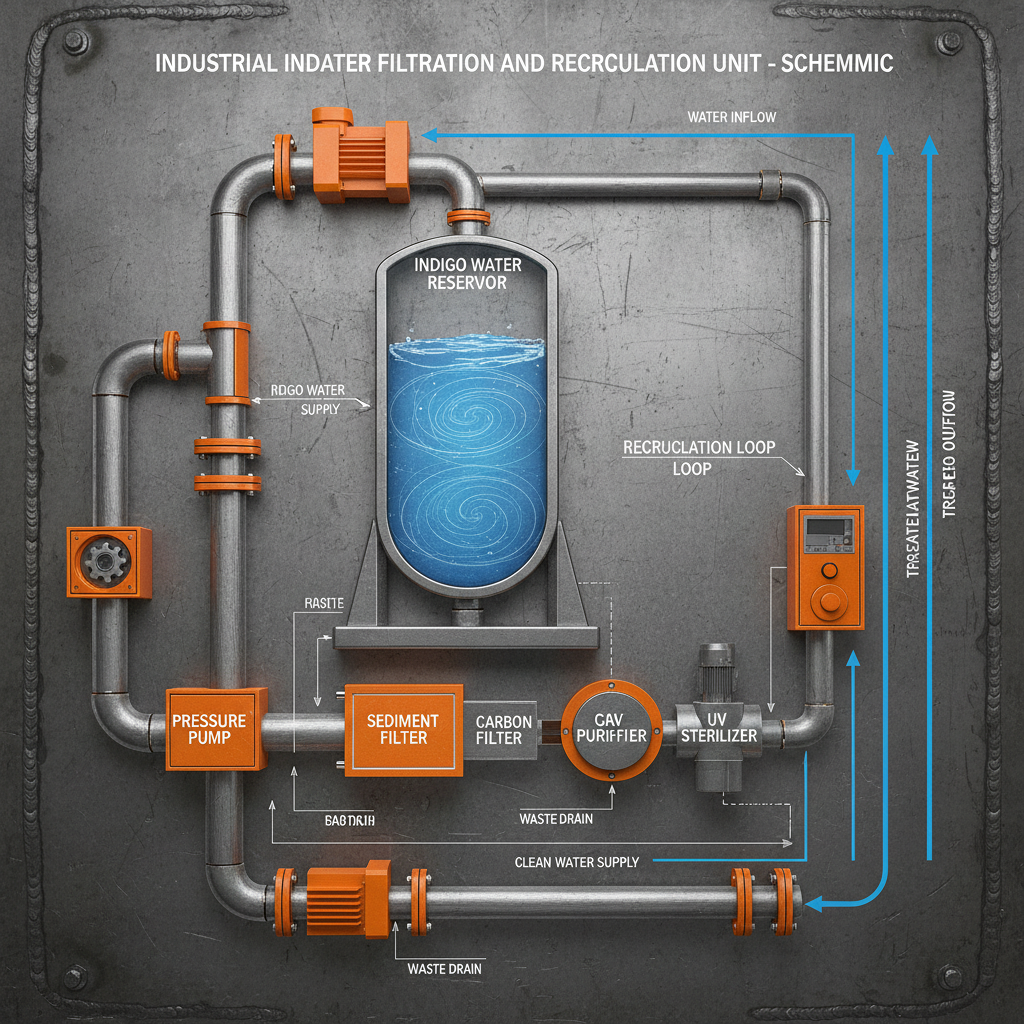
However, the industry faces a critical challenge: the traditional reduction process requires heavy chemicals like sodium hydrosulphite, which can lead to significant water pollution. The global push for ISO 14001 certification and ZDHC (Zero Discharge of Hazardous Chemicals) standards has forced manufacturers to rethink their chemistry. Transitioning to more efficient indigo fabric dye formulations is no longer just a quality choice, but a regulatory necessity to ensure sustainable growth.
Defining the Chemical Nature of Indigo Pigments
At its most basic level, indigo fabric dye is a vat dye, meaning it is insoluble in water and requires a chemical reduction process to become soluble (leuco-indigo) before it can penetrate the fibers. Once the fabric is exposed to air, the dye oxidizes, returning to its insoluble blue state and becoming trapped within the textile structure. This mechanism is what gives indigo its legendary durability and unique wear-and-tear characteristics.
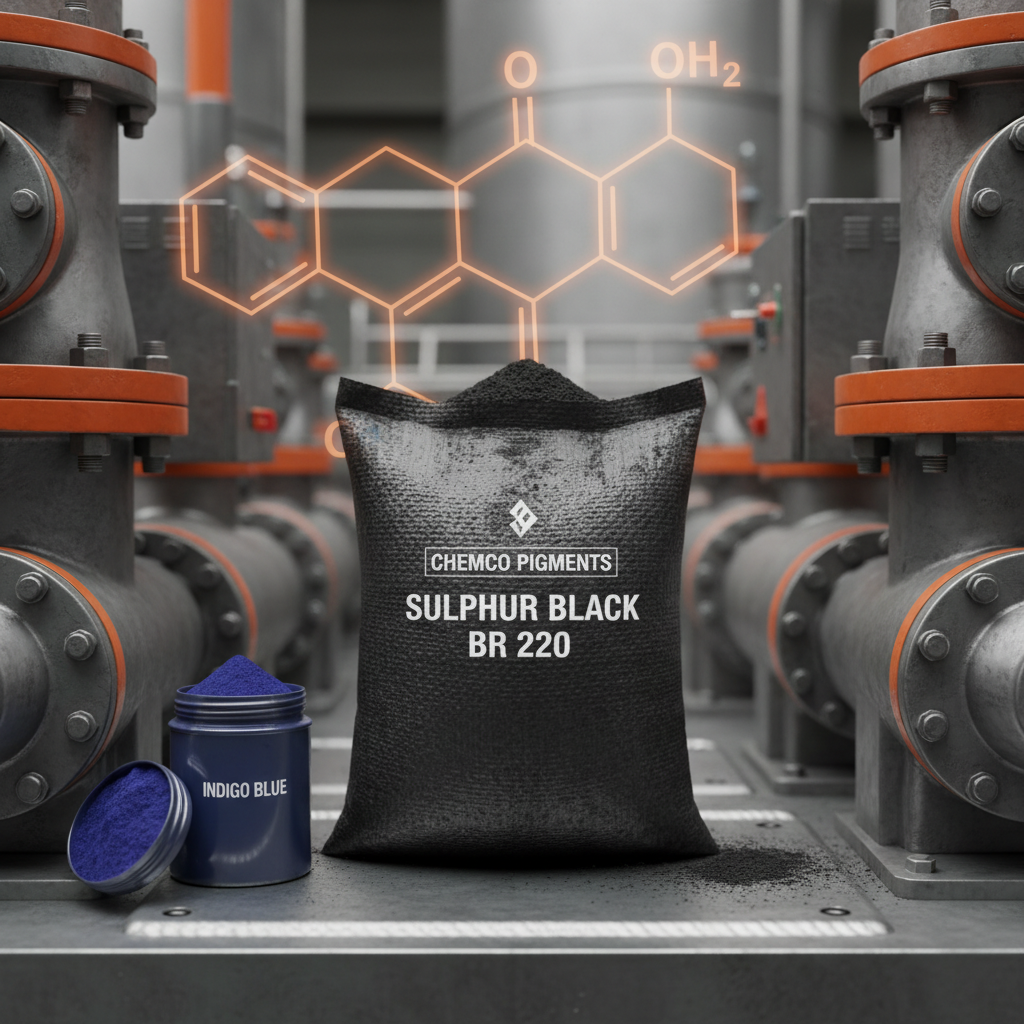
In modern industrial chemistry, we distinguish between various types of indigo to achieve different effects. Indigo Blue provides the standard deep navy, while Bromo Indigo is often utilized for specific modifications in shade and light-fastness. Additionally, Sulphur Black is frequently paired with indigo in blended fabrics to create deep, moody tones that maintain high wash-fastness, catering to the high-end streetwear market.
The connection between these chemical properties and humanitarian needs manifests in the production of affordable, durable workwear. By optimizing the molecular bond of the indigo fabric dye, manufacturers can produce garments that last longer in harsh environments, reducing waste and providing long-term value to laborers and industrial workers worldwide.
Core Factors Influencing Dyeing Quality and Consistency
Achieving a uniform shade with indigo fabric dye requires precise control over the reduction potential of the dye bath. If the pH level fluctuates or the reducing agent is insufficient, the dye will not properly penetrate the yarn, leading to "streaking" or uneven coloration. This technical precision is the difference between a luxury garment and a low-grade product.
Durability and scalability are equally critical. Industrial-grade indigo fabric dye must perform consistently across thousands of meters of fabric. This involves managing the "dip" frequency—the number of times the yarn passes through the dye vat—to build up the desired depth of color without compromising the tensile strength of the cotton fibers.
Finally, cost efficiency is balanced against environmental impact. While cheaper alternatives exist, high-purity dyes reduce the amount of waste and the frequency of re-dyeing. Investing in superior indigo fabric dye reduces the overall chemical load in the effluent treatment plants, aligning commercial profit with ecological responsibility.
Comparative Performance of Indigo Dyeing Methods
Different application techniques yield vastly different results when using indigo fabric dye. Traditional rope dyeing is the gold standard for high-volume denim, offering excellent consistency and the classic ring-dyed effect. In contrast, slasher dyeing is faster and more cost-effective for lower-end apparel but often lacks the depth and unique fading properties of rope-dyed fabrics.
Modern innovation has introduced foam dyeing and electrochemical reduction, which significantly reduce water consumption. These methods allow for a more precise application of the indigo fabric dye, minimizing the chemical runoff and reducing the energy required for drying, thus moving the industry toward a more "closed-loop" system.
Efficiency Rating of Indigo Fabric Dye Application Methods
Global Applications Across Denim and Workwear Sectors
The versatility of indigo fabric dye makes it indispensable across various global markets. In the high-fashion hubs of Italy and Japan, "raw denim" is prized for its deep, unwashed indigo saturation, which requires the highest purity of dyes to ensure a slow, natural fade. Here, the dye is treated as an art form, where the interaction between the pigment and the wearer's movement creates a unique personal history on the garment.
Beyond fashion, in remote industrial zones and construction sectors, indigo-dyed fabrics are used for heavy-duty overalls and workwear due to their inherent durability. In regions like Southeast Asia and South America, where textile manufacturing is a primary economic driver, the optimization of indigo fabric dye processes allows local factories to compete on a global scale by producing high-quality denim that meets international export standards.
Long-term Value and Economic Advantages of Premium Dyes
Investing in premium indigo fabric dye provides tangible economic benefits that extend far beyond the initial purchase price. High-grade pigments offer superior "exhaustion rates," meaning more of the dye attaches to the fabric and less is wasted in the water. This directly reduces the cost of chemicals per kilogram of fabric and lowers the operational costs of wastewater treatment.
From a brand perspective, the use of reliable dyes builds consumer trust. In an era of "fast fashion" backlash, consumers are increasingly looking for "slow fashion" attributes—garments that age gracefully and do not lose their color prematurely. By utilizing a stable indigo fabric dye, brands can market their products as durable investments, increasing the lifetime value of the customer relationship.
Furthermore, the psychological impact of a rich, consistent indigo blue evokes feelings of reliability and timelessness. This emotional connection translates into higher price premiums for the end product. When a manufacturer can guarantee the exact shade of Indigo Blue or the stark depth of Sulphur Black, they position themselves as a leader in quality, fostering long-term partnerships with global retail giants.
Future Trends and Sustainable Innovations in Indigo Dyeing
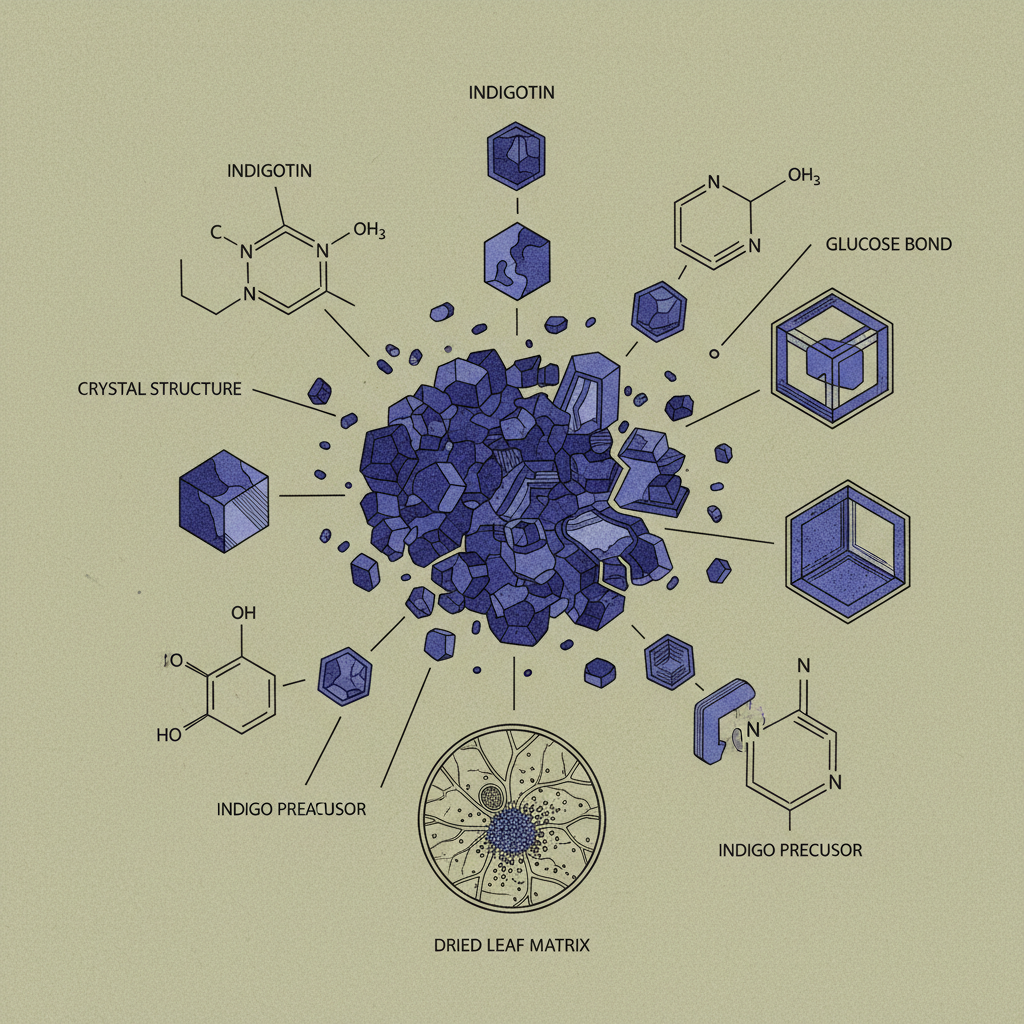
The future of indigo fabric dye is inextricably linked to the "green revolution." We are seeing a surge in bio-synthetic indigo, produced via fermentation using engineered bacteria. This process eliminates the need for toxic precursors and drastically reduces the carbon footprint of dye production, promising a future where denim is truly biodegradable and eco-friendly.
Digital transformation is also hitting the dye house. Automation and AI-driven sensors now monitor the dye vat in real-time, adjusting the concentration of indigo fabric dye and pH levels instantly to prevent errors. This reduction in human error leads to fewer rejected batches and a significant decrease in material waste.
Moreover, the industry is exploring "waterless dyeing" technologies, such as supercritical CO2 dyeing, which replaces water as the solvent. While still in the scaling phase, this innovation represents the pinnacle of sustainability, potentially removing the need for the massive water reservoirs traditionally associated with indigo fabric dye applications.
Analysis of Indigo Dyeing Innovations and Their Impact
| Innovation Type |
Environmental Impact |
Production Cost |
Market Adoption |
| Bio-Synthetic Indigo |
Very Low |
Medium-High |
Growing |
| Foam Dyeing |
Low |
Medium |
High |
| CO2 Supercritical |
Minimal |
Very High |
Experimental |
| Electro-reduction |
Low |
Medium |
Moderate |
| AI-Controlled Vats |
Moderate |
Low-Medium |
Rapidly Increasing |
| Natural Plant Indigo |
Very Low |
High |
Niche/Artisanal |
FAQS
Synthetic indigo is produced through chemical synthesis, offering extreme consistency in color and lower costs for mass production. Natural indigo is derived from plants like Indigofera tinctoria; while more eco-friendly and prized in artisanal markets, it is harder to standardize across large batches and significantly more expensive to produce at scale.
This is due to "ring dyeing." Because indigo is an insoluble vat dye, it doesn't fully penetrate the core of the cotton yarn. Instead, it sits on the surface. As the fabric is worn and rubbed, the surface dye wears away, revealing the white core of the yarn, which creates the unique high-contrast fades seen in denim.
Bleeding occurs when excess surface dye is not properly fixed. To minimize this, wash garments inside out in cold water with a small amount of white vinegar or specialized textile detergents. Avoiding hot water is crucial, as heat can open the fibers and release more of the indigo pigment into the wash water.
High-quality, certified indigo dyes are generally safe. However, the chemicals used in the reduction process (like hydrosulphites) can be irritating if the fabric is not thoroughly rinsed after dyeing. We recommend using dyes that comply with OEKO-TEX® standards to ensure no harmful residues remain on the finished textile.
For a true, deep black, Sulphur Black is superior because of its chemical affinity for cotton and its ability to create a saturated, dark tone. Indigo is best for blues. However, many manufacturers use a blend of both to create a "black-blue" effect that fades into a vintage indigo shade over time.
Importing requires proper HS code classification (usually under dyes and pigments) and compliance with the destination country's chemical safety laws (e.g., REACH in the EU). We suggest partnering with a supplier like Wuxin Group that provides full MSDS (Material Safety Data Sheets) and certificates of analysis to ensure smooth customs clearance.
Conclusion
In summary, indigo fabric dye is far more than a simple colorant; it is a complex chemical tool that defines the aesthetic and functional value of the global denim and workwear markets. From the precision of the reduction process to the strategic selection of Indigo Blue or Sulphur Black, every decision impacts the garment's durability, its environmental footprint, and its eventual market appeal. By balancing traditional dyeing techniques with cutting-edge innovations like bio-synthesis and AI monitoring, manufacturers can achieve a harmony between industrial profitability and ecological stewardship.
As we look toward the future, the transition to sustainable chemistry will be the primary differentiator for success in the textile industry. We encourage manufacturers and designers to embrace low-water dyeing technologies and certified eco-friendly pigments to meet the demands of the modern, conscious consumer. By investing in superior dye quality today, you are not only ensuring a better product but also contributing to a cleaner, more sustainable global textile ecosystem. For premium dyeing solutions, visit our website: www.wuxin-group.com