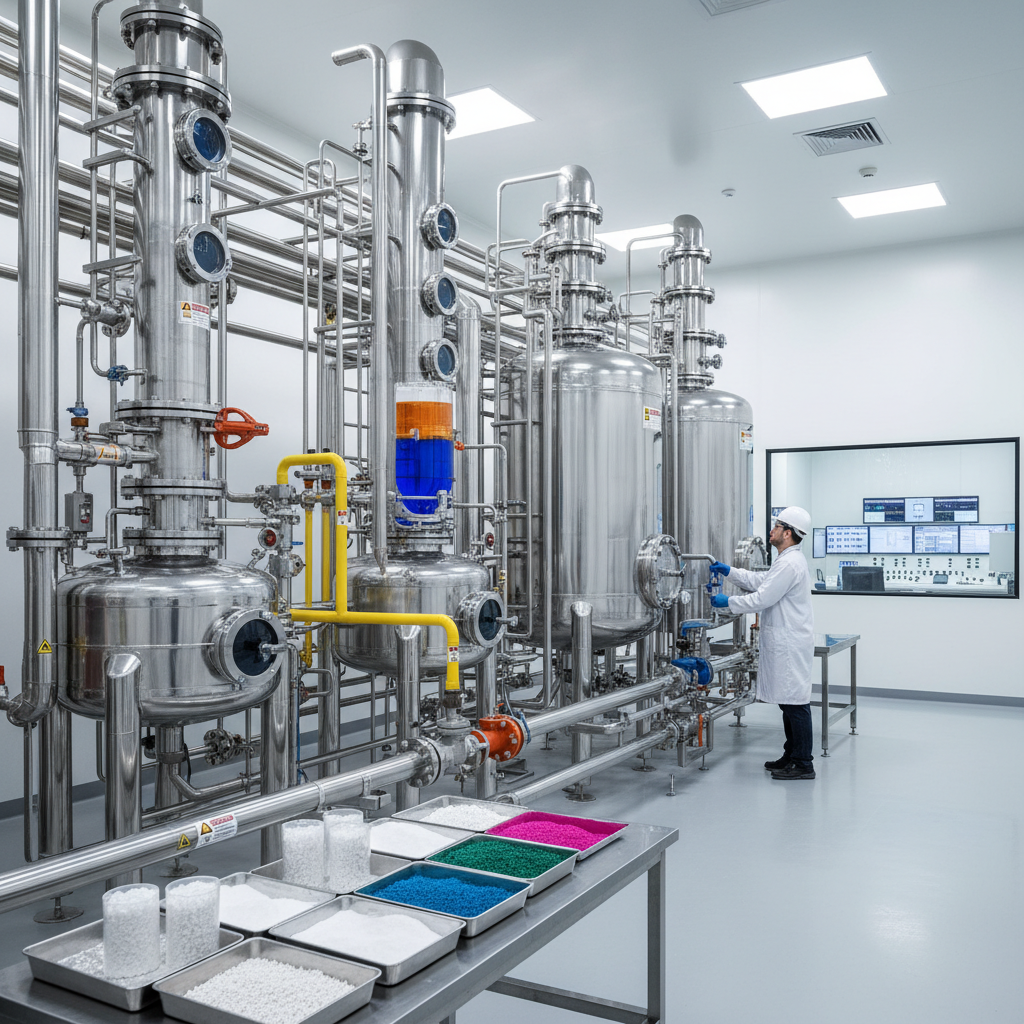
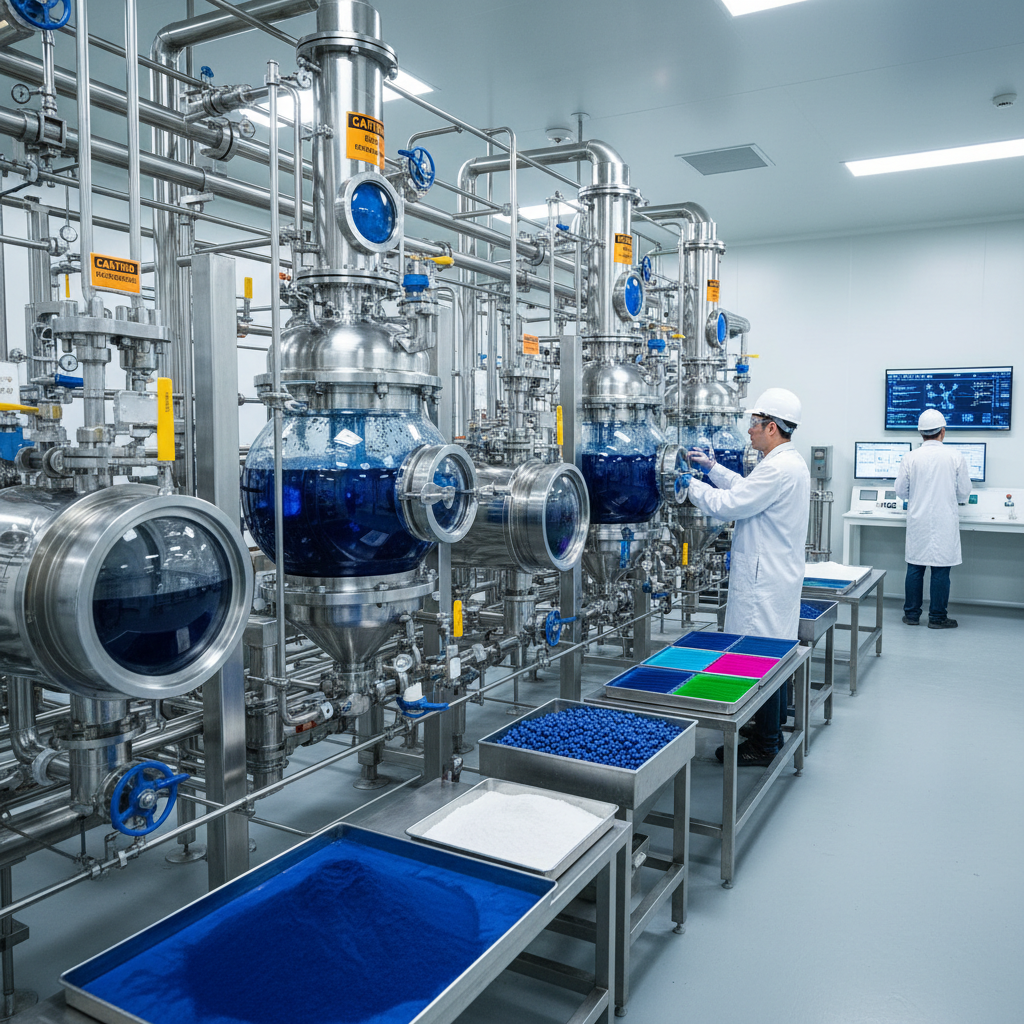
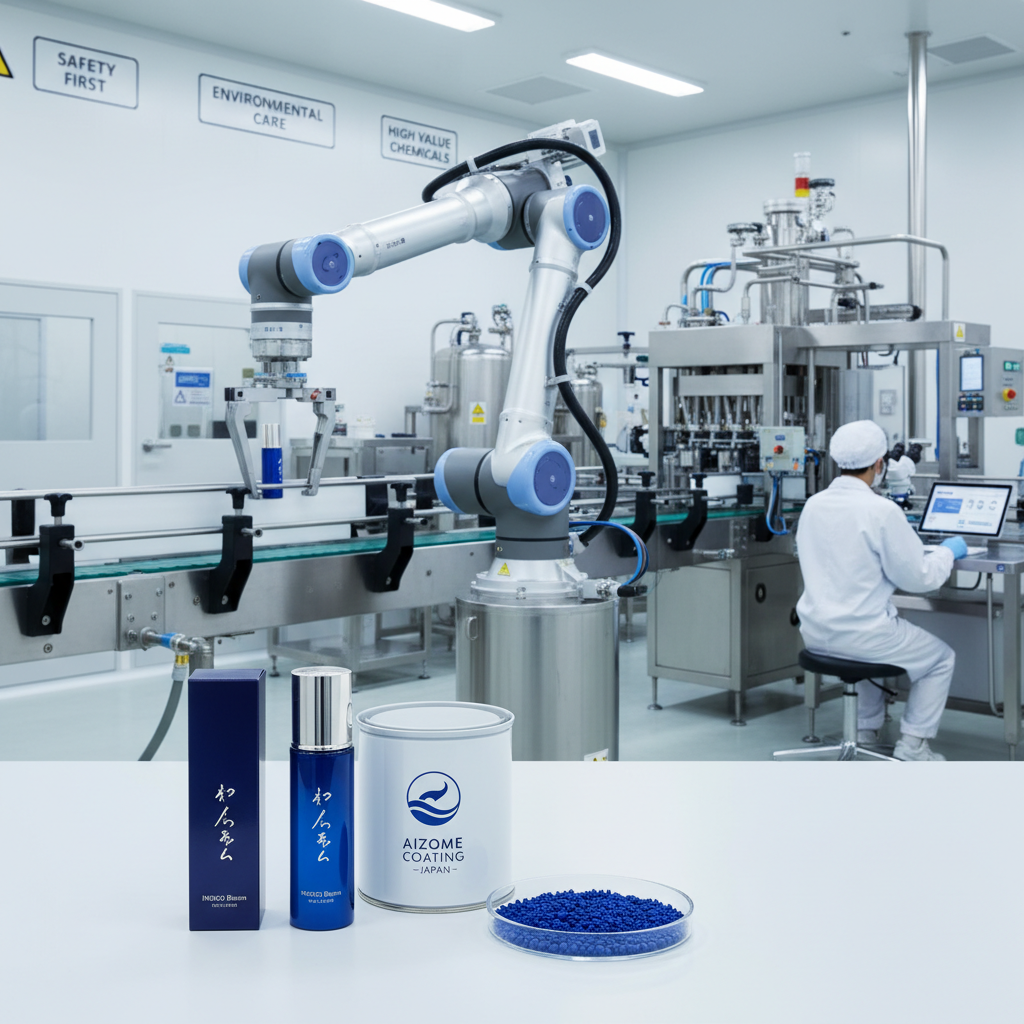
The art and science of indigo fabric dyeing represent one of the most enduring legacies in textile manufacturing, bridging the gap between ancient botanical traditions and modern chemical engineering. In today's global fashion landscape, this specialized process is the heartbeat of the denim industry, providing that iconic blue hue that symbolizes both rugged durability and timeless style. Understanding the nuances of vat dyeing and pigment application is essential for manufacturers striving to balance aesthetic appeal with industrial efficiency.
Globally, the demand for high-quality indigo applications continues to surge, driven by a shift toward premium, sustainable apparel. However, the industry faces significant pressure to evolve; traditional methods often involve harsh reducing agents and substantial water consumption. By mastering the chemistry of Indigo Blue and its derivatives, producers can achieve a more consistent color depth while reducing the environmental footprint of their production lines.
For professional textile engineers and brand owners, the key to success lies in the precise control of the dyeing cycle—from the initial reduction of the dye to the final oxidation process. Whether utilizing traditional vats or innovative pre-reduced forms, the goal remains the same: creating a fabric that ages gracefully, offering the unique "fade" that consumers cherish, while ensuring the structural integrity of the textile remains intact.
The Fundamentals of Indigo Chemistry
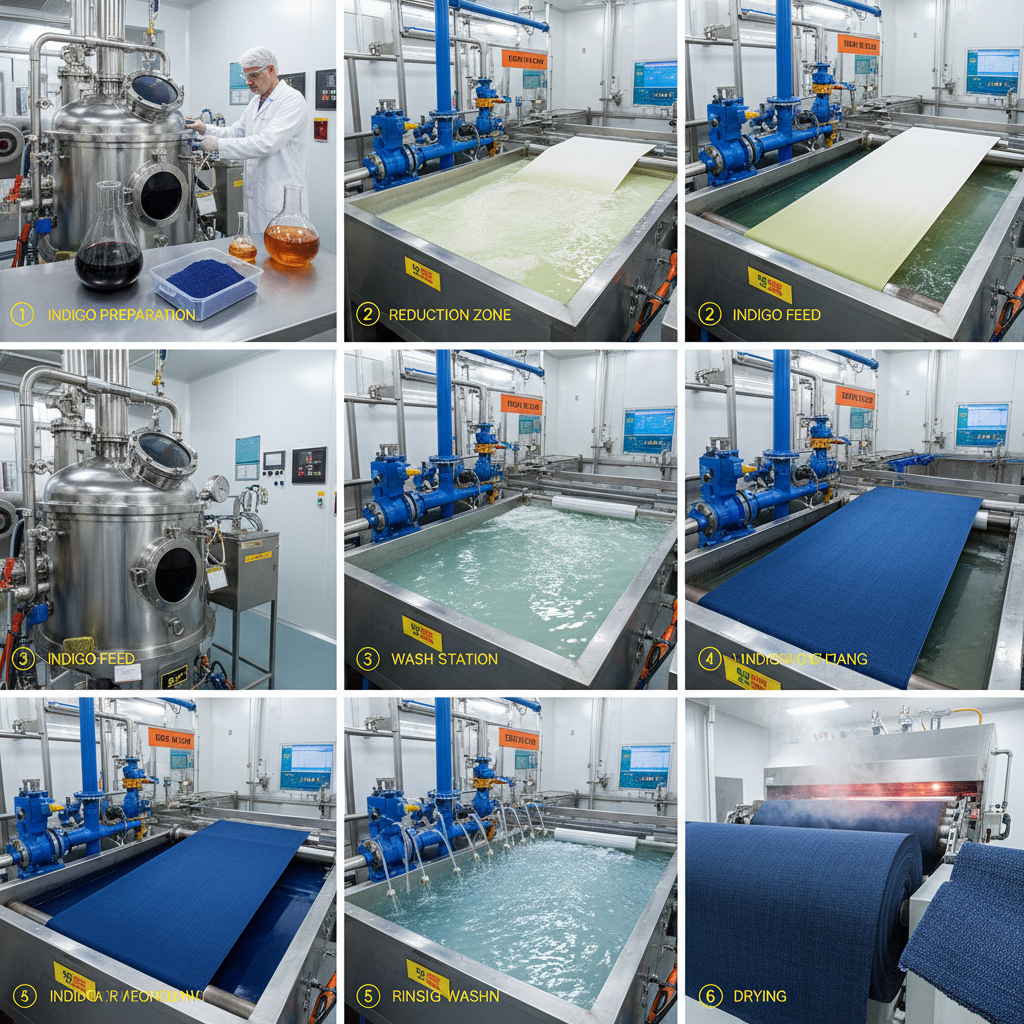
Unlike most dyes that bond directly to the fiber, indigo fabric dyeing relies on a unique process called "vat dyeing." Because indigo is insoluble in water, it must first be reduced to its soluble "leuco" form using a reducing agent—historically sodium hydrosulfite. Once the fabric is immersed in this colorless solution and then exposed to air, the indigo oxidizes, returning to its insoluble blue state and trapping the pigment on the surface of the yarn.
This ring-dyeing effect is what gives denim its characteristic look. Since the dye does not fully penetrate the core of the yarn, the fabric naturally wears down over time, revealing the white core. This chemical interplay between reduction and oxidation is the cornerstone of all professional indigo fabric dyeing, requiring strict pH control to maintain the stability of the dye bath.
Industrial Scaling and Production Efficiency
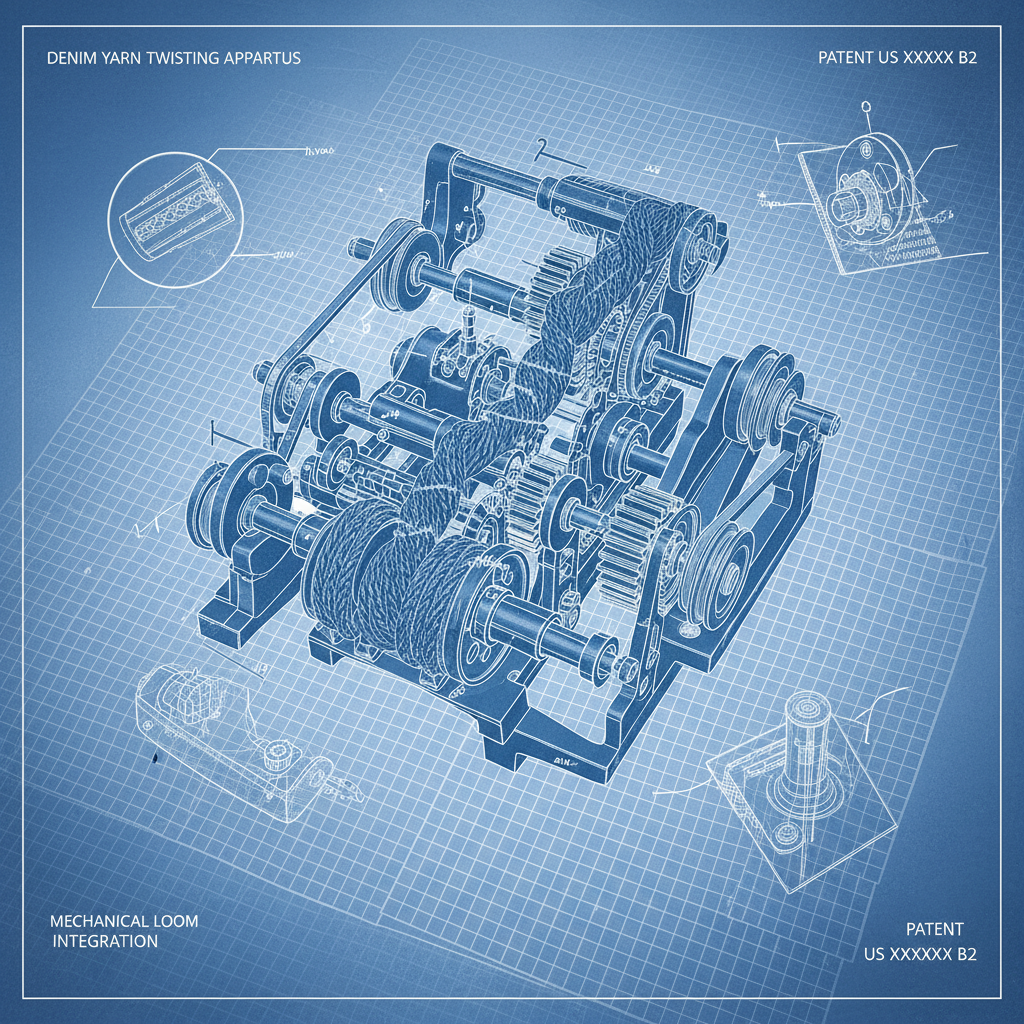
Scaling indigo fabric dyeing for mass production requires a transition from manual dipping to automated rope dyeing or slasher dyeing machines. Rope dyeing, the gold standard for high-end denim, allows for multiple dip cycles, ensuring a deep, rich saturation of Indigo Blue while maintaining the tension of the yarn. This automation minimizes human error and ensures that thousands of meters of fabric maintain a uniform shade.
Efficiency in a modern dye house is measured by the "right-first-time" rate. To achieve this, chemical engineers focus on the concentration of Bromo Indigo and other additives to optimize the affinity of the dye for the cotton fiber. By streamlining the reduction cycle and implementing heat recovery systems, factories can significantly lower the cost per meter without compromising the depth of the blue.
Furthermore, the integration of continuous dyeing systems has allowed the industry to meet the rapid demands of "fast fashion" while slowly integrating more controlled dosing systems. These systems precisely monitor the redox potential of the vat, ensuring that the indigo fabric dyeing process remains stable even during 24-hour production shifts.
Core Technical Parameters for Color Consistency
Achieving a consistent shade across different batches of indigo fabric dyeing depends heavily on the temperature and pH levels of the dye bath. Typically, a pH range of 11 to 13 is maintained to keep the leuco-indigo stable; any drop in alkalinity can lead to premature oxidation and "spotting," which ruins the fabric's uniformity.
The "dip count" is another critical identifier in indigo fabric dyeing. Rather than one long soak, fabric is passed through multiple vats (often 6 to 8) with oxidation periods in between. This layering technique creates a more durable color bond and is essential for producing the deep navy shades seen in premium raw denim.
Finally, the purity of the Indigo Blue powder used impacts the final brilliance. Impurities in the raw chemical can lead to muddy undertones. By using refined synthetic indigo and strictly monitoring the water hardness, manufacturers can ensure that the indigo fabric dyeing results in a vibrant, commercially viable product.
Comparative Analysis of Dyeing Methodologies
Different brands require different finishes, leading to various approaches in indigo fabric dyeing. Traditional rope dyeing offers superior depth and "ring" effects, whereas slasher dyeing is faster and more cost-effective for lighter washes. Each method affects how the fabric reacts to subsequent laundry treatments like stone-washing or enzyme-bleaching.
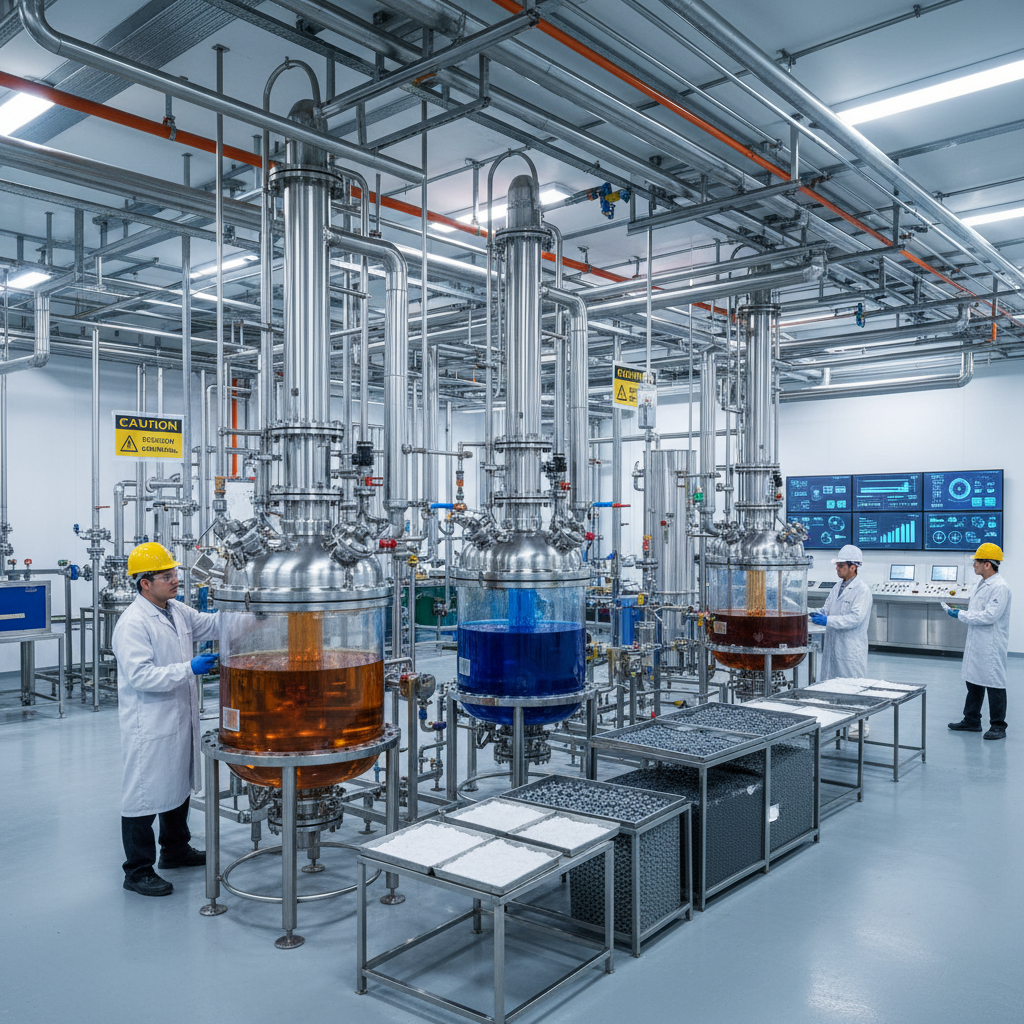
Modern innovations have also introduced "pre-reduced" indigo, which eliminates the need for hazardous reducing agents on-site. This not only simplifies the chemistry of indigo fabric dyeing but also significantly increases worker safety and reduces the toxicity of the effluent water.
Performance Metrics of Indigo Fabric Dyeing Methods
Global Market Applications and Use Cases
The application of indigo fabric dyeing extends far beyond standard jeans. In the luxury fashion sector of Europe and North America, there is a growing trend toward "Japanese-style" raw denim, which utilizes high-density indigo saturation and slow-oxidation techniques to create a textile that is almost black initially but fades into a spectrum of blue.
In emerging industrial zones across Asia, indigo fabric dyeing is being integrated into workwear and protective clothing. By combining Indigo Blue with Sulphur Black or other heavy-duty dyes, manufacturers create garments that are not only aesthetically pleasing but also highly resistant to wear and tear in harsh industrial environments.
Long-Term Value and Sustainability Benefits
The long-term value of investing in advanced indigo fabric dyeing lies in the transition toward circular fashion. Fabrics dyed with high-quality, pure indigo are more susceptible to controlled laser-fading and ozone-washing, which replace the toxic potassium permanganate and excessive water use typical of old-school distressing methods.
From a logical perspective, sustainability reduces regulatory risk. As the EU and USA tighten wastewater discharge laws, factories that utilize closed-loop indigo recovery systems avoid heavy fines and gain "green" certifications. This not only secures their operational future but also enhances brand trust among environmentally conscious consumers.
Emotionally, there is a profound dignity in the craftsmanship of indigo fabric dyeing. The ability to create a product that tells a story through its wear patterns creates a deep connection between the wearer and the garment, encouraging a "buy less, wear longer" mentality that is central to sustainable living.
Future Innovations in Synthetic Indigo
The future of indigo fabric dyeing is being reshaped by biotechnology. Scientists are currently developing bio-indigo—dye produced by engineered bacteria—which eliminates the need for petroleum-based precursors and caustic chemicals. This shift promises a future where the iconic blue of denim is as organic as the cotton it colors.
Digital transformation is also playing a role through the use of AI-driven dosing systems. These systems can predict the exact amount of Bromo Indigo and reducing agents needed based on the incoming yarn's moisture and quality, reducing waste by up to 15%. Automation is turning the "art" of dyeing into a precise, data-driven science.
Furthermore, the development of "waterless dyeing" using supercritical CO2 is an exciting frontier. While still in the pilot phase for indigo, this technology could potentially eliminate wastewater entirely, revolutionizing indigo fabric dyeing and making it the most eco-friendly process in the textile industry.
Comparative Analysis of Future Indigo Dyeing Technologies
| Technology Type |
Eco-Impact Score |
Cost Implementation |
Color Saturation |
| Bio-Indigo Bacteria |
9.5/10 |
High |
Medium-High |
| Pre-reduced Synthetic |
7.0/10 |
Medium |
High |
| CO2 Supercritical |
10/10 |
Very High |
Medium |
| Foam Dyeing |
8.5/10 |
Medium |
High |
| Laser-Integrated Dyeing |
8.0/10 |
High |
Customizable |
| Traditional Vat |
4.0/10 |
Low |
Very High |
FAQS
Rope dyeing involves twisting yarns into ropes and passing them through dye vats multiple times, resulting in a high-quality "ring" effect where the center of the yarn remains white. Slasher dyeing is a continuous process where the fabric is dyed as a flat sheet. While slasher dyeing is faster and cheaper, rope dyeing is preferred for premium denim because it allows for better depth of color and more authentic fading patterns.
Streaks and spotting are usually caused by inconsistent pH levels or improper oxidation. To prevent this, manufacturers must maintain a strict pH (typically 11-13) and ensure the fabric is evenly exposed to air between dips. Using high-purity Indigo Blue and maintaining a consistent dye bath temperature also reduces the risk of pigment agglomeration on the fabric surface.
Yes, pre-reduced indigo is significantly more eco-friendly. In traditional dyeing, large amounts of sodium hydrosulfite are used to reduce the indigo on-site, which leads to high sulfate loads in wastewater. Pre-reduced indigo is processed in a controlled factory environment, reducing the chemical load at the textile mill and minimizing the risk of hazardous spills during the dyeing process.
Indigo is a "vat dye" that sits on the surface of the fiber rather than penetrating the core. Because the bond is mechanical rather than purely chemical, the dye molecules are physically rubbed off during wear. This creates the unique "crocking" and fading that is specific to indigo fabric dyeing, which is why denim develops a personalized look over time.
Standard indigo is designed for cellulose fibers like cotton. Applying it to synthetics like polyester requires specialized additives or "modified indigo" dyes that can bond with polymer chains. Often, a blend of cotton and polyester is used, where only the cotton portion takes the indigo, creating a softer, more flexible fabric that still maintains the classic blue aesthetic.
Bromo Indigo and similar derivatives are used to modify the solubility and shade of the blue. They can help in achieving a more specific tint—ranging from a bright royal blue to a darker navy—and can improve the dye's affinity for the fiber, potentially reducing the number of dips required to reach the desired color depth.
Conclusion
The complexity of indigo fabric dyeing lies in its duality: it is both a rigid chemical process and a fluid art form. From the precision of pH monitoring and the strategic use of Indigo Blue to the implementation of sustainable pre-reduced systems, every step is vital in producing a fabric that meets global standards of quality and durability. By balancing industrial efficiency with environmental stewardship, manufacturers can continue to produce the timeless blue that defines modern apparel.
Looking forward, the industry must embrace bio-innovation and digital automation to remain competitive and ethical. The shift toward waterless dyeing and bio-synthetic pigments is not just a trend, but a necessity for the survival of the textile sector. For those seeking to lead in the denim market, the integration of high-performance chemistry and sustainable practice is the only path forward. Visit our website: www.wuxin-group.com