The global textile industry has long been defined by the deep, resonant hues of fabric dye indigo, a pigment that transcends simple aesthetics to become a symbol of durability and timeless style. From the rugged utility of denim to the refined elegance of high-fashion garments, the chemistry behind this specific blue pigment allows for a unique interaction with cotton fibers, creating a surface-level bond that ages gracefully over time. Understanding the technical nuances of indigo dyeing is essential for manufacturers seeking to balance traditional appeal with modern efficiency.
In today's competitive manufacturing landscape, the shift toward sustainable chemical processes has placed fabric dye indigo under the spotlight. Historically, the reduction process required heavy chemical loads, but contemporary innovations in organic synthesis and electrochemical reduction are redefining how we achieve the perfect shade. This evolution is not merely about color; it is about reducing the environmental footprint of one of the world's most consumed dyes while maintaining the high colorfastness and consistency demanded by international brands.
By mastering the application of Indigo Blue, Bromo Indigo, and Sulphur Black, textile producers can unlock a wide spectrum of depths and tones that cater to diverse market segments. Whether the goal is a vintage "stone-washed" look or a deep, midnight saturation, the choice of dye and the precision of the vat process are paramount. This guide explores the intricate balance of chemistry, application, and innovation that makes this pigment an indispensable asset in the global chemical and textile trade.
Global Industry Context of Fabric Dye Indigo
The global demand for fabric dye indigo remains staggering, driven primarily by the omnipresence of denim in global fashion. According to industry trade data, the indigo dyes market continues to grow as emerging economies in Asia and Africa expand their textile manufacturing capabilities. However, this growth comes with the challenge of adhering to ISO standards regarding wastewater management and chemical runoff, forcing a pivot from traditional sodium hydrosulfite reduction to more ecological alternatives.
The tension between high-volume production and environmental stewardship is the defining conflict of the current era. Many manufacturers are now integrating closed-loop systems to recover unused pigment, reducing waste and lowering the cost per kilogram of dyed fabric. This transition is not just a regulatory requirement but a strategic move to align with the ESG (Environmental, Social, and Governance) goals of global retailers who are increasingly auditing their supply chains for chemical safety.
Defining Fabric Dye Indigo in Modern Manufacturing
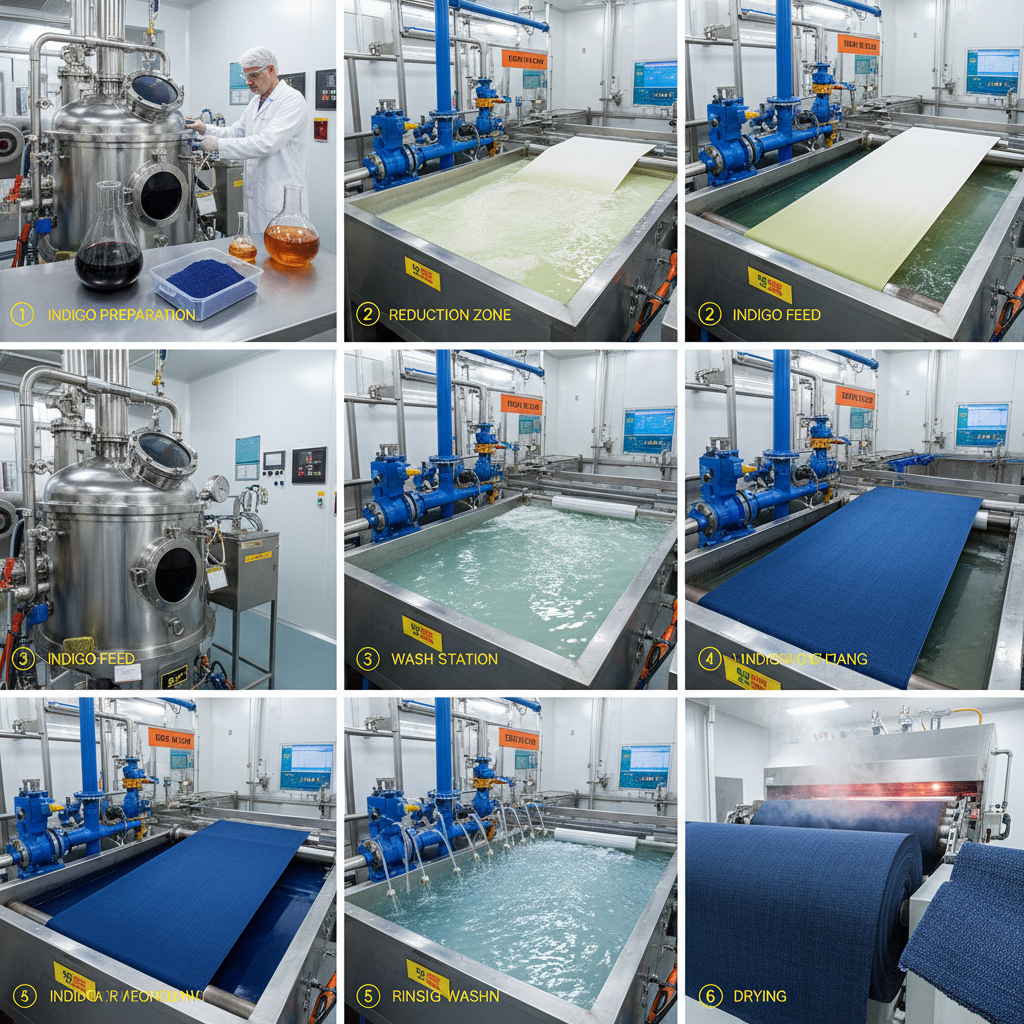
In technical terms, fabric dye indigo refers to a class of vat dyes that are insoluble in water in their oxidized form. To make them applicable to fabric, they must undergo a chemical reduction process—converting the indigo into its soluble "leuco" form. Once the fabric is submerged and the leuco-indigo penetrates the fibers, exposure to oxygen re-oxidizes the dye, locking the pigment into the yarn. This unique mechanism is what gives indigo its characteristic "ring dyeing" effect, where the core of the yarn remains white.
Beyond the chemistry, this dye represents a bridge between artisanal heritage and industrial scale. While the molecular structure of synthetic indigo is nearly identical to its natural counterpart, the manufacturing process has been optimized for purity and consistency. This ensures that a mill in Vietnam and a boutique in Italy can achieve the exact same shade of blue, provided the vat parameters are controlled with precision.
Modern industry now classifies these dyes into various grades, such as Indigo Blue for standard denim, Bromo Indigo for specific tonal variations, and complementary dyes like Sulphur Black to provide the deep contrast necessary for dark-wash aesthetics. The versatility of these chemical agents allows designers to manipulate the fabric's appearance through subsequent washing and abrasion, making the dye a critical component of the garment's final design.
Key Technical Factors for Indigo Application
One of the most critical factors in the success of fabric dye indigo application is the redox potential of the dye vat. If the reduction is insufficient, the dye will not penetrate the fiber deeply enough, leading to poor rub-fastness and premature fading. Conversely, over-reduction can lead to chemical instability and uneven color distribution across the fabric roll.
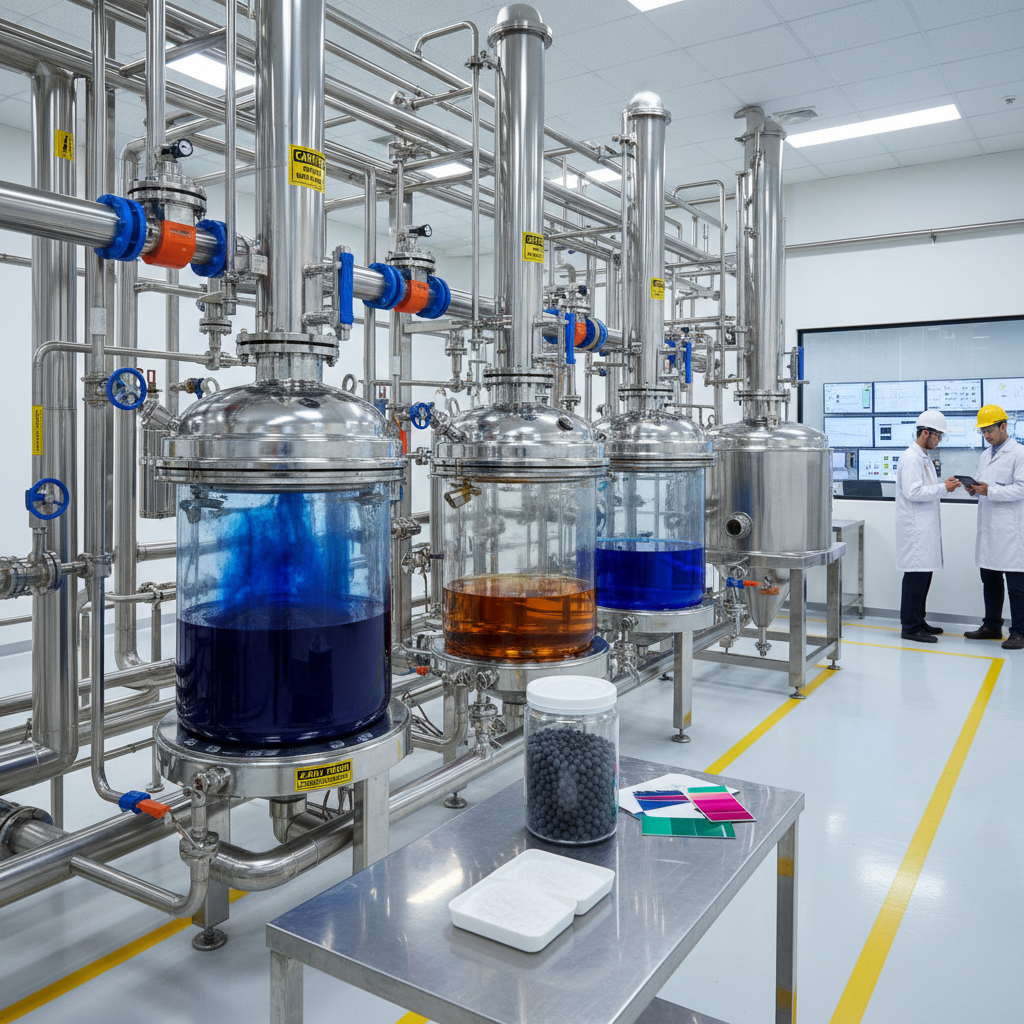
Scalability and consistency are the hallmarks of professional-grade fabric dye indigo. In large-scale continuous dyeing ranges, maintaining a constant pH level and temperature is vital. Even a minor fluctuation in the caustic soda concentration can shift the hue from a bright royal blue to a muddy navy, resulting in costly batch rejects in high-volume production environments.
Finally, the synergy between the dye and the substrate material—typically cotton or cotton-blend polymers—determines the final hand-feel and durability. The use of high-quality Bromo Indigo or Sulphur Black as modifiers allows for a broader range of saturation levels. Proper rinsing and fixation processes ensure that the dye remains stable during the consumer's laundry cycle while allowing for the desired "fade" that denim enthusiasts crave.
Global Applications and Use Cases
The application of fabric dye indigo extends far beyond the standard pair of blue jeans. In the workwear sector, where durability and soil-masking are priorities, indigo-dyed heavy canvases are used for protective gear in industrial zones across North America and Europe. The inherent strength of the vat-dye bond makes these fabrics resistant to the harsh mechanical wear associated with construction and mining.
In luxury fashion hubs like Milan and Paris, the focus shifts toward "raw" or "selvedge" indigo applications. Here, the dye is applied in multiple dip-cycles to create an intense surface saturation that allows for high-contrast fading. This niche market values the chemical purity of the dye, as any impurities can lead to streaking or spotting, which would render the expensive fabric unusable for haute couture.
Comparative Performance of Indigo Dyeing Methods
Advantages and Long-Term Commercial Value
The primary commercial advantage of using fabric dye indigo lies in its psychological and emotional connection with the consumer. Unlike other pigments that simply wear out, indigo "evolves." This characteristic of gradual fading creates a personalized garment, increasing the perceived value and longevity of the product. For brands, this translates to higher customer loyalty and the ability to command premium pricing for "heritage" lines.
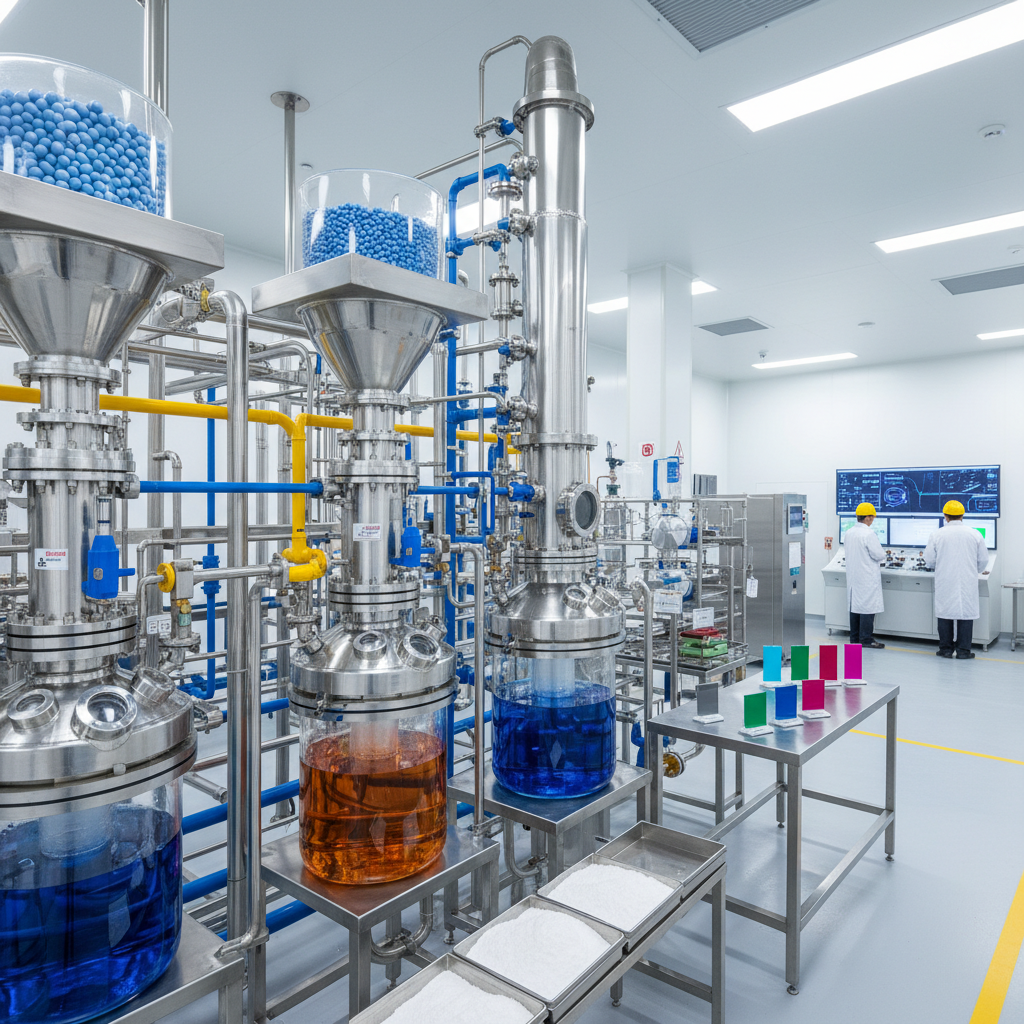
From a logical operational standpoint, the high stability of modern Indigo Blue and Sulphur Black formulations reduces the risk of batch inconsistency. When paired with automated dosing systems, manufacturers can achieve a level of reproducibility that was impossible a decade ago. This reliability lowers waste and ensures that international shipping orders are met with exact color matches, safeguarding the reputation of the supplier in the global market.
Future Trends and Sustainable Innovations
The future of fabric dye indigo is inextricably linked to "Green Chemistry." We are seeing a rapid rise in bio-synthetic indigo, produced via fermentation using engineered microbes rather than petroleum-based precursors. This shift not only reduces the carbon footprint but also eliminates the need for harsh reducing agents, making the dyeing process safer for factory workers and local ecosystems.
Digital transformation is also playing a role through the introduction of "digital indigo" printing. Instead of immersing whole rolls of fabric in vats, precision inkjet technology applies the pigment only where needed. While this is currently used mostly for aesthetic effects, the integration of these systems with traditional dyeing is creating a hybrid approach that drastically cuts water consumption—often by up to 90%.
Furthermore, the industry is exploring "smart dyes" that can change hue based on temperature or UV exposure, expanding the utility of indigo from mere fashion to functional textiles. As automation and AI-driven color matching become standard, the precision of Indigo Blue application will reach a point where human error is virtually eliminated, allowing for hyper-customized fabric production at scale.
Overcoming Challenges in Indigo Dyeing
Despite its popularity, the application of fabric dye indigo faces significant hurdles, primarily related to effluent treatment. The high alkalinity and presence of reducing agents in the wastewater can disrupt local aquatic life if not treated. The solution lies in the adoption of advanced oxidation processes (AOPs) and membrane bioreactors that can neutralize the wastewater before it leaves the facility.
Another common challenge is the "crocking" effect—the tendency of the dye to rub off on other surfaces. While this is a desired trait for some denim styles, it is a defect in high-end apparel. Expert insights suggest a dual-fixation approach: utilizing a combination of Bromo Indigo for depth and a specialized post-dyeing resin treatment to lock the pigment more securely without sacrificing the fabric's natural breathability.
Lastly, the volatility of raw material costs can impact the bottom line of small to medium enterprises. By forming strategic partnerships with integrated chemical manufacturers like those providing Indigo Blue and Sulphur Black in bulk, producers can stabilize their costs. Moving toward a "just-in-time" inventory system for dye chemicals also prevents the degradation of pre-reduced indigo, ensuring maximum potency and efficiency during the dyeing cycle.
Analysis of Indigo Dyeing Technical Specifications and Performance
| Dye Variant |
Color Fastness (1-10) |
Environmental Impact |
Market Application |
| Standard Indigo Blue |
7 |
Moderate |
Mass Market Denim |
| Bromo Indigo |
8 |
Low-Moderate |
Premium Fashion |
| Sulphur Black |
9 |
Moderate-High |
Workwear & Dark Wash |
| Pre-reduced Indigo |
8 |
Low |
Eco-conscious Mills |
| Bio-Synthetic Indigo |
7 |
Very Low |
Sustainable Luxury |
| Hybrid Indigo-Sulphur |
9 |
Moderate |
Industrial Uniforms |
FAQS
Unlike reactive or acid dyes that bond chemically to the fiber, fabric dye indigo is a vat dye. It sits primarily on the surface of the yarn, which is why it can be worn away over time to create a unique faded look. This "ring dyeing" process is unique to indigo and is the reason why denim evolves its appearance through use, whereas other dyes simply fade uniformly.
To reduce bleeding, it is essential to ensure the oxidation process is complete during manufacturing. For the end-user, washing the garment in cold water with a pH-neutral detergent and using a salt-fixation bath during the first wash can help. In industrial settings, applying a light resin finish or using higher-grade Bromo Indigo can improve the rub-fastness and reduce pigment transfer.
Yes, modern synthetic fabric dye indigo is chemically nearly identical to natural indigo and often more durable due to the absence of organic impurities. Synthetic versions provide the consistency and purity required for large-scale manufacturing, ensuring that the color depth and wash-fastness remain stable across thousands of meters of fabric.
Sulphur Black is often used as a complementary dye to create "over-dyed" or deep navy and black denim. Because indigo alone can sometimes appear too bright, adding Sulphur Black provides a muted, sophisticated depth. This combination is highly valued in workwear and high-fashion dark denim for its superior opacity and professional appearance.
Pre-reduced fabric dye indigo eliminates the need for textile mills to use large quantities of sodium hydrosulfite on-site. This reduces the chemical load in the wastewater and minimizes the risk of hazardous chemical handling in the factory, leading to a safer environment for workers and a smaller ecological footprint.
While indigo is optimized for cellulose fibers like cotton and linen, it can be used on synthetic blends if the fiber is treated or if a hybrid dyeing process is employed. However, since indigo does not bond chemically with polyester, the result is often a lighter shade or requires the use of specialized carriers to ensure the pigment adheres to the synthetic component.
Conclusion
The strategic application of fabric dye indigo remains a cornerstone of the global textile industry, blending a rich historical legacy with cutting-edge chemical engineering. By balancing the use of Indigo Blue, Bromo Indigo, and Sulphur Black, manufacturers can achieve an unparalleled range of aesthetics while meeting the rigorous demands of durability and consistency. The shift toward sustainable, bio-synthetic, and pre-reduced options demonstrates that the industry is not only maintaining its tradition but is actively evolving to protect the planet.
Looking forward, the integration of digital printing and green chemistry will likely redefine the "indigo experience," making the process more efficient and less wasteful. For textile producers and fashion brands, the key to long-term success lies in adopting these innovations while maintaining the soulful, evolving nature of the indigo hue. We encourage you to explore the highest standards of pigment quality and sustainable dyeing solutions to elevate your product line. Visit our website: www.wuxin-group.com