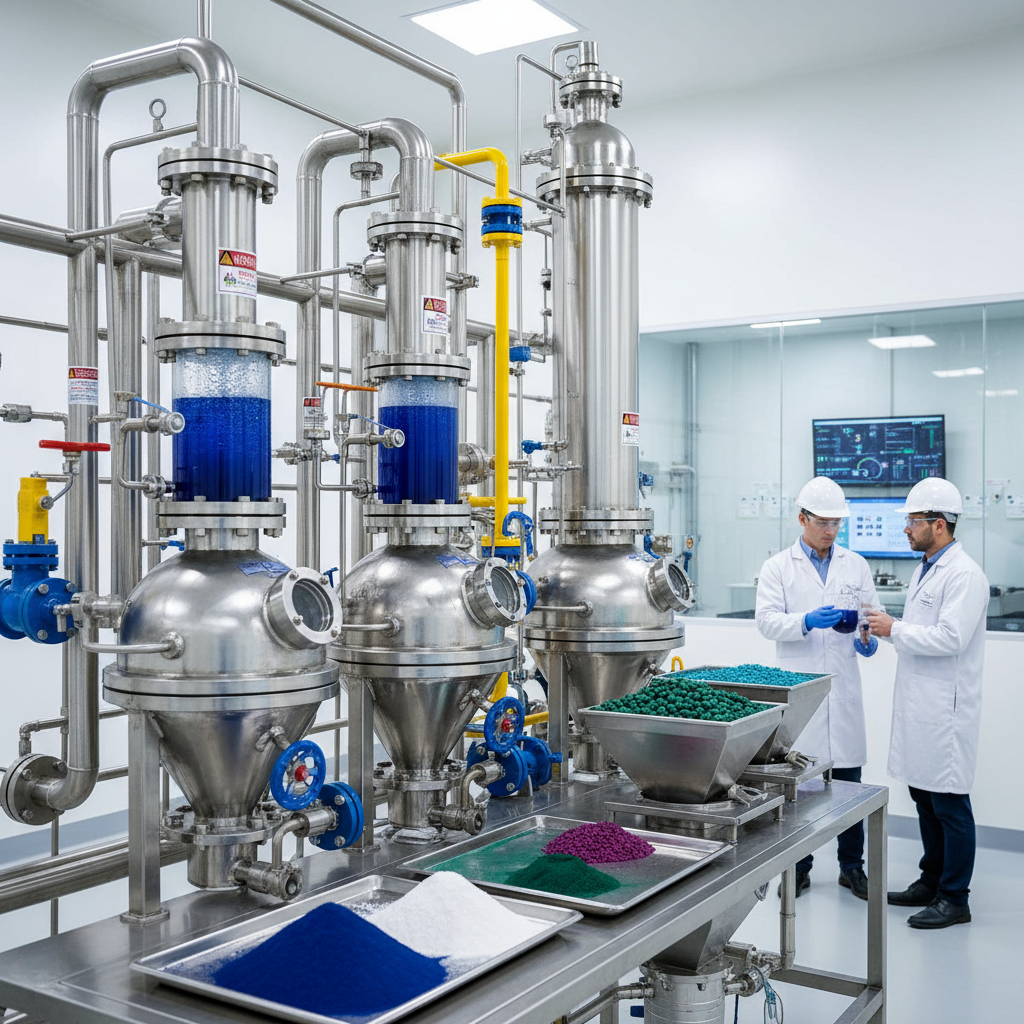
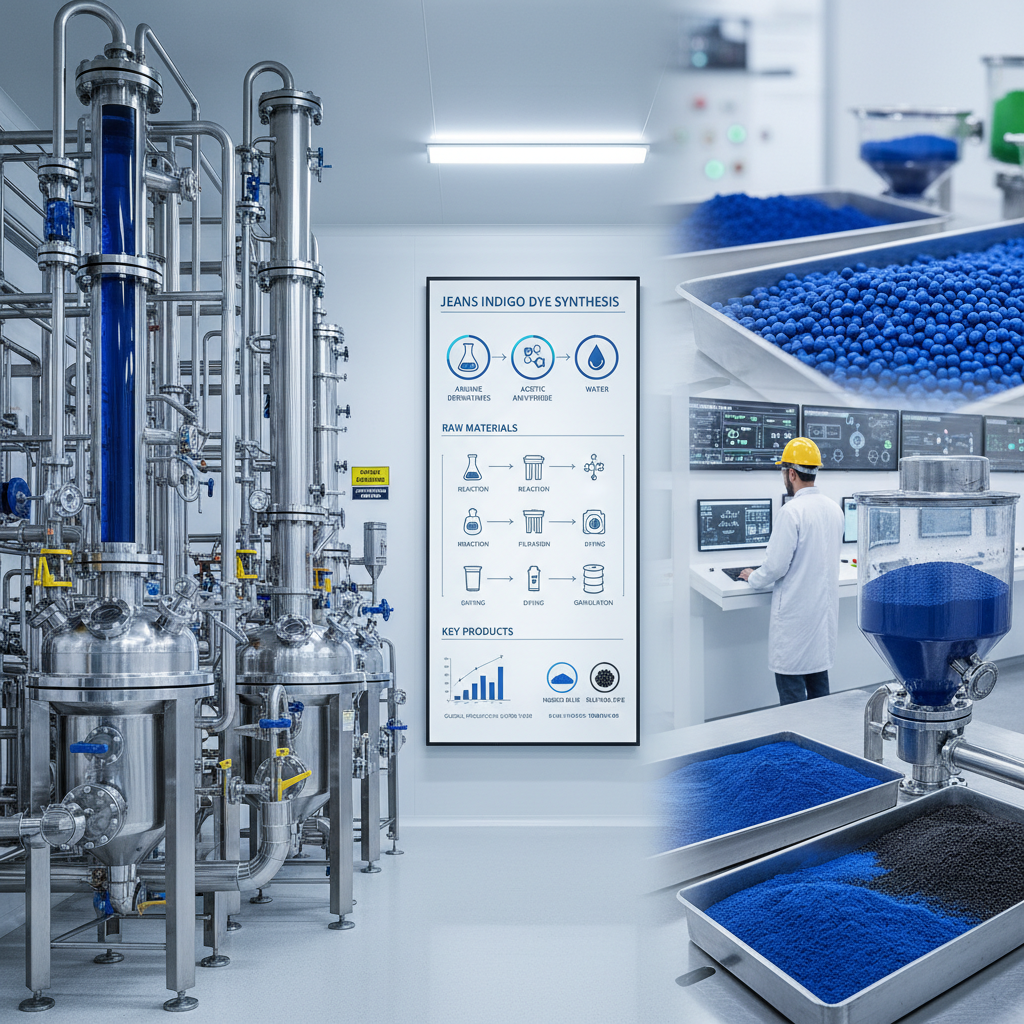
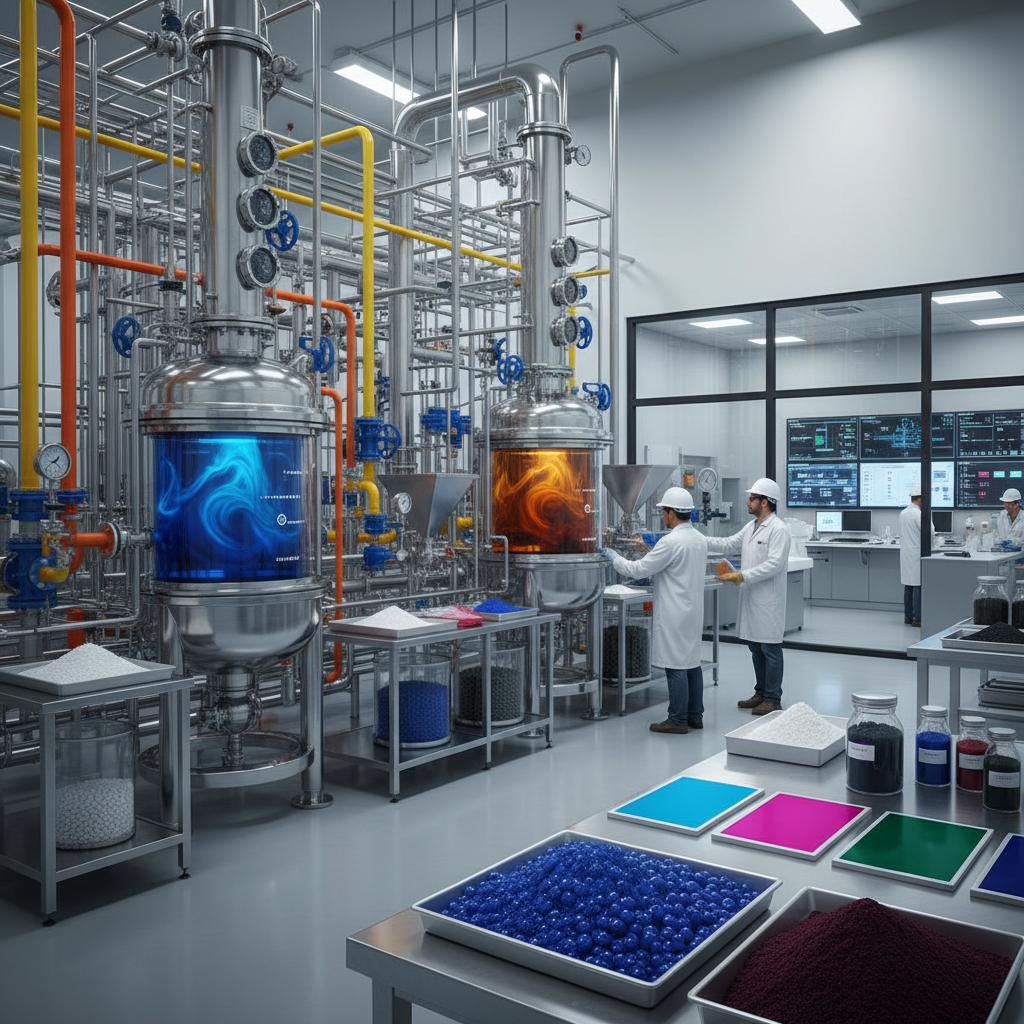
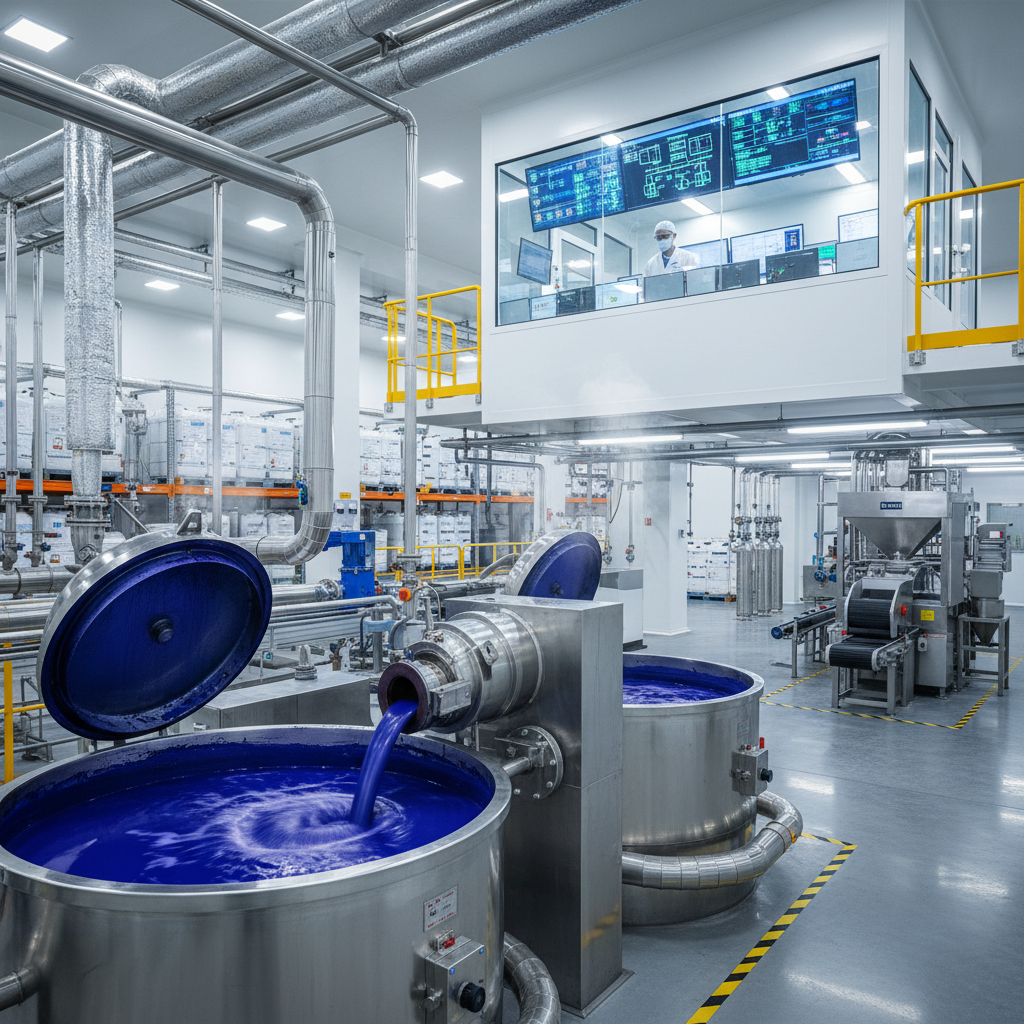
The global denim industry relies heavily on the precision and chemistry of jeans indigo dye to create the iconic blue hue that defines modern fashion. From the deep midnight shades of raw denim to the lived-in look of vintage washes, the science of vat dyeing is what allows fabric to maintain its character while evolving with the wearer. Understanding the nuances of this pigment is essential for manufacturers aiming to balance aesthetic appeal with industrial efficiency.
Across the global supply chain, the demand for high-quality jeans indigo dye has shifted toward a dual focus on consistency and sustainability. As consumer preferences lean toward eco-friendly textiles, the chemical industry is innovating to reduce the environmental footprint of the reduction process, which traditionally required harsh reducing agents. This evolution ensures that the timeless appeal of blue jeans remains viable in a circular economy.
For textile engineers and brand owners, mastering the application of indigo is not merely about color; it is about controlling the ring-dyeing effect. This unique property, where the dye sits primarily on the surface of the yarn, is what enables the characteristic fading and "whiskering" that denim enthusiasts crave. By optimizing the chemistry of the dye bath, producers can achieve unparalleled depth and durability in every yard of fabric.
The Chemistry and Mechanics of Jeans Indigo Dye
At its core, jeans indigo dye is a vat dye, meaning it is insoluble in water and must undergo a chemical reduction to become soluble. This process, known as "reducing," transforms the indigo into its colorless leuco form, allowing it to penetrate the cotton fibers. Once the fabric is removed from the dye bath and exposed to oxygen, the leuco-indigo oxidizes, returning to its insoluble blue state and trapping the pigment within the yarn structure.
This unique oxidative process is what gives denim its "ring-dyed" characteristic. Unlike sulfur dyes that penetrate the core of the fiber, indigo primarily coats the outside. This creates a high-contrast effect when the fabric is abraded during wear, as the white core of the yarn is revealed, providing the authentic vintage look that defines the global jeans market.
Global Industrial Standards for Indigo Application
The industrial application of jeans indigo dye is governed by strict quality standards to ensure batch-to-batch consistency. Global manufacturers adhere to ISO standards and OEKO-TEX certifications to guarantee that the chemicals used in the reduction process—such as sodium hydrosulfite—are managed safely and that the final textile is free from harmful residues.
In major textile hubs across Asia and Europe, the challenge lies in managing the "dip" cycle. Because indigo requires multiple immersions to build depth, the timing and concentration of the dye liquor must be monitored with extreme precision. Any fluctuation in the pH levels or temperature of the vat can lead to uneven coloring, resulting in costly fabric rejects and material waste.
Furthermore, the integration of automated dosing systems has revolutionized how industries handle jeans indigo dye. By utilizing real-time sensors to track indigo concentrations, mills can maintain a stable shade across thousands of meters of denim, meeting the rigorous specifications of international fashion brands that demand absolute uniformity in their bulk orders.
Key Factors for Achieving Perfect Shade Consistency
To achieve a premium finish, the purity of the jeans indigo dye powder is the first critical factor. Impurities in the raw pigment can cause spotting or "streaking" on the fabric, which diminishes the commercial value of the denim. High-grade synthetic indigo ensures a smooth, homogenous dispersion in the vat.
Control of the reduction-oxidation (redox) potential is the second pillar of quality. If the jeans indigo dye is not fully reduced, the color will be pale and lack adherence; conversely, over-reduction can lead to excessive dye waste. Maintaining a precise chemical balance is essential for maximizing the dye's affinity for the cellulose fiber.
Lastly, the tension and speed of the yarn during the dyeing process play a pivotal role. If the yarn moves too quickly through the jeans indigo dye baths, it will not absorb enough pigment, leading to "light" spots. Consistent tension ensures that the dye is applied evenly across the warp threads, providing a professional, high-end aesthetic.
Performance Comparison of Indigo Dyeing Methods
Different methodologies for applying jeans indigo dye yield vastly different results in terms of cost, environmental impact, and visual depth. Traditional rope dyeing remains the gold standard for high-end denim due to its superior ring-dyeing effect, while slurry dyeing offers a faster, more cost-effective alternative for mass-market fast fashion.
Modern innovations have introduced foam dyeing and pre-reduced liquid indigo, which drastically reduce water consumption and chemical waste. These methods allow for a more controlled application of the pigment, ensuring that the jeans indigo dye is utilized with maximum efficiency, reducing the overall cost per meter of fabric produced.
Comparison of Jeans Indigo Dye Application Efficiency
Real-World Applications in Denim Manufacturing
In the heart of denim production zones, from Xintang in China to mills in Turkey, jeans indigo dye is applied in massive industrial vats. The primary application is the warp-dyeing of cotton yarns, which are then woven with undyed weft yarns to create the characteristic "blue outside, white inside" structure of denim fabric.
Beyond standard jeans, this dye is increasingly used in "indigo-inspired" apparel, such as chore coats and heavy-duty workwear. By adjusting the concentration of the jeans indigo dye and the number of dip cycles, manufacturers can create everything from a light "sky blue" to a deep "ink blue," catering to diverse fashion seasonal trends across the globe.
Sustainability and Eco-Friendly Innovations in Dyeing
The environmental challenge associated with jeans indigo dye primarily stems from the reducing agents used to make the dye soluble. Traditionally, sodium hydrosulfite was used, which released sulfates into wastewater. To combat this, the industry is pivoting toward electrochemical reduction, which uses electricity instead of chemicals to activate the dye, significantly reducing water pollution.
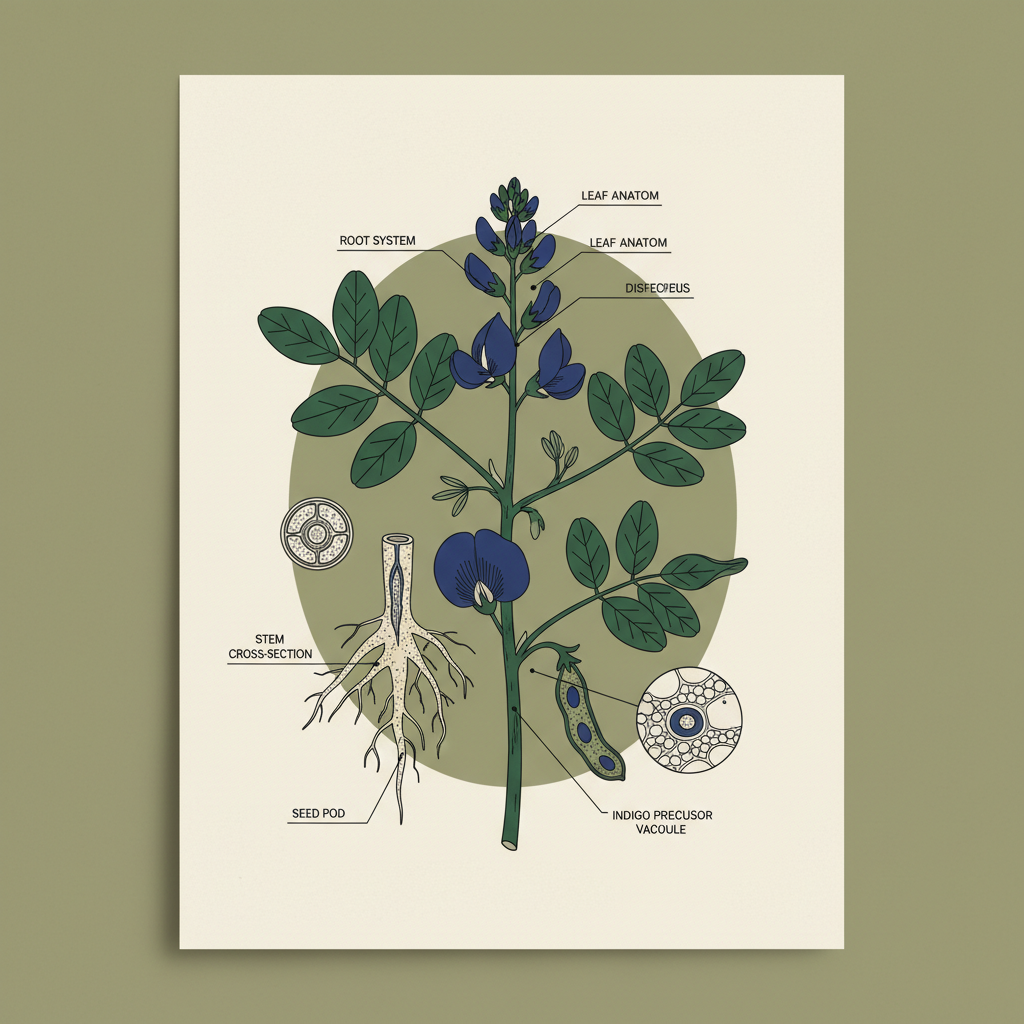
Another breakthrough is the development of bio-indigo, derived from plants or engineered microorganisms through fermentation. This shift reduces the reliance on petrochemical precursors, making the production of jeans indigo dye more aligned with organic farming and green chemistry principles, appealing to the growing demographic of conscious consumers.
Furthermore, "waterless" dyeing technologies are emerging. By using supercritical CO2 as a solvent instead of water, the jeans indigo dye can be applied with near-zero water waste. While still in the scaling phase, this innovation represents the future of textile manufacturing, ensuring that fashion does not come at the cost of the planet's water resources.
Future Trends in Synthetic Indigo Production
The future of jeans indigo dye lies in the integration of digital precision and biotechnology. We are seeing a move toward "smart vats" that use AI to predict dye exhaustion rates and automatically adjust chemical inputs, ensuring that no pigment is wasted and every yard of fabric is perfectly shaded.
We also anticipate the rise of hybrid dyes, where indigo is blended with organic pigments to create "new blues" that offer the fading properties of indigo but with the wash-fastness of modern reactive dyes. This will allow brands to offer jeans indigo dye aesthetics with reduced bleeding, solving a common consumer pain point.
Ultimately, the transition toward a circular economy will drive the development of "recyclable indigo." Researchers are exploring ways to strip indigo from old denim and repurpose it for new garments, turning the jeans indigo dye lifecycle from a linear "take-make-waste" model into a closed loop.
Analysis of Modern Indigo Dyeing Technologies and Impacts
|
Technology Type
|
Color Depth (1-10)
|
Water Usage Index
|
Eco-Friendliness
|
| Traditional Rope Dye |
10 |
High |
Low |
| Slasher Dyeing |
7 |
Medium |
Medium |
| Foam Indigo Tech |
8 |
Low |
High |
| Pre-reduced Liquid |
9 |
Medium |
Medium |
| Electrochemical Dye |
9 |
Low |
Very High |
| Bio-Synthetic Indigo |
8 |
Low |
Highest |
FAQS
Unlike typical dyes that bond permanently to the fiber core, jeans indigo dye is a vat dye that adheres primarily to the surface of the yarn. This unique property allows the color to wear away over time through friction, creating the characteristic fading and "distressed" look that is central to denim fashion. This process is known as ring-dyeing, which is not found in standard textile dyeing.
The depth of the shade is controlled by the number of times the yarn is dipped into the indigo vat and the concentration of the dye liquor. For a light wash, fewer dips are used; for a deep, raw indigo look, the yarn may undergo 6 to 10 dip cycles. Each dip adds a layer of pigment, which is then oxidized in the air before the next immersion.
Traditionally, the process was chemically intensive due to the use of sodium hydrosulfite for reduction. However, the industry is rapidly evolving. New "green" methods, such as electrochemical reduction and bio-indigo, significantly reduce the toxic runoff and water consumption, making modern indigo production much more sustainable than it was a decade ago.
While indigo has a natural affinity for cellulose fibers like cotton and linen, it can be applied to synthetic blends. However, synthetic fibers like polyester require specialized chemical carriers or modified indigo formulations to achieve a similar level of adherence and the desired fading characteristics typical of 100% cotton denim.
Bleeding occurs because indigo does not form a chemical bond with the fiber; it is physically trapped within the yarn. Since it sits on the surface, some pigment particles are not fully locked in and can be released during the first few washes. This is actually a desired trait for some denim purists who enjoy customizing their jeans' fade patterns.
Consistency is maintained through automated dosing systems and constant monitoring of the vat's pH and redox potential. By using standardized synthetic indigo and calibrated dip cycles, mills can ensure that thousands of meters of fabric maintain a uniform color, preventing "shading" issues that can ruin a garment's appearance.
Conclusion
In summary, jeans indigo dye is far more than a simple pigment; it is the chemical engine that drives the global denim industry. From the intricate mechanics of vat reduction to the strategic control of ring-dyeing, the ability to manipulate indigo allows manufacturers to blend artistry with industrial scale. By balancing shade consistency with innovative application methods, the industry continues to deliver the timeless aesthetic that defines a global wardrobe.
Looking forward, the shift toward sustainable, bio-based, and waterless dyeing technologies will redefine the legacy of blue jeans. As the world moves toward a circular economy, the integration of green chemistry and AI-driven precision will ensure that the beauty of indigo is preserved without compromising ecological integrity. For those seeking the highest quality and most innovative dyeing solutions, the path forward is clear: embrace sustainability and precision. Visit our website: www.wuxin-group.com