

ODM Dye for Indigo: Sustainable & Custom Textile Solutions
Understanding ODM Dye for Indigo: A Key to Sustainable Textile Innovation
Indigo dye has been a cornerstone of textile coloration for centuries, admired for its rich hues and iconic look, especially in denim. Yet, behind that vibrancy lies a complex process involving sourcing, quality, and sustainability. Enter ODM dye for indigo. From a simple product descriptor, this phrase points to an entire niche of custom manufacturing where Original Design Manufacturers (ODM) deliver specialized indigo dyes tailored to client specs. This customization is vital worldwide—helping brands meet demand while reducing environmental impact and improving supply chain agility.
Why does this matter globally? The fashion and textile industry consumes millions of kilograms of dyes annually, with indigo representing a significant chunk due to denim's immense popularity. According to the Textile Exchange (2023), sustainable dyeing practices can reduce water usage by up to 90%, and ODM providers specializing in indigo dyes are at the forefront of this transition. So understanding how odm dye for indigo works opens doors to greener production and innovation that’s crucial for meeting international environmental goals.
Global Context: Why is ODM Indigo Dye Important?
Consider that the global textile dye market is forecasted to grow beyond $17 billion by 2027 (Grand View Research, 2022). Within this vast arena, ODM services enable brands to tap into ready-made technical expertise, reducing lead times and costs. Particularly in Asia—the hub for textile manufacturing—ODM manufacturers of indigo dyes are scaling innovation to improve performance and sustainability. Yet there are challenges: traditional indigo dyeing is water- and chemical-intensive, causing pollution. Here, ODM companies offer tailored, eco-friendlier formulations that meet ISO environmental standards, pushing the industry closer to the UN Sustainable Development Goals.
Mini takeaway: ODM dye for indigo is more than a product; it’s a catalyst in the global effort to make denim production cleaner, faster, and smarter.
What Exactly is ODM Dye for Indigo?
ODM stands for Original Design Manufacturer, meaning companies that research, design, and produce products according to clients' unique needs. When applied to indigo dye, ODM dye for indigo refers to custom-tailored indigo dye formulations created by these manufacturers specifically for brands or suppliers.
This moves beyond off-the-shelf indigo to personalized blends engineered for durability, colorfastness, or environmental profile. For example, some ODM providers focus on liquid indigo solutions optimized for low-water denim finishing machines, while others provide powder forms suitable for artisanal dyeing. This adaptability aligns with broader industrial demands—from fast fashion to artisanal producers—and humanitarian uses where consistent quality and rapid supply chain responsiveness matter.
Core Components That Define Quality ODM Indigo Dyes
1. Purity and Color Strength
Indigo dyes are measured by how rich and stable their color is after repeated washes. ODM providers often tweak processes to increase purity, reducing impurities that cause color fading. Brands rely on this to meet consumer expectations for the perfect indigo blue.
2. Environmental Sustainability
ODM firms are innovating eco-friendly indigos using fermentation-based synthesis or leveraging renewable materials. Low-impact formulas that consume less water and energy are now the industry norm.
3. Scalability and Batch Consistency
ODM manufacturers must ensure their dye can be produced in bulk without losing quality—a big deal when serving large apparel brands with tight deadlines.
4. Application Versatility
Whether for rope dyeing, pad-dry, spray, or rope-in-tube methods, ODM indigo dyes come customized for the intended textile process, improving efficiency and end results.
5. Cost Efficiency
ODM’s economies of scale often translate to competitive pricing without sacrificing innovation or quality, crucial for companies balancing sustainability with profitability.
| Specification | Typical Range | Industry Standard |
|---|---|---|
| Color Strength (K/S Value) | 14-18 | ≥15 |
| Purity (%) | > 90% | > 85% |
| Eco Certification | OEKO-TEX, GOTS | Required |
| Water Usage Reduction | Up to 75% | > 50% |
Global Applications and Real-World Use Cases
ODM dye for indigo has found traction across continents and markets — from luxury denim brands in Europe demanding authentic shades to large-scale manufacturers in Asia looking to scale production without compromising sustainability goals. For example:
- Apparel Industry: ODM indigo dyes enable quick color matching for seasonal product lines, ensuring designers can innovate without dye delays.
- Humanitarian Textiles: NGOs producing durable, culturally relevant garments in Africa benefit from ODM indigo suppliers who tailor robust dyeing solutions adapted to local water limitations.
- Artisanal & Craft Markets: In regions like India and Peru, small dyers appreciate ODM’s flexibility for smaller batch sizes with naturalistic formulations.
One fascinating example is a denim maker in Southeast Asia who partnered with an ODM company to develop an indigo dye formula that cuts energy use by 40% — a remarkable environmental impact paired with better fabric softness.
Mini takeaway: Across industries and geographies, ODM indigo dye bridges the gap between innovation, efficiency, and tradition.
Advantages and Long-Term Value of ODM Indigo Dye
The blend of technology and customization that ODM providers offer brings several advantages:
- Cost Savings: Reduced waste and improved processing cut expenses.
- Eco-friendly Profile: Cleaner formulas mean compliance with tightening regulations around water pollution.
- Supply Chain Resilience: Tailored solutions prevent delays in fulfilling orders.
- Enhanced Product Experience: Rich, lasting colors improve brand loyalty.
But it’s not all about numbers. For many companies, offering sustainable indigo-dyed goods builds consumer trust and aligns with broader corporate responsibility goals. It feels like a win-win — both ethical and profitable.
Future Trends: What’s Next for ODM Indigo Dyes?
Looking ahead, the industry is buzzing with exciting innovations:
- Biotechnology: Using microbes to produce indigo precursors with fewer chemicals.
- Digital Color Matching: AI-driven systems to fine-tune dye formulas instantly based on textile feedback.
- Green Energy Usage: ODM factories sourcing renewable power to power dyeing machinery.
- Automation: Robotics to ensure ultra-precise dye placement, minimizing waste.
These efforts dovetail nicely with global pushes for sustainable, circular textile economies.
Challenges and How Experts are Solving Them
Of course, there are bumps along the road.
Traditional indigo dyes can be tricky with fastness issues and complex chemistry. Some ODM providers struggle balancing cost with higher purity eco dyes, while supply disruptions sometimes arise from raw material scarcity. Plus, retrofitting factories to work with new dye formulations demands investment and training.
That said, many ODM leaders collaborate deeply with R&D teams, leveraging advanced analytics and pilot projects to iron out problems. Others adopt modular production lines that allow swift formula changes when required. It’s a good reminder that innovation is ongoing — not overnight.
FAQ About ODM Dye for Indigo
- What advantages does ODM dyeing offer over generic indigo dyes?
- ODM dyes are tailored specifically for your fabric and process needs, which means better color consistency, improved sustainability, and sometimes lower costs through optimized formulations. It’s far more precise than generic bulk dyes.
- Can ODM indigo dyes help reduce water usage in denim manufacturing?
- Absolutely. Many ODM providers focus on eco-innovations, offering variants that require significantly less water while maintaining color quality, helping factories meet environmental standards.
- Are customized ODM indigo dyes more expensive?
- Initially, customization might carry a slight premium, but long-term savings come from efficient application, reduced waste, and supply chain responsiveness, balancing out startup costs.
- How quickly can ODM companies develop new indigo formulations?
- Lead times vary, but many ODM firms can prototype and deliver samples within 4 to 8 weeks, depending on complexity. This agility is key in fast-fashion cycles.
- Is it possible to integrate ODM indigo dye supply internationally?
- Yes, many ODM manufacturers have global logistics networks. However, import regulations vary, so it’s wise to coordinate early with suppliers to avoid delays.
Vendor Comparison: Leading ODM Indigo Dye Manufacturers
| Vendor | Eco Certification | Typical Lead Time | Customization Level | Global Reach |
|---|---|---|---|---|
| Wuxin Group | OEKO-TEX, GOTS | 4-6 weeks | High | International |
| IndigoTech | Bluesign Certified | 6-8 weeks | Medium | Asia Market Focus |
| BlueCore Labs | ISO 14001 | 5-7 weeks | High | North America & Europe |
Companies like Wuxin Group are leading the ODM indigo dye market by combining rigorous sustainability practices with customizable solutions that serve global apparel brands. Their role exemplifies how the intersection of expertise and innovation can enable better industry standards.
Conclusion: Why ODM Dye for Indigo is a Smart Choice for Tomorrow
Ultimately, embracing ODM dye for indigo means investing in a smarter, greener, and more resilient textile supply chain. It allows brands and manufacturers to tailor quality color solutions that keep pace with fast-evolving consumer and environmental demands. It feels like the future of indigo is not just blue — it’s blue plus innovation, sustainability, and trust.
Are you curious to explore ODM indigo dye options and see how they could sharpen your competitive edge? Visit https://www.wuxin-group.com and dive deeper into expert solutions built for modern textile challenges.
Quick takeaway: ODM indigo dyes aren’t just chemicals—they’re tailored tools helping make the world’s favorite fabric more sustainable and vibrant.
References
- Textile Exchange, Preferred Fiber & Materials Market Report (2023)
- Grand View Research: Textile Dyes Market Analysis (2022)
- ISO 14001 Environmental Management Standards
-
Mastering the Art of China Japanese Indigo Dyeing Traditions
NewsApr.16,2026
-
Exploring the Elegance of China Deep Indigo Color in Textiles
NewsApr.09,2026
-
Discover High Quality China Jeans Blue Indigo for Global Markets
NewsApr.07,2026
-
Exploring the Rich Tradition of China Natural Indigo Dyed Fabric
NewsApr.04,2026
-
Exploring China Indigo Color in Nature History and Modern Applications
NewsMar.31,2026
-
Discover High Quality China Pure Indigo Powder for Vibrant Natural Dyeing
NewsMar.28,2026
-
Exploring the Rich History of China True Blue Indigo Textiles
NewsMar.26,2026
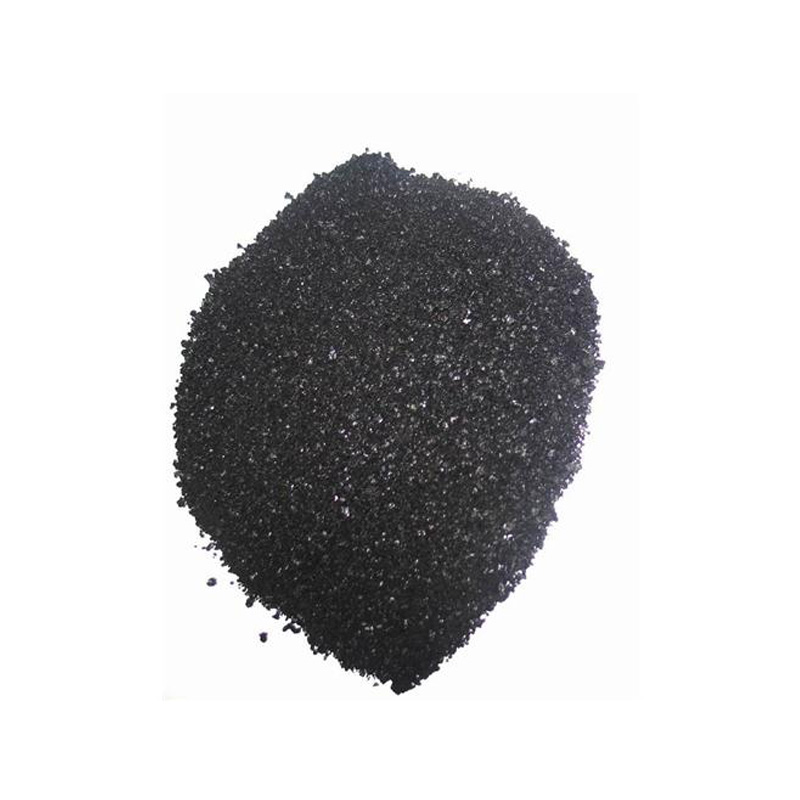
Sulphur Black
1.Name: sulphur black; Sulfur Black; Sulphur Black 1;
2.Structure formula:
3.Molecule formula: C6H4N2O5
4.CAS No.: 1326-82-5
5.HS code: 32041911
6.Product specification:Appearance:black phosphorus flakes; black liquid
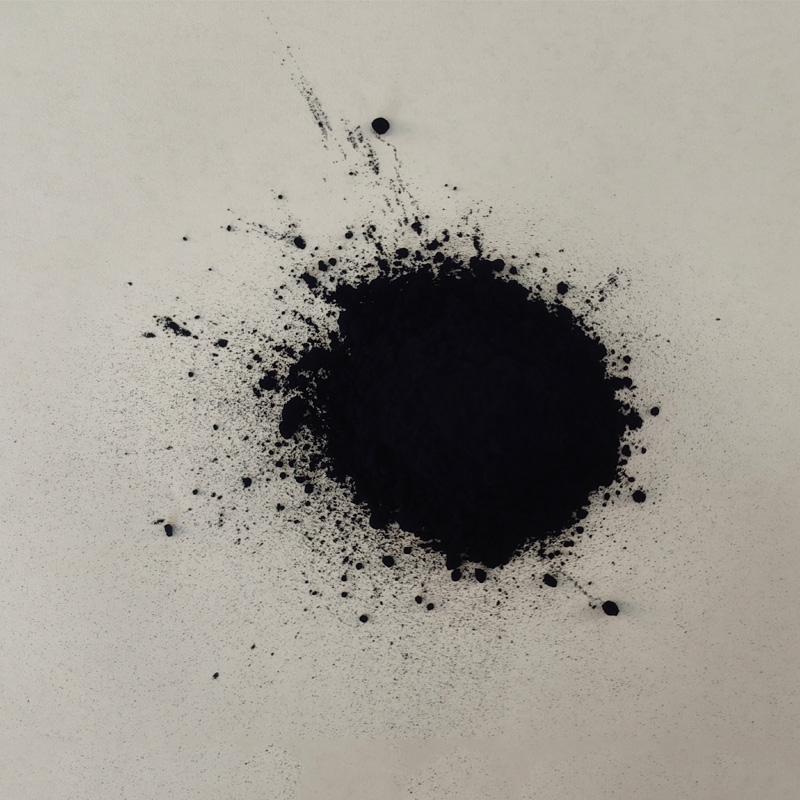
Bromo Indigo; Vat Bromo-Indigo; C.I.Vat Blue 5
1.Name: Bromo indigo; Vat bromo-indigo; C.I.Vat blue 5;
2.Structure formula:
3.Molecule formula: C16H6Br4N2O2
4.CAS No.: 2475-31-2
5.HS code: 3204151000 6.Major usage and instruction: Be mainly used to dye cotton fabrics.
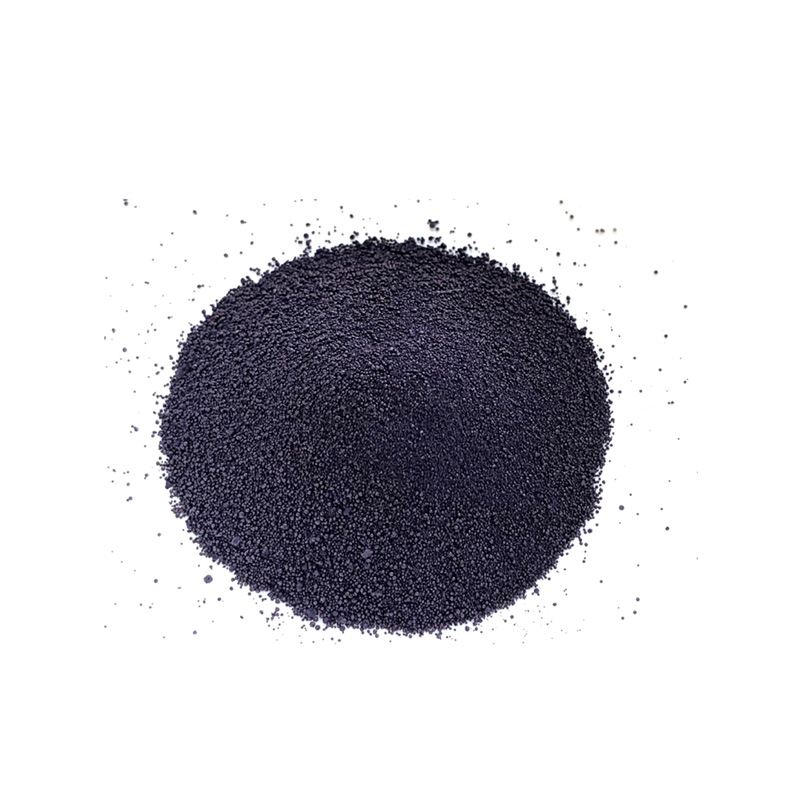
Indigo Blue Vat Blue
1.Name: indigo blue,vat blue 1,
2.Structure formula:
3.Molecule formula: C16H10N2O2
4.. CAS No.: 482-89-3
5.Molecule weight: 262.62
6.HS code: 3204151000
7.Major usage and instruction: Be mainly used to dye cotton fabrics.