

ODM Dye with Indigo Powder – Industrial-Grade Quality for Textile Pros
ODM Dye with Indigo Powder: A Veteran’s Take on Industrial Innovation
Having spent well over a decade in the industrial equipment and textile sector, I've seen plenty of dye technologies come and go. But ODM dye with indigo powder stands out in its own right. It’s not just another chemical mix — it’s more like the classic indigo you know, reimagined for modern manufacturing needs. Oddly enough, despite the rush towards synthetic solutions, many mills and factories are circling back to indigo powder-based dyes for that rich, authentic color and adaptability.
Why is that? Well, indigo powder has always had a classic appeal, but the ODM approach enhances it — mixing traditional pigment qualities with modern formulation finesse. You get the depth of blue that’s hard to replicate with purely liquid dyes; it holds well on cotton and blends alike. From my observations working with partners in Asia and Europe, this sort of dye formulation helps balance quality control with cost-efficiency — which frankly is a holy grail in industrial textile production.
Now, thinking of product specs, what matters most in an indigo powder dye is its purity, particle size, and how well it disperses in water or solvents during dyeing processes. Below is a spec table based on common ODM offerings I’ve reviewed, including ones by Wuxin Group, who’ve been quietly pioneering this space for a few years.
| Specification | Typical Range | Notes |
|---|---|---|
| Indigo Content | >85% | Purity affects color intensity |
| Particle Size | 10–20 microns | Fine enough for uniform dispersion |
| Moisture Content | Ensures shelf stability | |
| pH (aqueous solution) | 6.5–7.5 | Neutral pH minimizes fabric damage |
| Bulk Density | 0.5–0.7 g/cm³ | Influences shipping & handling |
Of course, it’s not just specs on paper. The true test for ODM indigo powder is in its application. I once visited a denim factory in Zhejiang that switched from traditional liquid indigo to a powder-based ODM solution — they reported better colorfastness and fewer issues with dye bath sedimentation. Those things might sound trivial, but with large-scale batch runs, even small savings in downtime and waste add up.
You might wonder how ODM indigo powder stacks up against some well-known vendor alternatives. From my experience and chats with suppliers, here’s a quick comparison of a few big names I’ve seen used:
| Vendor | Indigo Purity | Particle Uniformity | Price (per kg) | Customization Options |
|---|---|---|---|---|
| Wuxin Group | >85% | High | $$ | Batch size, particle size |
| IndigoTech | 80–85% | Medium | $$$ | Color blends only |
| PureDye Co. | >90% | Variable | $$$ | Limited customization |
As you can see, Wuxin's ODM indigo powder strikes a pretty good balance — good purity, reliable particle uniformity, and reasonable pricing with customization to boot. Many engineers I’ve talked to value that kind of flexibility because every production line has quirks that require slight formula tweaks.
Beyond specs and vendor talk, practical testing is the real proof. I recall one client in Vietnam who tested Wuxin's indigo powder on a blend of cotton and hemp fabric. They were impressed not only with the color richness but also how consistent it remained through multiple wash cycles. It feels like the old-school indigo vibe, but with less hassle around dye bath maintenance — which I admit, was something I didn’t expect when I first tried it.
Frankly, whether you’re upgrading from liquid indigo systems or launching a new line of sustainable denim, ODM dye with indigo powder feels like a solid, pragmatic option. It’s got the heritage of indigo yet pushes the envelope with modern industrial tailoring. If you’re looking for a trusted supplier, you might want to check out ODM dye with indigo powder they offer — I’ve followed their work closely, and it’s consistently reliable in a sometimes unpredictable industry.
So, in real terms, the question is: do you settle for flashy synthetic dyes, or do you invest in something with a bit of character and industrial proven performance? Personally, I’d lean toward the latter — but then again, I’m a bit old-fashioned that way.
Quick takeaway: It’s all about quality, adaptability, and supplier trust. ODM indigo powder ticks those boxes nicely.
References:
1. Industry Textile Reports, 2023 – Indigo Dye Market Analysis
2. Wuxin Group Product Brochure, 2024 Edition
3. Personal interviews with textile engineers, 2022–2023
-
Mastering the Art of China Japanese Indigo Dyeing Traditions
NewsApr.16,2026
-
Exploring the Elegance of China Deep Indigo Color in Textiles
NewsApr.09,2026
-
Discover High Quality China Jeans Blue Indigo for Global Markets
NewsApr.07,2026
-
Exploring the Rich Tradition of China Natural Indigo Dyed Fabric
NewsApr.04,2026
-
Exploring China Indigo Color in Nature History and Modern Applications
NewsMar.31,2026
-
Discover High Quality China Pure Indigo Powder for Vibrant Natural Dyeing
NewsMar.28,2026
-
Exploring the Rich History of China True Blue Indigo Textiles
NewsMar.26,2026
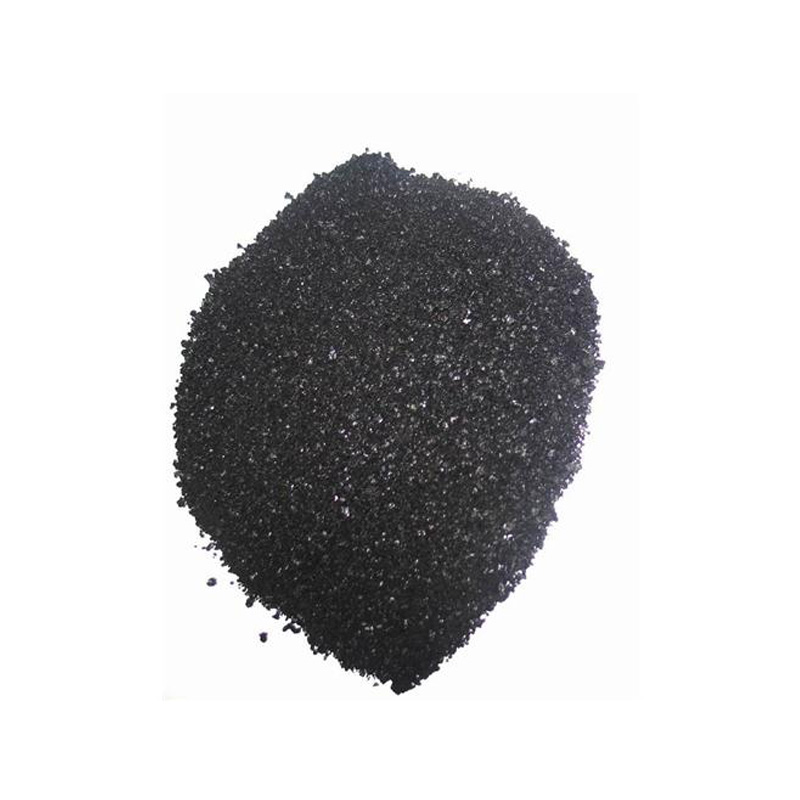
Sulphur Black
1.Name: sulphur black; Sulfur Black; Sulphur Black 1;
2.Structure formula:
3.Molecule formula: C6H4N2O5
4.CAS No.: 1326-82-5
5.HS code: 32041911
6.Product specification:Appearance:black phosphorus flakes; black liquid
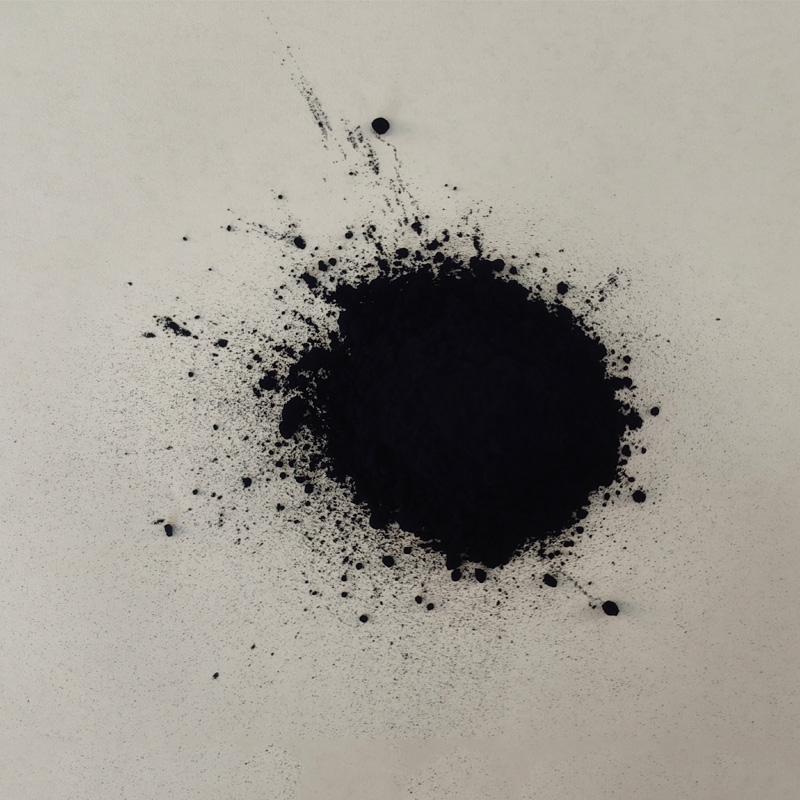
Bromo Indigo; Vat Bromo-Indigo; C.I.Vat Blue 5
1.Name: Bromo indigo; Vat bromo-indigo; C.I.Vat blue 5;
2.Structure formula:
3.Molecule formula: C16H6Br4N2O2
4.CAS No.: 2475-31-2
5.HS code: 3204151000 6.Major usage and instruction: Be mainly used to dye cotton fabrics.
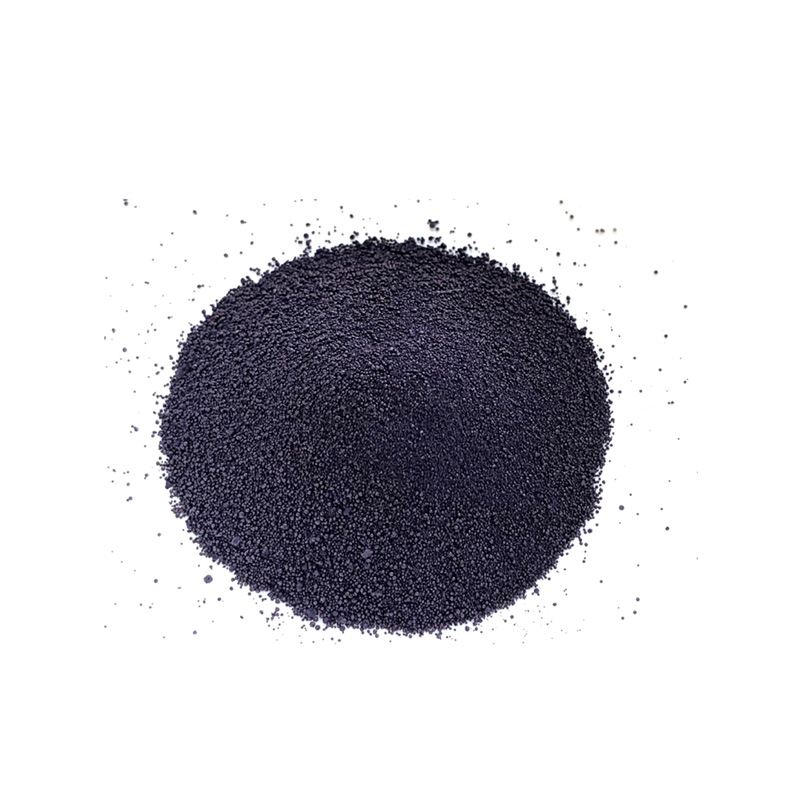
Indigo Blue Vat Blue
1.Name: indigo blue,vat blue 1,
2.Structure formula:
3.Molecule formula: C16H10N2O2
4.. CAS No.: 482-89-3
5.Molecule weight: 262.62
6.HS code: 3204151000
7.Major usage and instruction: Be mainly used to dye cotton fabrics.