

Odm Indigo Fabric Dyeing Solutions for Durable and Sustainable Textiles | Wuxin Group
Odm Indigo Fabric Dyeing is a key solution in the industry, specifically within textile manufacturing and fashion supply chains. This article explores how https://www.wuxin-group.com supports professionals with durable, high-performance products, and explains why this product is an ideal choice for businesses in these sectors.
Table of Contents
- Odm Indigo Fabric Dyeing Overview
- Benefits & Use Cases of Odm Indigo Fabric Dyeing
- Cost, Maintenance & User Experience
- Sustainability & Market Trends
Odm Indigo Fabric Dyeing Overview
At its core, Odm Indigo Fabric Dyeing is a specialized dyeing technique that applies indigo pigment to fabrics in a way that ensures deep color penetration, excellent durability, and vibrant shades. Indigo – traditionally associated with denim – is notorious for its fast-fading and unevenness when poorly applied. However, this ODM (Original Design Manufacturer) approach from Wuxin Group employs advanced dyeing technology that overcomes those hurdles quite elegantly.
This process uses carefully controlled vats and reactive dye methods that improve binding efficiency of the indigo pigment without excessively stressing the fiber. Oddly enough, they've also integrated environmental controls that minimize water consumption and reduce chemical runoff. A quick glance over product specs highlights how it outperforms standard indigo dyeing in wash fastness and color retention.
| Specification | Details |
|---|---|
| Dye Type | Reactive Indigo Pigment |
| Material Compatibility | Cotton, Linen, Denim |
| Color Fastness to Washing | Grade 4.5 (ISO 105 C10) |
| Environmental Impact | Low water & chemical use; bluesign® compliant |
| Typical Batch Size | Up to 500 kg per cycle |
Benefits & Use Cases of Odm Indigo Fabric Dyeing
From durability to aesthetic appeal, the benefits offered by ODM Indigo Fabric Dyeing are pretty compelling for decision makers handling fabric procurement or production processes. The enhanced wash fastness means garments hold their color longer, reducing the frequency of returns or complaints in retail environments. Frankly, anyone who's dealt with cheap indigo fabrics knows how demoralizing uneven fading can be.
Industries like denim manufacturing, outdoor apparel, and even home furnishings increasingly lean on this kind of high-performance dyeing technology. Many brands want that traditional indigo look but with much-improved longevity. Plus, the environmentally-conscious formula appeals strongly in markets where green credentials strongly sway purchasing decisions – especially in Europe and North America.
- Consistent, vibrant coloring ideal for jeans, jackets, and technical wear.
- Superb resistance to washing and sunlight fading.
- Lower environmental footprint compared to traditional indigo dyeing.
- Customization options for batch sizes, shade intensity, and post-treatment finishing.
Cost, Maintenance & User Experience
When it comes to cost-effectiveness, ODM Indigo Fabric Dyeing strikes a balance that many businesses appreciate. The initial dyeing process may be marginally pricier than traditional vat dyeing due to more complex chemical usage and stringent control systems. That said, the reduced defect rates and less frequent reprocessing tend to improve the total cost of ownership (TCO) substantially.
Maintenance on fabrics dyed this way is fairly straightforward — no special detergents needed, and the colors remain impressive even after multiple industrial washes. In my conversations with several textile engineers, one comment came up repeatedly: it’s “sort of a smarter investment,” especially once the customer experience is considered.
| Vendor | Price per kg | Eco-certifications | Customization Options | Lead Time |
|---|---|---|---|---|
| Wuxin Group | $12.50 | Bluesign®, OEKO-TEX | High (shade, batch size, finish) | 4–6 weeks |
| Competitor A | $11.00 | OEKO-TEX | Moderate | 6–8 weeks |
| Competitor B | $13.00 | None | Low | 8–10 weeks |
Sustainability & Market Trends
It’s no secret that sustainability is driving innovation in fabric dyeing — ODM Indigo Fabric Dyeing is no exception to this rule. Wuxin Group integrates water-saving technologies and uses eco-friendly chemicals that comply with international standards like bluesign®. Oddly enough, these greener practices often lead to cost savings over time, given how resource-intensive traditional indigo dyeing can be.
Interestingly, as consumer demand grows for ethically produced apparel, B2B buyers find products like ODM Indigo Fabric Dyeing increasingly attractive. Market research indicates a steady rise in demand for indigo-dyed textiles with transparent supply chains. Regulation-wise, tighter rules around discharge and chemical handling in top export markets underscore the value of a sustainable process.
Frequently Asked Questions about Odm Indigo Fabric Dyeing
- What is Odm Indigo Fabric Dyeing and how does it work?
- Odm Indigo Fabric Dyeing refers to a specialized process where indigo dye is applied to fabric using cutting-edge methods that ensure deeper color penetration and better durability. It usually involves reactive dye technology and tightly controlled dye baths to achieve consistent results.
- What are the main benefits of using Odm Indigo Fabric Dyeing in industrial applications?
- Key benefits include enhanced colorfastness, superior durability against washing and sunlight, reduced environmental impact, and the ability to customize batches to meet specific production needs. These factors improve product quality and reduce returns or defects.
- How does Odm Indigo Fabric Dyeing compare to traditional alternatives?
- Compared to traditional vat dyeing, ODM Indigo Fabric Dyeing offers greater precision, less water and chemical usage, and more consistent color outcomes. While it may have slightly higher upfront costs, the total lifecycle value is often superior.
- What industries can benefit most from Odm Indigo Fabric Dyeing implementation?
- Industries like denim and casual wear manufacturing, technical workwear, outdoor apparel, and even home textiles benefit the most. Many brands seeking premium quality and sustainability rely on ODM Indigo Fabric Dyeing to maintain competitive advantage.
Conclusion on Odm Indigo Fabric Dyeing from china
In summary, Odm Indigo Fabric Dyeing stands out as a well-rounded solution marrying tradition with modern tech and sustainability. It offers businesses a chance to deliver indigo-dyed fabrics that satisfy both aesthetic expectations and strict environmental criteria, ultimately enhancing product reputation and ROI.
- Recap the value of Odm Indigo Fabric Dyeing and its strategic fit for forward-thinking B2B players.
- Visit our website: https://www.wuxin-group.com for more details and partnership inquiries.
At the end of the day, investing smartly in fabric dyeing technology like this feels like stepping into a future where quality, sustainability, and efficiency walk hand in hand.
References:
- ISO 105 C10 – Textile color fastness standards
- bluesign® system overview – Environmental certification
- Market Trends Report on Sustainable Textiles 2023, Textile Exchange
-
Mastering the Art of China Japanese Indigo Dyeing Traditions
NewsApr.16,2026
-
Exploring the Elegance of China Deep Indigo Color in Textiles
NewsApr.09,2026
-
Discover High Quality China Jeans Blue Indigo for Global Markets
NewsApr.07,2026
-
Exploring the Rich Tradition of China Natural Indigo Dyed Fabric
NewsApr.04,2026
-
Exploring China Indigo Color in Nature History and Modern Applications
NewsMar.31,2026
-
Discover High Quality China Pure Indigo Powder for Vibrant Natural Dyeing
NewsMar.28,2026
-
Exploring the Rich History of China True Blue Indigo Textiles
NewsMar.26,2026
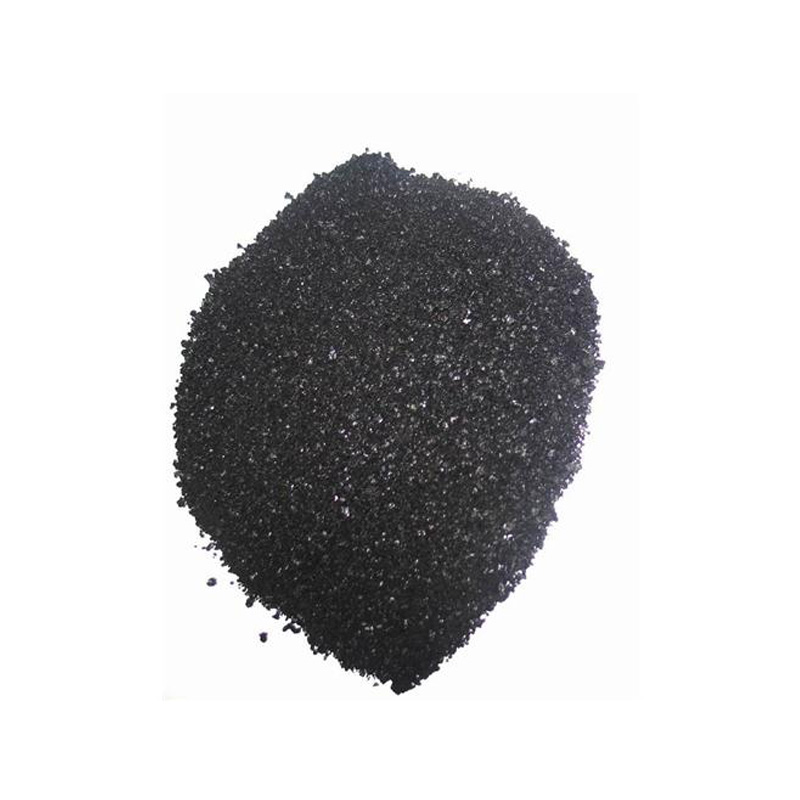
Sulphur Black
1.Name: sulphur black; Sulfur Black; Sulphur Black 1;
2.Structure formula:
3.Molecule formula: C6H4N2O5
4.CAS No.: 1326-82-5
5.HS code: 32041911
6.Product specification:Appearance:black phosphorus flakes; black liquid
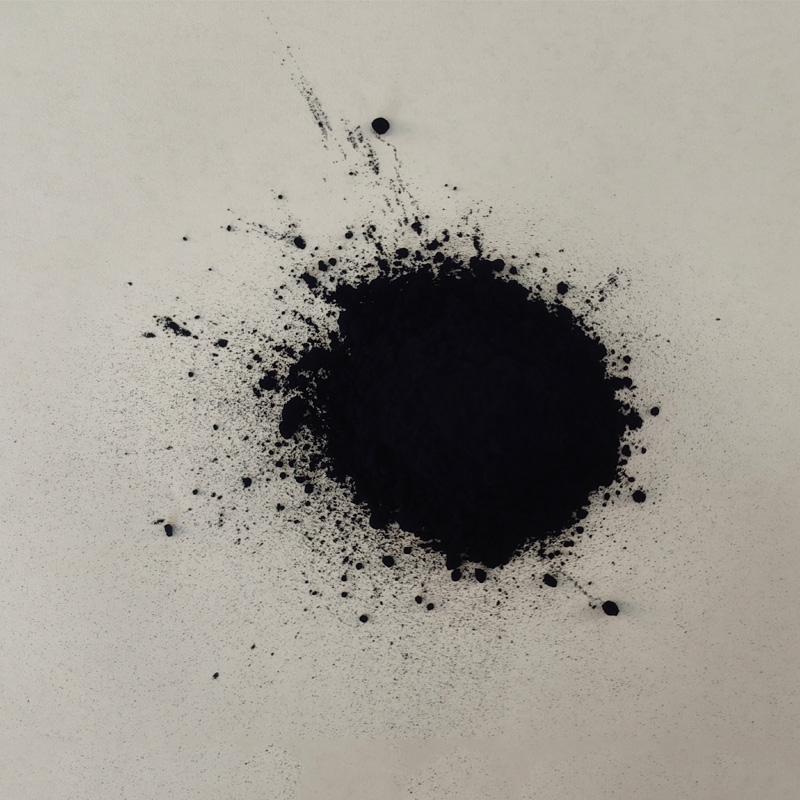
Bromo Indigo; Vat Bromo-Indigo; C.I.Vat Blue 5
1.Name: Bromo indigo; Vat bromo-indigo; C.I.Vat blue 5;
2.Structure formula:
3.Molecule formula: C16H6Br4N2O2
4.CAS No.: 2475-31-2
5.HS code: 3204151000 6.Major usage and instruction: Be mainly used to dye cotton fabrics.
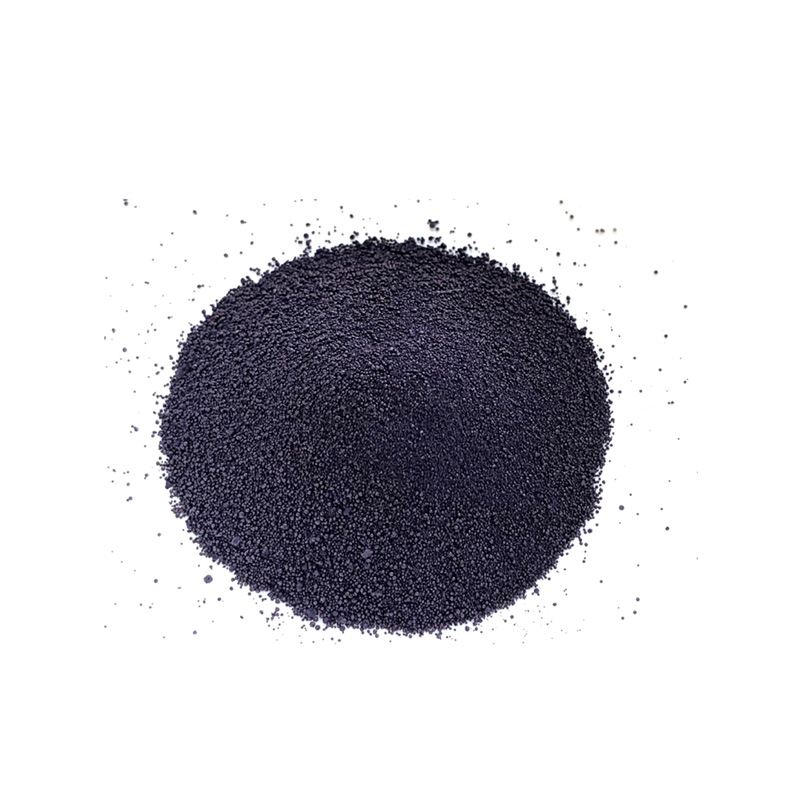
Indigo Blue Vat Blue
1.Name: indigo blue,vat blue 1,
2.Structure formula:
3.Molecule formula: C16H10N2O2
4.. CAS No.: 482-89-3
5.Molecule weight: 262.62
6.HS code: 3204151000
7.Major usage and instruction: Be mainly used to dye cotton fabrics.