

ODM Indigo Ink Dye – Durable, Vibrant Industrial Dye Solutions
ODm Indigo Ink Dye: A Veteran’s Take on Industrial Ink Innovation
Having spent over a decade in industrial equipment and materials, I’ve seen plenty of inks–some brilliant, others less so. ODM indigo ink dye is one that caught my attention recently, not just for its rich color but how it blends advanced chemistry with real-world practicality.
Indigo dye is no newcomer to the textile scene, but an ODM (Original Design Manufacturer) approach to this pigment means tweaks and optimizations beyond the usual recipes—especially for industrial use where consistency and durability matter. You know, inks in factories aren’t just for aesthetics; they need to perform under stress, often facing harsh washing or mechanical abrasion.
Oddly enough, many engineers I've worked with swear by this kind of customized dye when they want the perfect balance: vibrant hues, long-lasting color fastness, and environmental compliance. These aren’t just marketing buzzwords here; the ink undergoes rigorous testing, such as crock fastness and light fastness, to ensure it won’t fade or stain unintended surfaces.
Let me share a small anecdote. A client from a denim manufacturing plant recently switched to a new ODM indigo ink supplier for their high-end line. They noticed not only the color depth improved noticeably, but the amount of rejected garments due to color flaws dropped by nearly 15%. They credited the supplier’s close collaboration on formulation adjustments tailored for their washing processes.
What sets ODM Indigo Ink Dye apart?
Simply put, it’s the blend of traditional indigo color science with modern formulation tweaks. The base pigment remains true to the classic indigo blue, rich and deep. However, additives and stabilizers used have evolved. For example, special dispersion agents improve uniformity in liquid inks, and improved binders help the ink adhere better on various fabric types, including blends and synthetics.
From a materials standpoint, it feels like these dyes tread the fine line between industrial robustness and environmental care—a big deal in today’s manufacturing where regulations tighten year by year.
| Spec Feature | Details |
|---|---|
| Base Pigment | Synthetic Indigo with improved dispersion |
| Color Fastness (Washing) | Grade 4-5 (ISO standard) |
| Light Fastness | Grade 6 (excellent resistance) |
| Environmental Compliance | REACH & OEKO-TEX Certified |
| Applications | Denim, cotton & polyester blends, industrial printing |
ODM Indigo Ink Dye: How Does It Stack Up Against Competitors?
From experience, not all industrial indigo inks are created equal. Many get close on the shade but fall short in durability or environmental standards. Here’s a quick comparison I pulled together:
| Vendor | Color Quality | Durability | Eco Compliance | Customer Support |
|---|---|---|---|---|
| Wuxin Group | Outstanding — rich deep blue | Excellent (ISO-certified) | Fully certified REACH & OEKO-TEX | Proactive & solution-oriented |
| Traditional Indigo Co. | Good, but less depth | Fair, fades after intensive use | Limited, no full certifications | Standard support hours |
| Eco Dye Solutions | Moderate color quality | Good, but sometimes inconsistent | Highly eco-friendly, but limited durability | Responsive but less technical depth |
You see, choosing the right indigo ink can really change production yields and customer satisfaction. It feels like Wuxin Group brings a bit more to the table in terms of experience and customization—which frankly, is what I look for when recommending suppliers.
In real terms, if you’re working with denim or industrial textiles, and color performance matters (and it does), it’s worth checking out an ODM indigo ink dye option that promises high consistency and compliance with international standards.
At the end of the day, the best ink is one you don’t think about because it simply works–year after year, wash after wash.
– Reflections from someone who’s been down in the factories, watched colors run, and studied what keeps them vibrant.
- ISO Textile Color Fastness Standards Overview
- REACH Compliance Guidelines in Textile Dyes
- Industry Case Study: Denim Manufacturing With Customized Inks
-
Mastering the Art of China Japanese Indigo Dyeing Traditions
NewsApr.16,2026
-
Exploring the Elegance of China Deep Indigo Color in Textiles
NewsApr.09,2026
-
Discover High Quality China Jeans Blue Indigo for Global Markets
NewsApr.07,2026
-
Exploring the Rich Tradition of China Natural Indigo Dyed Fabric
NewsApr.04,2026
-
Exploring China Indigo Color in Nature History and Modern Applications
NewsMar.31,2026
-
Discover High Quality China Pure Indigo Powder for Vibrant Natural Dyeing
NewsMar.28,2026
-
Exploring the Rich History of China True Blue Indigo Textiles
NewsMar.26,2026
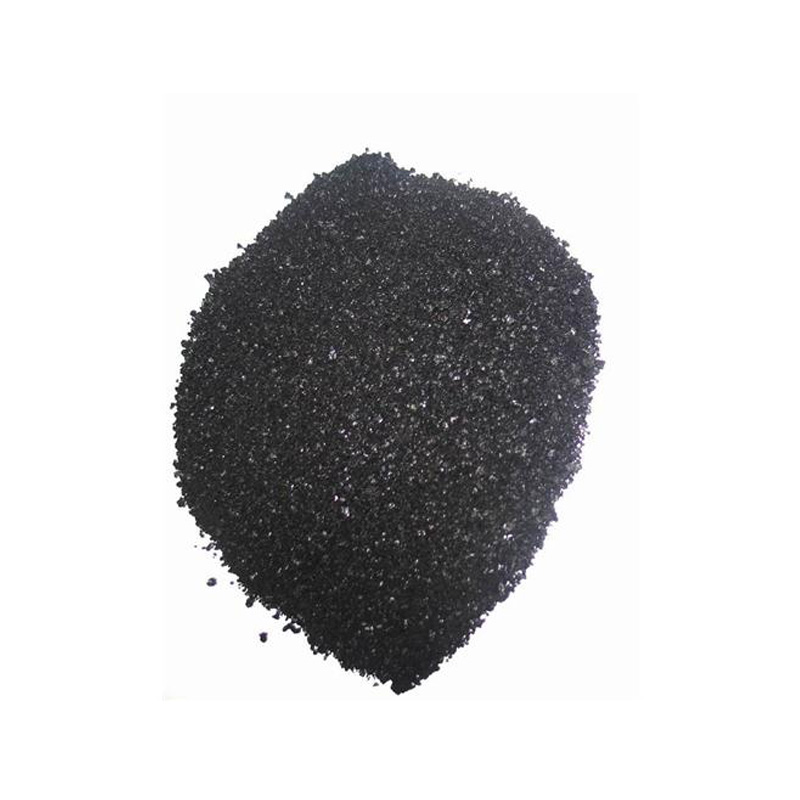
Sulphur Black
1.Name: sulphur black; Sulfur Black; Sulphur Black 1;
2.Structure formula:
3.Molecule formula: C6H4N2O5
4.CAS No.: 1326-82-5
5.HS code: 32041911
6.Product specification:Appearance:black phosphorus flakes; black liquid
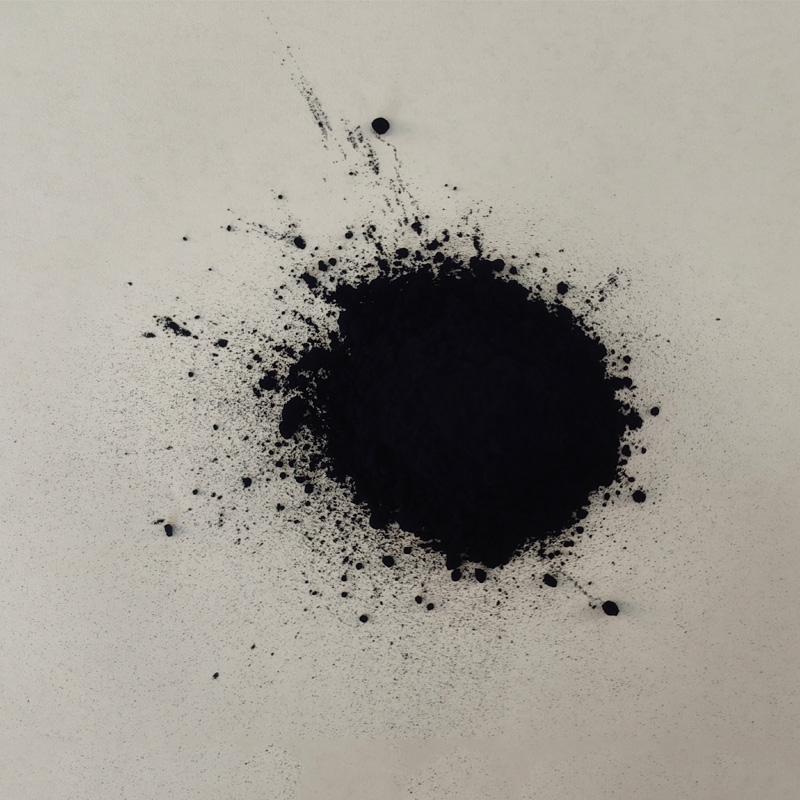
Bromo Indigo; Vat Bromo-Indigo; C.I.Vat Blue 5
1.Name: Bromo indigo; Vat bromo-indigo; C.I.Vat blue 5;
2.Structure formula:
3.Molecule formula: C16H6Br4N2O2
4.CAS No.: 2475-31-2
5.HS code: 3204151000 6.Major usage and instruction: Be mainly used to dye cotton fabrics.
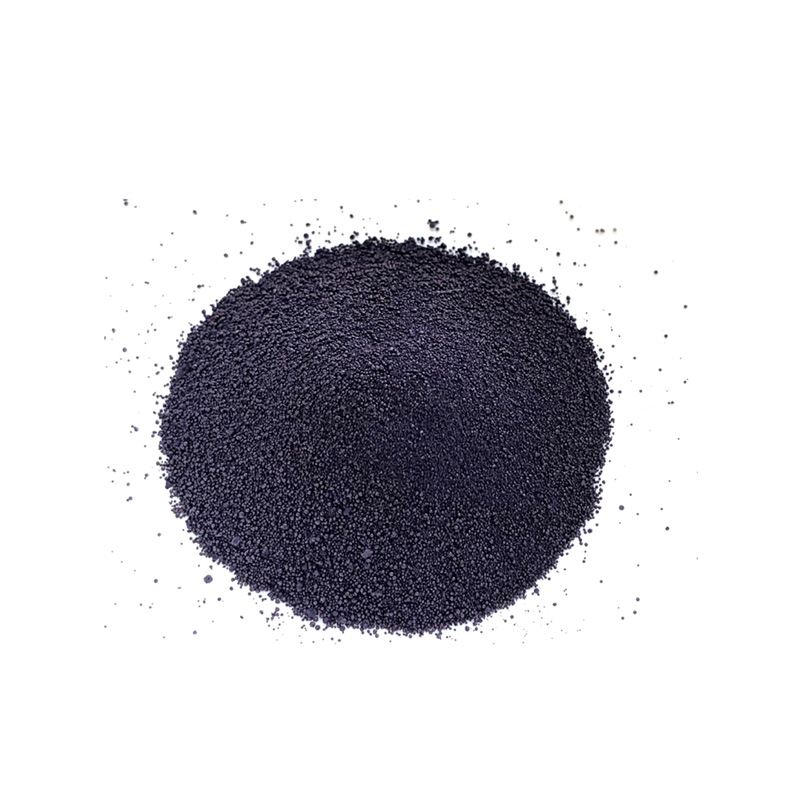
Indigo Blue Vat Blue
1.Name: indigo blue,vat blue 1,
2.Structure formula:
3.Molecule formula: C16H10N2O2
4.. CAS No.: 482-89-3
5.Molecule weight: 262.62
6.HS code: 3204151000
7.Major usage and instruction: Be mainly used to dye cotton fabrics.