

Odm Synthetic Indigo Powder – High-Quality Pigment for Industrial Textile & Chemical Applications
Odm Synthetic Indigo Powder is a key solution in the industry, specifically within textile manufacturing, dyeing, and advanced chemical applications. This article explores how https://www.wuxin-group.com supports professionals with durable, high-performance products, and explains why this product is an ideal choice for businesses in these sectors.
Table of Contents
- Odm Synthetic Indigo Powder Overview
- Benefits & Use Cases of Odm Synthetic Indigo Powder
- Cost, Maintenance & User Experience
- Sustainability & Market Trends
Odm Synthetic Indigo Powder Overview
If you’ve ever wondered what exactly makes the vivid blues of denim so persistent and rich, Odm Synthetic Indigo Powder is right there at the core. This fine chemical compound replicates the natural indigo pigment but with enhanced purity and consistency that modern industries crave. Frankly, it’s become indispensable in textile dyeing because of its brightness and resistance to fading.
The product essentially consists of synthetic indigo molecules processed to a precise particle size distribution, ensuring uniform color application. Technical datasheets indicate purity levels exceeding 99.5%, with particle sizes optimized between 1 to 10 microns depending on customer requirements. This powder undergoes rigorous testing — including solubility efficiency and fastness grades — making it ready for both traditional batch dying and more automated continuous dyeing setups.
| Specification | Value |
|---|---|
| Chemical Purity | ≥ 99.5% |
| Particle Size | 1 – 10 microns (adjustable) |
| Moisture Content | ≤ 0.5% |
| Solubility (in reduction vats) | High |
| Color Fastness | Grade 4-5 (ISO standard) |
Benefits & Use Cases of Odm Synthetic Indigo Powder
What sets Odm Synthetic Indigo Powder apart is much more than its technical specs — it’s how it performs in demanding real-world environments. Many suppliers offer synthetic indigo, but Wuxin’s product has this reliability streak that makes dye houses, denim mills, and chemical developers sigh in relief. It’s used heavily in textile dyeing, obviously — think raw denim and vibrant fabrics — but also finds its way into advanced chemical syntheses and specialty coatings.
A notable feature is its excellent dispersibility, which ensures even dyeing without clumping or patchiness — a recurring problem in cheaper alternatives. Also, it maintains stability across varying pH ranges, which is superb for industrial processes that often shift conditions mid-run. In competitive terms, many engineers mention the enhanced color yield and less wastewater treatment needed, a subtle but crucial edge.
Vendor Comparison
| Feature | Wuxin Group | Vendor A | Vendor B |
|---|---|---|---|
| Purity (%) | ≥ 99.5 | ≥ 98.7 | ≥ 98.9 |
| Particle Size Range (microns) | 1 – 10 | 2 – 15 | 3 – 12 |
| Color Fastness Grade | 4-5 | 3-4 | 3-4 |
| Dispersibility | Excellent | Good | Fair |
| Lead Time | 1-2 weeks | 2-3 weeks | 3-4 weeks |
Cost, Maintenance & User Experience
In terms of cost, Odm Synthetic Indigo Powder represents good value for the budget-conscious yet quality-focused. The total cost of ownership tends to be lower because of its strong durability and fewer returns for defects or uneven colors — and fewer resources spent on correcting batches. Users frequently tell me it’s a “pay a little more upfront and save a ton down the line” kind of deal.
Maintenance is straightforward. The powder, when stored correctly, maintains stability for long periods, which means less frequent orders and supplier management headaches. The ROI is particularly visible in textile manufacturing, where color consistency reduces waste. Anecdotally, a mid-sized denim plant shared they cut reprocessing time by almost 15% after switching to Wuxin’s version.
Sustainability & Market Trends
Sustainability is undeniably shaping the synthetic indigo market these days. Using Odm Synthetic Indigo Powder from trusted suppliers means better adherence to environmental regulations — lower hazardous waste output, improved biodegradability of dye effluents, and even energy savings during production. As global regulatory pressures ramp up, companies crave products that align with eco-friendly goals and keep them compliant or ahead of the curve.
Oddly enough, the global market for synthetic indigo has been growing steadily, partly driven by rising demand for sustainable fabrics and the boom in denim globally. Wuxin Group’s R&D investments focus on reducing the environmental footprint, improving production efficiency, and exploring biodegradable options — that sort of forward thinking makes them a preferred partner for businesses with long-term visions.
Frequently Asked Questions about Odm Synthetic Indigo Powder
- What is Odm Synthetic Indigo Powder and how does it work?
- This powder is a chemically synthesized form of the natural indigo pigment. It works by applying vivid blue color to textiles during dyeing, bonding strongly with fibers. It dissolves in specific vats and reduces to a soluble form, allowing uniform application before oxidation restores its insoluble, vibrant blue state on fibers.
- What are the main benefits of using Odm Synthetic Indigo Powder in industrial applications?
- Key advantages include superior color fastness, consistent purity levels, easy handling, and improved sustainability outcomes. It also reduces waste from uneven dyeing and helps optimize water and energy use in dye processes.
- How does Odm Synthetic Indigo Powder compare to traditional alternatives?
- Compared to natural indigo, Odm Synthetic Indigo Powder offers consistent quality, better solubility, and scalable production. Compared to other synthetics, it often boasts higher purity and enhanced fastness, making it more reliable for modern production needs.
- What industries can benefit most from Odm Synthetic Indigo Powder implementation?
- Main sectors include textile manufacturing, especially denim production, chemical coatings, leather processing, and specialty chemical syntheses. Its versatility lends itself to any industry requiring durable blue pigment.
Conclusion on Odm Synthetic Indigo Powder from china
In short, Odm Synthetic Indigo Powder embodies a blend of chemistry and industry insight that meets modern demands for quality, sustainability, and cost-effectiveness. Whether you run a massive textile dyeing plant or a specialty chemical workshop, this product from Wuxin Group offers a dependable, high-performance solution that keeps operations smooth and colorful.
Visit our website: https://www.wuxin-group.com
Sometimes, the simplest powders make the biggest difference — synthetic indigo included.
References:
1. Industry Dye Journal, 2023
2. Sustainable Textile Trends Report, 2024
3. Wuxin Group Technical Data Sheets and Testimonials
-
Mastering the Art of China Japanese Indigo Dyeing Traditions
NewsApr.16,2026
-
Exploring the Elegance of China Deep Indigo Color in Textiles
NewsApr.09,2026
-
Discover High Quality China Jeans Blue Indigo for Global Markets
NewsApr.07,2026
-
Exploring the Rich Tradition of China Natural Indigo Dyed Fabric
NewsApr.04,2026
-
Exploring China Indigo Color in Nature History and Modern Applications
NewsMar.31,2026
-
Discover High Quality China Pure Indigo Powder for Vibrant Natural Dyeing
NewsMar.28,2026
-
Exploring the Rich History of China True Blue Indigo Textiles
NewsMar.26,2026
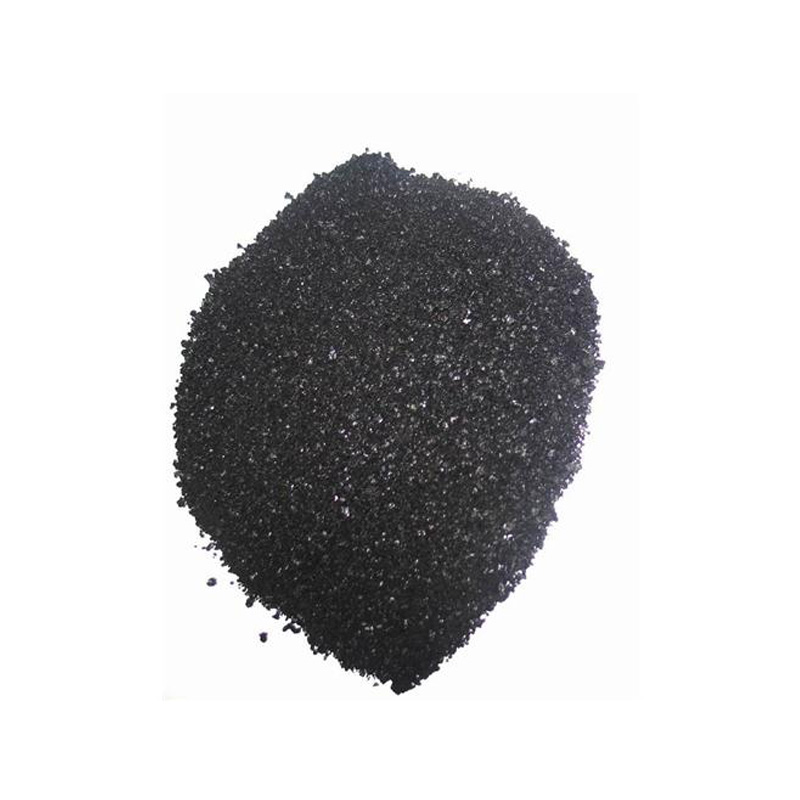
Sulphur Black
1.Name: sulphur black; Sulfur Black; Sulphur Black 1;
2.Structure formula:
3.Molecule formula: C6H4N2O5
4.CAS No.: 1326-82-5
5.HS code: 32041911
6.Product specification:Appearance:black phosphorus flakes; black liquid
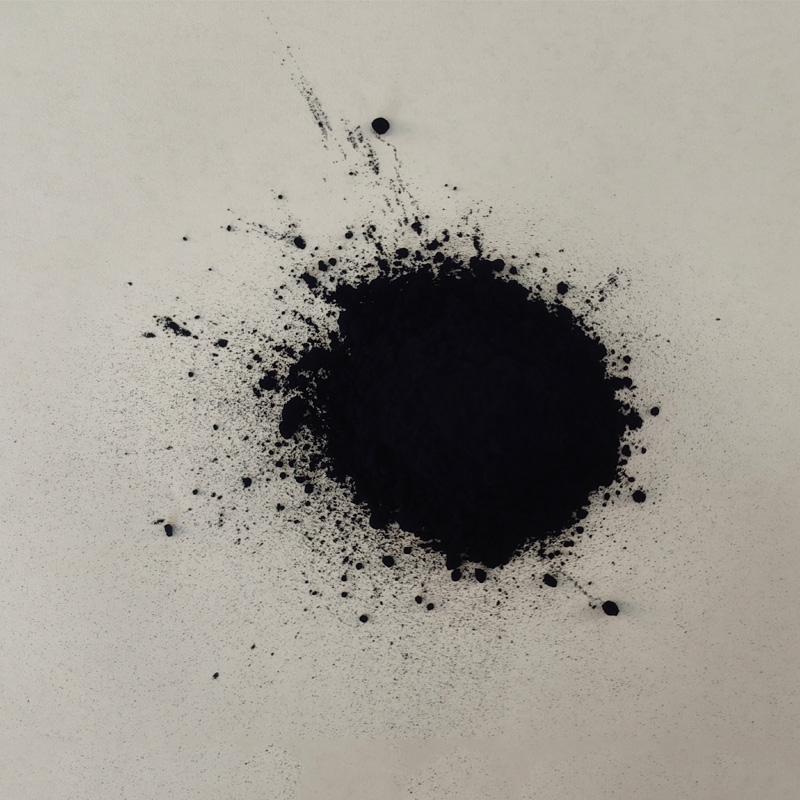
Bromo Indigo; Vat Bromo-Indigo; C.I.Vat Blue 5
1.Name: Bromo indigo; Vat bromo-indigo; C.I.Vat blue 5;
2.Structure formula:
3.Molecule formula: C16H6Br4N2O2
4.CAS No.: 2475-31-2
5.HS code: 3204151000 6.Major usage and instruction: Be mainly used to dye cotton fabrics.
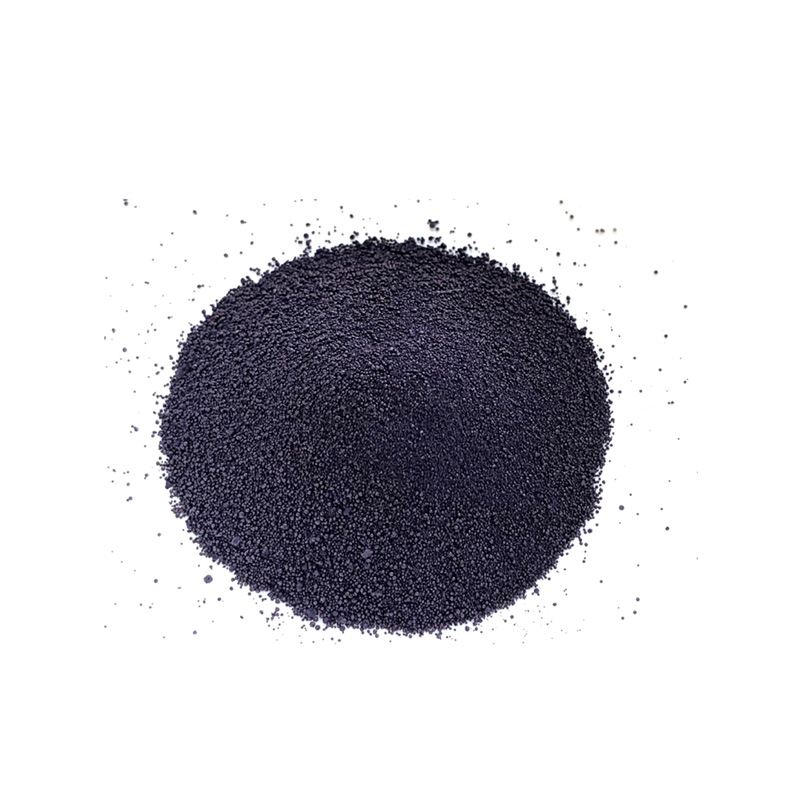
Indigo Blue Vat Blue
1.Name: indigo blue,vat blue 1,
2.Structure formula:
3.Molecule formula: C16H10N2O2
4.. CAS No.: 482-89-3
5.Molecule weight: 262.62
6.HS code: 3204151000
7.Major usage and instruction: Be mainly used to dye cotton fabrics.