

Expert Insights on ODM Powder Indigo for Industrial Use
Understanding ODM Powder Indigo: A Veteran’s Take
Having spent more than a decade in the industrial equipment sector, I’ve crossed paths with countless materials and product innovations. But when it comes to ODM powder indigo, there’s something almost poetic about how this pigment threads its way through industries — from textiles to automotive coatings. Frankly, it’s a niche but quietly vital ingredient in many manufacturing processes, and knowing its nuances can give you a solid advantage.
First off, let me say: the quality of indigo powders on the market varies wildly. It’s not just about the color intensity—though that’s important. It’s about particle size, purity, and how well the powder integrates into different materials. I remember one project where a lower-grade indigo caused uneven dyeing, leading to costly reworks. That’s why working closely with an ODM partner, who thoroughly tests and customizes the powder, is crucial.
In real terms, ODM powder indigo usually arrives with tight specs for moisture content, particle distribution, and chemical purity. Many engineers I’ve talked to emphasize these factors since impurities can affect shade consistency and fastness. The best manufacturers also provide options tailored for various substrate compatibilities—whether it’s synthetic fibers, plastics, or coatings.
Oddly enough, the market has shifted recently toward eco-friendlier indigo powders with less environmental impact in synthesis and waste. This trend doesn’t just reflect regulation pressure but also consumer demand. So if you’re sourcing indigo powder, look out for certifications or test results that back up those claims.
| Specification | Typical Range | Units |
|---|---|---|
| Purity (Color Index) | >95% | % |
| Moisture Content | % | |
| Average Particle Size | 10–20 | microns |
| pH Value (Aqueous Dispersion) | 6.5–7.5 | – |
| Color Strength (K/S Value) | >15 | – |
Speaking of vendors, not all ODMs are created equal. From my experience, it’s worth comparing at least three before settling. Here’s a quick rundown of three types you might meet:
| Feature | Large Industrial | Specialty ODM | Local Boutique |
|---|---|---|---|
| Customization Options | Limited | High | Moderate |
| Price Range | Low–Medium | Medium–High | High |
| Lead Time | Standard (4–6 wks) | Flexible | Longer (6–8 wks) |
| Quality Consistency | High | Very High | Variable |
| Sustainability Credentials | Basic | Advanced | Limited |
For example, one mid-sized apparel manufacturer I know switched to a specialty ODM supplier after repeatedly struggling with color fades. The new supplier optimized the powder particle size for their particular fabrics, and suddenly, their products were markedly better in durability and shade fidelity. You don’t always hear this kind of detail on sales calls, but it makes a huge difference — so ask lots of questions.
To wrap it up, ODM powder indigo is one of those behind-the-scenes hero materials. When chosen and sourced thoughtfully, it impacts final product quality more than you might guess at first glance. So, if you’re diving into supply chains or product development involving indigo pigments, don’t just settle for “off the shelf” — dig into the specs and partner with vendors who get your unique needs.
In my years here, it’s clear that attention to detail, from chemistry labs to production floors, separates “good enough” from “great.” And for indigo powders? That’s exactly where a strong ODM relationship pays off.
— A seasoned hand in industrial materials
References
- Industry reports on synthetic indigo market trends, 2023
- Case studies on dye consistency in textile manufacturing
- Environmental impact assessments for dye production processes
-
Mastering the Art of China Japanese Indigo Dyeing Traditions
NewsApr.16,2026
-
Exploring the Elegance of China Deep Indigo Color in Textiles
NewsApr.09,2026
-
Discover High Quality China Jeans Blue Indigo for Global Markets
NewsApr.07,2026
-
Exploring the Rich Tradition of China Natural Indigo Dyed Fabric
NewsApr.04,2026
-
Exploring China Indigo Color in Nature History and Modern Applications
NewsMar.31,2026
-
Discover High Quality China Pure Indigo Powder for Vibrant Natural Dyeing
NewsMar.28,2026
-
Exploring the Rich History of China True Blue Indigo Textiles
NewsMar.26,2026
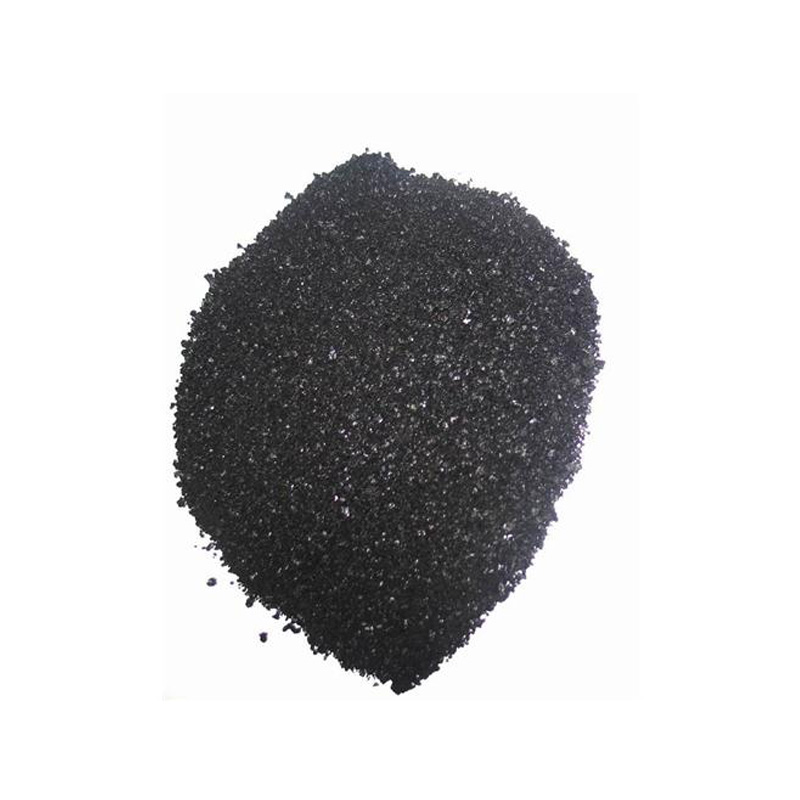
Sulphur Black
1.Name: sulphur black; Sulfur Black; Sulphur Black 1;
2.Structure formula:
3.Molecule formula: C6H4N2O5
4.CAS No.: 1326-82-5
5.HS code: 32041911
6.Product specification:Appearance:black phosphorus flakes; black liquid
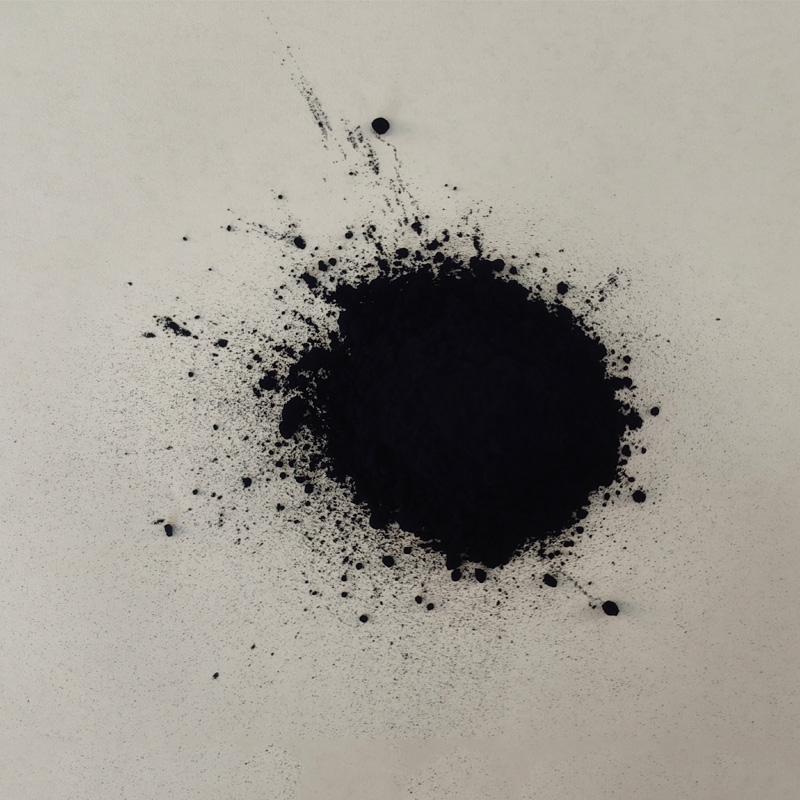
Bromo Indigo; Vat Bromo-Indigo; C.I.Vat Blue 5
1.Name: Bromo indigo; Vat bromo-indigo; C.I.Vat blue 5;
2.Structure formula:
3.Molecule formula: C16H6Br4N2O2
4.CAS No.: 2475-31-2
5.HS code: 3204151000 6.Major usage and instruction: Be mainly used to dye cotton fabrics.
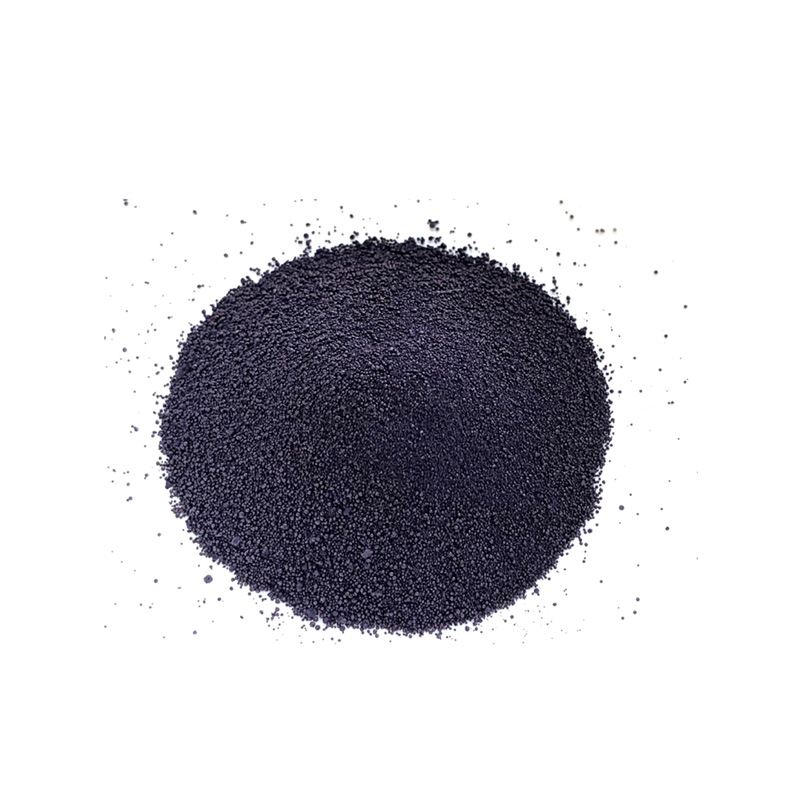
Indigo Blue Vat Blue
1.Name: indigo blue,vat blue 1,
2.Structure formula:
3.Molecule formula: C16H10N2O2
4.. CAS No.: 482-89-3
5.Molecule weight: 262.62
6.HS code: 3204151000
7.Major usage and instruction: Be mainly used to dye cotton fabrics.