Achieving the precise depth of blue required for high-end denim often leads manufacturers to seek specialized solutions like odm japanese indigo cloth. The challenge lies in balancing the traditional aesthetic of deep, rich indigo with the modern industrial requirement for consistency and scalability. For textile designers, the ability to control the shade from midnight blue to vintage faded tones is what defines the market value of the final garment.
This pursuit of color precision is where the synergy between high-grade raw dyes and specialized cloth manufacturing becomes critical. The integration of products such as Indigo Blue and Bromo Indigo allows for a broader spectrum of shades, enabling the production of denim that meets rigorous international quality standards. When the chemical properties of the dye—such as moisture levels and strength—are optimized, the resulting cloth exhibits superior color retention and durability.
Understanding the technical nuances of the dyeing process is essential for brands aiming to compete in the sustainable fashion sector. By analyzing the chemical behavior of indigo derivatives and their application on cotton yarns, manufacturers can reduce waste and improve efficiency. This guide explores the technical and procurement aspects of odm japanese indigo cloth to help buyers make informed decisions based on material science and production capabilities.


The process of producing odm japanese indigo cloth centers on the unique property of indigo as a vat dye. Unlike traditional dyes that bond directly to the fiber, indigo resides primarily on the surface of the cotton yarn. This creates the characteristic "ringing" effect where the color fades over time and through wear, a feature highly prized in the denim industry for its authentic vintage appeal.
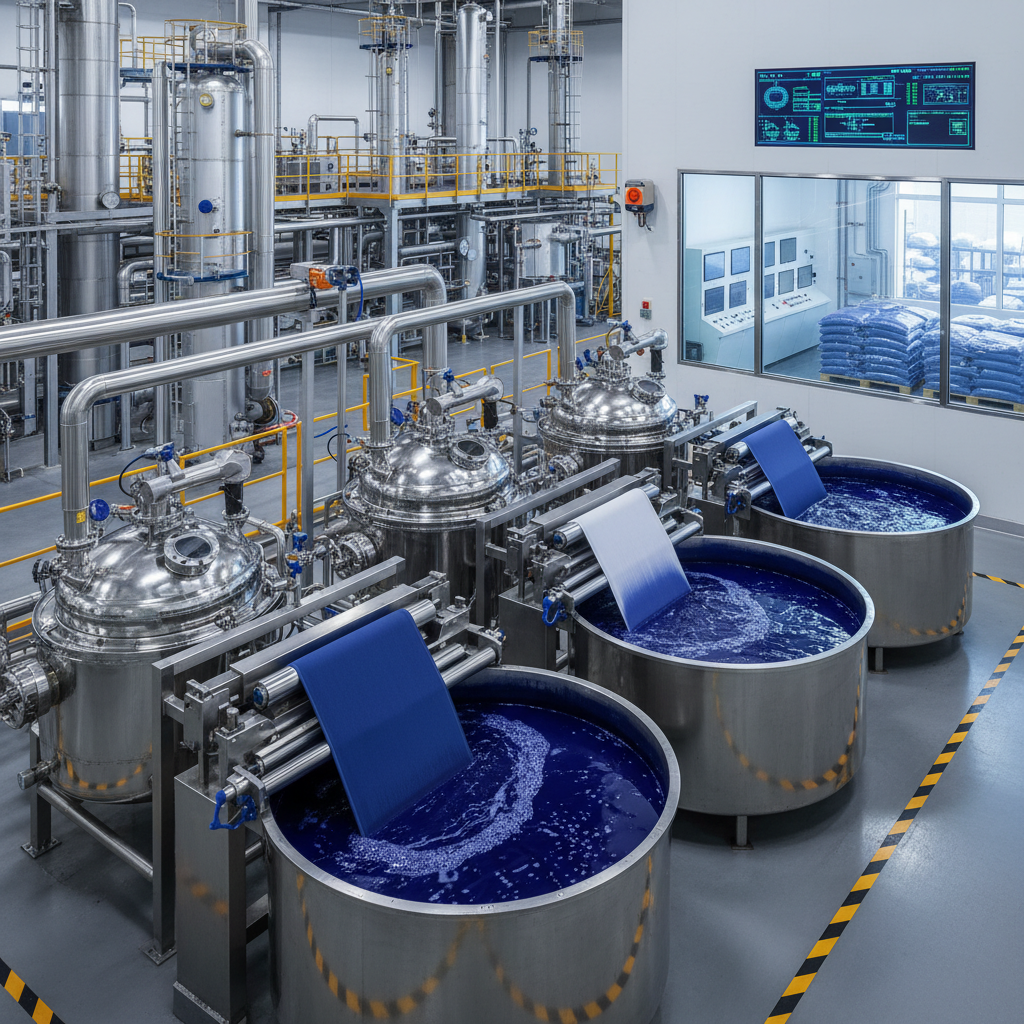
To achieve this, the indigo powder must be reduced to a soluble form known as leuco-indigo before it can penetrate the fabric. The precision of this chemical reduction, combined with the quality of the raw powder, determines the uniformity of the shade. High-standard indigo ensures that the dark blue powder transforms consistently, preventing splotches or uneven coloring across large fabric rolls.
The performance of the finished cloth depends heavily on the technical specifications of the dye used. Strength, typically categorized by crude powder grades such as 100 or 110, dictates the concentration of the active coloring agent. A higher strength allows for fewer dipping cycles to achieve deep shades, which can significantly reduce processing time and water usage in the factory.
Moisture control, strictly maintained between 2% and 5%, is the primary safeguard against dye clumping and uneven dispersion. Excessive moisture can lead to instability during the reduction process, resulting in unpredictable color shifts and reduced batch-to-batch consistency for high-volume ODM orders.
Beyond chemistry, the physical form of the dye—whether as a fine powder or granules—impacts the speed of dissolution. When combined with a robust quality control system and an experienced development team, these parameters ensure that the denim maintains its vibrant appearance even after multiple industrial washes, meeting the expectations of both designers and end consumers.
Bromo indigo represents a specialized evolution in the dye industry, offering a range of vibrant colors that extend beyond the limitations of standard indigo. By utilizing an innovative dyeing process, manufacturers can capture a wider array of shades, from the deepest rich blues to subtle, vintage-inspired hues. This versatility allows designers to push creative boundaries without sacrificing the durability of the garment.
The true value of Bromo indigo lies in its dual ability to enhance aesthetic appeal while minimizing environmental impact. By reducing water consumption and minimizing the production of harmful pollutants, it provides a competitive edge for brands targeting the sustainable fashion market.
Furthermore, Bromo indigo dyes are engineered for exceptional color fastness. This ensures that denim jackets, shorts, and jeans retain their depth and hue through rigorous use. When combined with secondary techniques like distressing or bleaching, these dyes provide a stable foundation that resists unpredictable fading, ensuring the final product remains high-quality throughout its lifecycle.
When evaluating suppliers for odm japanese indigo cloth, procurement teams often look at the relationship between dye strength and moisture levels. A balance between these two factors is essential for maintaining the stability of the dye bath. If moisture exceeds the 5% threshold, the risk of oxidation increases, which can lead to premature precipitation of the dye.
The following data represents a typical technical comparison of different indigo grades based on standard industrial requirements for denim production, highlighting how strength correlates with usage efficiency across different product categories.
The application of specialized indigo dyes varies significantly depending on the intended garment style. For raw denim jeans, a high-concentration indigo is required to create a deep blue exterior that contrasts sharply with the white core of the yarn. This creates the high-contrast fading patterns that are essential for the "selvedge" look often associated with premium Japanese-style cloth.
In contrast, for fashion-forward denim jackets or lightweight shorts, Bromo indigo is frequently employed to achieve specific tonal variations. These dyes are also highly compatible with modern printing and distressing techniques, allowing manufacturers to create intricate patterns or "pre-worn" looks that are consistent across thousands of units, ensuring the brand's visual identity is maintained across global markets.
The textile industry is shifting toward a circular economy, placing immense pressure on the chemistry of dyes. The development of eco-friendly indigo derivatives that require fewer reducing agents is a primary focus. Future advancements are likely to emphasize the reduction of chemical runoff, moving toward closed-loop systems where water and dyes are recycled within the plant.
Digitalization is also impacting the ODM process. Precision dosing systems, integrated with laboratory quality control, are allowing for real-time adjustments of the dye bath. This ensures that a specific shade of blue can be replicated exactly, regardless of whether the production is happening in a plant in Inner Mongolia or a facility in Southeast Asia.
Ultimately, the integration of sustainable chemistry with high-capacity production will define the next generation of denim. As consumers demand more transparency, the ability to prove that a dye is eco-friendly while maintaining a professional grade of color fastness will become the most critical factor for market success.
One of the most persistent challenges in indigo dyeing is the prevention of "crocking," where the dye rubs off on other surfaces. This is often caused by improper rinsing or an imbalance in the dye-to-fabric ratio. By strictly adhering to the quality standards for moisture and purity, manufacturers can ensure the dye is properly fixed to the fiber surface.
Another common issue is the instability of the shade during large-scale production. This is typically solved by implementing a rigorous independent laboratory check and using dyes with a consistent strength (e.g., Grade 110). This reduces the variability that occurs when switching between different batches of raw materials.
Storage and transportation also play a vital role. Indigo is sensitive to sunlight and moisture; therefore, airtight packaging in 20kg or 25kg cartons is necessary to prevent degradation. Proper warehouse ventilation and the use of emergency containment materials are essential safety protocols for any professional dye operation.
| Dye Type | Primary Use | Key Advantage | Standard Grade |
|---|---|---|---|
| Indigo Blue | Classic Denim | Authentic Fading | Crude 100/110 |
| Bromo Indigo | Fashion Denim | Vibrant Shades | Eco-Friendly |
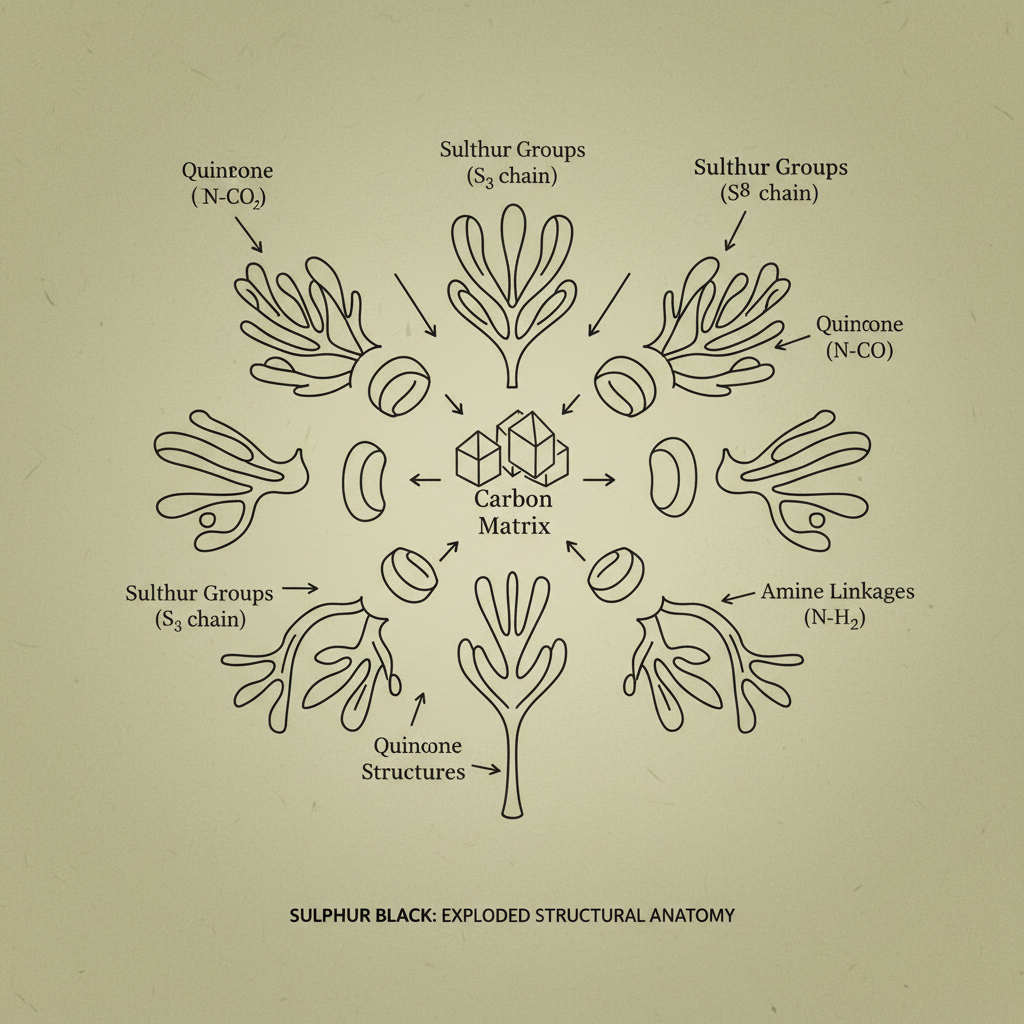
| Sulphur Black | Black Denim | Deep Saturation | Industrial Grade |
| Indigo Granule | High Volume | Easier Handling | 20,000t Cap |
| Indigo Powder | Custom Batches | Rapid Dissolution | Moisture ≤5% |
| Pigment Blue | Surface Coating | High Stability | Specialized |
Bromo indigo offers a wider spectrum of vibrant and long-lasting colors compared to standard indigo. While standard indigo is ideal for traditional deep blue denim, Bromo indigo provides designers with more flexibility to create unique, eye-catching shades and vintage-inspired hues while being more eco-friendly and reducing water consumption during the dyeing process.
Moisture levels must be kept between 2% and 5% to ensure dye stability. If the moisture content is too high, the dye powder may clump or oxidize prematurely, leading to uneven color distribution on the fabric. Maintaining low moisture ensures a consistent reduction process and a uniform shade across the entire production run.
Strength refers to the concentration of the active coloring agent in the crude powder. Grade 100 or 110 indicates a high-purity dye that allows manufacturers to achieve the desired color depth with fewer dipping cycles. This increases production efficiency and reduces the amount of chemical waste generated per ton of fabric.
Indigo dyes should be stored in a cool, ventilated, and dry warehouse with airtight packaging. They must be protected from exposure to sunlight, rain, and moisture to prevent degradation. When stored correctly, the products typically have a validity period of two years.
Yes, Bromo indigo is highly versatile and can be used in combination with distressing, bleaching, and printing techniques. Its exceptional color fastness ensures that even after intensive distressing, the remaining color stays vibrant and does not shift unexpectedly, allowing for precise creative control.
Industrial indigo is typically supplied in 20kg cartons or 25kg bags. For large-scale logistics, these are shipped in 20’GP containers (up to 9mt without pallets) or 40’HQ containers (up to 25mt), depending on whether pallets are used and the specific requirements of the customer.
The production of high-quality odm japanese indigo cloth is a complex intersection of chemical precision and textile artistry. By focusing on critical parameters such as dye strength and moisture control, and by embracing innovative solutions like Bromo indigo, manufacturers can deliver denim that balances traditional aesthetics with modern sustainability. The ability to control the nuance of blue while ensuring color fastness remains the primary differentiator in the global denim market.
For companies seeking reliable raw materials and professional dyeing expertise, partnering with an experienced manufacturer is key. From high-capacity production plants in Inner Mongolia to rigorous laboratory testing, the right supply chain ensures consistency and quality. To explore a wide range of high-performance dyes and pigments tailored for the denim industry, you are invited to visit www.wuxin-group.com for more technical information.