Indigo apparel, deeply rooted in history and now experiencing a modern renaissance, represents more than just a color or a style; it's a testament to enduring craftsmanship and sustainable practices. From ancient dyeing techniques to contemporary fashion, indigo continues to captivate designers and consumers alike. The resurgence of interest stems from a growing awareness of the environmental impact of fast fashion and a desire for ethically sourced, high-quality garments.
Globally, the demand for indigo apparel is surging, driven by a confluence of factors including increasing disposable incomes, heightened fashion consciousness, and a renewed emphasis on natural and organic materials. The United Nations Sustainable Development Goals, particularly those related to responsible consumption and production, are indirectly fueling this trend as consumers actively seek out brands that align with their values. Statistics show a consistent year-on-year growth in the organic cotton market—a key component in many indigo dyeing processes—highlighting the broader shift towards sustainable textiles.
Understanding indigo apparel is crucial for both industry professionals and conscious consumers. It provides a pathway to appreciating the artistry behind textile production, supporting ethical labor practices, and reducing the environmental footprint of our wardrobes. This knowledge empowers informed decision-making, fostering a more sustainable and equitable fashion industry.
The Historical Development of indigo apparel
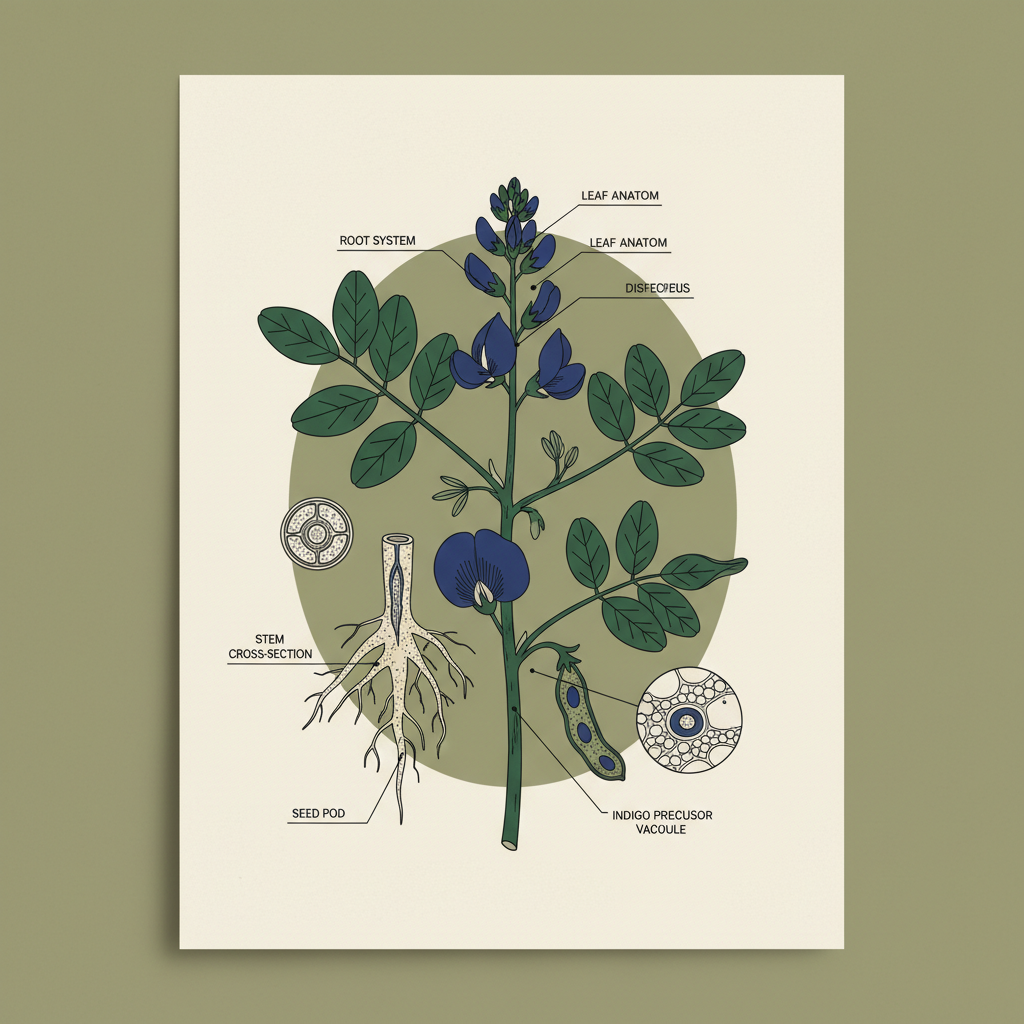
The history of indigo apparel stretches back millennia, with evidence of its use dating back to ancient civilizations in India, Egypt, and Peru. Initially, indigo wasn’t employed as a widespread fashion color, but rather for ritualistic or symbolic purposes. The painstaking process of extraction from plants like Indigofera tinctoria limited its availability.
Over centuries, the knowledge of indigo dyeing spread through trade routes, becoming particularly significant in Japan with techniques like shibori and in West Africa with intricate adire cloth. The arrival of synthetic indigo in the late 19th century revolutionized the industry, making the color more accessible and affordable, but also introducing new environmental concerns related to waste water.
The Science of Indigo Dyeing
Indigo dyeing is a unique process rooted in chemistry and reliant on oxidation-reduction reactions. Unlike many other dyes, indigo isn't directly soluble in water. It requires a reducing agent – traditionally lye or bran – to convert it into a water-soluble leuco-indigo form, which can then penetrate the fibers of the fabric.
Once the fabric is immersed in the leuco-indigo solution, exposure to air initiates oxidation, causing the indigo to revert to its insoluble form and become trapped within the fibers, creating the characteristic blue hue. The depth of the color is determined by the number of dips and the duration of oxidation. This process is further complicated by factors like water pH, temperature, and the type of fiber.
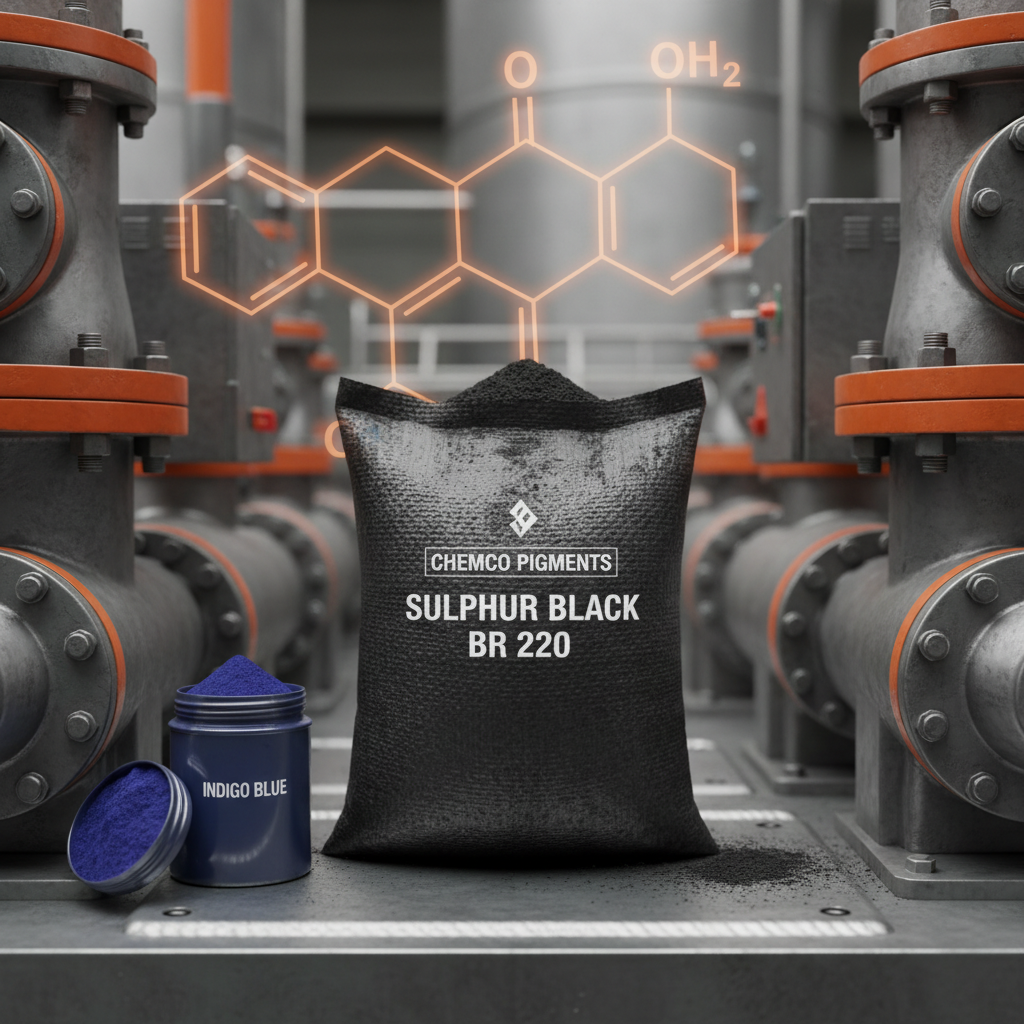
Modern indigo dyeing utilizes a variety of techniques, including vat dyeing and sulfur dyeing, alongside traditional methods. The development of more environmentally friendly reducing agents and waste water treatment technologies is a major focus of ongoing research within the indigo apparel industry.
Sustainability in Indigo Apparel Production
Historically, indigo dyeing presented significant environmental challenges, primarily due to the release of toxic chemicals in waste water. Traditional methods often involved harsh chemicals and large volumes of water, contributing to pollution and resource depletion. However, a growing movement towards sustainability is transforming the industry.
Sustainable practices include utilizing organic cotton, employing natural reducing agents, implementing closed-loop water recycling systems, and adopting innovative dyeing techniques like foam dyeing, which significantly reduces water consumption. Furthermore, brands are increasingly prioritizing transparency in their supply chains, ensuring fair labor practices and minimizing their carbon footprint. The use of plant-based indigo alternatives is also gaining traction.
The rise of certifications like GOTS (Global Organic Textile Standard) and OEKO-TEX Standard 100 provides consumers with assurance that indigo apparel meets stringent environmental and social criteria. Supporting brands committed to these standards is a powerful step towards a more sustainable fashion future.
Durability and Longevity of Indigo Fabrics
Indigo-dyed fabrics, particularly those made from high-quality cotton or linen, are renowned for their durability and longevity. The dye penetrates the fibers deeply, creating a color that doesn't easily fade with repeated washing or wear. This inherent strength contributes to the slow fashion movement, encouraging consumers to invest in pieces that will last.
The unique fading patterns characteristic of indigo denim – often celebrated as a sign of individuality – are not indicative of fabric weakness but rather a natural consequence of the dyeing process and wear. Proper care, such as washing inside out in cold water, can further extend the life of indigo apparel.
Durability Ratings of Different Indigo Dyeing Methods
Global Market Trends for Indigo Apparel
The global market for indigo apparel is experiencing robust growth, driven by changing consumer preferences and increased awareness of sustainable fashion. Demand is particularly strong in North America and Europe, but emerging markets in Asia-Pacific are also exhibiting significant potential.
Key trends include the rise of "raw denim" – unwashed and untreated indigo jeans – and the increasing popularity of indigo-dyed shirting, dresses, and outerwear. Furthermore, the demand for personalized and customized indigo apparel is growing, with brands offering bespoke dyeing and finishing services.
Ethical Considerations in the Indigo Supply Chain
The indigo supply chain, like many in the fashion industry, is complex and susceptible to ethical concerns. These include fair wages, safe working conditions, and the environmental impact of indigo production.
Ensuring transparency and traceability throughout the supply chain is crucial. Brands are increasingly implementing auditing programs and partnering with organizations that promote ethical labor practices. Consumers can also play a role by supporting brands that prioritize fair trade and responsible sourcing.
The use of natural indigo, while generally more sustainable than synthetic alternatives, can still have ethical implications if not sourced responsibly. It’s vital to ensure that indigo farmers receive fair prices for their crops and that land management practices are sustainable.
Innovative Applications of Indigo Technology
Ongoing research and development are driving innovation in indigo technology, leading to more sustainable and efficient dyeing processes. New techniques like electrochemical indigo reduction offer a promising alternative to traditional chemical reducing agents, minimizing environmental impact.
Furthermore, advancements in biotechnology are exploring the potential of using microorganisms to produce indigo, offering a renewable and eco-friendly source of the dye. Digital printing techniques are also being adapted for indigo dyeing, enabling more precise and customizable designs.
The development of closed-loop systems that recycle water and chemicals is another key area of innovation, reducing waste and minimizing the environmental footprint of indigo apparel production.
Summary of Innovations in Indigo Technology
| Technology |
Sustainability Impact |
Cost Efficiency |
Scalability |
| Electrochemical Indigo Reduction |
High - Reduces chemical usage significantly. |
Medium - Initial investment can be high. |
Medium - Requires specialized equipment. |
| Biotechnological Indigo Production |
Very High - Renewable resource, minimal waste. |
Low - Potential for cost-effective production. |
Low - Currently in early stages of development. |
| Foam Dyeing |
Medium - Reduces water consumption by 70-90%. |
High - Lower water and energy costs. |
High - Easily adaptable to existing processes. |
| Digital Indigo Printing |
Medium - Reduces dye waste and water usage. |
Medium - Cost-effective for small-batch production. |
Medium - Throughput can be a limitation. |
| Closed-Loop Water Recycling |
Very High - Eliminates water discharge. |
Medium - Initial investment for treatment systems. |
High - Scalable to various production sizes. |
| Advanced Oxidation Processes (AOPs) for Waste Water |
High - Removes residual dyes and pollutants. |
Medium - Energy costs associated with AOPs. |
High - Widely applicable to various wastewater streams. |
FAQS
Traditional indigo dyeing often relies on harsh chemicals like sodium hydrosulfite for reduction, generating significant amounts of polluted wastewater containing toxic byproducts. The excessive water usage and energy consumption also contribute to environmental degradation. Furthermore, the sourcing of synthetic indigo can involve environmentally damaging processes. Choosing organic indigo and supporting sustainable dyeing practices can help mitigate these concerns.
Look for certifications like GOTS (Global Organic Textile Standard) and OEKO-TEX Standard 100, which ensure that the garment meets stringent environmental and social criteria. Check if the brand is transparent about its supply chain and manufacturing processes. Consider supporting brands that use natural indigo, implement water recycling systems, and prioritize fair labor practices. Researching a brand's sustainability policies can provide valuable insights.
Natural indigo is derived from the leaves of Indigofera tinctoria and other indigo-bearing plants, requiring a traditional fermentation process. Synthetic indigo is chemically produced, typically from aniline, a petroleum-based derivative. While synthetic indigo is more readily available and consistent in color, natural indigo is considered more sustainable, although responsible sourcing is crucial for both.
Foam dyeing dramatically reduces water consumption – up to 70-90% compared to conventional methods – by applying the dye in a foam medium rather than a full bath. This also lowers energy usage, minimizes dye waste, and improves fabric quality. It's a highly efficient and environmentally friendly alternative for indigo dyeing.
Raw denim refers to indigo-dyed denim fabric that hasn't been washed or treated after dyeing. This results in a more intense color and unique fading patterns as the denim conforms to the wearer's body. It’s popular because of its personalized look, durability, and the slow-fashion ethos it represents, as it’s meant to be a long-lasting garment.
Wash indigo apparel inside out in cold water with a mild detergent. Avoid using bleach or harsh chemicals. Line dry whenever possible to prevent fading and shrinkage. For denim, limit washing frequency to maintain the unique fading patterns and extend the garment’s lifespan. Spot clean when appropriate instead of full washes.
Conclusion
Indigo apparel, steeped in history and continuously evolving through innovation, represents a compelling intersection of craftsmanship, sustainability, and style. From its ancient origins to modern applications, the unique properties and aesthetic appeal of indigo continue to captivate. By prioritizing ethical sourcing, sustainable production methods, and conscious consumption, we can unlock the full potential of indigo apparel while minimizing its environmental footprint.
Looking ahead, continued investment in innovative dyeing technologies, biotechnology, and closed-loop systems will be crucial for further advancing the sustainability of the indigo industry. Consumers can play a vital role by supporting brands committed to responsible practices and advocating for greater transparency throughout the supply chain. Visit our website at indigo apparel to learn more about our commitment to sustainable indigo solutions.