0%

Table of Contents

Sulphur black br 220, a crucial dye in the textile industry, plays a vital role in achieving deep, consistent black shades on cellulosic fibers like cotton. Its global demand is driven by the ever-increasing apparel market and the persistent need for cost-effective and reliable black coloration. Understanding its properties, applications, and emerging trends is paramount for manufacturers, researchers, and sustainability advocates alike.

The significance of sulphur black br 220 extends beyond aesthetics. It’s a cornerstone in producing workwear, uniforms, and other textiles requiring durable colorfastness. The dye's affordability and relative ease of application contribute to its widespread use, particularly in developing economies. However, environmental concerns regarding its production and wastewater treatment necessitate ongoing innovation and the adoption of cleaner technologies.

The impact of sulphur black br 220 ripples through the entire textile supply chain, from cotton farmers to garment retailers. Its availability and price stability directly affect production costs and ultimately, consumer prices. Efficient utilization and responsible disposal of this dye are critical for building a more sustainable and ethical textile industry, mitigating the environmental footprint of fashion, and promoting a circular economy.
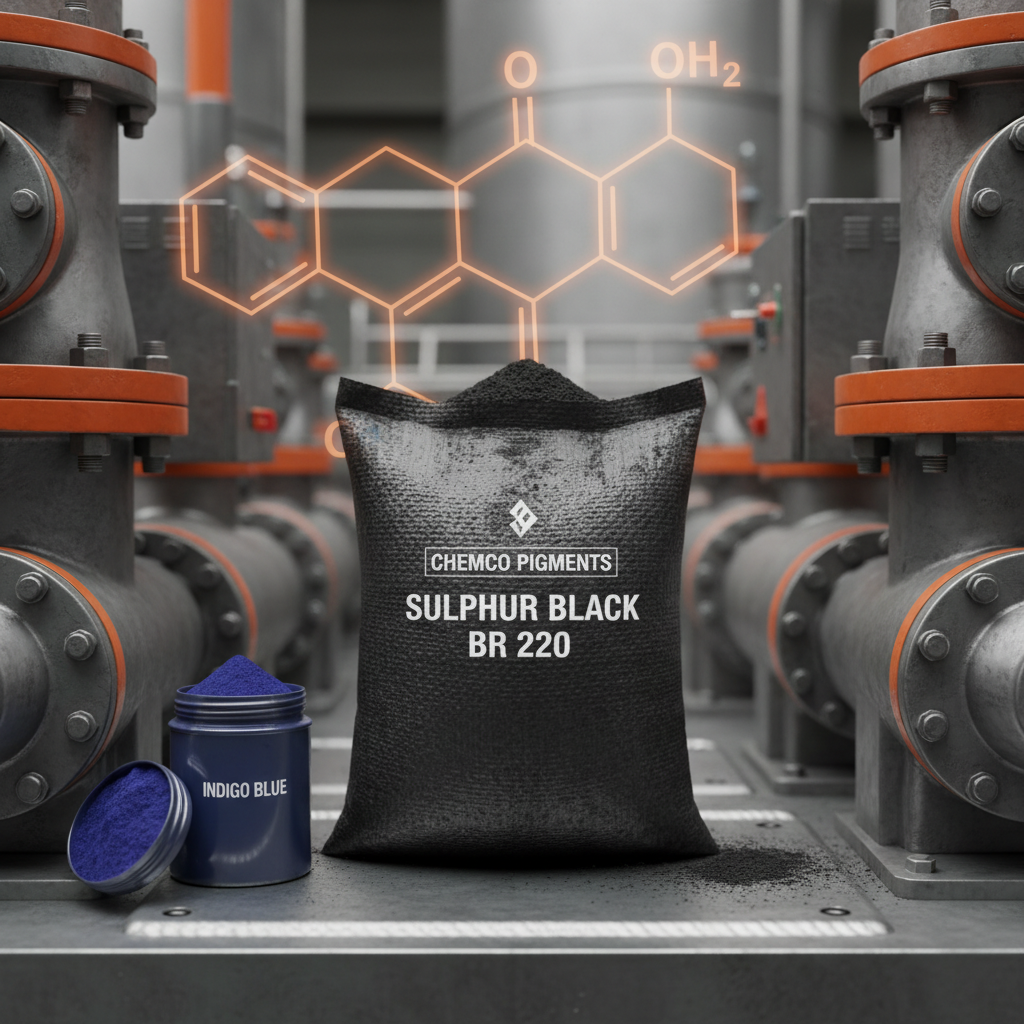
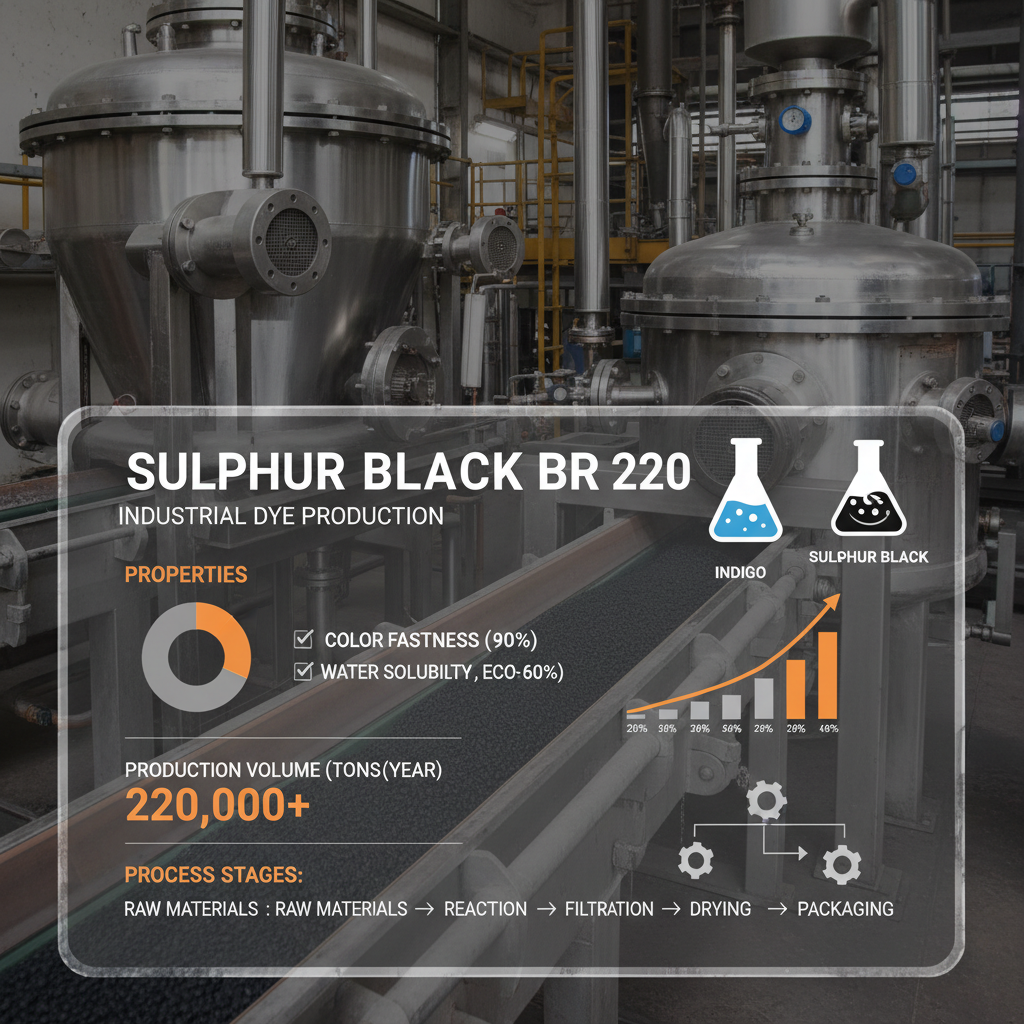
Exploring the Significance of Sulphur Black BR 220 in Textile Dyeing Applications

Introduction: Global Relevance of sulphur black br 220

Exploring the Significance of Sulphur Black BR 220 in Textile Dyeing Applications

Sulphur black br 220 holds a dominant position within the global textile dyeing landscape, accounting for a significant proportion of all black shades produced worldwide. According to industry reports, the global textile dyes market was valued at over $7.5 billion in 2023, with sulphur dyes contributing substantially to this figure. This prevalence is particularly strong in regions with large-scale textile manufacturing, such as China, India, and Bangladesh.

The demand for sulphur black br 220 is closely linked to the fashion industry’s cyclical trends and the consumer preference for black clothing. Statistics demonstrate that black remains a consistently popular color choice across various apparel categories. The dye’s affordability and ability to deliver a consistent, deep black, make it a preferred choice for mass-produced items.

A growing challenge lies in balancing the high demand for sulphur black br 220 with increasing environmental regulations. Traditional sulphur dyeing processes generate significant wastewater containing reduced sulphur compounds and other pollutants, demanding innovative solutions for effective treatment and mitigation. The industry is actively seeking more sustainable alternatives and improved application techniques to minimize its environmental impact.

Defining Sulphur Black BR 220

Sulphur black br 220 is a complex, synthetic organic dye belonging to the sulphur dye class. It's not a single molecule but rather a mixture of polymeric substances produced by reacting organic compounds with sulphur and sodium sulfide. This process creates an insoluble dye that is applied to cellulosic fibers, such as cotton, linen, and viscose, through a reduction-oxidation process.

Its primary function is to impart a deep, durable black color to textiles. Unlike many other black dyes, sulphur black br 220 offers excellent wash fastness and lightfastness, making it suitable for garments requiring frequent cleaning and exposure to sunlight. This characteristic is vital for workwear, denim, and other durable goods.

The development of sulphur dyes, including br 220, revolutionized textile dyeing in the late 19th century, providing an economical alternative to natural dyes and expanding the availability of black coloration. It connects directly to modern industrial production by enabling efficient and cost-effective dyeing processes, supporting a vast sector of the clothing industry.

Key Properties of sulphur black br 220

One of the most crucial properties of sulphur black br 220 is its exceptional colorfastness. This refers to the dye's resistance to fading or bleeding when exposed to washing, light, rubbing, and other environmental factors. The polymeric structure of the dye, combined with its strong interaction with cellulose fibers, contributes to its excellent durability.

Another important characteristic is its relatively low cost compared to other black dye alternatives like reactive or vat dyes. This affordability makes it a popular choice for large-scale textile production, especially in price-sensitive markets. The lower production cost is linked to the availability of raw materials and the simplicity of the dyeing process.

Sulphur black br 220 also exhibits good leveling properties, meaning it distributes evenly across the fabric, resulting in uniform coloration. This is vital for achieving consistent results, particularly in large batches. Furthermore, it demonstrates good penetration into the fiber, ensuring long-lasting color retention.

Application Areas and Industrial Uses

The primary application of sulphur black br 220 lies within the textile industry, specifically in dyeing cotton, linen, rayon, and other cellulosic fabrics. It is extensively used in the production of denim jeans, workwear, military uniforms, and a wide range of everyday clothing items. Its excellent wash fastness makes it especially suitable for garments subjected to frequent laundering.

Beyond apparel, sulphur black br 220 finds application in dyeing industrial textiles, such as tarpaulins, canvas, and filtration cloths. These materials require high durability and resistance to fading, making sulphur black br 220 an ideal choice. The dye is also used in producing black cotton yarns for various textile applications.

Globally, regions with significant textile manufacturing, like China, India, Bangladesh, and Pakistan, represent the largest consumers of sulphur black br 220. Within these countries, large-scale dyeing facilities and garment factories rely heavily on this dye for their black coloration needs, meeting both domestic and export demands.

Sulphur Black BR 220 Dyeing Method Efficiency


Advantages and Limitations of sulphur black br 220

The key advantage of sulphur black br 220 lies in its cost-effectiveness. It's significantly cheaper than many alternative black dyes, making it accessible for large-scale production runs. Coupled with its excellent wash and light fastness, this affordability makes it a compelling option for manufacturers. sulphur black br 220 offers a reliable black shade.

However, sulphur black br 220 has limitations. The dyeing process can generate substantial wastewater containing reduced sulphur compounds, which pose environmental concerns. Treatment of this wastewater requires specialized equipment and adds to the overall production cost. Furthermore, the dye may exhibit a slight tendency to bleed during the initial washes, although this can be mitigated with proper after-treatment processes.

Global Market Trends and Future Outlook

The global market for sulphur black br 220 is experiencing moderate growth, driven by the expanding textile industry, particularly in emerging economies. However, increasing environmental regulations and the growing demand for sustainable textiles are influencing market dynamics. Manufacturers are under pressure to adopt cleaner production methods and reduce their environmental footprint.

A key trend is the development of improved wastewater treatment technologies specifically designed for sulphur dye effluent. These technologies aim to remove harmful sulphur compounds and reduce the overall environmental impact of the dyeing process. Research is also focused on developing more sustainable sulphur dye formulations with lower environmental impact.

Sustainability and Environmental Considerations

The environmental impact of sulphur black br 220 production and application remains a significant concern. Traditional dyeing processes generate large volumes of wastewater containing reduced sulphur compounds, which can pollute waterways and harm aquatic life. This necessitates stringent wastewater treatment protocols and ongoing innovation in cleaner dyeing technologies.

Sustainable practices, such as optimizing dye usage, implementing closed-loop water systems, and utilizing advanced wastewater treatment methods, are crucial for mitigating the environmental impact. The adoption of eco-friendly auxiliaries and the exploration of alternative dyeing processes, such as enzymatic dyeing, can further enhance sustainability.

Ultimately, a shift towards a circular economy model, where textile waste is minimized and materials are reused or recycled, is essential for creating a more sustainable textile industry and reducing the reliance on virgin dyes like sulphur black br 220.

Sustainability Analysis of Sulphur Black BR 220 Dyeing Processes

Dyeing Method Water Consumption (L/kg fabric) Wastewater Treatment Cost ($/m3) Environmental Impact Score (1-10, 1=low, 10=high)
Traditional Sulphur Dyeing 80-120 50-80 8
Optimized Sulphur Dyeing 60-90 40-60 6
Low-Impact Sulphur Dyeing 40-60 30-50 5
Enzymatic Sulphur Dyeing (Pilot) 30-50 20-40 3
Closed-Loop Dyeing System 10-20 70-100 2
Reactive Dyeing (Alternative) 50-70 60-90 7

FAQS

What are the main environmental concerns associated with using sulphur black br 220?

The primary environmental concern is the wastewater generated during the dyeing process. This wastewater often contains reduced sulphur compounds like sodium sulfide, which can be highly polluting to waterways. Untreated discharge can lead to oxygen depletion, harming aquatic life and impacting water quality. Furthermore, the production of sulphur black br 220 itself can generate air pollutants if not properly controlled. Compliance with environmental regulations and the implementation of effective wastewater treatment systems are crucial to mitigating these impacts.

How does sulphur black br 220 compare to other black dyes in terms of cost?

Sulphur black br 220 is generally one of the most cost-effective black dyes available, especially for large-scale production. Compared to reactive dyes or vat dyes, it typically has a lower price per unit weight. This affordability makes it a popular choice for manufacturers seeking to minimize dyeing costs, particularly in price-sensitive markets. However, the overall cost comparison should also consider wastewater treatment expenses, as sulphur dyeing can generate significant effluent.

What fabrics is sulphur black br 220 best suited for dyeing?

Sulphur black br 220 exhibits excellent affinity for cellulosic fibers, making it ideal for dyeing cotton, linen, rayon, and viscose. It’s particularly well-suited for fabrics requiring good wash and light fastness, like denim, workwear, and uniforms. While it can be used on other fiber types with appropriate pre-treatment and dyeing conditions, the results are generally less satisfactory than with cellulosic materials.

What are the common methods for treating wastewater generated from sulphur black br 220 dyeing?

Common wastewater treatment methods include chemical oxidation (using hydrogen peroxide or ozone) to convert reduced sulphur compounds to less harmful substances. Biological treatment processes, such as activated sludge, can also be employed to further degrade the pollutants. Additionally, technologies like adsorption using activated carbon and membrane filtration are used to remove residual dyes and contaminants. Effective treatment often involves a combination of these methods to achieve regulatory compliance.

What are the emerging sustainable alternatives to sulphur black br 220?

Researchers are exploring several sustainable alternatives, including bio-based dyes derived from natural sources like plants and microorganisms. Enzymatic dyeing processes, which utilize enzymes to catalyze the dye-fiber reaction, offer a lower environmental impact. Additionally, the development of more efficient and eco-friendly sulphur dye formulations and improved wastewater treatment technologies represent promising avenues for enhancing sustainability.

How can dyeing facilities improve the sustainability of their sulphur black br 220 processes?

Facilities can improve sustainability by optimizing dye recipes to minimize dye usage, implementing closed-loop water systems to reduce water consumption, and investing in advanced wastewater treatment technologies. Switching to eco-friendly auxiliaries and adopting best practices for chemical handling and storage are also crucial steps. Furthermore, embracing a circular economy approach by exploring textile waste recycling and reuse can significantly reduce the overall environmental footprint.

Conclusion

Sulphur black br 220 remains a cornerstone of the textile dyeing industry, offering a cost-effective and reliable solution for achieving deep black shades on cellulosic fabrics. However, its environmental impact, particularly concerning wastewater generation, demands continuous innovation and a commitment to sustainable practices. By embracing advanced treatment technologies, optimizing dyeing processes, and exploring alternative dyes, the industry can mitigate the environmental challenges associated with this widely used dye.

Looking ahead, a collaborative effort involving manufacturers, researchers, and policymakers is crucial to driving the transition towards a more sustainable textile industry. Investing in research and development, promoting eco-friendly alternatives, and enforcing stricter environmental regulations are essential steps. Ultimately, adopting a circular economy model, where textile waste is minimized and resources are reused, will be key to ensuring the long-term viability and responsible use of sulphur black br 220 and the broader textile industry. For more information and innovative solutions, visit our website: www.wuxin-group.com

Robert Hayes

Robert Hayes

Robert Hayes is the Senior Market Analyst at WUXIN GROUP, focusing on denim dye trends in North and South America. With over 15 years of experience in the chemical industry, Robert specializes in understanding the evolving demands of textile manufacturers. He holds a degree in Chemical Engineering from Texas A&M
Previous Optimizing Sulphur Black Factory Operations for Quality and Sustainability
Next The Enduring Appeal of Indigo Apparel History Sustainability and Modern Trends