

Understanding High Quality Indigo Dyes: Benefits, Applications & Innovations
High Quality Indigo Dyes: A Vital Asset in the Textile Industry
When we talk about high quality indigo dyes, we might immediately think of that iconic blue hue adorning our favorite denim jeans. Yet, these dyes represent much more than just color—they’re a critical element weaving history, culture, and modern innovation together in textiles worldwide. Understanding what makes indigo dyes “high quality” isn’t just about achieving a stunning shade of blue; it’s about ensuring long-lasting colorfastness, sustainability, and economic viability in an industry that touches billions globally.
Frankly, the global textile market depends heavily on the consistency and reliability of these dyes. Industry reports by the International Textile Manufacturers Federation (ITMF) estimate that indigo-dyed products make up a significant portion of textile exports - for instance, in 2022, apparel containing indigo dyes accounted for over 20% of global denim sales alone. But sustainability concerns and environmental regulations are pushing manufacturers to prioritize the “quality” aspect more than ever—demanding dyes that perform well without compromising on eco-friendliness.
What Are High Quality Indigo Dyes?
In straightforward terms, high quality indigo dyes are specially formulated pigments that provide vivid, long-lasting, and uniform coloration to fabrics, particularly cotton and denim. Unlike lower-grade counterparts, these dyes minimize fading after repeated washes, resist environmental degradation, and often come from sources or manufacturing processes that reduce ecological impact.
These dyes fill an essential role not only in fashion but also in humanitarian contexts—think of durable uniforms for aid workers or consistent textiles in developing regions where replacing garments isn’t straightforward. The quality of the dye directly relates to product longevity and user confidence.
Key Factors Defining High Quality Indigo Dyes
Durability
One of the core concerns with indigo dyeing is colorfastness—how well the color endures over time. High quality indigo dyes exhibit remarkable resistance to fading from sunlight, water, and friction. This makes them ideal for everyday wear and industrial applications.
Eco-Friendliness
Modern sourcing and production methods are crucial. High quality dyes often involve natural extraction or improved synthetic processes that reduce toxic waste and water usage. This matches the global push towards greener textiles, as per ISO 14001 environmental standards.
Consistency & Uniformity
A premium indigo dye ensures a consistent shade across batches, which is vital for brand integrity. Inconsistent coloration can be costly in mass production settings.
Scalability
The ability to scale production reliably matters for large enterprises. High quality indigo dyes are designed to support industrial-scale dyehouses without sacrificing performance.
Cost Efficiency
While high quality dyes often come at a slight premium, their benefits in durability and lower waste ultimately reduce total lifecycle costs, balancing out the initial investment.
| Feature | Standard Metric | Notes |
|---|---|---|
| Colorfastness (Wash) | Grade 4-5 (ISO 105-C06) | Minimizes fading after repeated washing |
| Water Usage | Efficient dye formulation | |
| Toxic Chemical Content | Nil to minimal (OECD standards) | Safe for users and environment |
| Dye Concentration | >95% purity | Ensures vibrant hues |
| Batch Consistency | ±2% shade variation | Reliable production quality |
Mini takeaway: The best indigo dyes marry durability, eco-conscious practices, and consistency, setting the foundation for reliable, sustainable textiles.
Global Applications of High Quality Indigo Dyes
These dyes have broad use beyond the classic denim jean. For instance:
- Fashion Industry: From premium denim brands in Japan to fast fashion hubs in Europe, high quality indigo dyes are a staple.
- Workwear and Uniforms: Durable dye is invaluable in industries like manufacturing, transportation, and disaster relief where clothing must endure tough conditions.
- Arts & Crafts: Artisans worldwide use indigo dyeing techniques for cultural textiles, maintaining tradition with modern pigments.
- Developing Economies: Regions in South Asia and Africa rely on robust, reliable fabric coloration for textile exports and local crafts, bolstering economic development.
For example, during post-disaster rebuilding in Southeast Asia, relief organizations prefer textiles dyed with high quality indigo dyes because they last longer and improve the dignity of recipients’ clothing. It’s not something you might think about daily, but it makes a meaningful difference.
Comparing Leading Vendors of Indigo Dyes
| Vendor | Eco-Certifications | Purity % | Typical Applications | Price Tier |
|---|---|---|---|---|
| Supplier A | GOTS, OEKO-TEX | 98% | Fashion, sustainable lines | High |
| Supplier B | ISO 14001 | 95% | Industrial use, workwear | Medium |
| Supplier C | None | 92% | Budget textiles | Low |
Mini takeaway: Choosing a vendor balances certification, purity, and cost—a decision tied closely to intended use and sustainability goals.
Why Choose High Quality Indigo Dyes? Advantages & Long-Term Value
It comes down to a combination of tangible and intangible benefits:
- Longer garment life: Reducing frequent replacements saves money and resources.
- Environmental impact: Cleaner production means less pollution, aligning with global climate goals.
- Social dignity and safety: Durable clothing offers comfort and protection, especially in harsh working environments.
- Brand reputation: Products with consistent, high-quality dye elevate brand trust among consumers.
Future Trends & Innovations in Indigo Dyeing
The future looks promising—and frankly, quite fascinating. Advances in biotechnology are enabling indigo production via microbial fermentation methods, drastically lowering chemical waste. Digital color management technology helps achieve repeatable dye consistency down to very fine shade nuances. Policies pushing for waterless dyeing processes and circular economy textile models are accelerating innovation.
Plus, AI-driven analytics can optimize dye recipes for specific fabric blends or environmental conditions. It feels like the industry is on the cusp of a sustainable revolution, where high quality indigo dyes will play an even bigger role.
Challenges & Solutions in Using High Quality Indigo Dyes
Despite many benefits, challenges remain. Achieving zero-waste production is tough, and cost premiums can deter smaller producers. Supply chain reliability sometimes gets overlooked, leading to batch inconsistency.
Experts recommend:
- Developing partnerships with certified suppliers to ensure steady quality and supply.
- Investing in water recycling and cleaner technology to minimize environmental footprints.
- Advocating for industry-wide standards to elevate baseline dye quality globally.
FAQ: Common Questions About High Quality Indigo Dyes
Q: How do high quality indigo dyes differ from standard dyes?A: They offer superior colorfastness, environmental safety, and consistent batches, which standard low-cost dyes often lack.
Q: Can high quality indigo dyes be used on fabrics other than cotton?
A: Yes, while cotton is most common, with appropriate formulation, these dyes can be applied to blends and even some synthetic fibers.
Q: Are these dyes eco-friendly?
A: Many high quality indigo dyes meet certifications like GOTS or OEKO-TEX, ensuring safer chemical profiles and sustainable sourcing.
Q: What is the typical shelf life of high quality indigo dyes?
A: If stored properly—cool, dry, sealed—these dyes generally maintain efficacy for 1–2 years.
Q: How can small manufacturers access high quality indigo dyes without prohibitive costs?
A: Collaboration through co-ops or bulk purchasing groups can reduce costs, as can selecting local certified suppliers to cut shipping and import fees.
Conclusion: The Long-Term Benefits of High Quality Indigo Dyes
To wrap up, investing in high quality indigo dyes is more than an aesthetic choice—it’s a commitment to durability, sustainability, and economic sense. Whether you’re a manufacturer, fashion brand, or industry innovator, these dyes help ensure your textiles stand the test of time and environmental expectations.
If you want to learn more or source reliable products, visit our website. We offer expertise and top-tier indigo dye solutions tailored for your unique needs.
Oddly enough, while it seems like just “blue dye,” high quality indigo is quietly revolutionizing how we color our world—with care that’s genuinely worth noticing.
Quick References:
-
Mastering the Art of China Japanese Indigo Dyeing Traditions
NewsApr.16,2026
-
Exploring the Elegance of China Deep Indigo Color in Textiles
NewsApr.09,2026
-
Discover High Quality China Jeans Blue Indigo for Global Markets
NewsApr.07,2026
-
Exploring the Rich Tradition of China Natural Indigo Dyed Fabric
NewsApr.04,2026
-
Exploring China Indigo Color in Nature History and Modern Applications
NewsMar.31,2026
-
Discover High Quality China Pure Indigo Powder for Vibrant Natural Dyeing
NewsMar.28,2026
-
Exploring the Rich History of China True Blue Indigo Textiles
NewsMar.26,2026
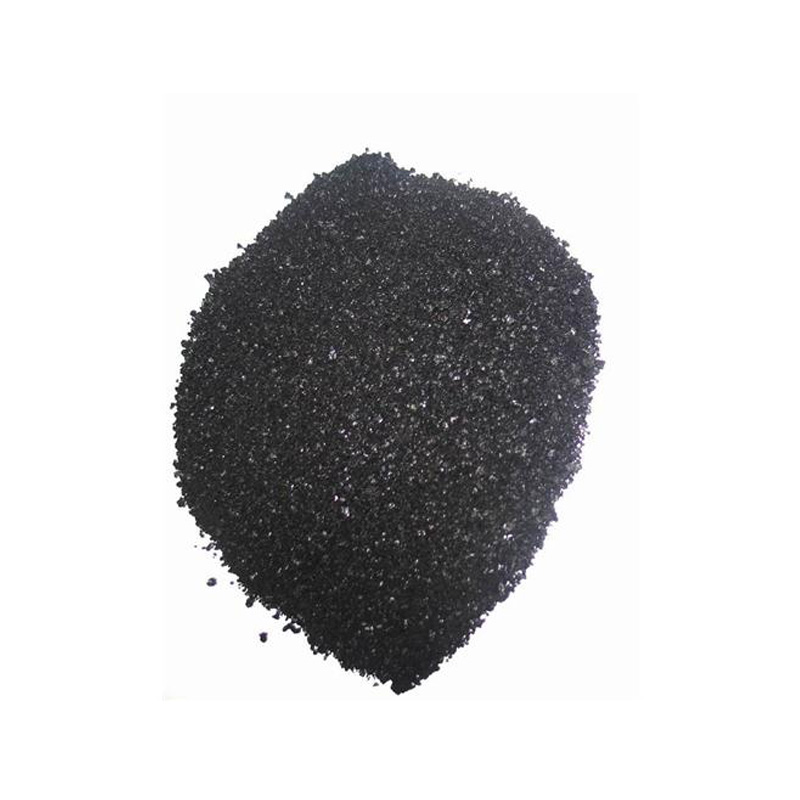
Sulphur Black
1.Name: sulphur black; Sulfur Black; Sulphur Black 1;
2.Structure formula:
3.Molecule formula: C6H4N2O5
4.CAS No.: 1326-82-5
5.HS code: 32041911
6.Product specification:Appearance:black phosphorus flakes; black liquid
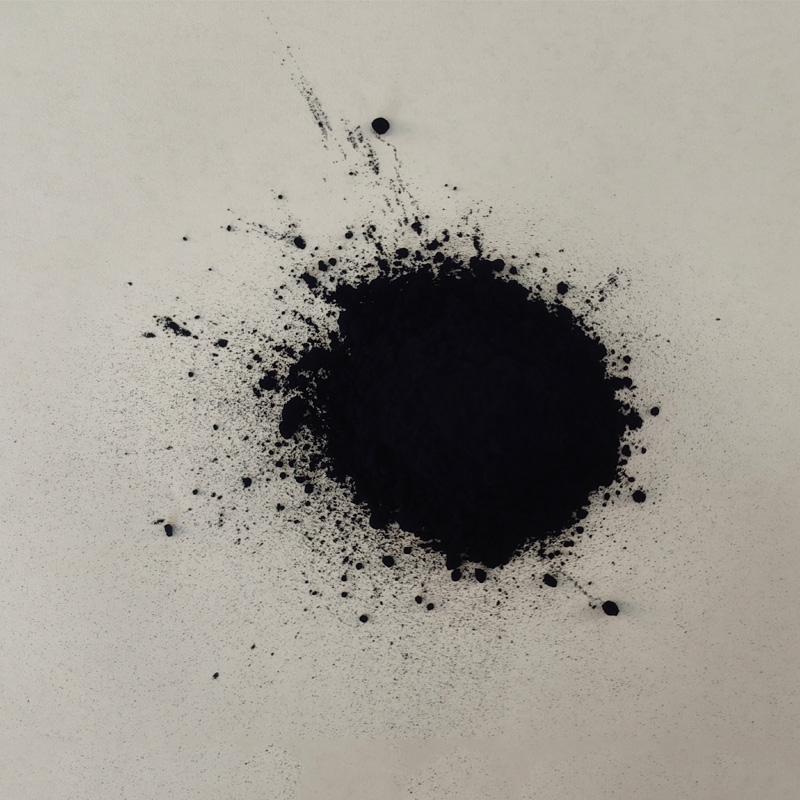
Bromo Indigo; Vat Bromo-Indigo; C.I.Vat Blue 5
1.Name: Bromo indigo; Vat bromo-indigo; C.I.Vat blue 5;
2.Structure formula:
3.Molecule formula: C16H6Br4N2O2
4.CAS No.: 2475-31-2
5.HS code: 3204151000 6.Major usage and instruction: Be mainly used to dye cotton fabrics.
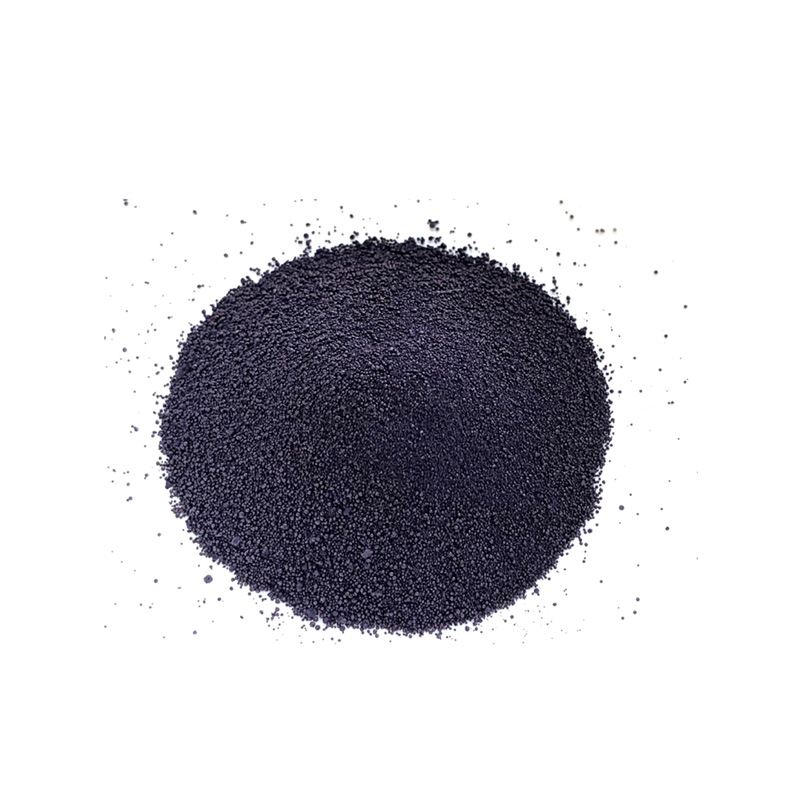
Indigo Blue Vat Blue
1.Name: indigo blue,vat blue 1,
2.Structure formula:
3.Molecule formula: C16H10N2O2
4.. CAS No.: 482-89-3
5.Molecule weight: 262.62
6.HS code: 3204151000
7.Major usage and instruction: Be mainly used to dye cotton fabrics.