

Comprehensive Guide to High Quality Instant Indigo: Benefits, Uses & Future Trends
Understanding High Quality Instant Indigo: Global Relevance and Industry Impact
High quality instant indigo might sound niche, but it’s actually a crucial player in several industries worldwide—textiles, dye manufacturing, and even sustainable fashion. With global textile production expected to cross $1.23 trillion by 2026 (Statista), mastering efficient, reliable dye products like these can reshape manufacturing workflows and environmental impact. Frankly, this pigment isn’t just about color; it links deeply to innovation, cost-efficiency, and green chemistry.
But why does it matter globally? In a world increasingly conscious about sustainability, fast production cycles, and product consistency, “high quality instant indigo” emerges as a solution that balances aesthetic demands with environmental responsibility. It’s used in everything from blue jeans to artistic fabrics, yet its production and application still face challenges, notably around chemical waste and uniformity.
Defining High Quality Instant Indigo
Simply put, high quality instant indigo refers to a refined form of indigo dye specially processed for rapid dissolving and application in textile dyeing. Unlike traditional indigo, which often requires lengthy reduction processes, instant indigo is ready to use, dissolving quickly in water and offering consistent coloring results.
This is a game-changer for manufacturers and designers who want vibrant, lasting colors without complex preparation steps. More than aesthetics, it ties closely to modern textile industry needs—speed, eco-friendliness, and reliable supply chains. NGOs and humanitarian organizations also find instant indigo handy, for quick fabric repairs or generating products locally where infrastructure is limited.
Key Factors Driving Performance of Instant Indigo
1. Purity & Color Consistency
High quality instant indigo features a high purity level (generally above 85%) that ensures deep, uniform blue shades. You don’t want blotchy or fading fabric, especially in premium clothing lines, so standardized purity is crucial.
2. Solubility & Easy Dispersion
Because instant indigo dissolves fast, it speeds up the dyeing process. This means less waiting time and reduced energy consumption—both essential in large-scale production.
3. Environmental Impact
With rising regulations from ISO and other environmental bodies, instant indigo manufactured from cleaner chemical processes reduces hazardous wastewater, making compliance easier and unlocking new markets sensitive to ecological footprints.
4. Cost Efficiency
Bulk purchasing and ease of use typically lower production costs—less labor, shorter run times, and fewer errors—meaning benefits trickle down to end consumers without sacrificing quality.
5. Versatility
It works across fabric types: cotton, polyester blends, denim, and even blends used in sportswear.
Mini takeaway: Instant indigo balances quality, speed, sustainability, and cost, making it invaluable in modern textile dyeing.
Global Applications & Real-World Use Cases
- Garment manufacturing hubs like Bangladesh and Vietnam rely on instant indigo for their denim exports, ensuring speedy production and consistent blue shades sought by consumers worldwide.
- Artisanal textile producers in India or Morocco use it to craft traditional patterns with a modern finish, preserving culture while meeting export standards.
- Disaster relief and humanitarian aid: In areas recovering from conflict or natural calamities, local workshops use instant indigo to quickly dye and repair fabrics, aiding livelihood restoration.
- Sustainable fashion initiatives increasingly choose instant indigo made through “green” processes, reducing chemical waste and water usage, aligning with global sustainability goals (like those outlined by the UN SDGs).
Mini takeaway: From factories to community workshops, high quality instant indigo serves diverse roles across continents, empowering industries and individuals alike.
Advantages & Long-Term Value
The advantages of using high quality instant indigo go beyond vivid colors. Here’s why industry experts keep returning to it:
- Cost savings: Reduced process time directly cuts energy and labor expenses.
- Sustainability: Cleaner manufacture methods lead to lower environmental penalties.
- Quality assurance: Uniform blue shades foster consumer trust and brand reputation.
- Social impact: Access to instant dyes enables artisans to create market-ready products fast, preserving cultural heritage with modern convenience.
- Reliability: Consistent supply chains reduce downtime and production delays.
Emotionally, it’s about safety and dignity — ensuring that workers have reliable materials and that consumers get lasting quality products that fit their values. Innovation here isn’t only technological but about trust-building in global supply chains.
Mini takeaway: Instant indigo delivers measurable economic, environmental, and social returns — a trifecta that’s hard to beat.
Future Trends & Innovations in Instant Indigo
The future looks bright (or should I say deep blue?) for instant indigo, with trends focusing on green chemistry and digital precision dyeing. Innovations include:
- Bio-based indigo: Genetic engineering produces indigo from renewable sources, drastically cutting fossil fuel use.
- Automated dyeing systems: Combining instant indigo’s solubility with robotics enables ultra-efficient, waste-minimized fabric processing.
- Smart textiles: Embedded sensors use indigo-based dyes that also act as functional components – odd but exciting development.
- Regulations tightening: ISO and EPA standards push manufacturers toward cleaner instant indigo formulations, fostering transparency and higher market acceptance.
Mini takeaway: Emerging tech and environmental initiatives promise even greater advances in instant indigo’s role.
Common Challenges and Expert Solutions
Despite its strengths, instant indigo faces:
- Waste management issues: Not all facilities have systems to capture residues properly.
- Cost variability: High-grade instant indigo can be more expensive initially compared to generic dyes.
- Technical skill gaps: Smaller producers sometimes struggle to optimize dyeing conditions for best results.
Experts recommend:
- Investing in wastewater treatment upgrades aligned with ISO 14001 environmental management.
- Partnering with suppliers who provide comprehensive technical support and quality certification.
- Training staff regularly to adapt to newer instant indigo formulations and machinery.
Mini takeaway: Challenges are manageable with informed approaches and collaborative ingenuity.
Product Specifications: Typical High Quality Instant Indigo
| Specification | Typical Value | Unit |
|---|---|---|
| Purity | ≥ 85 | % |
| Dissolution Time | minutes | |
| Moisture Content | ≤ 5 | % |
| Particle Size (D50) | 15-25 | microns |
| Shelf Life | 12 | months |
Vendor Comparison: Leading Providers of Instant Indigo
| Vendor | Purity (%) | Price per kg | Eco Certification | Global Shipping |
|---|---|---|---|---|
| Wuxin Group | 90 | $15.50 | ISO 14001 | Yes |
| IndigoTech | 87 | $14.00 | None | Limited |
| EcoDyes | 85 | $16.20 | GOTS | Yes |
FAQ: Frequently Asked Questions About High Quality Instant Indigo
1. What makes instant indigo better than traditional indigo dye?
Instant indigo dissolves faster and offers more consistent coloring without lengthy reduction processes. This means quicker production cycles, less energy consumption, and reduced chemical waste compared to traditional methods.
2. How long does high quality instant indigo last once opened?
Typically, when stored properly in a cool, dry place, instant indigo has a shelf life of about 12 months without significant quality loss, thanks to low moisture content and stable particle size.
3. Is instant indigo eco-friendly?
While all dyes have some environmental impact, many suppliers now produce instant indigo using cleaner processes complying with ISO 14001 standards. Choosing eco-certified products helps mitigate pollution and water contamination.
4. Can small-scale artisans easily use instant indigo?
Yes. Its quick solubility and ease of application make instant indigo ideal for small workshops or remote production areas. Training and proper handling are recommended for best results.
5. How can NGOs or international buyers source high quality instant indigo?
Reliable suppliers like Wuxin Group offer global shipping, certifications, and technical support, making sourcing straightforward even in complex markets.
Conclusion: Why High Quality Instant Indigo Matters Now and Ahead
Choosing high quality instant indigo isn’t just about getting a pretty blue. It’s a decision that resonates through production efficiency, environmental stewardship, social impact, and ultimately, consumer trust. As industries globalize and regulations tighten, this dye stands as a beacon for sustainable innovation — straightforward, versatile, and impactful.
Curious to learn more or upgrade your supply chain? Visit high quality instant indigo suppliers who combine expertise with cutting-edge, eco-friendly production methods. It’s an investment in quality and tomorrow.
Oddly enough, mastering the humble instant indigo feels like unlocking a surprisingly vibrant key to future textile industry success.
References
-
Mastering the Art of China Japanese Indigo Dyeing Traditions
NewsApr.16,2026
-
Exploring the Elegance of China Deep Indigo Color in Textiles
NewsApr.09,2026
-
Discover High Quality China Jeans Blue Indigo for Global Markets
NewsApr.07,2026
-
Exploring the Rich Tradition of China Natural Indigo Dyed Fabric
NewsApr.04,2026
-
Exploring China Indigo Color in Nature History and Modern Applications
NewsMar.31,2026
-
Discover High Quality China Pure Indigo Powder for Vibrant Natural Dyeing
NewsMar.28,2026
-
Exploring the Rich History of China True Blue Indigo Textiles
NewsMar.26,2026
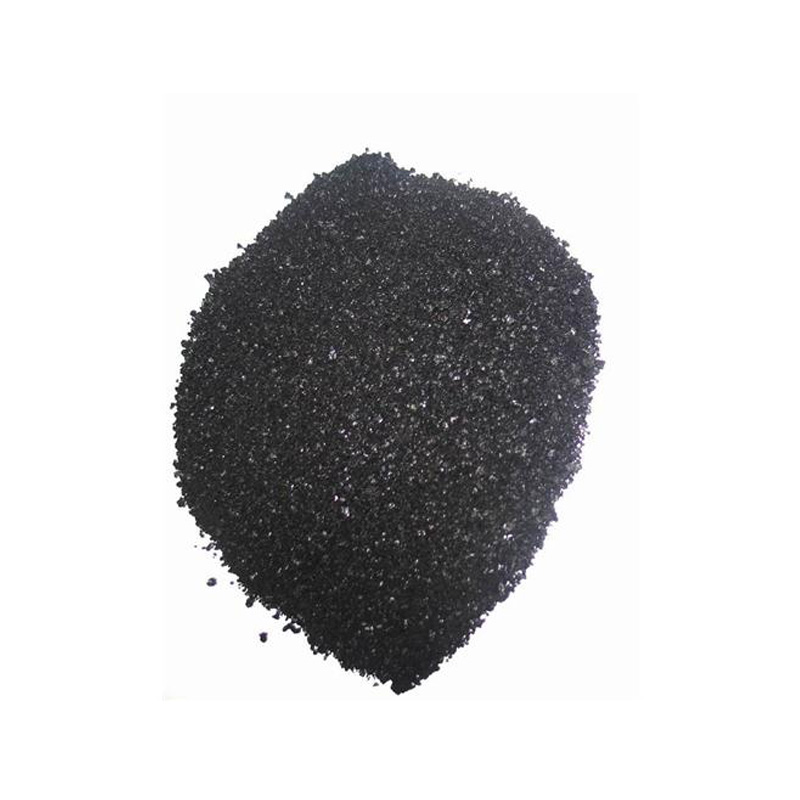
Sulphur Black
1.Name: sulphur black; Sulfur Black; Sulphur Black 1;
2.Structure formula:
3.Molecule formula: C6H4N2O5
4.CAS No.: 1326-82-5
5.HS code: 32041911
6.Product specification:Appearance:black phosphorus flakes; black liquid
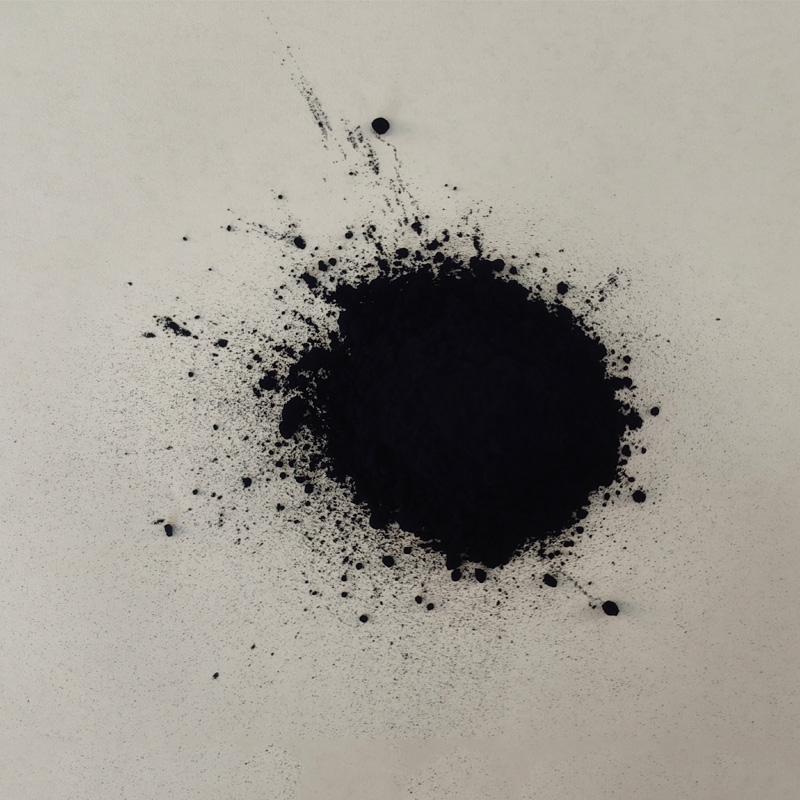
Bromo Indigo; Vat Bromo-Indigo; C.I.Vat Blue 5
1.Name: Bromo indigo; Vat bromo-indigo; C.I.Vat blue 5;
2.Structure formula:
3.Molecule formula: C16H6Br4N2O2
4.CAS No.: 2475-31-2
5.HS code: 3204151000 6.Major usage and instruction: Be mainly used to dye cotton fabrics.
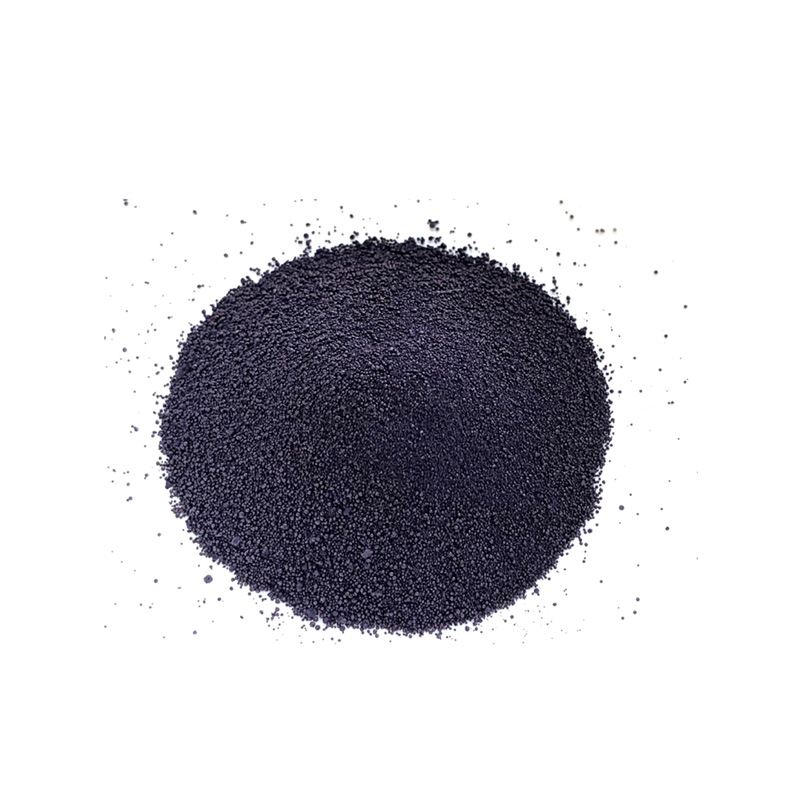
Indigo Blue Vat Blue
1.Name: indigo blue,vat blue 1,
2.Structure formula:
3.Molecule formula: C16H10N2O2
4.. CAS No.: 482-89-3
5.Molecule weight: 262.62
6.HS code: 3204151000
7.Major usage and instruction: Be mainly used to dye cotton fabrics.