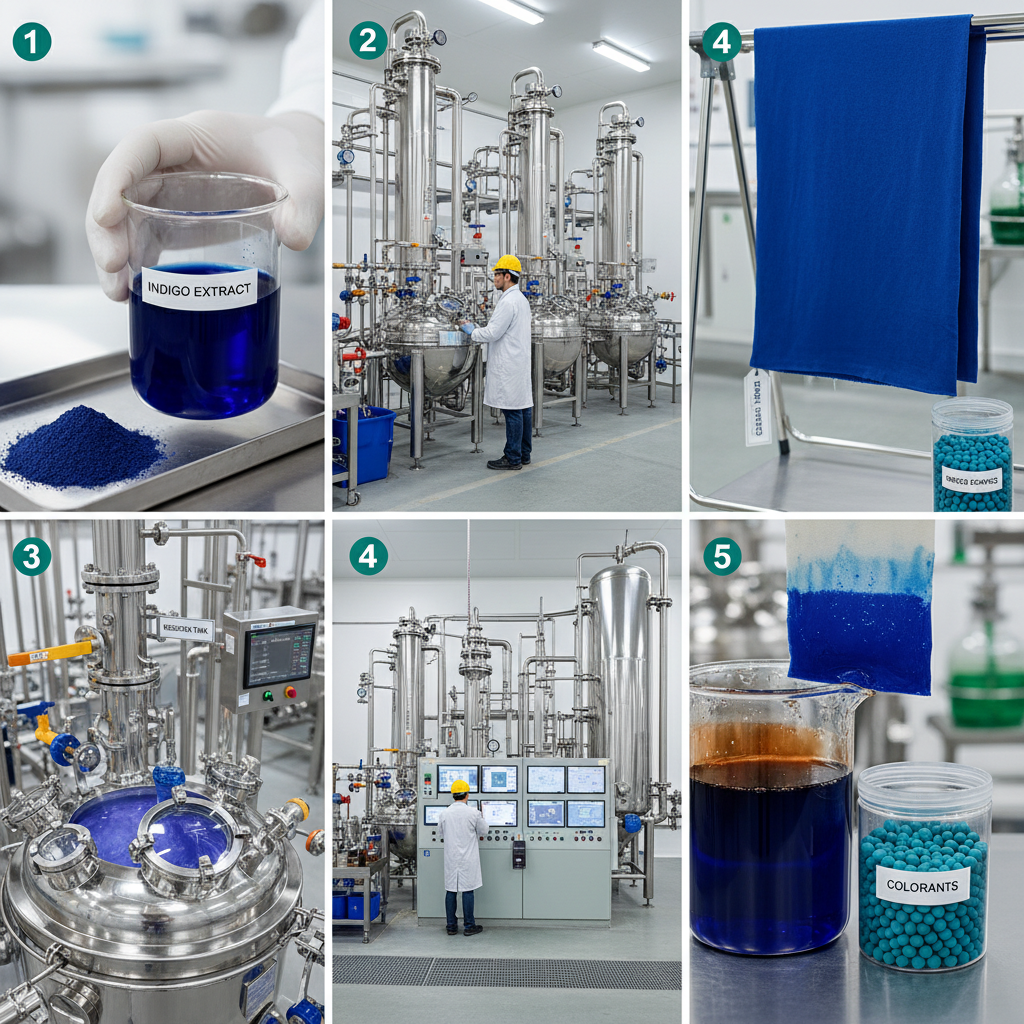
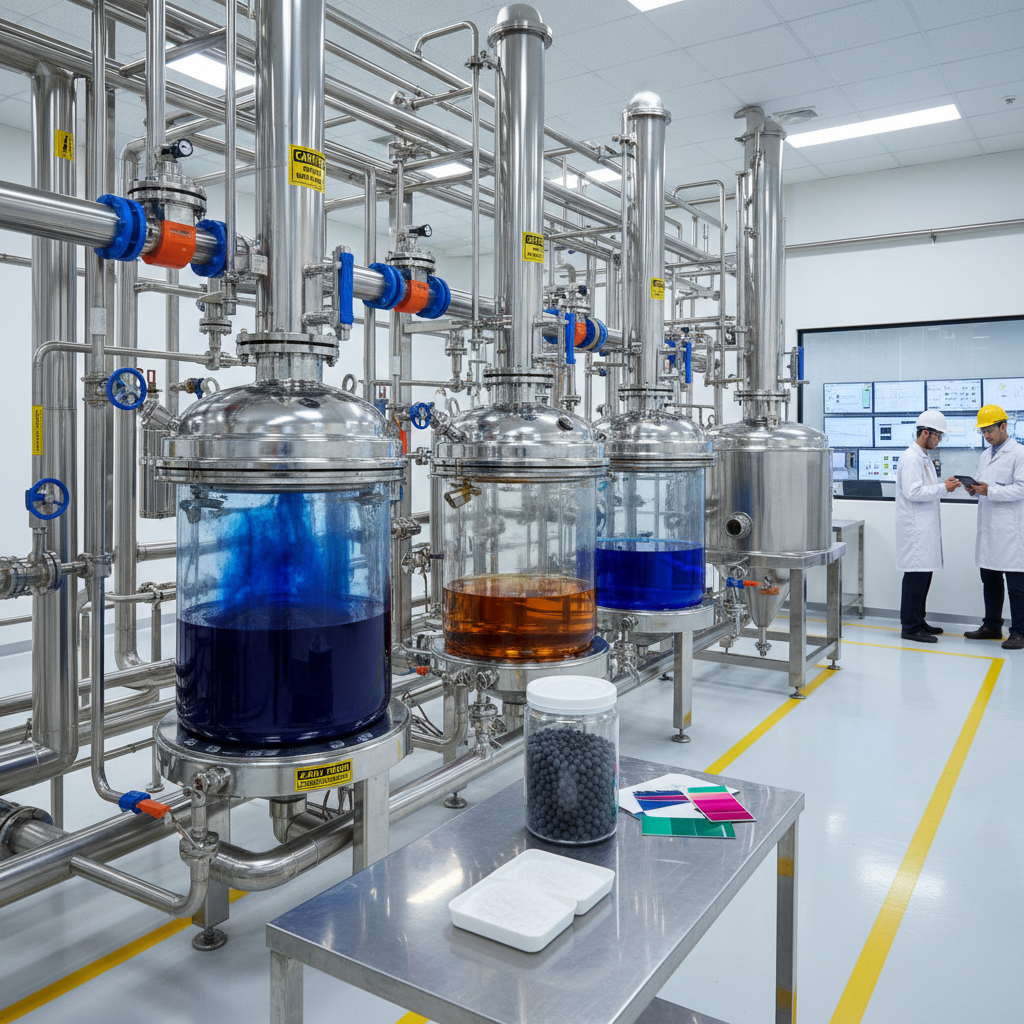
Sulphur black msds represents a critical aspect of industrial safety and chemical handling, impacting a vast range of sectors globally. Understanding the Material Safety Data Sheet (MSDS) for sulphur black 1 is crucial for ensuring worker protection, environmental responsibility, and regulatory compliance. This comprehensive document details the hazards, safe handling procedures, and emergency measures associated with this widely-used dye.
The global relevance of sulphur black msds stems from its extensive application in the textile industry, particularly in the dyeing of cotton and other cellulosic fibers. With textile manufacturing concentrated in regions like Asia (China, India, Bangladesh) and increasingly impacting African economies, a robust understanding of sulphur black 1's MSDS is vital for preventing occupational health risks and minimizing environmental pollution. The UN Sustainable Development Goals, specifically those related to decent work and environmental sustainability, underscore the importance of safe chemical handling.
Furthermore, adhering to international standards like ISO 14001 (environmental management) and OHSAS 18001 (occupational health and safety – now ISO 45001) necessitates thorough knowledge of chemical safety data like sulphur black msds. Failure to comply can lead to significant penalties, reputational damage, and, most importantly, harm to people and the planet. This document provides the foundational knowledge for safe and responsible use.
Definition & Meaning of Sulphur Black MSDS
A sulphur black msds is a detailed informational document providing comprehensive data about a chemical substance—in this case, sulphur black 1, a complex mixture of organic sulfur compounds used as a dye. It’s not simply a datasheet; it's a legally mandated communication tool designed to protect workers, the environment, and first responders from the potential hazards associated with the substance. sulphur black msds compliance is often legally required.
Its connection to modern industry is paramount. The textile industry, a cornerstone of many economies, relies heavily on dyes like sulphur black 1. Without a clear understanding of the risks outlined in the MSDS, including potential skin irritation, respiratory issues, and environmental contamination, responsible manufacturing is impossible. The document details appropriate personal protective equipment (PPE), handling procedures, and emergency response protocols.
Global Relevance & Industrial Context
The global textile industry, valued at over $1.5 trillion annually (source: World Bank), heavily relies on dyes such as sulphur black 1. This widespread usage necessitates a consistent, internationally-recognized approach to chemical safety, which the sulphur black msds provides. Countries with large textile manufacturing sectors, like China, India, Bangladesh, and Vietnam, must prioritize the accessibility and understanding of these documents for their workforce.
A critical challenge lies in the varying levels of enforcement and regulatory oversight across different regions. While developed nations generally have robust chemical safety regulations, many developing countries may lack the resources or infrastructure to effectively implement and monitor compliance. This disparity creates potential risks for both workers and the environment, making standardized MSDS access and training even more crucial.
Furthermore, increasing consumer demand for sustainable and ethically produced textiles is putting pressure on manufacturers to adopt responsible chemical management practices. Demonstrating compliance with sulphur black msds requirements is becoming a key factor in gaining market access and building brand reputation.
Core Components of a Sulphur Black MSDS
A comprehensive sulphur black msds is structured into 16 sections, as outlined by the Globally Harmonized System (GHS) of Classification and Labelling of Chemicals. Key components include: identification (chemical name, supplier information), hazard identification (potential health and environmental risks), composition/information on ingredients, first-aid measures, fire-fighting measures, accidental release measures, handling and storage, exposure controls/personal protection, and physical/chemical properties.
Further sections detail stability and reactivity, toxicological information (acute and chronic effects), ecological information (environmental impact), disposal considerations, transport information (shipping regulations), and regulatory information (compliance standards). Understanding each of these sections is critical for safe handling and emergency preparedness. Detailed examination of these components in a sulphur black msds can reveal important information.
The MSDS also provides specific guidance on appropriate personal protective equipment (PPE), such as gloves, respirators, and eye protection, based on the identified hazards. It outlines safe handling procedures, storage requirements, and emergency response protocols in case of spills, leaks, or exposure. Accessing a relevant sulphur black msds is key for industrial application.
Applications Across Industries
The primary application of sulphur black 1 remains within the textile industry, specifically for dyeing cotton, rayon, and other cellulosic fibers. Its cost-effectiveness and relatively good wash fastness make it a popular choice for producing a wide range of dark-colored fabrics, including denim, workwear, and upholstery. It’s vital to consult the sulphur black msds during manufacturing.
Beyond textiles, sulphur black 1 finds niche applications in other sectors. It can be used as a component in certain wood stains and paints, as well as in some specialized industrial processes requiring a black pigment. Research and development activities are exploring potential uses in advanced materials and sensors, though these are currently limited.
Sulphur Black MSDS Compliance Levels Across Regions
Advantages of Thorough MSDS Understanding
A thorough understanding of the sulphur black msds translates directly into improved worker safety. By adhering to the recommended PPE and handling procedures, the risk of skin irritation, respiratory problems, and other health issues is significantly reduced. This proactive approach not only protects employees but also minimizes potential legal liabilities for employers.
Furthermore, proper MSDS comprehension fosters environmental responsibility. By following the guidelines for accidental release measures and waste disposal, companies can minimize the risk of environmental contamination and ensure compliance with environmental regulations. Accessing an up-to-date sulphur black msds is important for sustainability.
Future Trends & Regulatory Compliance
Future trends in chemical safety are leaning towards greater digitalization and accessibility of MSDS information. The development of online databases and mobile apps allows workers to quickly access relevant MSDS data on demand, enhancing real-time safety awareness. Increased focus on green chemistry and sustainable alternatives to traditional dyes will also drive changes in MSDS requirements.
Regulatory compliance is becoming increasingly stringent. Updates to GHS and REACH (Registration, Evaluation, Authorisation and Restriction of Chemicals) regulations are expected to further refine the requirements for chemical safety data sheets, emphasizing the importance of clear and concise communication of hazards and risk mitigation measures.
Automation and machine learning are also playing a role in analyzing MSDS data to identify potential hazards and predict risks, enabling proactive safety interventions.
Challenges and Mitigation Strategies
A primary challenge is language barriers and limited literacy among workers in some regions. MSDS documents are often complex and technical, making them difficult to understand for individuals with limited education or who are not fluent in the language of the document. Mitigating this requires translation into local languages and the development of simplified, visually-based training materials.
Another challenge is ensuring the MSDS is up-to-date. Chemical formulations and regulatory requirements can change over time, so it’s crucial to have a system in place for regularly reviewing and updating the MSDS. A vital tool for this is a current sulphur black msds.
Finally, consistent enforcement of regulations is essential. Governments and regulatory agencies must actively monitor compliance and impose penalties for violations to ensure that companies are taking chemical safety seriously.
Summary of Sulphur Black MSDS Challenges and Solutions
| Challenge |
Impact on Safety |
Mitigation Strategy |
Implementation Cost (1-10) |
| Language Barriers |
Increased risk of misunderstanding hazards |
Translation into local languages, visual aids |
4 |
| Outdated MSDS |
Inaccurate hazard information |
Regular review and update schedule |
3 |
| Lack of Training |
Improper handling procedures |
Comprehensive training programs |
6 |
| Poor Enforcement |
Non-compliance with regulations |
Increased inspections and penalties |
7 |
| Complex Technical Language |
Difficulty understanding risks |
Simplified MSDS formats, worker education |
5 |
| Insufficient PPE Availability |
Increased exposure to hazards |
Adequate PPE provision, regular checks |
4 |
FAQS
The primary purpose of a sulphur black msds is to provide comprehensive information about the potential hazards associated with sulphur black 1, including health risks, environmental impacts, and safe handling procedures. It’s a vital communication tool for protecting workers, the environment, and first responders. Compliance with the information within a sulphur black msds is legally required in many jurisdictions.
A sulphur black msds should be updated whenever there are significant changes to the chemical’s formulation, hazard information, or regulatory requirements. Best practice dictates reviewing the MSDS at least annually, and more frequently if new scientific data becomes available. It's vital to ensure workers have access to the most current sulphur black msds.
Typically, a sulphur black msds will recommend PPE such as gloves (to prevent skin contact), respirators (to avoid inhalation of dust or fumes), eye protection (safety goggles or face shield), and protective clothing (to minimize exposure). The specific PPE required will depend on the task being performed and the potential hazards involved.
In case of a spill, the sulphur black msds will outline specific procedures. Generally, these include containing the spill, preventing it from entering waterways or sewers, and using appropriate absorbent materials for cleanup. Proper PPE should be worn during cleanup, and the waste should be disposed of according to local regulations.
Reliable sulphur black MSDS documents can be obtained from the chemical supplier or manufacturer. You can also find them on reputable chemical safety databases and regulatory websites. Always ensure the MSDS is current and specific to the product you are using. Checking a site like sulphur black msds can provide the information you need.
Sulphur black 1 can pose an environmental hazard if released into waterways or soil. The MSDS will detail its potential impact on aquatic life and ecosystems. Proper disposal and spill containment measures, as outlined in the MSDS, are crucial for minimizing environmental contamination.
Conclusion
In conclusion, a thorough understanding of the sulphur black msds is paramount for ensuring worker safety, environmental protection, and regulatory compliance within the textile industry and beyond. This document serves as a critical resource for handling this widely-used dye responsibly, minimizing potential risks, and fostering sustainable practices. Prioritizing access to, and comprehension of, the sulphur black msds is a vital investment in the well-being of people and the planet.
Looking ahead, continued advancements in digitalization and regulatory frameworks will further enhance the accessibility and effectiveness of chemical safety information. By embracing these innovations and promoting a culture of safety, we can collectively minimize the risks associated with sulphur black 1 and other hazardous substances, paving the way for a more sustainable and responsible future. Visit our website at www.wuxin-group.com to learn more.