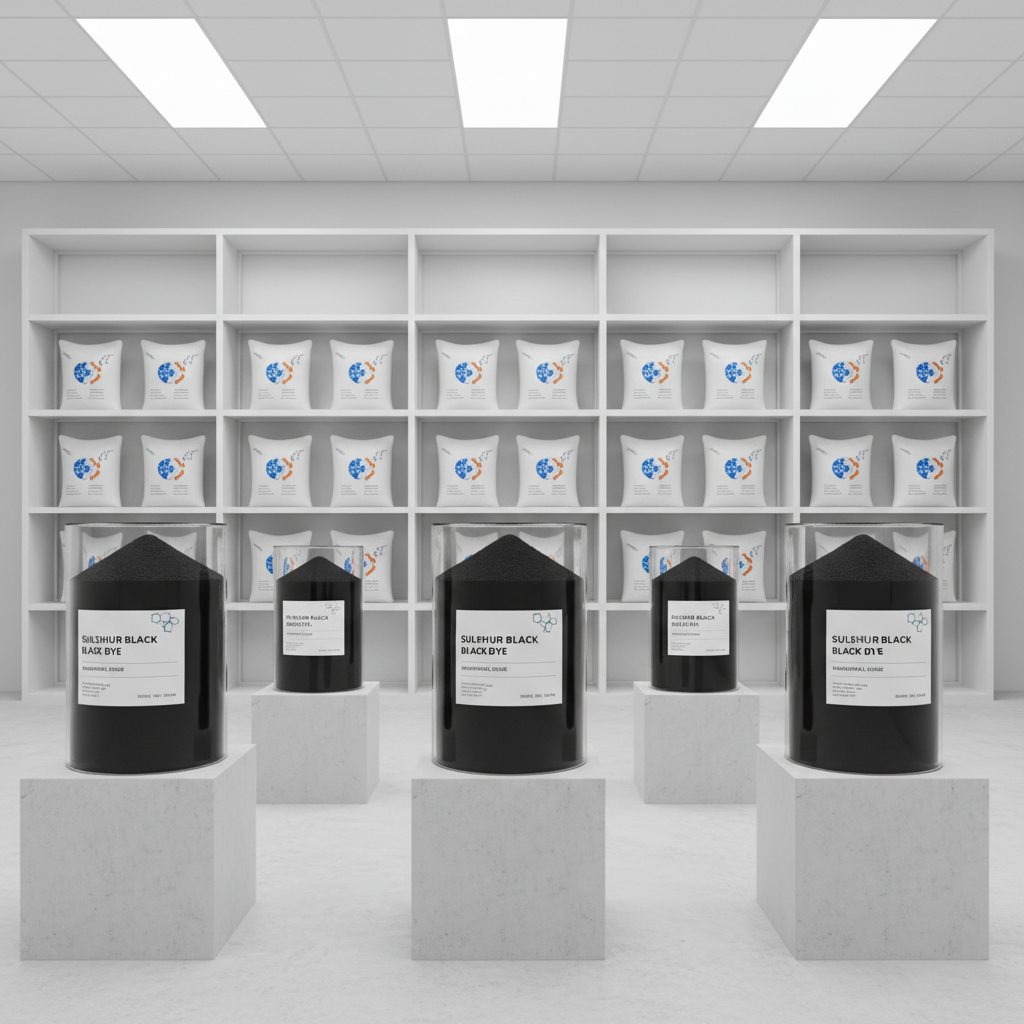
The global demand for high-quality dyes, particularly sulphur black, is significant across numerous industries, including textiles, leather, and paper. A robust sulphur black factory is crucial for maintaining a consistent supply chain and meeting evolving market needs. These factories not only contribute to industrial output but also impact employment and economic growth in their respective regions. Understanding the nuances of these facilities—from production processes to environmental considerations—is vital for stakeholders across the value chain.
The role of a sulphur black factory extends beyond simple dye production. It’s deeply intertwined with innovations in chemical engineering, waste management, and sustainable manufacturing practices. Efficient and responsible operation of these factories is key to minimizing environmental impact and ensuring product quality. Global standards, such as those set by ISO, are increasingly important in regulating the industry and promoting ethical production.
Investing in and optimizing a sulphur black factory represents a strategic decision for businesses seeking a reliable and cost-effective source of this essential dye. This includes considering factors like raw material sourcing, production efficiency, and adherence to strict environmental regulations. The industry is constantly evolving, driven by both demand and the need for more sustainable practices.
The Importance of Sulphur Black Factories
Sulphur black factories are the cornerstone of a global dyeing industry, providing a critical component for coloring textiles and other materials. The consistent production of high-quality sulphur black is essential for meeting the demands of fashion, apparel, and various industrial applications. These factories, through efficient manufacturing processes, contribute significantly to economic growth and job creation.
Furthermore, the strategic location of a sulphur black factory often plays a vital role in supply chain optimization, reducing transportation costs, and ensuring timely delivery to customers worldwide. Effective factory management, coupled with a commitment to quality control, underpins the reliability of the entire supply network.
Understanding the Sulphur Black Production Process
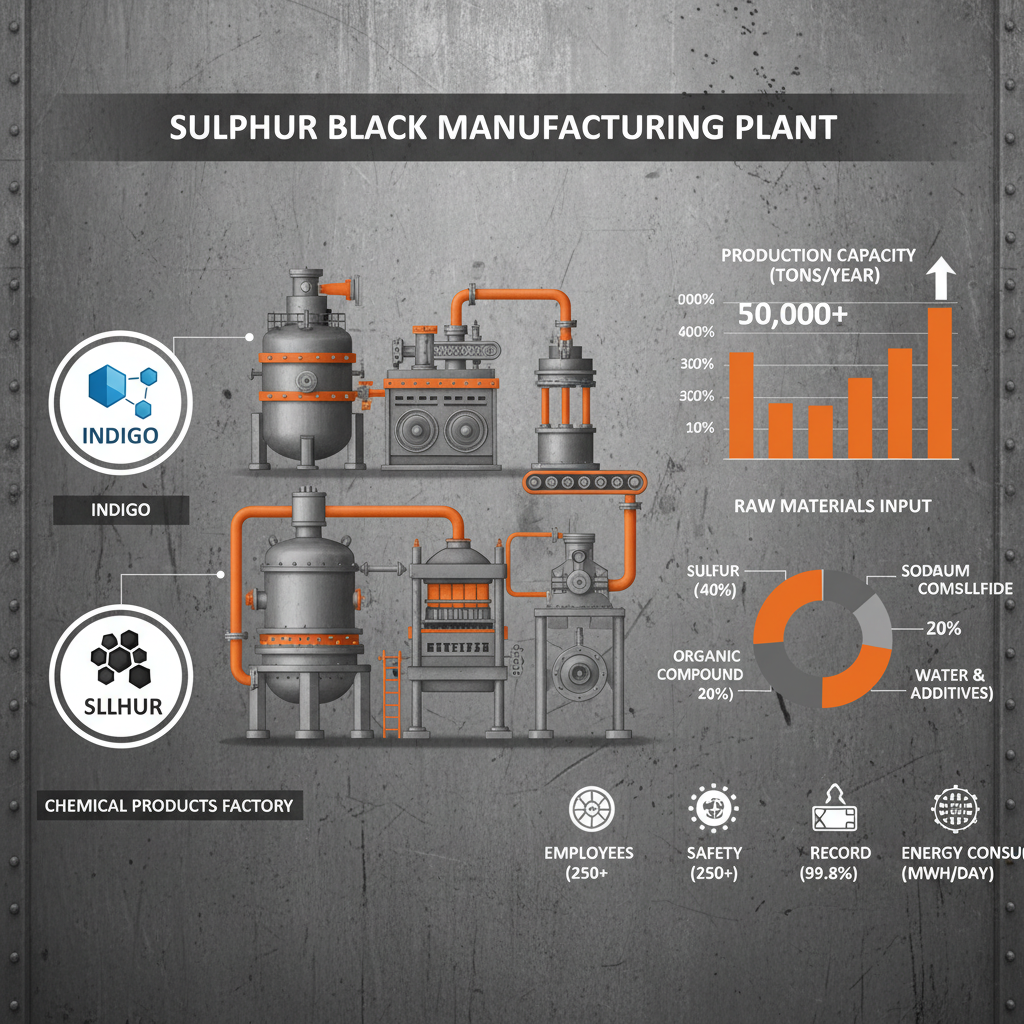
The production of sulphur black dye is a complex chemical process, typically starting with the reaction of aromatic amines with sodium sulfide and sulfur. This creates a complex mixture of polymeric compounds responsible for the deep black color. The process involves several stages, including sulfidation, oxidation, and purification. Each stage requires precise control of temperature, pH, and reagent ratios to ensure optimal yield and dye quality.
The initial sulfidation step is crucial, where the aromatic amines are converted into sulfur-containing intermediates. Subsequent oxidation then promotes polymerization, forming the complex dye structure. Finally, purification removes unwanted byproducts, resulting in a concentrated sulphur black dye ready for application. Modern sulphur black factory systems often integrate advanced automation for precise control throughout these stages.
Effective wastewater treatment is an integral part of the production process. Due to the nature of the chemicals involved, stringent environmental protocols are necessary to prevent pollution and ensure sustainable operation. This includes removing sulfide, sulfur compounds, and residual dyes from the effluent before discharge, often employing chemical oxidation and biological treatment methods.
Core Components of a Modern Sulphur Black Factory
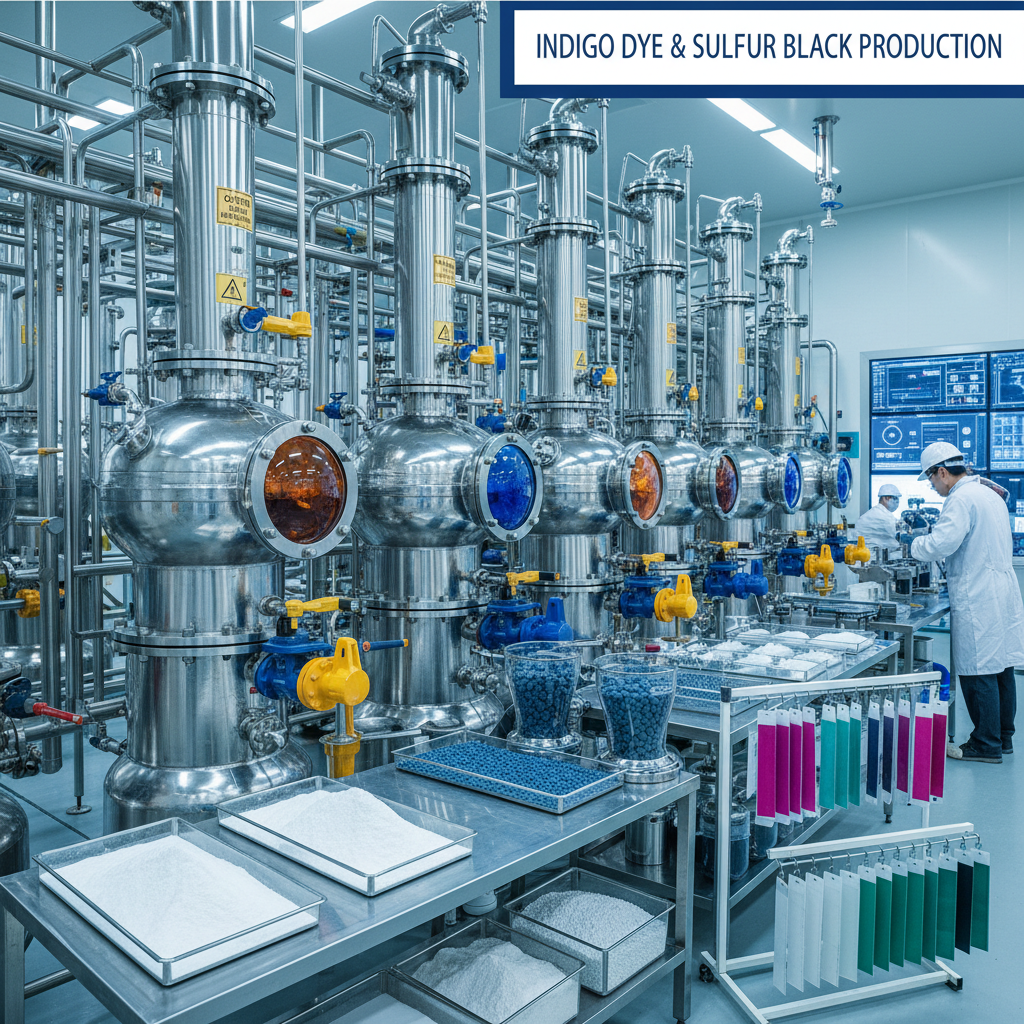
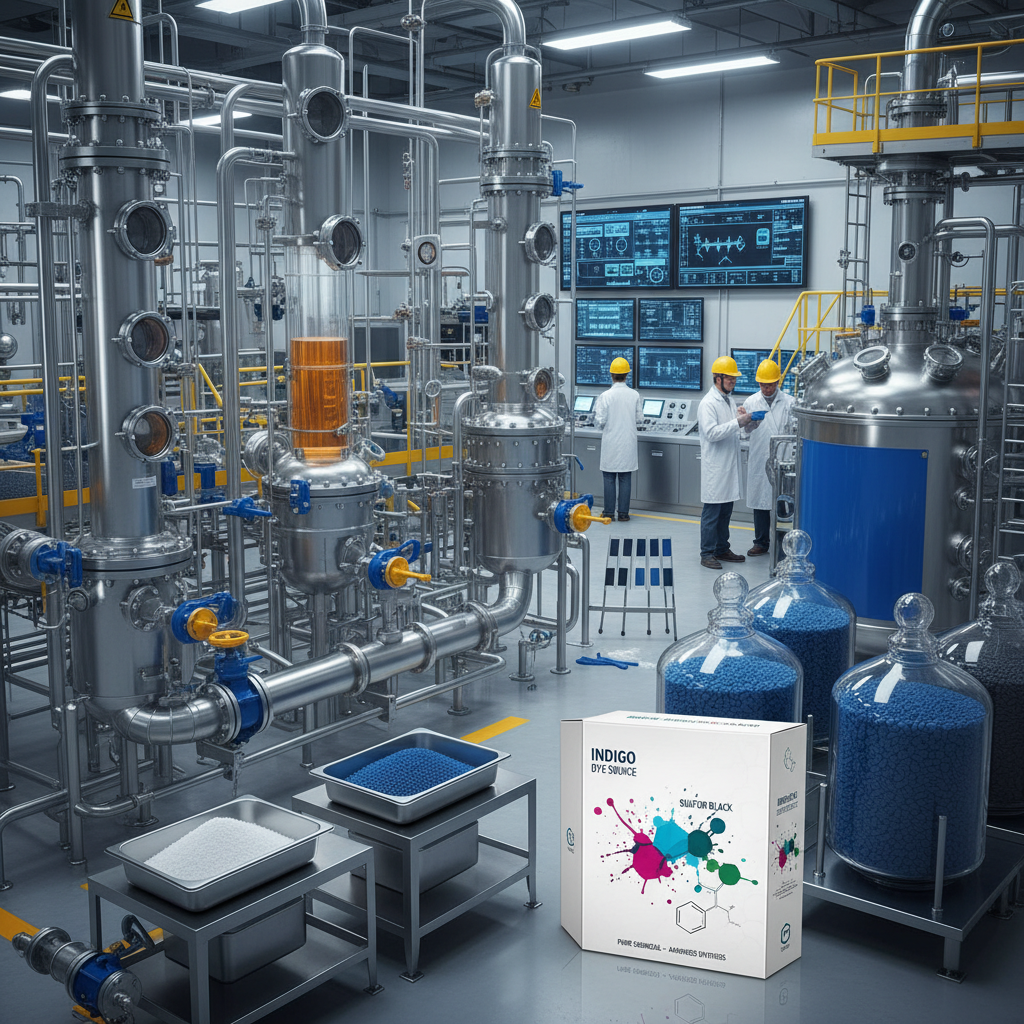
A modern sulphur black factory comprises several key components, beginning with the raw material storage and handling systems. Efficient inventory management and safe storage of chemicals like aniline, sodium sulfide, and sulfur are paramount. These are followed by sophisticated reaction vessels designed for precise temperature and pressure control, crucial for consistent dye production.
Furthermore, advanced filtration and drying equipment are essential for purifying and concentrating the dye. This includes filter presses, spray dryers, and rotary dryers, carefully selected to optimize dye recovery and minimize waste. Finally, a robust quality control laboratory, equipped with state-of-the-art analytical instruments, is critical for ensuring product consistency and meeting customer specifications.
Essential auxiliary systems also support the core production process. These include wastewater treatment plants, steam generation units, and automated packaging lines. Investing in these components—and regularly maintaining them—is crucial for ensuring efficient, safe, and environmentally responsible operations within the factory.
Quality Control and Analytical Techniques
Rigorous quality control is paramount in a sulphur black factory to ensure consistent dye performance and meet demanding industry standards. This involves analyzing the dye’s color strength, shade, solubility, and purity. Techniques like spectrophotometry are used to measure color characteristics precisely, while titration methods determine dye concentration.
Furthermore, advanced analytical techniques, such as High-Performance Liquid Chromatography (HPLC) and Gas Chromatography-Mass Spectrometry (GC-MS), are employed to identify and quantify impurities and ensure the dye meets specified purity levels. Regular monitoring of key process parameters, like pH, temperature, and reaction time, also contributes to quality control.
Sulphur Black Factory Quality Control Metrics
Global Distribution and Market Dynamics
The sulphur black dye market is a global one, with significant demand originating from textile manufacturing hubs in Asia, particularly China, India, and Bangladesh. These regions serve as major processing centers for garments exported worldwide. Other key markets include Europe and North America, where demand is driven by specialized applications and fashion trends.
Sulphur black factory operations often cater to both domestic and international markets, requiring efficient logistics and distribution networks. Factors influencing market dynamics include raw material prices, regulatory changes, and fluctuations in currency exchange rates. Building strong relationships with distributors and maintaining consistent product quality are vital for success in this competitive landscape.
Sustainability and Environmental Regulations
Environmental sustainability is an increasingly important concern for sulphur black factory operations. Strict regulations govern wastewater discharge, air emissions, and waste disposal. Factories must invest in advanced treatment technologies to minimize their environmental footprint. This includes implementing closed-loop systems, reducing water consumption, and recovering valuable materials from waste streams.
Adopting sustainable manufacturing practices, such as using renewable energy sources and sourcing raw materials responsibly, can enhance a factory’s reputation and attract environmentally conscious customers. Compliance with international standards like ISO 14001 demonstrates a commitment to environmental management and responsible operations.
Furthermore, reducing the use of hazardous chemicals and exploring alternative, eco-friendly dyeing methods are crucial steps towards achieving a more sustainable future for the industry.
Future Trends and Technological Advancements in Sulphur Black Factories
The future of sulphur black factory technology is focused on increasing efficiency, reducing environmental impact, and enhancing product quality. Automation and digitization are playing a key role, with advanced sensors and data analytics optimizing process control and minimizing waste.
Furthermore, research and development efforts are focused on exploring innovative dyeing techniques, such as supercritical fluid dyeing and enzymatic dyeing, which offer the potential for reduced water and energy consumption. The integration of artificial intelligence (AI) and machine learning (ML) can also optimize production schedules, predict equipment failures, and improve overall factory performance.
The development of more sustainable and biodegradable sulphur black dyes is another emerging trend, driven by consumer demand and stricter environmental regulations.
Table Summarizing Key Future Trends in Sulphur Black Factories
| Trend Category |
Technological Focus |
Potential Impact |
Implementation Timeline |
| Automation & Control |
Advanced Sensors, Robotics |
Increased Efficiency, Reduced Labor Costs |
Short-Term (1-3 years) |
| Sustainable Dyeing |
Supercritical Fluid Dyeing, Enzymatic Processes |
Reduced Water & Energy Consumption |
Mid-Term (3-5 years) |
| Data Analytics & AI |
Process Optimization, Predictive Maintenance |
Improved Yield, Reduced Downtime |
Mid-Term (3-5 years) |
| New Dye Chemistries |
Biodegradable Sulphur Black Alternatives |
Reduced Environmental Impact |
Long-Term (5+ years) |
| Waste Management |
Closed-Loop Systems, Waste Recovery |
Reduced Waste Disposal Costs, Resource Conservation |
Short-Term (1-3 years) |
| Supply Chain Integration |
Blockchain Technology, Real-Time Tracking |
Improved Traceability, Enhanced Transparency |
Mid-Term (3-5 years) |
FAQS
The primary environmental concerns involve wastewater discharge containing sulfides and other harmful chemicals, as well as air emissions from the manufacturing process. Proper treatment facilities are crucial to mitigate these impacts, ensuring compliance with regulations. Sustainable practices such as reducing water usage and transitioning to cleaner production methods are also critical.
Automation significantly boosts efficiency by streamlining processes, reducing human error, and optimizing resource utilization. Automated systems can precisely control reaction parameters, monitor quality in real-time, and manage inventory more effectively. This results in higher production yields, lower costs, and improved product consistency.
Essential quality control measures include rigorous testing of color strength, shade, solubility, and purity using techniques like spectrophotometry and HPLC. Regular monitoring of process parameters, like pH and temperature, are also crucial. Maintaining detailed records and adhering to industry standards ensures consistent dye quality.
ISO 14001 certification demonstrates a factory’s commitment to environmental management and responsible operations. It requires establishing an environmental management system to identify, control, and reduce the environmental impacts of its activities, promoting sustainable practices and regulatory compliance.
Emerging technologies include supercritical fluid dyeing, enzymatic dyeing, and the application of AI and machine learning for process optimization and predictive maintenance. The development of biodegradable sulphur black dyes and improved waste recovery systems are also key areas of innovation.
Global market trends, like shifts in textile manufacturing locations and fluctuating raw material prices, directly impact factory operations. Demand for sustainable dyes and increased regulatory scrutiny also influence production processes and investment decisions. Adapting to these trends is crucial for maintaining competitiveness.
Conclusion
In conclusion, a modern sulphur black factory is a complex and critical component of the global textile and industrial dye supply chain. Its efficient operation hinges on a combination of sophisticated production processes, rigorous quality control, and a steadfast commitment to environmental sustainability. By embracing innovation, adapting to market dynamics, and prioritizing responsible manufacturing practices, these facilities can ensure a reliable and sustainable supply of this essential dye for years to come.
Looking ahead, continued investment in research and development, coupled with proactive adoption of emerging technologies, will be crucial for enhancing the performance and minimizing the environmental footprint of sulphur black factories. Furthermore, fostering collaboration across the value chain – from raw material suppliers to end-users – will be essential for driving continuous improvement and promoting a more sustainable future for the industry. Visit our website at www.wuxin-group.com to learn more.