

Comprehensive Guide to ODM Indigoid Dyes: Sustainability, Innovation, and Global Applications
Understanding ODM Indigoid Dyes: Essential Insights for Industry and Innovation
In today’s rapidly evolving textile and chemical industries, ODM indigoid dyes play a quiet yet vital role. These specialized compounds aren't just the cornerstone of denim’s iconic blue — they're a part of a global story involving sustainability, manufacturing efficiencies, and even humanitarian needs. Frankly, without grasping what these dyes represent, businesses often miss out on key competitive advantages and broader environmental responsibilities.
So, why should you care about ODM indigoid dyes? Because their influence stretches across continents, factories, and supply chains, touching apparel brands, industrial producers, and even ecological initiatives. Let’s unpack what makes these dyes so important, where they fit into the big picture, and how their continued innovation might shape the future.
Global Relevance of ODM Indigoid Dyes
To put it plainly, indigoid dyes are synthetic or natural compounds primarily used to dye textiles, with ODM (Original Design Manufacturer) firms producing custom or proprietary formulations tailored to client needs. This synergy of chemistry and manufacturing is booming — the global textile dye market is projected to exceed $40 billion by 2027 according to industry analyses, largely driven by denim and fast fashion demand.
However, challenges abound: environmental pollution from dye runoff, resource consumption, and inconsistent dye performance often hamper sustainable growth. ODM indigoid dyes address some of these by offering enhanced durability, reduced environmental footprint, and customization that reduces waste. The UN's Sustainable Development Goals also emphasize cleaner industrial processes, making innovations in dye manufacturing timely and critical.
What Exactly Are ODM Indigoid Dyes?
Simply put, ODM indigoid dyes are indigo-type dyes produced by specialized manufacturers who also focus on product design and quality control tailored to a brand or industrial customer’s specifications. Indigoid refers to a chemical family of dyes structurally related to indigo, known for their deep blue shades but also adaptable to various hues and textile types.
These dyes aren’t only about color. Their synthesis and application processes are finely tuned to ensure things like colorfastness, reduced toxicity, and compatibility with modern textile machinery. This makes them indispensable not just in fashion but in technical textiles, automotive interiors, and even art conservation.
Core Components of ODM Indigoid Dyes
1. Durability & Colorfastness
Indigoid dyes excel in maintaining vibrant color even after repeated washing and exposure to sunlight — a must for jeans and workwear. ODM providers fine-tune formulations to withstand local conditions, be it tropical humidity or industrial laundering.
2. Scalability & Production Efficiency
ODM manufacturers balance chemical consistency and sheer volume, allowing brands to meet global demand without sacrificing quality. This often involves state-of-the-art reactors and automated quality controls.
3. Environmental Compatibility
Modern ODM indigoid dyes incorporate eco-friendly synthesis routes, limiting harmful byproducts and wastewater impact. Some even use renewable feedstocks, reflecting broader sustainability trends in chemistry.
4. Customization & Innovation
Whether it’s creating novel hues, blends, or finishes like matte or shimmering effects, ODM services enable brands to differentiate products. This creative flexibility fuels innovation across fashion and technical sectors.
5. Compliance & Safety
Given strict international regulations (REACH in Europe, EPA in the U.S.), ODM manufacturers invest heavily in ensuring dyes meet toxicity and allergen standards — essential for market access and consumer trust.
| Parameter | Typical Range | Notes |
|---|---|---|
| Color Shades | Indigo Blue, Navy, Custom Hues | Tailored per order |
| Molecular Weight | > 200 g/mol | Affects dye fastness |
| Solubility | Water, Alkali Solutions | Facilitates diverse applications |
| pH Stability Range | 6-9 | Ensures process robustness |
| Fastness to Wash | 4-5 (ISO Scale) | High resistance favored |
How ODM Indigoid Dyes Are Used Worldwide
ODM indigoid dyes pop up everywhere — from the latest fashion collections made in Southeast Asia to automotive textile suppliers in Europe. In fact, their global footprint is quite impressive:
- Asia-Pacific: The manufacturing powerhouse region uses ODM dyes extensively for fast fashion exports, particularly in countries like Bangladesh and Vietnam.
- Europe: High-end fashion brands demand precise color matching and eco-compliance, which ODM prototypes deliver.
- North America: Industrial textiles and denim producers rely on ODM dyes for durability and regulatory adherence.
- Africa & Latin America: Emerging markets utilize ODM dye solutions for cost-effective yet sustainable textile production, sometimes linked with local artisan cooperatives.
In more specialized contexts, nonprofits and humanitarian organizations have explored ODM indigoid dyes in coordinated production of relief clothing post-disasters, leveraging the quick customization capabilities to meet urgent needs.
Advantages and Long-Term Value of ODM Indigoid Dyes
What’s the real upside? Beyond aesthetics, these dyes offer:
- Cost Efficiency: Reduced waste and adaptable production lower overall expenses.
- Sustainability: Cleaner synthesis and wastewater management align with global eco-goals.
- Reliability: Consistent colorfastness supports quality branding and reduces returns.
- Social Impact: Enabling local manufacturing fosters job creation and ethical supply chains.
On a more human note, using high-quality ODM indigoid dyes ensures the products we wear feel trustworthy and dignified, helping brands build emotional connections with consumers.
Future Trends and Innovations in ODM Indigoid Dyes
The future? It’s pretty exciting, if you ask me. Recent research explores bio-indigoid dyes derived from bacterial fermentation that cut chemical waste drastically. Automation and AI-driven quality controls are improving batch consistency. There’s also an increasing push toward digital dyeing technologies that save water and energy.
Regulatory bodies worldwide continue updating sustainability mandates, prompting ODMs to innovate novel materials and processes aligned with circular economy principles. In short, being at the cutting edge is no longer optional — it’s survival.
Common Challenges and Practical Solutions
That said, not everything about ODM indigoid dyes is rosy. Some hurdles include:
- Scaling green chemistry: Making eco-friendly dyes at industrial volumes remains tricky and costly.
- Regulatory maze: Varied standards across countries complicate compliance efforts.
- Supply chain complexity: Coordinating raw materials and quality checks globally can slow innovation.
However, experts recommend phased adoption of sustainable technologies alongside robust supplier partnerships. Flexible production lines and closer integration between ODMs and clients also help manage risks and improve outcomes.
| Vendor | Sustainability | Customization | Global Reach | Price Competitiveness |
|---|---|---|---|---|
| IndigoCore Ltd. | High - bio-based options | Extensive R&D | Europe, Asia | Moderate–High |
| Wuxin Chemical (see odm indigoid dyes) | Medium - focused waste reduction | Highly customizable blends | Asia-Pacific, Americas | Competitive |
| BlueSpectrum Co. | Emerging green tech | Limited customization | North America | Low–Moderate |
Frequently Asked Questions About ODM Indigoid Dyes
Q1: What are the main advantages of ODM indigoid dyes over traditional dyes?
ODM indigoid dyes offer tailored color matching, improved durability, and better environmental profiles through specialized manufacturing. This means fewer defects, compliance with international standards, and often a reduced chemical footprint compared to traditional bulk dyes.
Q2: How can smaller brands source ODM indigoid dyes without large minimum orders?
Many ODM manufacturers, including companies like Wuxin Group, provide flexible MOQs and sample programs to support startups and niche brands. Leveraging these services helps smaller players maintain quality while avoiding high upfront inventory costs.
Q3: Are ODM indigoid dyes safe for sensitive skin products?
Yes, reputable ODM suppliers test their dyes to meet safety regulations and hypoallergenic standards. Choosing dyes certified under REACH or OEKO-TEX protocols ensures compatibility with sensitive skin and end-user safety.
Q4: What measures ensure sustainable production in ODM indigoid dyes?
Manufacturers employ cleaner chemical processes, recycle solvents, reduce water usage, and adopt greener feedstocks. Continuous R&D into bio-based dye precursors and digital dyeing technologies further reduce environmental impact.
Conclusion: Why ODM Indigoid Dyes Matter Today and Tomorrow
ODM indigoid dyes may seem like a niche specialty, but their influence spans industries, geographies, and social impacts. They enable brands to deliver consistent, beautiful products while navigating environmental challenges and global regulations. Plus, their evolving innovations underscore a commitment to responsible manufacturing and vibrant design.
If your business or project needs reliable, customizable indigoid dyes crafted with expertise and sustainability in mind, consider exploring ODM solutions from trusted providers. For more detailed insights, case studies, and sourcing options, feel free to visit our portal at https://www.wuxin-group.com.
In essence, ODM indigoid dyes are more than just a chemical—they're a bridge between tradition and innovation, quality and conscience.
Mini takeaway: Whether you're in fashion, industrial textiles, or sustainability-focused manufacturing, understanding and leveraging ODM indigoid dyes is a savvy move to stay ahead and stay responsible.
References:
1. Wikipedia: Indigo dye
2. United Nations Sustainable Development Goals (https://sdgs.un.org/goals)
3. European Chemicals Agency (ECHA) REACH Regulation Overview (https://echa.europa.eu/regulations/reach)
-
Mastering the Art of China Japanese Indigo Dyeing Traditions
NewsApr.16,2026
-
Exploring the Elegance of China Deep Indigo Color in Textiles
NewsApr.09,2026
-
Discover High Quality China Jeans Blue Indigo for Global Markets
NewsApr.07,2026
-
Exploring the Rich Tradition of China Natural Indigo Dyed Fabric
NewsApr.04,2026
-
Exploring China Indigo Color in Nature History and Modern Applications
NewsMar.31,2026
-
Discover High Quality China Pure Indigo Powder for Vibrant Natural Dyeing
NewsMar.28,2026
-
Exploring the Rich History of China True Blue Indigo Textiles
NewsMar.26,2026
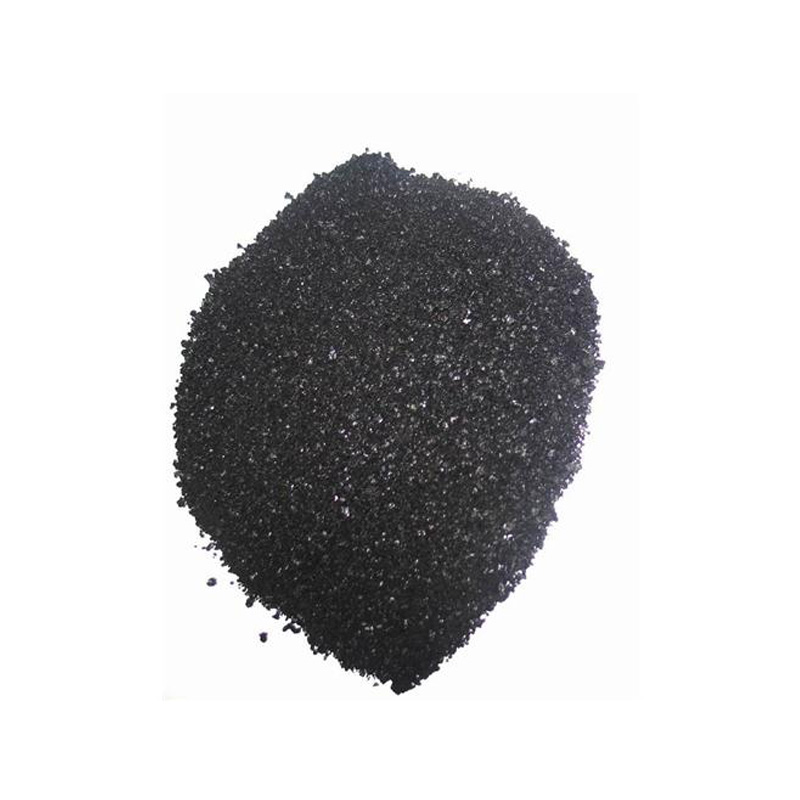
Sulphur Black
1.Name: sulphur black; Sulfur Black; Sulphur Black 1;
2.Structure formula:
3.Molecule formula: C6H4N2O5
4.CAS No.: 1326-82-5
5.HS code: 32041911
6.Product specification:Appearance:black phosphorus flakes; black liquid
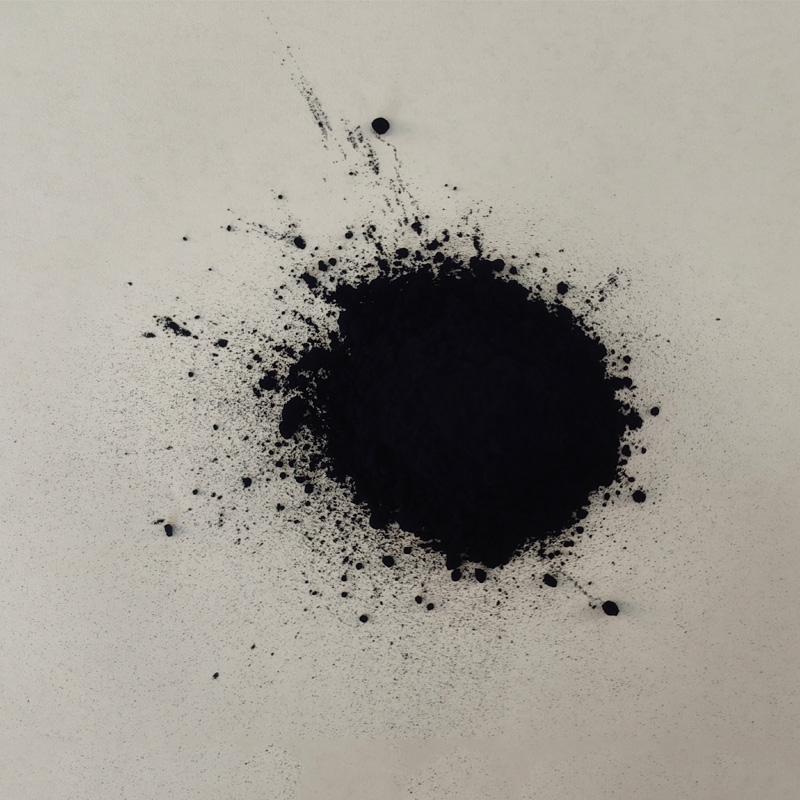
Bromo Indigo; Vat Bromo-Indigo; C.I.Vat Blue 5
1.Name: Bromo indigo; Vat bromo-indigo; C.I.Vat blue 5;
2.Structure formula:
3.Molecule formula: C16H6Br4N2O2
4.CAS No.: 2475-31-2
5.HS code: 3204151000 6.Major usage and instruction: Be mainly used to dye cotton fabrics.
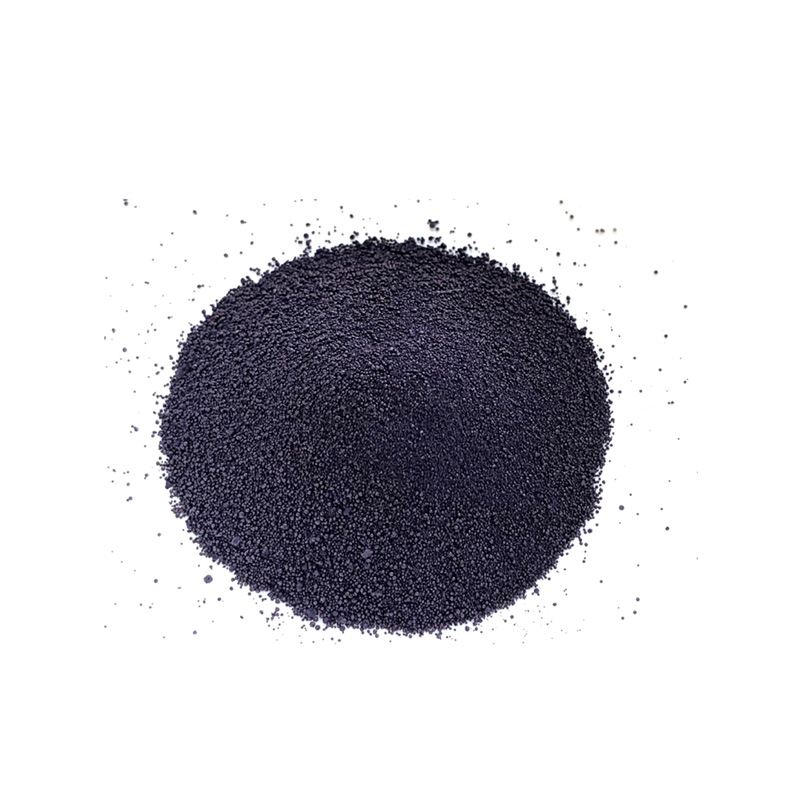
Indigo Blue Vat Blue
1.Name: indigo blue,vat blue 1,
2.Structure formula:
3.Molecule formula: C16H10N2O2
4.. CAS No.: 482-89-3
5.Molecule weight: 262.62
6.HS code: 3204151000
7.Major usage and instruction: Be mainly used to dye cotton fabrics.