

Durable ODM Indigo Dye Clothing for Industrial Workwear
ODM Indigo Dye Clothing: Durable Craftsmanship Meets Industrial Standards
Having spent quite a few years working closely with industrial equipment manufacturers, I’ve grown particularly interested in how the materials and finishes on workers' clothing aren’t just about looks, but about real, tangible performance. ODM indigo dye clothing fits squarely into that category — combining traditional craftsmanship with rigorous industrial requirements. It’s not just a fad; frankly it’s a blend of heritage dyeing techniques and practical wearability for demanding factory or outdoor environments.
Indigo dye itself is something of a marvel. It’s been around for centuries, yet manufacturers have found ways to incorporate it into modern fabrics that can withstand everything from oil stains to abrasion. Oddly enough, the indigo-dyed garments often gain character from use — they soften, fade, and develop a patina that tells a story. That’s the kind of material story many engineers appreciate because it reflects durability as well as authenticity.
From what I’ve seen, ODM companies specializing in this niche tend to focus heavily on testing for wear resistance, color retention, and comfort. You want a coat or a pair of trousers that feel tough but breathable. That balance is key, especially when you consider the diverse working conditions from a summer-hot assembly line to a chilly warehouse. The indigo dyeing process adds a layer of complexity, but the improved UV resistance and fading patterns are usually worth it.
Customization in ODM indigo dye clothing is — in real terms — where things get intriguing. Manufacturers often allow modifications on fabric weights, stitching styles, and additional coatings (for water or oil repellency) without losing the vintage vibe. I recall one project where a company needed special reflective strips integrated subtly onto their indigo work shirts. The ODM partner managed to incorporate it seamlessly, preserving both aesthetic and function.
Below is a rundown of typical product specs you’d find with these garments, giving an idea of what sets them apart within the industrial sector:
| Specification | Detail |
|---|---|
| Fabric Type | 100% Cotton Twill, Indigo Dyed |
| Weight | 8 to 12 oz/yd² (varies by product) |
| Colorfastness | Grade 4–5 (ISO 105 methods) |
| Abrasion Resistance | >50,000 cycles (Martindale test) |
| Customization Options | Stitch styles, reflective trims, coatings (water/oil repellent) |
Of course, when deciding where to source your ODM indigo dye clothing, vendor capabilities matter a lot. Here’s I’ve jotted down a quick comparison of a few notable suppliers in this space, based on what matters most to industrial clients — quality, price, customization, and lead times:
| Vendor | Quality | Price | Customization | Lead Time |
|---|---|---|---|---|
| Wuxin Group | Excellent | Competitive | Highly Flexible | 4–6 weeks |
| IndigoCo | Good | Mid-range | Limited | 6–8 weeks |
| BlueCraft Textiles | Very Good | High | Moderate | 5–7 weeks |
Just to add a little personal flavor here: I once observed a manufacturing line outfitted with ODM indigo dye coveralls, and what stood out was how the workers actually took pride in how the garments aged. They shared anecdotes about fading patterns unique to their roles — that subtle wear on the elbows or knees became badges of experience. Not something you get with generic polyester blends, really.
If you’re in the industrial sector looking to refresh your staff apparel, I’d say give indigo-dyed ODM clothing a fair shake. It has that blend of ruggedness, style, and adaptability that many traditional uniforms lack. Sure, it’s not a magic bullet for every environment; if you’re expecting chemical resistance or flame retardancy, that’s another story. But for everyday durability coupled with the character of natural fibers? It’s a niche worth exploring.
Feel free to check out ODM indigo dye clothing vendors like Wuxin Group who really know their way around this material and process. They’ve been a steady go-to for various industrial applications because, as many engineers say, “material matters as much as machinery.”
In summary: Indigo dye garments from ODM providers combine heritage, practical performance, and customization that can elevate industrial apparel beyond just “workwear.” It’s a small detail that can boost both comfort and employee pride—a rarity in the sector.
- ISO 105 - Colorfastness Testing Standards
- Martindale Abrasion Test Methods
- Industrial Textile Forums and User Reviews, 2022-2023
-
Mastering the Art of China Japanese Indigo Dyeing Traditions
NewsApr.16,2026
-
Exploring the Elegance of China Deep Indigo Color in Textiles
NewsApr.09,2026
-
Discover High Quality China Jeans Blue Indigo for Global Markets
NewsApr.07,2026
-
Exploring the Rich Tradition of China Natural Indigo Dyed Fabric
NewsApr.04,2026
-
Exploring China Indigo Color in Nature History and Modern Applications
NewsMar.31,2026
-
Discover High Quality China Pure Indigo Powder for Vibrant Natural Dyeing
NewsMar.28,2026
-
Exploring the Rich History of China True Blue Indigo Textiles
NewsMar.26,2026
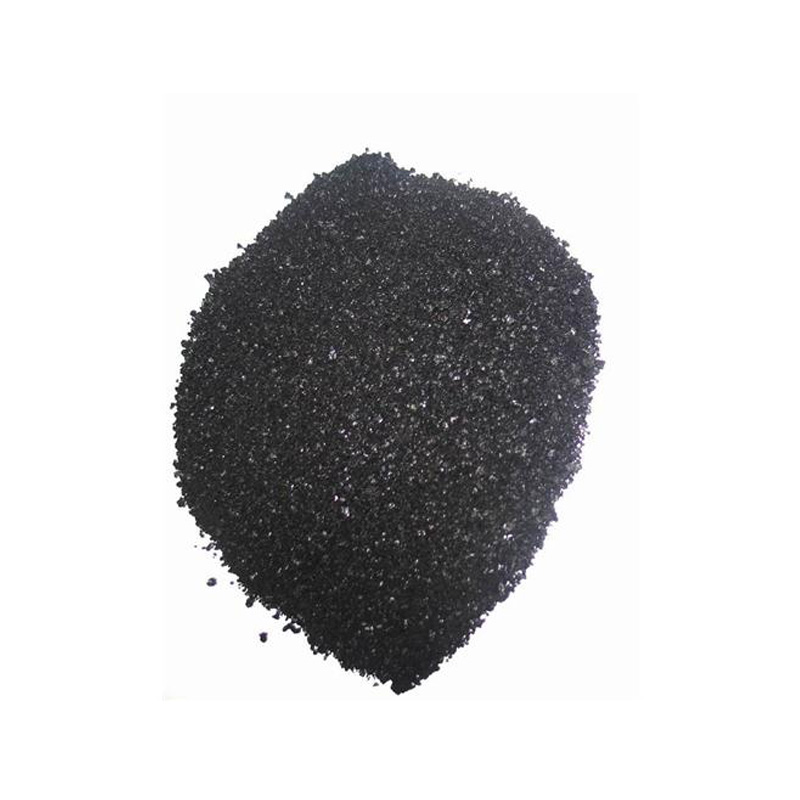
Sulphur Black
1.Name: sulphur black; Sulfur Black; Sulphur Black 1;
2.Structure formula:
3.Molecule formula: C6H4N2O5
4.CAS No.: 1326-82-5
5.HS code: 32041911
6.Product specification:Appearance:black phosphorus flakes; black liquid
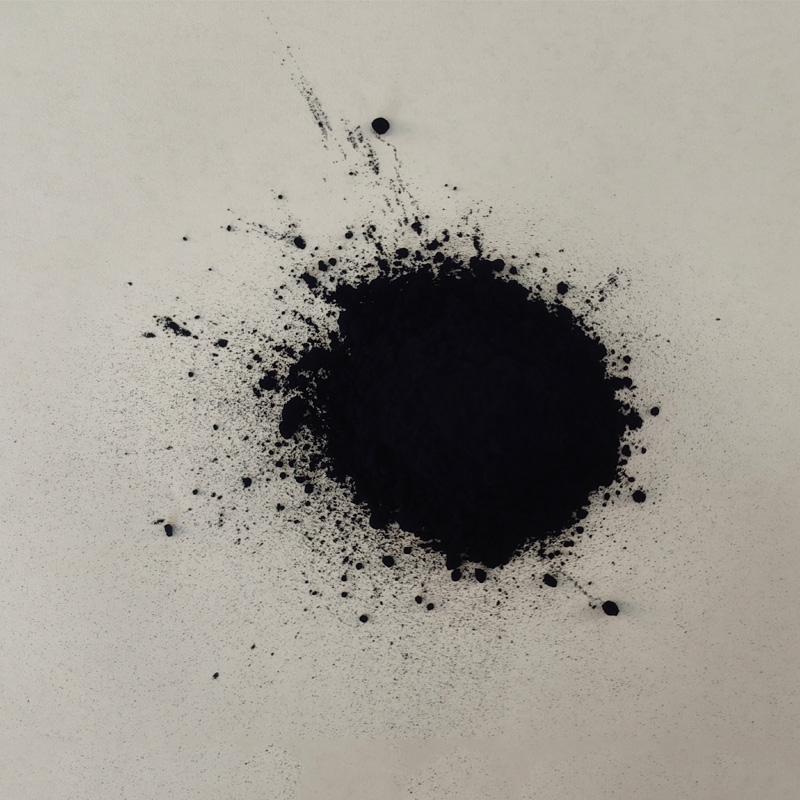
Bromo Indigo; Vat Bromo-Indigo; C.I.Vat Blue 5
1.Name: Bromo indigo; Vat bromo-indigo; C.I.Vat blue 5;
2.Structure formula:
3.Molecule formula: C16H6Br4N2O2
4.CAS No.: 2475-31-2
5.HS code: 3204151000 6.Major usage and instruction: Be mainly used to dye cotton fabrics.
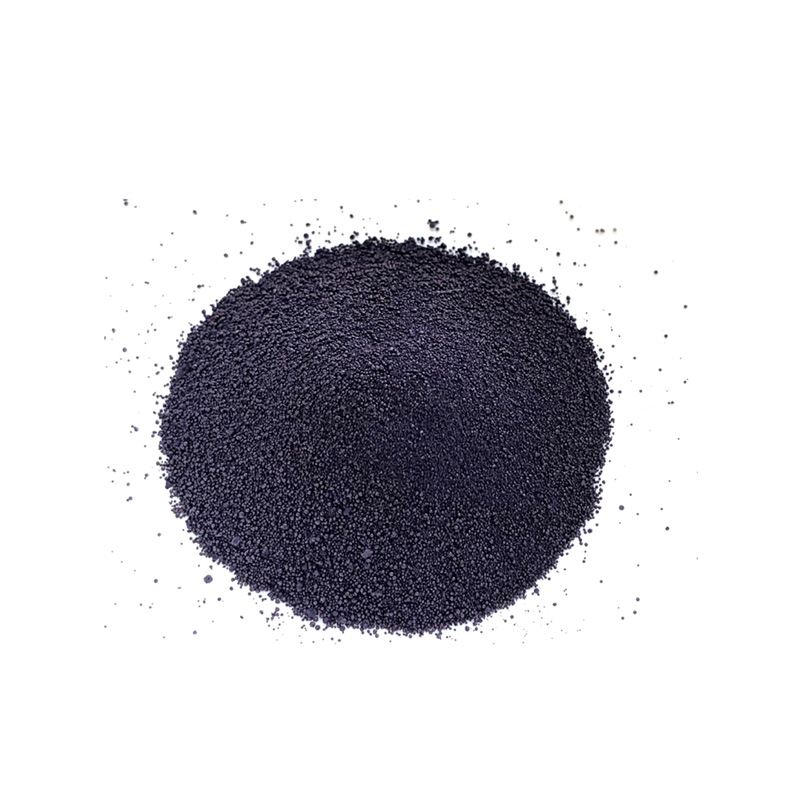
Indigo Blue Vat Blue
1.Name: indigo blue,vat blue 1,
2.Structure formula:
3.Molecule formula: C16H10N2O2
4.. CAS No.: 482-89-3
5.Molecule weight: 262.62
6.HS code: 3204151000
7.Major usage and instruction: Be mainly used to dye cotton fabrics.