

Industrial-Grade ODM Indigo Dyed Fabrics | Durable & Customizable
ODM Indigo Dyed Fabrics: Quality Meets Industrial Durability
Having spent over a decade in the industrial equipment sector, I can say that materials matter—more than most folks realize. When it comes to ODM indigo dyed fabrics, there’s a lot going on beneath that unmistakable deep blue shade. These fabrics aren’t just pretty; they’re engineered to withstand harsh environments and demanding workflows, which frankly, many standard textiles just can’t handle.
Indigo dyeing itself is an ancient process, but the ODM, or Original Design Manufacturer, approach here means these fabrics are customized to optimize performance from the fiber level up. I’ve worked with suppliers who take pride in tweaking yarn blends, density, and weave patterns to create fabric that’s not only striking but tough enough for industrial applications.
In real terms, what does that mean? Well, these fabrics resist fading, maintain tensile strength, and often feature enhanced resistance to abrasion and chemicals. For example, when you’re outfitting heavy-duty industrial uniforms or protective gear, that deep, vibrant Indigo color isn't just aesthetic - it signifies layers of engineering. Oddly enough, many people assume indigo dyed means just denim, but in actual fact, the ODM fabrics we use have much higher standards.
ODM Indigo Dyed Fabric Specs at a Glance
| Specification | Details |
|---|---|
| Material Composition | 70% Cotton / 30% Polyester Blend |
| Weight | 320 gsm (grams per square meter) |
| Dye Type | Sulfur-based Indigo with Post-Treatment Fixation |
| Abrasion Resistance | >40,000 Martindale cycles |
| Colorfastness to Washing | Grade 4.5 (ISO 105-C06) |
| Width | 150 cm (±2%) |
One interesting tidbit I learned early on is how heavily testing weighs in ODM production. The fabrics undergo multiple quality assurance steps — from tensile strength testing and abrasion resistance to real-life simulated wear trials. I remember one customer from the automotive plant who initially doubted if the colorfastness would hold up after weeks of grease and solvents. Turns out, the specialized indigo dye with its fixation process held strong, prompting them to reorder on the spot.
Choosing the Right ODM Supplier: A Quick Comparison
| Supplier | Customization Capability | Lead Time | Pricing | Additional Services |
|---|---|---|---|---|
| Wuxin Group | Full spectrum: yarn blend, finishings, patterns | 4-6 weeks | Competitive bulk pricing | R&D support, testing reports, logistics |
| Supplier B | Limited to predefined blends | 5-7 weeks | Lower per unit cost but less flexible | Basic QA, no custom R&D |
| Supplier C | Custom blends on request | 6-8 weeks | Premium pricing | Technical consultation included |
To be honest, what sets a true ODM fabric vendor apart isn’t just specs or prices; it’s the relationship and how well they align with your project goals. I find it invaluable when teams offer not only off-the-shelf products but also work closely on testing protocols, custom designs, and efficient supply chain handling. ODM indigo dyed fabrics from Wuxin, for example, stand out in that space with their detailed R&D and solid communication lines — something I truly appreciate after years of chasing delays and vague specs from other suppliers.
Customization can mean the difference between a fabric that just “does the job” and one that performs exceptionally well in tough industrial conditions. Features like anti-wrinkle coatings, flame retardant finishes, or water repellency can be integrated early on. This tailoring doesn’t just elevate product performance; it saves money and time downstream.
So, if you’re evaluating fabric options for anything from factory uniforms to rugged upholstery or even specialty safety wear, keep an eye on the ODM element — and that particular indigo dye treatment. Frankly, it feels like a minor detail until you’ve witnessed the frustration from fading or tearing under pressure.
Ultimately, ODM indigo dyed fabrics represent the intersection of tradition and innovation – blending old-world dye techniques with 21st-century material science. Oddly enough, it’s that combination that keeps these fabrics relevant and trusted in industrial circles today, me included.
It’s always worth remembering that the best materials don’t just look good but truly deliver under pressure. And with the right ODM partner, your next fabric order could be the last one you need to worry about.
— Joe K., Industrial Materials Specialist
- ISO 105-C06 – Textile colorfastness to washing standards
- Martindale abrasion test methodology
- Wuxin Group product documentation (wuxin-group.com)
-
Mastering the Art of China Japanese Indigo Dyeing Traditions
NewsApr.16,2026
-
Exploring the Elegance of China Deep Indigo Color in Textiles
NewsApr.09,2026
-
Discover High Quality China Jeans Blue Indigo for Global Markets
NewsApr.07,2026
-
Exploring the Rich Tradition of China Natural Indigo Dyed Fabric
NewsApr.04,2026
-
Exploring China Indigo Color in Nature History and Modern Applications
NewsMar.31,2026
-
Discover High Quality China Pure Indigo Powder for Vibrant Natural Dyeing
NewsMar.28,2026
-
Exploring the Rich History of China True Blue Indigo Textiles
NewsMar.26,2026
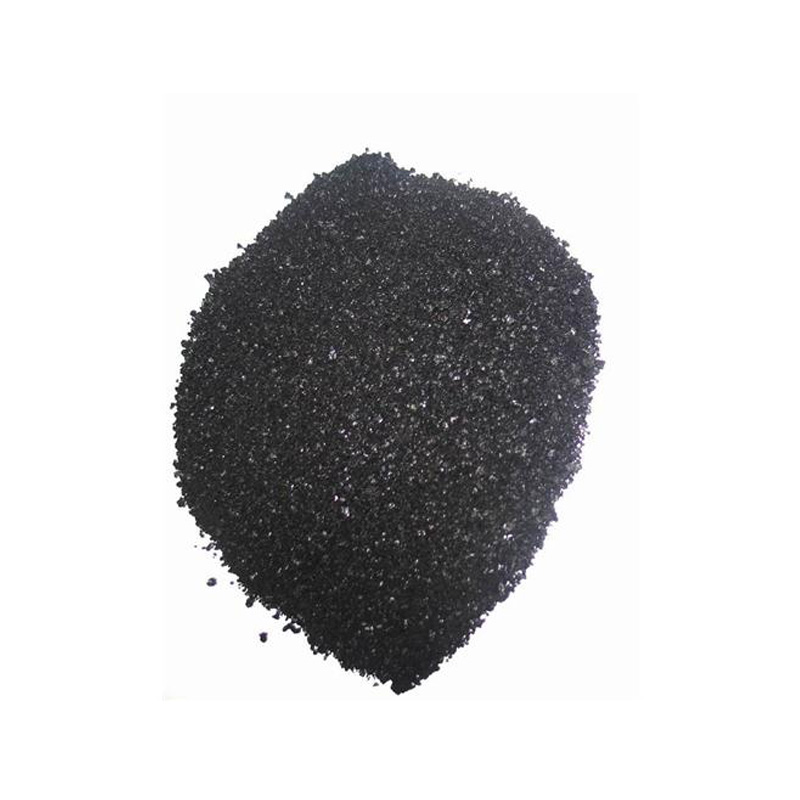
Sulphur Black
1.Name: sulphur black; Sulfur Black; Sulphur Black 1;
2.Structure formula:
3.Molecule formula: C6H4N2O5
4.CAS No.: 1326-82-5
5.HS code: 32041911
6.Product specification:Appearance:black phosphorus flakes; black liquid
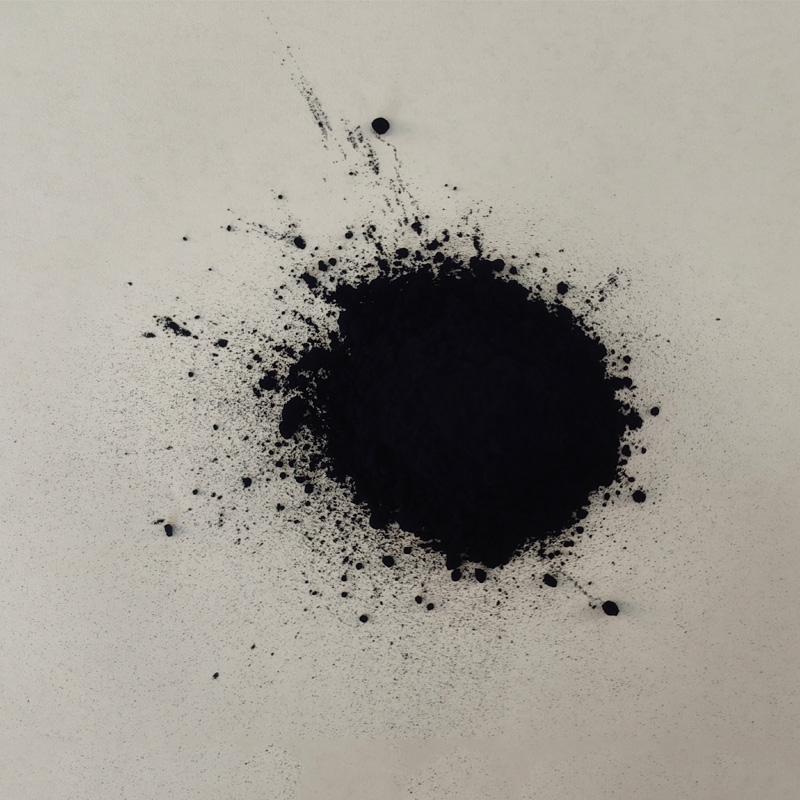
Bromo Indigo; Vat Bromo-Indigo; C.I.Vat Blue 5
1.Name: Bromo indigo; Vat bromo-indigo; C.I.Vat blue 5;
2.Structure formula:
3.Molecule formula: C16H6Br4N2O2
4.CAS No.: 2475-31-2
5.HS code: 3204151000 6.Major usage and instruction: Be mainly used to dye cotton fabrics.
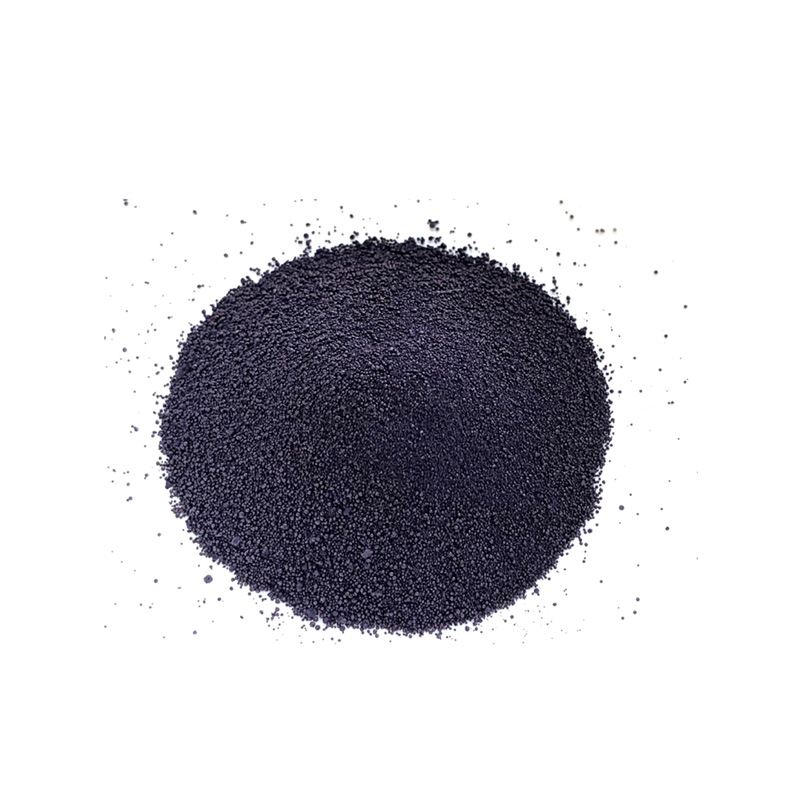
Indigo Blue Vat Blue
1.Name: indigo blue,vat blue 1,
2.Structure formula:
3.Molecule formula: C16H10N2O2
4.. CAS No.: 482-89-3
5.Molecule weight: 262.62
6.HS code: 3204151000
7.Major usage and instruction: Be mainly used to dye cotton fabrics.