

Discover High Quality China Pure Indigo Powder for Vibrant Natural Dyeing
China Pure Indigo Powder: A Comprehensive Guide
Looking for high-quality china pure indigo powder? This article provides an in-depth look at its sourcing, applications, benefits, and quality considerations. Indigo powder, a natural dye, has a rich history and continues to be highly sought after in various industries. We will explore the factors that contribute to its value and how to choose a reliable supplier like Wuxin Group. Understanding the nuances of indigo powder will empower you to make informed decisions for your specific needs.
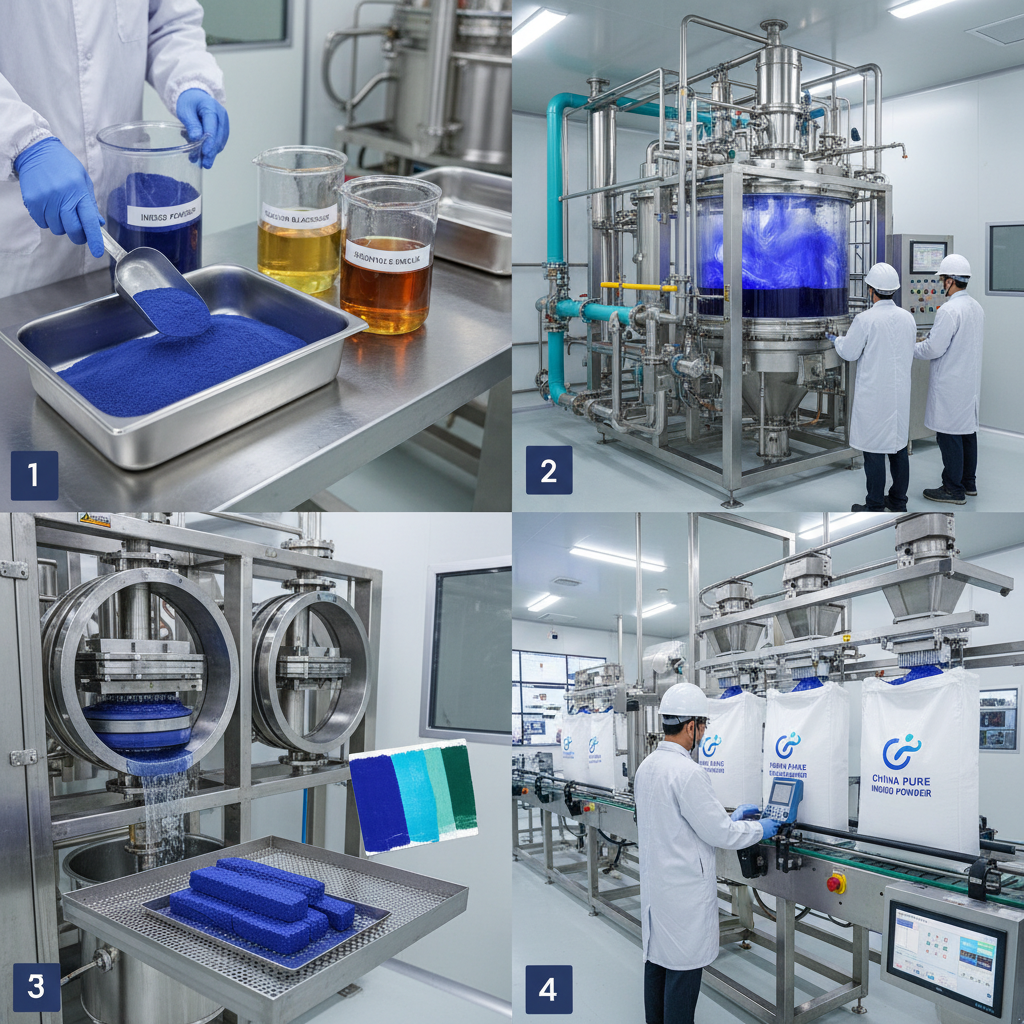
What is China Pure Indigo Powder?
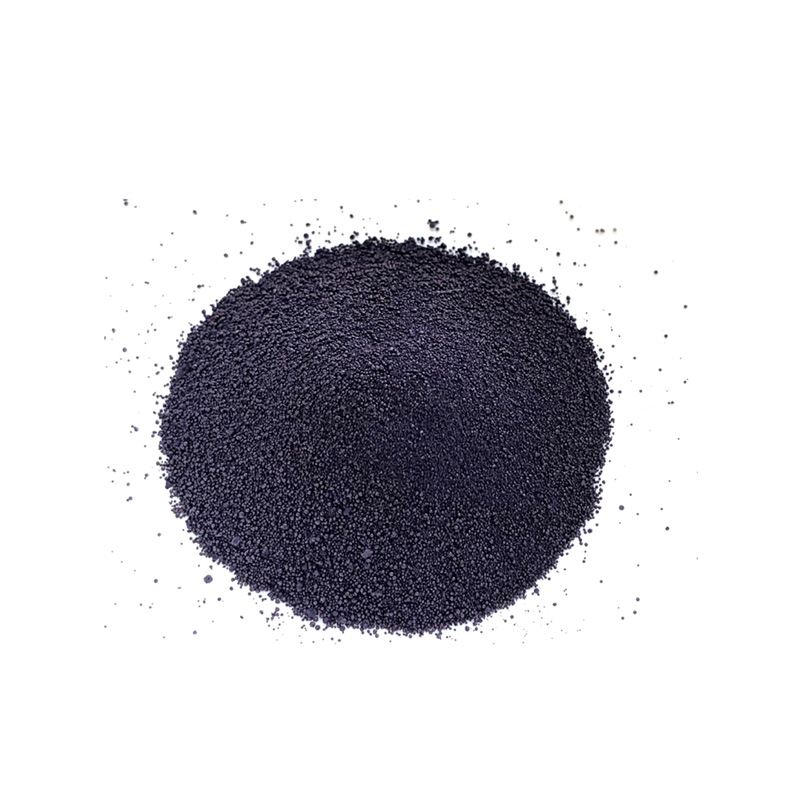
China pure indigo powder is a finely ground pigment derived from the leaves of the Indigofera tinctoria plant. It’s a natural dye that produces a deep, rich blue color and has been used for centuries in textile dyeing, particularly in denim production. Unlike synthetic indigo, natural indigo powder offers unique shade variations and is considered a more sustainable option. The quality of indigo powder is influenced by factors such as the plant's origin, cultivation methods, and processing techniques. Choosing a reputable supplier ensures you receive a product with high indigo content and minimal impurities. Wuxin Group specializes in providing consistently high-quality indigo powder sourced responsibly.
Key Highlights: Sourced from the leaves of the Indigofera tinctoria plant; provides a deep, rich blue color; considered a sustainable and natural dyeing option.
Applications of Indigo Powder
The applications of china pure indigo powder are diverse and span several industries. Primarily, it’s used for dyeing textiles, offering a vibrant and long-lasting blue hue. Beyond textiles, it's finding growing use in natural cosmetics as a hair dye and in artistic applications like watercolor painting and pigment creation. The demand for natural and sustainable products is driving increased usage in these areas. Some innovative applications include coloring wood stains, creating unique art pieces, and even in specialized industrial coatings. Wuxin Group caters to a wide range of applications with various indigo powder grades.
Versatile Applications:
• Textile Dyeing (Denim, Cotton, Silk)
• Natural Cosmetics (Hair Dye)
• Artistic Applications (Watercolor, Pigments)
• Wood Stains
China Pure Indigo Powder vs. Synthetic Indigo: A Comparison
While synthetic indigo is widely used due to its lower cost, natural china pure indigo powder offers distinct advantages. Natural indigo provides unique shade variations and a depth of color that synthetic alternatives struggle to replicate. It's also considered a more environmentally friendly option, as it's derived from a renewable resource and doesn't involve harsh chemical processes. However, natural indigo can be more expensive and may require different dyeing techniques to achieve optimal results. The choice depends on your specific priorities – cost, color nuance, and sustainability.
Choosing the Right Supplier: Quality and Consistency
Selecting a reputable supplier is crucial for ensuring consistent quality and purity. Look for suppliers with established quality control processes, certifications, and a commitment to sustainable sourcing. Key factors to consider include indigo content, impurity levels, particle size, and color fastness. Wuxin Group provides detailed product specifications and quality reports to ensure transparency and customer satisfaction. We prioritize ethical sourcing and environmentally responsible practices.
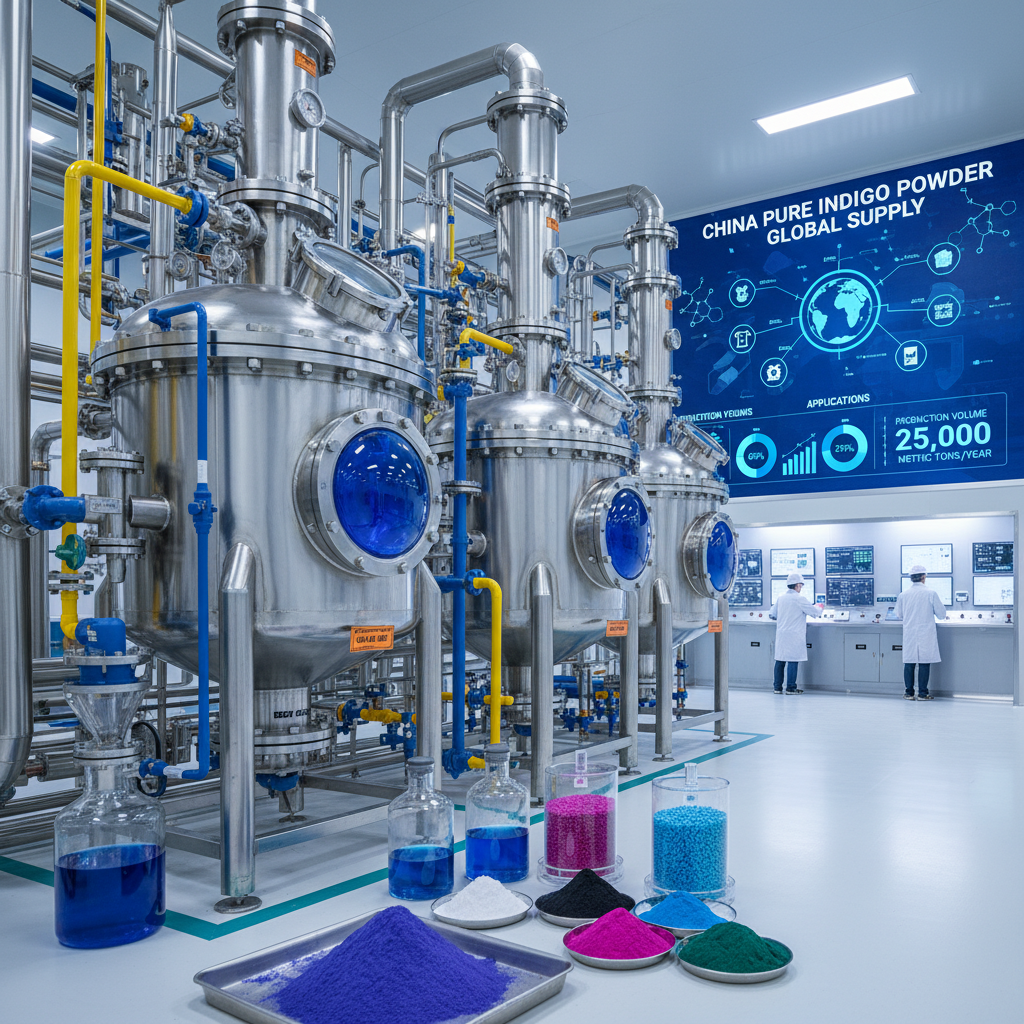
Product Specifications: Wuxin Group Indigo Powder
Here's a glimpse into the specifications of our high-quality indigo powder:
Conclusion: Partner with Wuxin Group for Premium Indigo Powder
When sourcing china pure indigo powder, quality, consistency, and reliability are paramount. Wuxin Group is dedicated to providing premium indigo powder that meets the highest industry standards. We offer competitive pricing, comprehensive specifications, and a commitment to sustainable practices. Contact us today to learn more about how we can fulfill your indigo powder needs.
Frequently Asked Questions (FAQs)
What is the best way to store indigo powder?
Indigo powder should be stored in a cool, dry, and dark place, away from direct sunlight and moisture. An airtight container is essential to prevent oxidation and maintain its potency. Proper storage will extend the shelf life and preserve the vibrant color of the indigo powder. Exposure to air, light, and humidity can degrade the quality and reduce its dyeing effectiveness. We recommend using opaque containers and keeping them in a temperature-controlled environment. Avoid storing near strong chemicals or solvents.
What factors influence the color intensity of indigo dyeing?
Several factors affect color intensity, including the indigo powder concentration, the fabric type, the dyeing time, and the water pH. Using a higher concentration of indigo powder generally results in a deeper shade. Natural fibers like cotton and silk absorb indigo more readily than synthetics. The longer the dyeing process, the more intense the color becomes. Adjusting the water pH can also impact the dye uptake. Typically, a slightly alkaline pH is optimal for indigo dyeing. Precise control over these variables is crucial for achieving the desired shade.
Does Wuxin Group offer custom indigo powder blends?
Yes, Wuxin Group can provide custom indigo powder blends tailored to your specific requirements. We work with our clients to understand their desired color shades and application needs. Our team can adjust the indigo content, particle size, and other parameters to create a blend that perfectly matches your specifications. Contact our sales team to discuss your custom blend requirements.
Is your indigo powder ethically sourced?
Absolutely. Wuxin Group is committed to ethical and sustainable sourcing practices. We work directly with farmers who adhere to responsible agricultural methods. We ensure fair labor practices and environmental protection throughout our supply chain. Our commitment to sustainability extends to minimizing waste and reducing our carbon footprint. We are proud to offer indigo powder that is both high-quality and ethically produced.
-
Mastering the Art of China Japanese Indigo Dyeing Traditions
NewsApr.16,2026
-
Exploring the Elegance of China Deep Indigo Color in Textiles
NewsApr.09,2026
-
Discover High Quality China Jeans Blue Indigo for Global Markets
NewsApr.07,2026
-
Exploring the Rich Tradition of China Natural Indigo Dyed Fabric
NewsApr.04,2026
-
Exploring China Indigo Color in Nature History and Modern Applications
NewsMar.31,2026
-
Exploring the Rich History of China True Blue Indigo Textiles
NewsMar.26,2026
-
Exploring the Rich Heritage of China Tie Dye with Indigo and Artisanal Techniques
NewsMar.24,2026
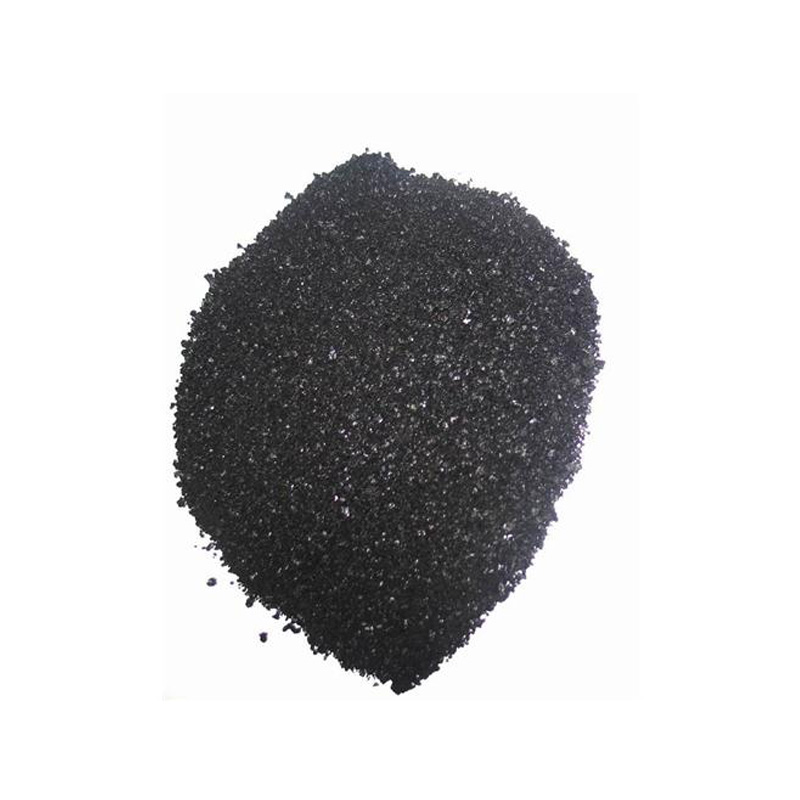
Sulphur Black
1.Name: sulphur black; Sulfur Black; Sulphur Black 1;
2.Structure formula:
3.Molecule formula: C6H4N2O5
4.CAS No.: 1326-82-5
5.HS code: 32041911
6.Product specification:Appearance:black phosphorus flakes; black liquid
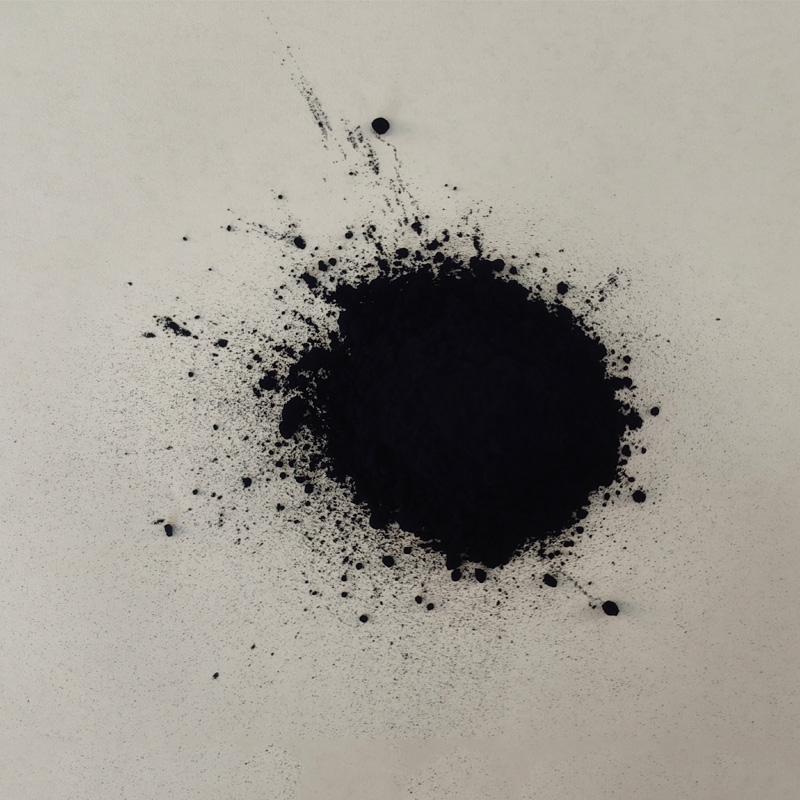
Bromo Indigo; Vat Bromo-Indigo; C.I.Vat Blue 5
1.Name: Bromo indigo; Vat bromo-indigo; C.I.Vat blue 5;
2.Structure formula:
3.Molecule formula: C16H6Br4N2O2
4.CAS No.: 2475-31-2
5.HS code: 3204151000 6.Major usage and instruction: Be mainly used to dye cotton fabrics.
Indigo Blue Vat Blue
1.Name: indigo blue,vat blue 1,
2.Structure formula:
3.Molecule formula: C16H10N2O2
4.. CAS No.: 482-89-3
5.Molecule weight: 262.62
6.HS code: 3204151000
7.Major usage and instruction: Be mainly used to dye cotton fabrics.