

Discover the Benefits of High Quality Pure Organic Indigo Powder for Sustainable Dyeing
Understanding the Global Importance of High Quality Pure Organic Indigo Powder
Indigo, with its signature deep blue hue, has enchanted cultures and industries for centuries. Yet, in today's sustainable and eco-conscious world, the term high quality pure organic indigo powder captures more than color—it represents a movement towards cleaner, greener natural dyes. This shift matters globally because synthetic dyes, often derived from petrochemicals, pose significant environmental and health problems, including water pollution and toxic waste.
According to a 2019 report by the United Nations Environment Programme (UNEP), textile dyeing contributes roughly 20% of industrial water pollution worldwide. The need for natural, organic alternatives like high quality organic indigo powder isn't just a trend—it's a response to pressing ecological challenges. Understanding this product unlocks benefits for industries from textiles to cosmetics, promoting sustainable business models and healthier communities.
What Exactly Is High Quality Pure Organic Indigo Powder?
In simple terms, high quality pure organic indigo powder is a naturally extracted blue pigment derived from the Indigofera tinctoria plant, processed with organic methods that avoid harmful chemicals and synthetic additives. Unlike synthetic indigo, which is chemically produced from petroleum-based raw materials, organic indigo powder is made through eco-friendly cultivation and extraction techniques, ensuring purity and sustainability.
This powder finds its roots not only in traditional textile dyeing but also increasingly in industries such as natural cosmetics, food coloring, and artisan crafts. Its organic certification means it complies with strict standards (often verified by bodies like ISO or USDA Organic), making it suitable for conscientious brands and consumers worldwide.
Core Components Defining Its Quality and Impact
1. Purity & Chemical-Free Processing
One of the main hallmarks is its chemical purity. Genuine organic indigo powder must avoid synthetic mordants or fixatives and contain minimal impurities. This directly impacts color quality and reduces environmental contamination.
2. Color Vibrancy & Consistency
For artisans and manufacturers alike, consistent rich blue tones are critical. High quality powders maintain a deep indigo shade that binds effectively to textiles or other substrates without fading prematurely.
3. Sustainable Agriculture Practices
The plants are grown without synthetic pesticides, using organic fertilizers — key for soil health and biodiversity. Practices aligned with ISO 14001 (Environmental Management) help verify these claims.
4. Scalability & Supply Chain Reliability
While organic products can sometimes suffer from limited production, trusted suppliers optimize yields through sustainable farming and quality controls, allowing for larger orders without sacrificing standards.
5. Biodegradability & Environmental Safety
Better yet, waste generated from organic indigo powder production biodegrades naturally, offering far less toxic impact than synthetic counterparts. This benefits water quality and ecosystem health in dyeing regions.
Global Applications and Real-World Use Cases
From Japan to India, from European artisan ateliers to African sustainable fashion startups, high quality pure organic indigo powder has found diverse applications:
- Textile & Apparel: Natural denim producers use it to create authentic blue jeans without harmful chemicals.
- Natural Cosmetics: Indigo powder offers a safe natural blue pigment in hair dyes, eyeliners, and lipsticks.
- Food Industry: Emerging as a natural coloring agent in chocolates, beverages, and health supplements.
- Traditional Craftsmanship: Indigenous and eco-conscious weavers and dyers preserve cultural techniques enriched by organic indigo.
For example, Indian artisans reliant on organic indigo powder have seen income stability boost by reaching fair-trade markets in Europe and North America. Meanwhile, UN-backed sustainability programs encourage its use to replace toxic synthetics in vulnerable ecosystems.
Advantages and Long-Term Value of Organic Indigo Powder
So why invest in high quality pure organic indigo powder as opposed to cheaper synthetic alternatives? Here’s a breakdown of tangible and intangible benefits:
- Eco-conscious Impact: Less water pollution and avoidance of carcinogenic chemicals protect both local environments and global ecosystems.
- Health and Safety: Safer for workers and consumers – no harsh chemical residues means fewer allergies and lower toxicity risks.
- Brand Integrity: Official organic certification boosts consumer trust, especially among millennials and Gen Z demanding transparency.
- Durability & Aesthetics: Though subtle, many users report better fabric longevity and richer color tones than synthetic variants.
- Socioeconomic Benefits: Supporting smallholder farmers and traditional artisans fosters inclusivity and fair trade.
Ultimately, it’s a purchase grounded in sustainability and dignity — not just profit margins.
Product Specification Table: Typical High Quality Pure Organic Indigo Powder
| Specification | Details |
|---|---|
| Source Plant | Indigofera tinctoria (Certified Organic) |
| Color Intensity | > 15% Indigo Content (Standardized) |
| Moisture Content | |
| Particle Size | Fine powder, 50-150 microns |
| Certification | USDA Organic / EU Organic / ISO 14001 |
| Packaging | Vacuum sealed, 1Kg / 5Kg bags |
Vendor Comparison: Leading Organic Indigo Powder Suppliers
| Vendor | Organic Certification | Annual Capacity (tons) | Pricing Range (USD/kg) | Key Strength |
|---|---|---|---|---|
| Wuxin Group | USDA Organic, ISO 14001 | 50 | 25-30 | Consistent quality, fast delivery |
| BlueLeaf Naturals | EU Organic | 40 | 28-35 | Strict farm-to-bottle traceability |
| Green Indigo Co. | USDA Organic | 30 | 20-27 | Affordable pricing with fair-trade sourcing |
Future Trends and Innovations in Organic Indigo Powder
There’s an interesting shift underway fueled by consumer demand and regulatory pressure. We’re seeing advances like:
- Biotechnological Extraction: Using microbes to produce indigo molecules sustainably, blending natural and lab techniques.
- Digital Color Matching: Tools that help manufacturers replicate exact hues within the organic powder spectrum, reducing waste.
- Integration in Smart Textiles: Combining organic dyes with functional fabrics for UV protection or antimicrobial features.
- Increased Certifications: More certification bodies focusing on social impact and carbon footprint in production.
Interestingly, some brands experiment with organic indigo in 3D printing inks, opening doors to art and industry beyond textiles.
Common Challenges and How Experts Address Them
Like any natural product, organic indigo powder faces hurdles—seasonal supply fluctuations, higher costs versus synthetic dyes, and variability in color quality. Moreover, large-scale industrial users may worry about batch consistency and compatibility with modern machinery.
Yet, through strategic farming partnerships, rigorous quality control, and R&D investments, many suppliers (such as high quality pure organic indigo powder producers) manage these challenges effectively. Plus, educating end users helps align expectations—sometimes a softer hue or slower dye uptake is a small price for sustainability.
FAQ: Your Burning Questions About High Quality Pure Organic Indigo Powder
Q1: How does organic indigo powder differ from synthetic indigo in textile production?
A1: Organic indigo powder derives directly from plant extraction and involves no toxic chemicals, making it safer for the environment and workers. Synthetic indigo, while cheaper, often uses petrochemical precursors and produces hazardous wastewater. Organic variants may require slightly different processing but yield beautiful, lasting colors.
Q2: Is the higher cost of organic indigo powder justified?
A2: Yes, sustainably grown and processed organic indigo incurs higher costs due to labor, certifications, and lower yields. However, these costs reflect in reduced environmental harm, better brand reputation, and often superior product quality—benefits that often outweigh premium pricing.
Q3: Can organic indigo powder be used for applications beyond fabric dyeing?
A3: Absolutely. It's gaining popularity in natural hair dyes, cosmetics, food coloring, and even art supplies. Its organic purity ensures safety for such uses, especially when paired with appropriate certification and formulation expertise.
Q4: How can a business ensure consistent supply of high quality organic indigo powder?
A4: Establishing long-term contracts with certified suppliers and diversified sourcing across regions can mitigate supply risks. Some companies also invest in sustainable farming programs to stabilize raw material availability and quality.
Q5: Are there environmental certifications I should look for when buying organic indigo powder?
A5: Yes, certifications like USDA Organic, EU Organic, ISO 14001 for environmental management, and fair trade labels are key indicators of genuine sustainable and ethical sourcing.
Final Thoughts: Embracing a Sustainable Indigo Future
The journey of high quality pure organic indigo powder from ancient dye to modern sustainable marvel illustrates how industries can re-connect with nature without losing performance or aesthetics. It’s a small but powerful way to fight pollution, empower traditional communities, and delight consumers craving authenticity.
If you’re keen to explore sourcing or learning more about this remarkable product, I’d definitely suggest visiting high quality pure organic indigo powder suppliers like Wuxin Group — they’re a reliable gateway into the future of organic dyeing.
References
-
Mastering the Art of China Japanese Indigo Dyeing Traditions
NewsApr.16,2026
-
Exploring the Elegance of China Deep Indigo Color in Textiles
NewsApr.09,2026
-
Discover High Quality China Jeans Blue Indigo for Global Markets
NewsApr.07,2026
-
Exploring the Rich Tradition of China Natural Indigo Dyed Fabric
NewsApr.04,2026
-
Exploring China Indigo Color in Nature History and Modern Applications
NewsMar.31,2026
-
Discover High Quality China Pure Indigo Powder for Vibrant Natural Dyeing
NewsMar.28,2026
-
Exploring the Rich History of China True Blue Indigo Textiles
NewsMar.26,2026
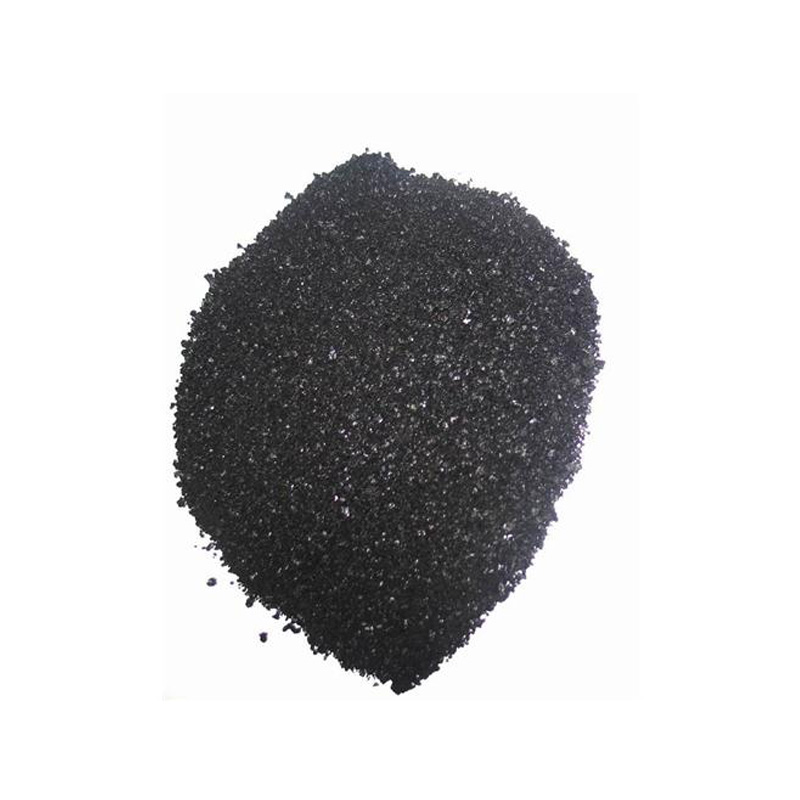
Sulphur Black
1.Name: sulphur black; Sulfur Black; Sulphur Black 1;
2.Structure formula:
3.Molecule formula: C6H4N2O5
4.CAS No.: 1326-82-5
5.HS code: 32041911
6.Product specification:Appearance:black phosphorus flakes; black liquid
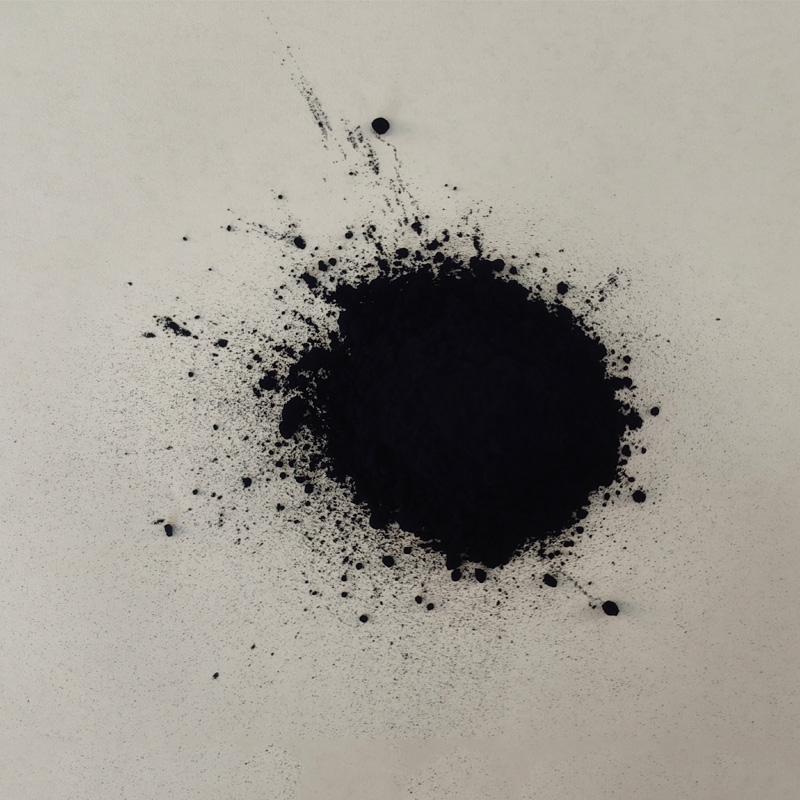
Bromo Indigo; Vat Bromo-Indigo; C.I.Vat Blue 5
1.Name: Bromo indigo; Vat bromo-indigo; C.I.Vat blue 5;
2.Structure formula:
3.Molecule formula: C16H6Br4N2O2
4.CAS No.: 2475-31-2
5.HS code: 3204151000 6.Major usage and instruction: Be mainly used to dye cotton fabrics.
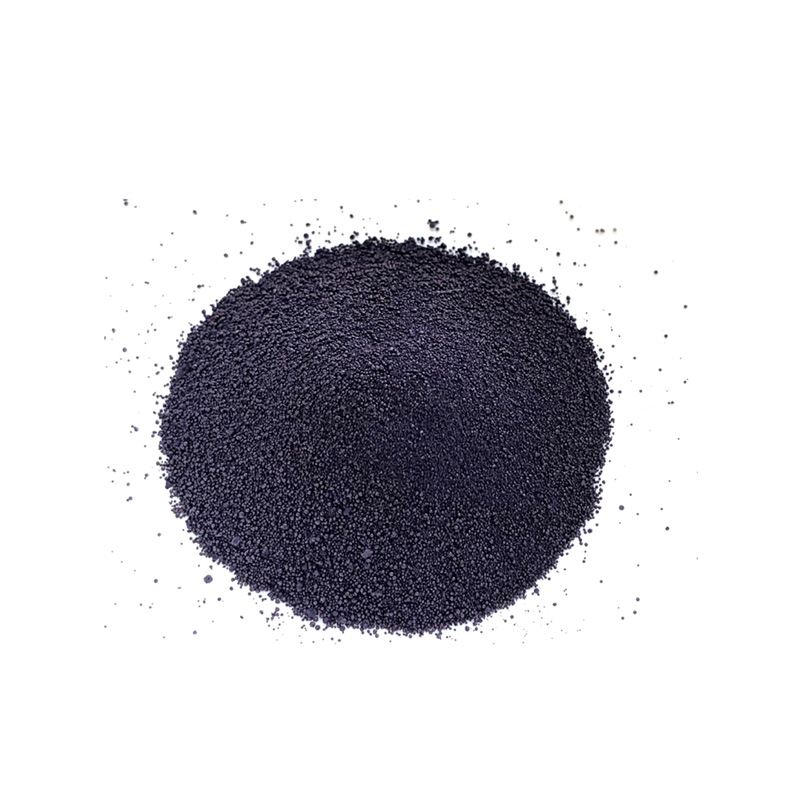
Indigo Blue Vat Blue
1.Name: indigo blue,vat blue 1,
2.Structure formula:
3.Molecule formula: C16H10N2O2
4.. CAS No.: 482-89-3
5.Molecule weight: 262.62
6.HS code: 3204151000
7.Major usage and instruction: Be mainly used to dye cotton fabrics.